
Finding the best leather paint and beginner starter sets in Singapore requires selecting high-flexibility acrylic formulations, choosing comprehensive kits that include essential surface preparers and protective sealers, and sourcing from authorized local art supply stores or specialized leathercraft shops. Because leather is a flexible, fibrous material, standard paints will quickly crack and peel under daily wear. Success in your customization or restoration projects depends on matching the paint formulation to your specific leather type and utilizing a complete, compatible product system.
Whether you are customizing a pair of leather sneakers, restoring a cherished handbag, or personalizing a wallet, the quality of your materials directly dictates the longevity of your work. Beginners often face the challenge of navigating various paint types, preparation chemicals, and topcoats. By understanding the core characteristics of high-quality leather paints and knowing how to verify product authenticity, you can avoid common pitfalls and achieve a durable, professional-grade finish right from your home workspace.
How to Evaluate Leather Paint Quality and Compatibility
When selecting a leather paint, the most critical factor to verify is its flexibility and adhesion properties. Genuine leather and synthetic alternatives are dynamic materials that bend, crease, and stretch during regular use. Specialized leather paints are formulated with flexible acrylic polymers that bond directly with the leather fibers, allowing the paint layer to move with the material without cracking or peeling. Before purchasing, check the product label or manufacturer specification sheet to ensure the paint is explicitly engineered for leather substrates.
Products mentioned in this guide
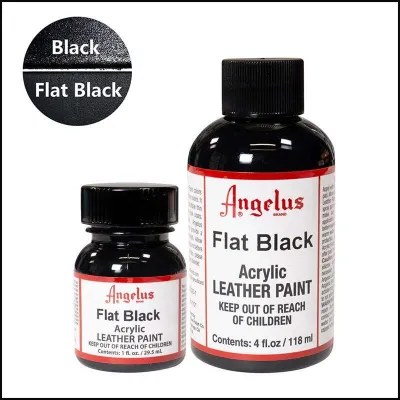
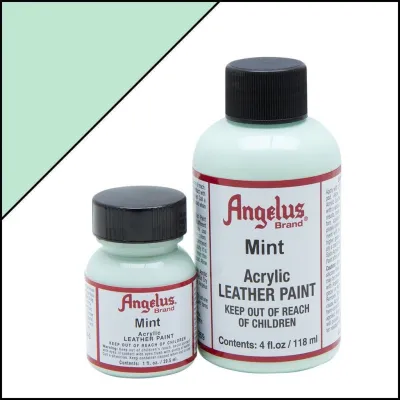
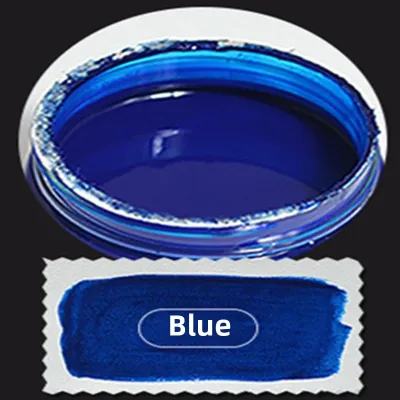
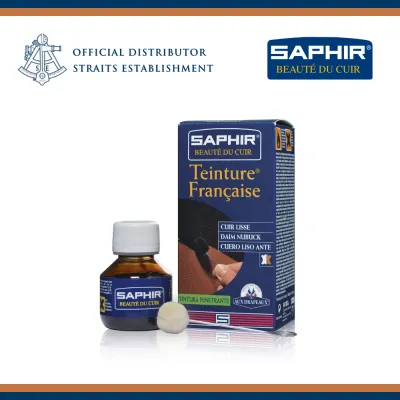
![Fiebings Leather Pro Dye For Dyeing of Vegetable Tanned Leather Bags Sofas Shoes [FREE WOOL DAUBER]](https://img.lazcdn.com/g/p/8f0ada5afc626de74c3dcc01a387e199.jpg_400x400q80.jpg_.webp)
Prices are valid at publication and may change. Please refer to the product page for the latest price.
It is also important to understand the differences between water-based acrylic leather paints and solvent-based options. Water-based acrylics are highly recommended for beginners because they are virtually odorless, easy to clean up with water, and dry quickly. They are ideal for indoor use in typical Singapore apartments where ventilation might be limited to open windows. Solvent-based paints and dyes, on the other hand, offer deep penetration and extreme durability but require specialized chemical thinners, emit strong fumes, and demand rigorous safety precautions, including the use of respirators.
To ensure your design remains vibrant over time, verify the paint’s opacity, colorfastness, and UV resistance. High-quality leather paints utilize finely ground, premium pigments that provide excellent coverage in fewer coats, preventing the buildup of a thick, heavy layer that is prone to cracking. Check the manufacturer’s technical documentation to confirm that the pigments are rated for UV resistance, which prevents the colors from fading when exposed to the bright tropical sunlight of Singapore.
Finally, assess the paint’s viscosity to determine if it matches your intended application method. Standard leather paints are typically formulated for brush application, possessing a smooth, creamy consistency that levels out to minimize brush strokes. If you plan to use an airbrush for smooth gradients or large background areas, you will need to verify if the paint requires thinning. Many reputable brands offer specialized flow improvers or thinners designed to lower viscosity without compromising the paint’s adhesive properties.
Essential Components of a Beginner Leather Paint Set
A comprehensive beginner leather paint set should contain more than just a collection of colorful bottles. Proper surface preparation and final sealing are just as important as the painting process itself. When evaluating starter kits, ensure the set includes a dedicated surface preparer or deglazer, which strips away factory finishes and oils, alongside a protective topcoat sealer. Purchasing a kit that bundles these essential liquids ensures chemical compatibility across all stages of your project.

The quality of the applicators included in a starter set can significantly influence your initial results. Look for kits that provide soft-bristle synthetic detail brushes, which are excellent for precise linework and minimize visible brush marks. Sponges are also highly useful components, allowing beginners to apply even base coats or blend colors smoothly without leaving streaks. A mixing palette is another valuable inclusion, giving you a clean surface to blend custom shades and test paint consistency.
A practical starter kit should offer a versatile selection of base colors and mixing mediums. Having a well-rounded palette of primary colors—red, blue, and yellow—along with black and white allows you to mix almost any shade imaginable. Some advanced starter sets also include neutral mixing mediums or dullers, which allow you to adjust the opacity of the paint or tone down the natural gloss of the acrylic to match the original finish of your leather item.
Lastly, check if the starter set includes clear instructional guides or access to official digital tutorials. For beginners, having step-by-step guidance on surface preparation, paint dilution, layering techniques, and curing times is invaluable. Reliable brands often provide QR codes on their packaging that link to comprehensive video libraries, helping you troubleshoot common issues and learn proper application techniques before you touch brush to leather.
Identifying Reliable Leather Paint Brands
To identify reliable leather paint brands without relying on unverified online rankings, you should cross-reference brand reputations within professional leathercraft and sneaker customization communities. Established manufacturers have a long history of consistent performance and are widely discussed in online forums and local crafting groups. Look for brands that are consistently recommended by experienced crafters for their reliability, ease of use, and long-term durability.
Trustworthy brands prioritize transparency by providing clear ingredient lists, usage instructions, and Safety Data Sheets (SDS) on their official websites. These documents outline the chemical composition of the paints, proper handling procedures, and necessary safety equipment. A manufacturer that readily shares this technical data demonstrates a commitment to user safety and product quality, allowing you to work with confidence in your home environment.
Avoid unbranded, generic, or poorly labeled paints that lack specific instructions for leather preparation and finishing. These low-cost alternatives often use cheap binders that degrade quickly, leading to sticky finishes, cracking, or color bleeding. If a product label does not clearly state the recommended preparation steps, drying times, and compatible topcoats, it is highly likely to yield disappointing results and could potentially ruin an expensive leather item.
Another hallmark of a reliable brand is the depth of its product ecosystem. Reputable manufacturers do not just sell paint; they offer a complete range of complementary products designed to work together seamlessly. This includes specialized cleaners, deglazers, adhesion promoters for difficult surfaces, paint additives, and various finishes. A brand with a comprehensive ecosystem ensures that you can find a compatible solution for every stage of your leathercraft journey.
Sourcing Authentic Leather Paints in Singapore
When sourcing leather paints in Singapore, prioritizing established local art supply stores and specialized leathercraft boutiques is the safest way to ensure product authenticity. Physical retail stores allow you to inspect the packaging for genuine holographic seals, batch numbers, and manufacturing dates. Additionally, shopping in person gives you the opportunity to speak with knowledgeable staff who can offer advice on product compatibility and recommend the right tools for your specific project.
If you prefer the convenience of online shopping, verify that you are purchasing from authorized online sellers or official brand storefronts on major e-commerce platforms. Be cautious of third-party listings with unusually low prices, as counterfeit art supplies are common in online marketplaces. Check the seller’s ratings, read customer reviews, and confirm that the seller is an authorized distributor of the brand to avoid purchasing expired, diluted, or counterfeit products.
Singapore’s high humidity and warm tropical climate present unique challenges for storing liquid art supplies. Poor storage conditions, such as exposure to extreme heat or high humidity in unconditioned warehouses, can cause paint binders to separate, spoil, or dry out prematurely. When buying from local retailers, inquire about their storage practices, and inspect the paint bottles upon delivery for any signs of excessive separation, clumping, or unusual odors.
Before finalizing your purchase, compare the shipping and return policies of different retailers, especially when ordering liquid chemical products like deglazers or solvent-based sealers. Some shipping carriers have strict regulations regarding the transport of flammable or liquid art supplies. Ensure the retailer packages these items securely to prevent leaks during transit, and verify that they offer a clear return or exchange policy in case a bottle arrives damaged or defective.
Selecting Preparers and Sealers for Your Starter Kit
Achieving a professional, long-lasting finish depends heavily on selecting the correct pre-treatment and topcoat products for your specific leather type. Vegetable-tanned leather, which is highly absorbent, requires a different preparation approach than chrome-tanned or heavily finished synthetic leathers. A proper deglazer or preparer removes the factory protective coating and surface oils, opening up the pores of the leather so the paint can form a strong mechanical bond with the fibers.
Once your painted design is complete, applying a high-quality sealer is essential to protect the surface from scratches, water, and daily wear. Sealers are available in various finishes, including matte, satin, semi-gloss, and high gloss. When choosing a sealer, select a finish that complements your design while ensuring the product is formulated to maintain the natural flexibility of the leather, preventing the protective layer from cracking when the item bends.
Chemical compatibility between your paint, preparer, and sealer is crucial to prevent project failures. Mixing products from different brands can lead to adverse chemical reactions, resulting in a permanently tacky surface, discoloration, or peeling. To ensure optimal results, it is highly recommended to use a preparer, paint, and sealer from the same manufacturer’s product line, as these formulas are specifically engineered to bond with one another.
Finally, carefully review the manufacturer’s recommended curing times and environmental application guidelines. Applying sealers in Singapore’s humid climate requires careful attention, as high relative humidity can slow down the evaporation of water and solvents, extending drying times. Ensure you allow each layer of paint and sealer to dry completely in a dust-free, well-ventilated space, adhering strictly to the recommended wait times before subjecting the finished item to active use.
Frequently Asked Questions (FAQ)
Can I use regular acrylic paint on leather instead of specialized leather paint?
Regular craft acrylic paints lack the highly flexible binders found in specialized leather paints. When applied to a flexible surface like leather, standard acrylics will crack, flake, and peel as the material bends and creases during use. Specialized leather paints are formulated with elastic acrylic polymers that stretch and flex with the leather fibers, ensuring a durable, long-lasting bond that resists cracking.
How long does leather paint typically take to cure before the item can be used?
While leather paint may feel dry to the touch within 15 to 30 minutes, full curing typically takes 24 to 72 hours. Curing is the chemical process where the paint fully bonds and hardens. In Singapore’s humid climate, this process can take longer, so it is best to let the item sit in a cool, dry place for at least a few days before wearing or using it.
Do I need an airbrush to get a professional finish with a beginner starter set?
An airbrush is not necessary for a professional finish. High-quality, soft-bristle synthetic brushes or detail sponges can produce excellent, smooth results. The key is to apply multiple thin, even layers rather than one thick coat, allowing each layer to dry completely before applying the next.

Community discussion
Share your experience or ask a question. Comments are reviewed before publication.