
When you need a quick, clean, and needle-free way to alter your trousers, choosing a reliable tape for pants is the key to achieving a professional finish that lasts. A sagging hem or a peeling adhesive can ruin the silhouette of tailored trousers, making high-quality haberdashery brands essential for a dependable hold. For permanent alterations on robust fabrics, established brands like Prym, Dritz, Hemline, and Clover offer exceptional fusible bonding tapes that melt uniformly and withstand regular washing. If you require a temporary adjustment for a special event or delicate materials, pressure-sensitive double-sided fabric tapes from these same manufacturers provide a secure grip without damaging the fibers.
To find the perfect match for your wardrobe, you must evaluate the tape’s adhesive chemistry, width, and weight against the specific fabric composition of your trousers. In Singapore’s warm, humid climate, garments undergo frequent laundering, which places additional stress on adhesive bonds. Selecting a dedicated haberdashery brand ensures that the adhesive is engineered to endure these conditions without stiffening the fabric or leaving unsightly residue.
Evaluating Haberdashery Brands: What Makes Hemming Tape Reliable?
When browsing online marketplaces or local sewing specialty shops, you will encounter countless unbranded, generic adhesives alongside established haberdashery names. Opting for a recognized brand is not merely a matter of prestige; it is a critical step in ensuring the structural integrity of your clothing. Reliable brands invest in rigorous quality control, ensuring that the adhesive web or film is distributed evenly across the entire roll. With generic alternatives, you often run the risk of uneven adhesive density, which leads to weak spots, premature peeling, and frustrating re-applications.
Products mentioned in this guide
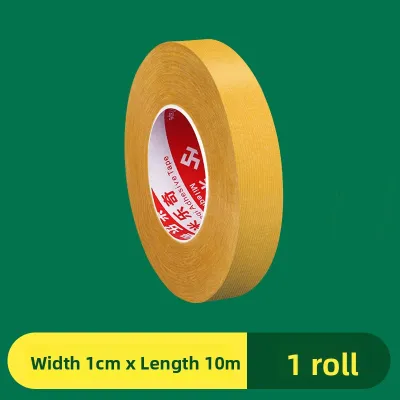
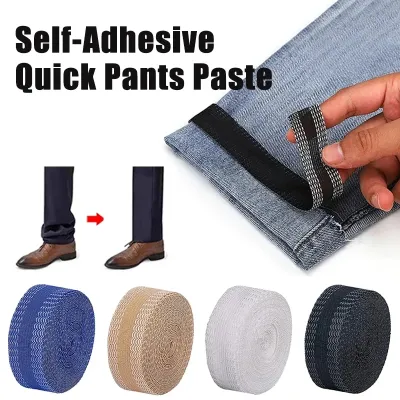
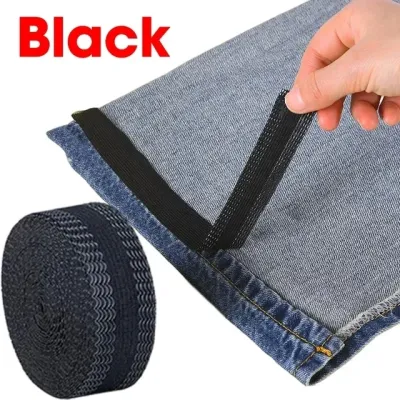
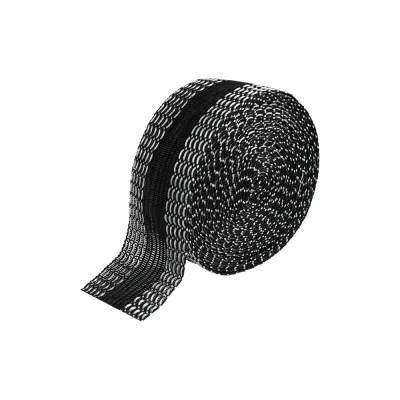
Prices are valid at publication and may change. Please refer to the product page for the latest price.
Consistent adhesive quality is the hallmark of a dependable tape for pants. Premium brands formulate their adhesives to melt at precise temperature ranges, allowing you to bond fabrics safely without overheating your delicate wool blends or synthetic trousers. Furthermore, these manufacturers provide explicit fabric compatibility labeling on their packaging. They clearly distinguish between lightweight webs meant for sheer fabrics and heavy-duty bonding strips designed for denim or canvas. This transparency helps you avoid catastrophic mistakes, such as using an overly aggressive adhesive that bleeds through fine fabrics or a weak adhesive that fails on heavy cotton.
Another crucial advantage of choosing established haberdashery brands is the availability of clear, detailed instructions and safety data. Reputable manufacturers outline the exact iron settings, pressing times, and cooling requirements needed to cure the adhesive. They also specify whether their products are dry-clean friendly, machine washable, or resistant to high-temperature drying. Because adhesive formulations vary widely, relying on unverified marketing claims from generic sellers can result in ruined garments. Checking the manufacturer’s technical specifications ensures that the tape’s heat resistance aligns with your garment’s care label.
Choosing the Right Tape Type for Your Pants Fabric
Selecting the ideal tape for pants requires matching the adhesive’s activation method to the physical properties of your trousers. Using the wrong type of tape can either result in a weak bond that fails mid-wear or permanent damage to heat-sensitive synthetic fibers.

Fusible Bonding Tapes for Permanent Hems
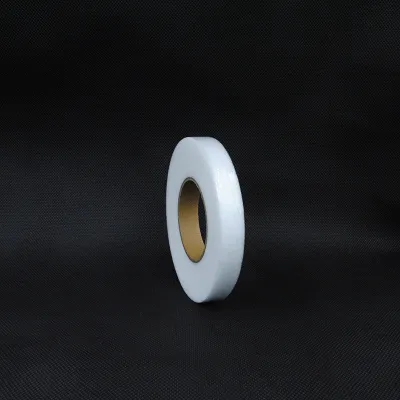
Fusible bonding tapes, often referred to as iron-on hem tapes, rely on heat-activated polyamide or copolyester adhesives to lock fabric layers together. When you apply a hot iron, the solid adhesive web melts, flows into the fabric’s fibers, and solidifies as it cools to form a permanent, washable bond. This method is highly effective for standard trousers made from cotton, wool, linen, or denim, as these natural and blended fibers can withstand the heat required for activation.
To achieve a successful bond, you must verify the tape’s melting point against the maximum heat tolerance of your pants. For instance, while heavy-duty fusible tapes are excellent for denim jeans, they require high iron temperatures and prolonged steam application to melt completely. If you attempt to use this same heavy-duty tape on a delicate synthetic blend, such as polyester or rayon, you risk scorching or melting the fabric before the adhesive even activates. Always check the fabric care label on your pants and test a small piece of tape on an inconspicuous area, such as the inside of the pocket or the seam allowance, before committing to the hem.
Double-Sided Fabric Tapes for Temporary Fixes
If you are working with delicate silk trousers, heavily embellished fabrics, or synthetic materials that cannot tolerate any iron heat, double-sided fabric tape is the safest alternative. These pressure-sensitive tapes do not require heat or water to activate; instead, they rely on a high-tack acrylic adhesive that bonds instantly when pressed firmly between your fingers. This makes them exceptionally convenient for emergency repairs, travel, or adjusting the hemline of a pair of pants you plan to wear with different heel heights.
Despite their convenience, temporary double-sided tapes have distinct performance boundaries. They are generally not designed to withstand machine washing or dry cleaning, and their holding power can degrade when exposed to heavy perspiration, high humidity, or thick, heavy fabrics like corduroy. Before applying a temporary tape, always clean the fabric surface to remove any oils or dust, and test the tape on a hidden section of the garment. This step is vital to ensure the adhesive does not leave a stubborn, sticky residue or strip away delicate fibers when you peel the tape off.
Key Specifications to Verify Before Buying Hemming Tape
To ensure a clean, professional finish that preserves the natural drape of your trousers, you must look closely at several technical specifications before buying tape for pants. Premium haberdashery tapes typically range from S$5 to S$15 per roll, depending on the width and length, representing a highly cost-effective alternative to professional tailoring services in Singapore.
- Width: The width of the tape should correspond directly to the depth of your hem allowance. For classic dress pants or formal trousers, a narrow tape measuring 10 mm to 15 mm allows for a subtle, clean edge that remains invisible from the outside. For casual chinos, cargo pants, or heavy denim jeans, a wider tape of 20 mm to 25 mm provides the necessary surface area to support the weight of the heavier fabric fold.
- Thickness and Weight: Hemming tapes are categorized as ultra-lightweight, regular, or heavy-duty. An ultra-lightweight fusible web is ideal for fine wool or summer linen trousers, as it creates a flexible bond that allows the fabric to swing and drape naturally. Using a heavy-duty tape on lightweight trousers will make the hem stiff and board-like, creating an unnatural, rigid line around your ankles. Conversely, a lightweight tape will fail to hold the heavy fold of denim or thick cotton twill.
- Washability and Care Instructions: Always read the product packaging to verify the adhesive's maintenance limits. In Singapore's tropical climate, pants are washed frequently, making high-temperature washability a key factor. Some fusible tapes are rated for warm machine washes up to 40°C, while others can tolerate hot washes and tumble drying. If you frequently send your trousers to the dry cleaner, ensure the tape is explicitly labeled as dry-clean safe, as certain dry-cleaning solvents can dissolve the adhesive bond.
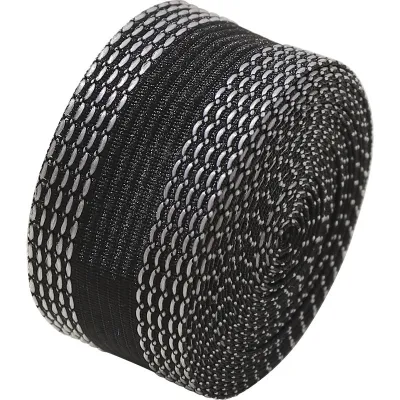
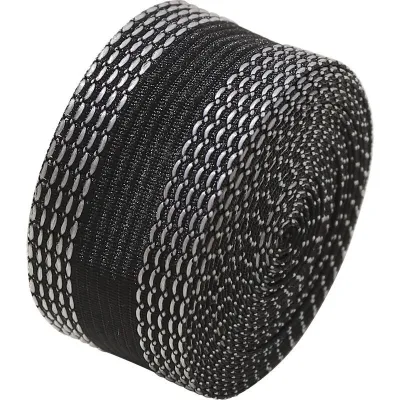
- Color and Visibility: While many hemming tapes are translucent or white when melted, they can still show through light-colored or sheer fabrics, such as white linen or cream summer trousers. Many professional haberdashery brands offer black or dark charcoal fusible tapes specifically designed for dark navy, charcoal, and black trousers. Matching the tape color to your fabric prevents any chalky white adhesive from shadowing through to the right side of the garment.
How to Apply Hemming Tape for a Lasting Hold
Achieving a flawless, long-lasting hem with tape requires meticulous preparation and precise execution. Skipping steps or rushing the process is the most common cause of premature peeling and messy results.
- Preparation: Before you introduce any adhesive, your pants must be clean and free of fabric softeners, starch, or manufacturing finishes, as these chemical coatings block the adhesive from bonding with the fibers. Wash and dry the trousers first. Next, put on the trousers with the shoes you intend to wear, measure the desired length, and pin the hem in place. Remove the pants, press the fold line firmly with an iron to create a sharp crease, and trim away any excess fabric, leaving a consistent hem allowance.
- Application: Cut the hemming tape to the exact circumference of the pant leg, avoiding overlapping the ends, which can create a bulky, uneven spot. Place the tape inside the folded hem, ensuring it sits slightly away from the very edge of the fold to prevent adhesive from seeping out. For fusible tapes, set your iron to the temperature recommended by the manufacturer, typically the wool or cotton setting, and turn off the steam unless the instructions explicitly require a damp pressing cloth. Press the iron down firmly on the hem and hold it in place without moving it back and forth for the exact number of seconds specified by the brand (usually 10 to 15 seconds). Lift the iron, move to the next section, and repeat. For double-sided tape, apply firm, even pressure along the entire length of the tape with your fingers or a roller to activate the pressure-sensitive bond.
- Curing and Setting: Once the heat or pressure is applied, do not disturb, stretch, or try on the trousers immediately. For fusible tapes, the adhesive is still in a semi-liquid state while hot; moving the fabric too soon will disrupt the bond and cause the hem to fail. Lay the trousers flat on a clean surface and allow them to cool completely to room temperature, which typically takes 15 to 20 minutes. This cooling period allows the polymers to crystallize and lock permanently into the fabric fibers.
- Safety and Fabric Care: To protect your iron's soleplate and the delicate face of your trousers, always use a clean, dry pressing cloth between the iron and the fabric. If any adhesive accidentally bleeds through or contacts the iron directly, it can ruin the soleplate and transfer black marks onto your garments. If you are working with synthetic fabrics, a pressing cloth also acts as a thermal barrier, preventing the direct heat of the iron from glazing or melting the delicate synthetic fibers.
Troubleshooting Peeling, Residue, and Stiff Hems
Even with careful application, you may occasionally run into issues where the hem does not look or perform as expected. Understanding how to diagnose and correct these common problems will save your garments from permanent damage.
If you notice peeling edges or sections of the hem coming loose after washing, the adhesive likely did not melt completely during the initial application, or the iron temperature was too low. For fusible tapes, you can often re-activate the adhesive by placing a damp pressing cloth over the affected area and reapplying firm heat and steam with your iron for 10 seconds. If the tape has lost its adhesive properties entirely due to fabric softener build-up or fiber degradation, you will need to peel the old tape away and apply a fresh strip.
Adhesive residue on the fabric or your iron’s soleplate is another common frustration. If adhesive gets onto your iron, let the iron cool completely, then apply a small amount of a specialized, fabric-safe adhesive remover to a clean cloth and gently wipe the soleplate. Never use abrasive scrubbing pads, metal scrapers, or harsh industrial solvents like acetone on your iron or delicate pants, as these can permanently scratch the soleplate or dissolve synthetic fibers. For stubborn residue on the fabric itself, placing an absorbent scrap of cotton fabric over the residue and pressing it with a warm iron can sometimes draw the softened adhesive out of your trousers and onto the scrap piece.
If your hem feels excessively stiff or stands out rigidly, you have likely used a tape that is too thick for the fabric weight, or you applied excessive heat, which caused the adhesive to saturate the fibers completely and harden. To resolve a stiff hem, you can try softening the adhesive by applying steam and gently flexing the fabric while it is warm to break the rigid bond. If it remains too stiff, the best course of action is to carefully peel the hem apart while applying heat, remove the heavy-duty tape, and replace it with an ultra-lightweight fusible web.
Frequently Asked Questions (FAQ)
Can hemming tape be removed if I make a mistake?
Yes, most hemming tapes can be removed, but the ease of removal depends heavily on the tape type and fabric. Double-sided temporary tapes can simply be peeled off by hand, though you may need to use a mild, fabric-safe adhesive remover or soapy water to clean away any tacky residue left behind. Fusible tapes are designed to be permanent, but you can often loosen the bond by applying a hot iron and steam through a pressing cloth. While the adhesive is warm and soft, gently peel the fabric layers apart. Keep in mind that some adhesive residue may remain embedded in the fabric fibers, which can be difficult to remove completely from delicate materials.
Is hemming tape strong enough for heavy denim jeans?
Standard hemming tapes often struggle with heavy denim jeans because the thick, dense cotton fibers prevent heat from penetrating deeply enough to melt the adhesive fully. To hem denim successfully, you must use a heavy-duty or extra-wide fusible bonding web specifically formulated for heavy fabrics. When applying the tape, ensure your iron is set to a high cotton setting, and use a damp pressing cloth to generate deep-penetrating steam. Hold the iron firmly in place for a few extra seconds to ensure the heat reaches the center of the fold, and allow the denim to cool completely before putting any tension on the hem.
Community discussion
Share your experience or ask a question. Comments are reviewed before publication.