
Sourcing authentic Queen Elizabeth II commemorative items in Singapore is a rewarding pursuit that bridges historical appreciation with the art of collecting. As a former British colony and a key member of the Commonwealth, Singapore shares a rich historical tapestry with the British monarchy. This shared past means that a surprising variety of royal memorabilia has found its way into local collections, heritage homes, and specialized shops over the decades. Whether you are a seasoned collector searching for a rare philatelic piece or a gift-giver looking for a unique historical keepsake, navigating this niche market requires a clear understanding of what is available and where to look.
The appeal of royal memorabilia lies not only in its historical significance but also in its craftsmanship. From beautifully engraved postage stamps to meticulously struck proof coins, these items serve as tangible markers of significant milestones in modern history, such as coronations, jubilees, and state visits. However, because Singapore’s tropical climate poses specific preservation challenges, finding these items in pristine condition requires diligence. This guide provides a comprehensive overview of the types of Queen Elizabeth II souvenirs available locally, the best sourcing strategies in Singapore, and essential tips for verifying authenticity and preserving your collection.
Identifying Types of Royal Memorabilia and Souvenirs
Philatelic items represent one of the most accessible and highly detailed categories of royal memorabilia. Throughout her seventy-year reign, numerous commemorative stamps, first day covers, and special postmarks were issued globally, including many that circulated within Singapore and the wider region. Collectors highly prize these items for their intricate designs, which often feature classic portraits, royal cyphers, and vibrant colors. When evaluating vintage stamps, pay close attention to the paper quality, the presence of original gum on unused specimens, and the crispness of the postmark on used ones. First day covers, which feature stamps postmarked on their official day of issue, are particularly popular for gifting due to their illustrative envelopes and historical context.
Products mentioned in this guide
Prices are valid at publication and may change. Please refer to the product page for the latest price.
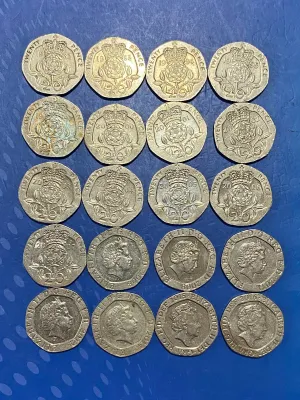
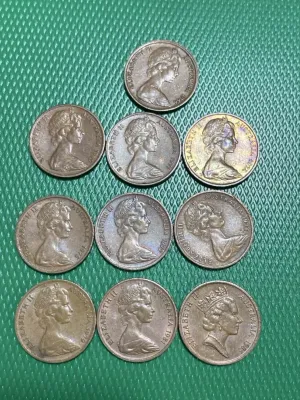
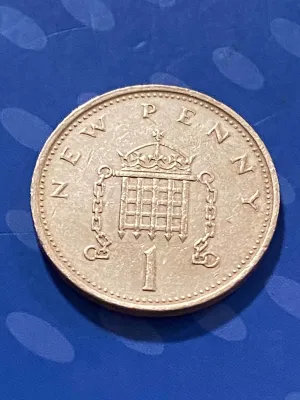
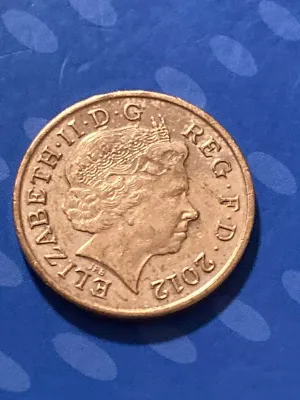
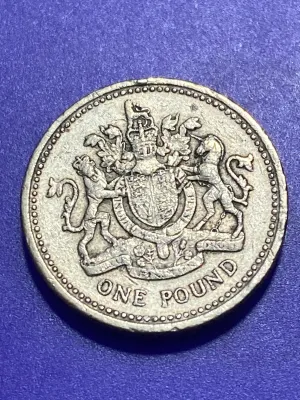
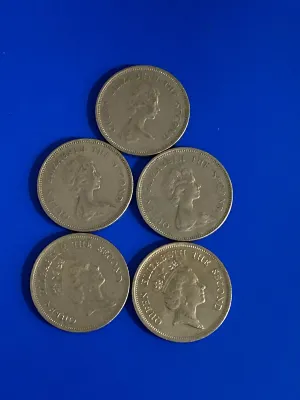
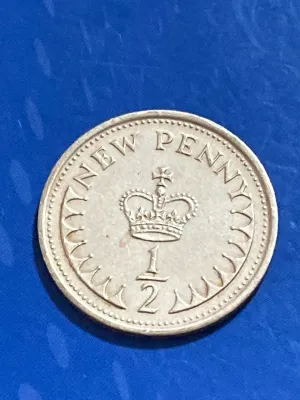
Numismatic collectibles, including limited-edition coins, commemorative medals, and special banknotes, offer a more substantial and durable option for collectors. These items range from standard circulating coins featuring the Queen’s portrait to premium proof sets struck in precious metals like sterling silver or gold. Many Commonwealth nations issued special coins to mark major royal milestones, such as the Silver, Golden, and Diamond Jubilees. These coins are valued not only for their metal content but also for their artistic design and proof finishes, which feature frosted details against mirror-like backgrounds. Commemorative medals, often issued to celebrate coronations or royal visits, also make excellent display pieces due to their larger size and detailed relief work.
Printed stationery and official publications provide a fascinating glimpse into the graphic design and printing standards of the past. This category includes vintage commemorative magazines, official coronation programs, art books, and premium postcard sets. For stationery enthusiasts, vintage writing paper, envelopes, and notebooks featuring embossed royal crests or cyphers are highly collectible. When sourcing these paper goods, it is important to verify the binding style—such as stitched or glued bindings—and the paper weight, typically measured in grams per square meter (gsm). High-quality vintage paper often features a distinct texture and watermark. If you intend to write on it, you must verify its ink compatibility, observing how well it resists feathering and ink bleed-through. To verify this, perform a small trial on an inconspicuous corner of the paper using your preferred ink; observe the drying speed, smoothness of the stroke, and whether the ink bleeds through to the reverse side, as these characteristics depend heavily on the exact fiber and sizing combination of the vintage paper.
General souvenirs and decorative items offer a versatile option for casual gifting and home display. This category encompasses a wide range of merchandise, including commemorative porcelain plates, mugs, tea tins, and small keepsakes like keychains or bookmarks featuring official portraits. Many of these items were produced by renowned heritage brands and feature classic motifs, such as the royal coat of arms or floral emblems representing the Commonwealth nations. These souvenirs are ideal for those who appreciate the aesthetic of royal history but may not want to invest in highly specialized numismatic or philatelic collections. They serve as charming decorative accents that bring a touch of vintage elegance to any space.
Where to Source Authentic Collectibles in Singapore
For those seeking verified philatelic and numismatic items, specialized shops in Singapore are the most reliable starting point. Areas such as the Bras Basah Complex, long known as a hub for arts, books, and collectibles, house several independent stamp and coin dealers. These established merchants have decades of experience and offer a curated selection of authenticated items, ranging from vintage Singaporean stamps to international royal memorabilia. Visiting these physical shops allows you to inspect the items firsthand under proper lighting and seek advice from knowledgeable dealers who can provide valuable context about the history and rarity of each piece.

Museum gift shops and heritage centers are excellent sources for high-quality replicas, exhibition catalogs, and authorized prints. Sourcing from these venues guarantees that the items are officially licensed and produced to a high standard, making them excellent gifts for those who appreciate historical accuracy and clean, modern presentation. Additionally, purchasing from museum shops supports the preservation of local heritage and educational programs.
Online marketplaces and local e-commerce platforms offer a convenient way to browse a vast array of global and local listings from the comfort of your home. When navigating these platforms, it is crucial to use specific search terms and apply filters to locate reputable local sellers. Look for listings that feature detailed, high-resolution photographs of the actual item rather than generic stock images. Prioritize sellers with high ratings, positive customer feedback, and a proven track record of handling delicate collectibles. For high-value items, consider using secure payment methods and communicating directly with the seller to ask about the item’s storage history and packaging methods.
Antique dealers and vintage markets in Singapore are treasure troves for unique, pre-owned royal memorabilia. Exploring antique shops in heritage districts like Tanglin, Katong, or local weekend flea markets can lead to unexpected discoveries, such as vintage commemorative tins, mid-century glassware, or rare printed publications. Sourcing from antique dealers requires a keen eye and a willingness to search through diverse inventories. These venues are ideal for finding one-of-a-kind items that carry a sense of history and character, making them highly personal and memorable gifts for history enthusiasts.
How to Verify Authenticity and Item Condition
Verifying the authenticity of numismatic items requires careful inspection of official markings and physical characteristics. Genuine limited-edition coins and medals typically feature specific mint marks and hallmarks that indicate their origin and metal purity. When purchasing precious metal items, always request the original Certificate of Authenticity (COA) issued by the mint. You can verify the item’s authenticity by comparing its weight, diameter, and thickness against official specifications using a digital scale and calipers. Be wary of items that show signs of casting, such as soft details or tiny air bubbles on the surface, which often indicate a counterfeit replica.
Evaluating the physical condition of paper goods is critical, especially given Singapore’s humid climate, which can accelerate degradation. Inspect stamps, postcards, and vintage publications for “foxing”—the development of brownish spots caused by fungal growth and paper oxidation. Check for structural damage such as creases, tears, folded corners, or damaged perforations on stamps. For unused stamps, examine the gum on the reverse side; it should be smooth and free from glazing or tropical staining. If the item is a first day cover, ensure that any adhesive used to mount the stamps has not bled through the paper or caused discoloration over time.
Distinguishing between officially licensed merchandise and unofficial novelty replicas is essential for ensuring the collectible value of your purchase. Officially licensed items usually feature clear manufacturer labels, copyright notices, or official royal warrants from established heritage brands. Unofficial novelty items, while often colorful and appealing, may use low-resolution images, lack proper branding, and be made from lower-quality materials. While unofficial items can still serve as fun, casual gifts, they generally do not hold long-term value for serious collectors. Checking the manufacturer’s mark on the base of ceramics or the copyright details on printed goods is a quick way to verify their status.
Requesting provenance and original packaging is highly recommended when purchasing from secondary markets or antique dealers. Original presentation boxes, protective plastic capsules, and archival sleeves not only preserve the physical condition of the item but also enhance its overall value and appeal as a gift. For paper items, ask the seller if they have been stored in acid-free protective sleeves to prevent chemical degradation. Understanding the item’s history—such as how long it has been kept in Singapore and how it was stored—can give you valuable insights into its current condition and long-term durability.
Evaluating Suitability for Gifting and Display
Selecting the right commemorative item involves matching the type of souvenir to the recipient’s specific interests and lifestyle. A dedicated philatelist will deeply appreciate a rare, well-preserved first day cover or a complete stamp sheet, whereas a coin collector will value a polished proof coin in its original mint packaging. For those who appreciate history and interior design, a beautifully framed vintage print or a classic commemorative porcelain plate makes an elegant addition to their home. Understanding the recipient’s preferences ensures that the gift is both meaningful and highly appreciated.
Displaying and storing fragile collectibles in Singapore’s tropical climate requires careful planning to prevent environmental damage. High humidity and ambient heat can cause paper to warp, metals to tarnish, and adhesives to fail. To protect valuable paper items, store them in acid-free, archival-quality sleeves and keep them away from direct sunlight, which can cause inks to fade rapidly. For high-value coins, keep them sealed in airtight acrylic capsules and store them in a dry box or a cabinet equipped with silica gel packets to control moisture levels. If you plan to display framed stamps or prints, consider using UV-protective glass to shield them from light damage.
Choosing appropriate protective packaging is essential when presenting these items as premium gifts. High-quality presentation boxes, custom-cut foam inserts, and acid-free mounting boards not only elevate the visual presentation of the gift but also provide vital protection during transit. Avoid using standard adhesive tapes, low-grade plastic wraps, or acidic cardboard, as these materials can release harmful chemicals that damage paper and metal over time. Investing in professional framing or archival-grade storage solutions demonstrates care and ensures that the keepsake remains in pristine condition for years to come.
Finally, consider the historical context and imagery of the item to ensure it is culturally appropriate and meaningful for the recipient. Different eras of the Queen’s reign are associated with distinct design styles, from the classic mid-century elegance of the 1953 Coronation to the bold, modern graphics of the Golden and Diamond Jubilees. Selecting an item that commemorates a milestone of personal significance to the recipient—such as a year that aligns with a birth, anniversary, or major life event—adds a thoughtful layer of personalization to the gift.
Frequently Asked Questions (FAQ)
Are new Queen Elizabeth II commemorative items still being released? (FAQ)
Following her passing, official national mints and postal administrations, such as the Royal Mint and Royal Mail, transitioned to featuring the new monarch on standard circulating coins and stamps. Consequently, new official issues featuring her portrait are generally no longer produced for standard circulation. However, some private mints, specialized publishers, and heritage brands continue to release authorized memorial collections, historical retrospectives, and commemorative books to honor her legacy. For collectors seeking authentic historical value, the primary focus remains on acquiring items that were officially issued during her seventy-year reign. These vintage pieces are actively traded on secondary markets, through specialized dealers, and at antique auctions, where their historical context and limited availability contribute to their enduring appeal.
What should I consider when shipping fragile collectibles overseas? (FAQ)
Shipping delicate collectibles from Singapore requires robust packaging to protect them from physical damage and environmental factors during transit. For paper items like stamps, postcards, or vintage magazines, place them inside waterproof, acid-free plastic sleeves to shield them from moisture, and sandwich them between two sheets of rigid cardboard to prevent bending. For fragile items such as porcelain plates, glassware, or framed prints, wrap them in multiple layers of bubble wrap and pack them securely inside a sturdy, double-walled cardboard box. Fill any empty spaces with packing peanuts or crumpled paper to prevent the item from shifting. Additionally, always check the customs regulations of the destination country, as some regions have strict import restrictions or duties on antiques, precious metals, or specific cultural goods.
Community discussion
Share your experience or ask a question. Comments are reviewed before publication.