
Queen Elizabeth II commemorative souvenirs available in Singapore span several distinct categories, ranging from philatelic items like commemorative stamps and first-day covers to high-end homeware such as fine bone china, commemorative coins, and textile accessories. Because of Singapore’s historical connections and active collecting community, these items can be found through specialized local dealers, antique markets, and curated online platforms. Selecting the right piece requires balancing the recipient’s interest with practical considerations like material durability and preservation, especially given Singapore’s humid tropical climate.
Whether you are looking to spend S$10 on a simple postcard or hundreds of dollars on a rare, limited-edition proof coin, understanding the market is essential. The availability of these items relies heavily on secondary markets, estate collections, and specialized importers. By focusing on material quality, verifying official marks, and employing proper archival storage techniques, you can find a meaningful gift or a lasting addition to your personal collection.
Exploring Categories of Queen Elizabeth II Memorabilia
Commemorative items generally fall into distinct categories based on their materials, production origins, and intended use. Understanding these categories helps you narrow down your search and select an item that matches the recipient’s preferences, whether they are a casual admirer of royal history or a dedicated collector of historical memorabilia.
Products mentioned in this guide
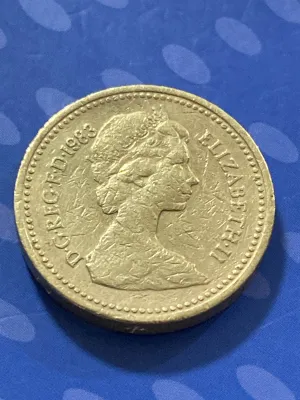
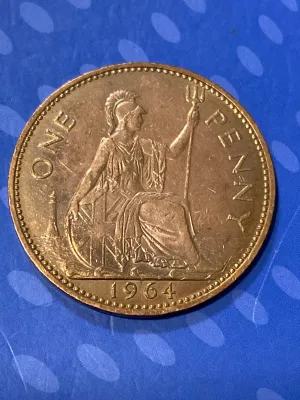
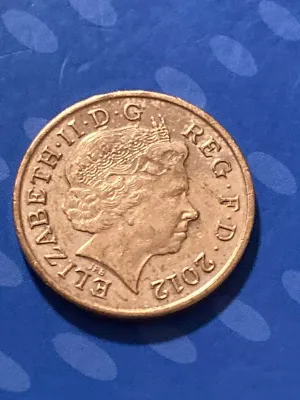
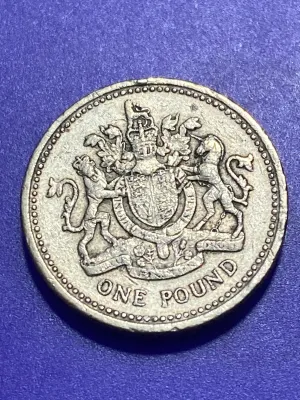
Prices are valid at publication and may change. Please refer to the product page for the latest price.
Stationery and Philatelic Goods
Philatelic items are among the most accessible and historically significant forms of royal memorabilia. Commemorative stamps, first-day covers (FDCs), and presentation packs issued by postal services offer a direct connection to major royal milestones, such as coronations, jubilees, and state events.
First-day covers typically feature a specially designed envelope, a set of commemorative stamps, and a postmark from the first day of issue. These envelopes often use high-quality, textured paper stock ranging from 100 gsm to 140 gsm to support the weight of the stamps and the postmark ink without warping. When evaluating these items, pay attention to the ink type used for the postmarks; official issues utilize highly stable, pigment-based black inks that resist fading and bleeding. If you plan to write a personal dedication on a commemorative envelope or presentation card, use an archival-grade pigment pen. Standard dye-based ballpoint or gel inks can bleed into the paper fibers over time or fade when exposed to light, so performing a small trial on a similar paper scrap is always recommended to verify drying speed and bleed resistance.
Ceramic Homeware and Display Pieces
Fine ceramics, particularly those made from fine bone china, are traditional staples of royal commemoratives. Official manufacturers produce limited-edition plates, teacups, saucers, and mugs decorated with the Royal Cypher, portraits, and intricate gold gilding.
Fine bone china is distinguished by its inclusion of tricalcium phosphate (bone ash), which gives the material its characteristic translucency, warm white color, and superior chip resistance compared to standard porcelain. Official commemorative ceramics often feature hand-applied 22-karat gold detailing. These pieces are designed primarily for display rather than daily utility; the delicate metallic gilding is sensitive to abrasive cleaners and cannot be used in microwaves. When purchasing ceramic display pieces, verify the dimensions to ensure they fit standard plate stands or display cabinets, which typically accommodate plates ranging from 20 cm to 27 cm in diameter.
Numismatic Collectibles
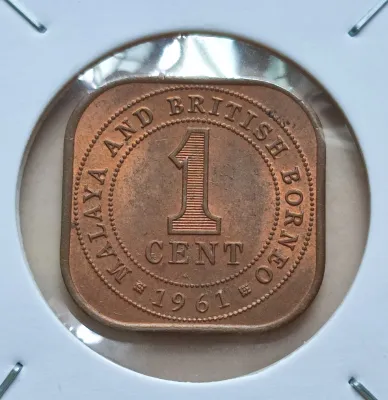
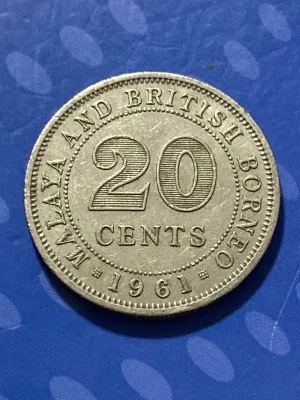
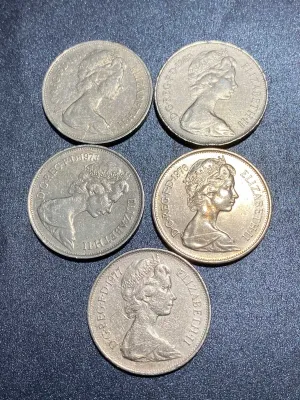
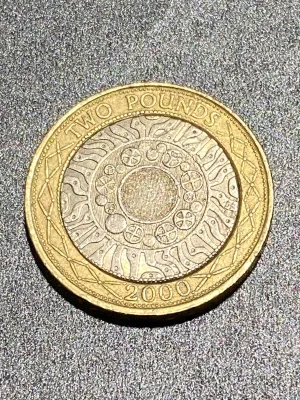
Commemorative coins and medallions issued by official mints, such as the Royal Mint in the United Kingdom or other Commonwealth mints, represent a highly secure and structured category of memorabilia. These items are released in various finishes, including brilliant uncirculated (BU) for general collecting and proof finishes for serious numismatists. Proof coins are struck multiple times using specially polished dies, resulting in a mirror-like background and frosted raised details. These coins are typically composed of sterling silver, fine gold, or cupronickel, and they are housed in protective acrylic capsules to prevent oxidation and physical handling damage.
Textiles and Wearable Accessories
For a more casual or practical gift, textile-based souvenirs offer a blend of utility and commemorative design. This category includes jacquard-woven tea towels, silk scarves, and heavy-duty canvas tote bags featuring printed royal motifs. High-quality textiles utilize natural fibers like 100% cotton or pure silk, which hold fabric dyes more vibrantly and resist degradation better than synthetic blends. When gifting these items, consider how they will be used; printed canvas totes are excellent for daily use, while silk scarves and woven tea towels are often framed or displayed as decorative wall hangings.
Verifying Authenticity and Royal Warrants
Because the market for royal memorabilia includes both official releases and unofficial novelty items, verifying the authenticity of a souvenir is crucial to ensuring its quality and long-term value. This is especially important when purchasing high-value items like fine china, coins, or vintage paper goods.

Identifying Royal Warrants
A Royal Warrant of Appointment is a mark of recognition issued to companies that have regularly supplied goods to the Royal Household. While a Royal Warrant does not make an item an official “commemorative” piece on its own, it indicates that the manufacturer meets exceptionally high standards of quality and craftsmanship.
Look for the official Royal Warrant coat of arms on the packaging or the underside of the product. The warrant text will typically read “By Appointment to…” followed by the name of the granting monarch. Many of the historic British ceramic and stationery manufacturers holding these warrants have produced official commemorative ranges for Queen Elizabeth II. Be aware that following the passing of a monarch, Royal Warrants are subject to review, but items produced during the transition period or featuring historic warrants remain highly collectible.
Certificates of Authenticity (COA)
For limited-edition coins, high-end ceramics, and rare philatelic presentation packs, a Certificate of Authenticity is a vital document. A genuine COA should be printed on high-quality, security-grade paper and include specific details:
- The official name of the issuing authority or manufacturer.
- A unique serial number that matches the number engraved on the item (if applicable).
- The exact specifications of the item, such as metal purity for coins or production limits for ceramics.
- Holographic security seals, watermarks, or authorized signatures.
Avoid purchasing high-value “limited-edition” items that lack their original packaging and certificates, as their resale value and historical provenance are significantly diminished without these verifications.
Distinguishing Official vs. Unofficial Merchandise
Official commemorative merchandise is authorized directly by the royal estate, official mints, or national postal services. These items feature precise design elements, high-quality materials, and official packaging. Unofficial merchandise is produced by independent manufacturers capitalizing on public interest. While some unofficial items are well-made and highly charming, others may use low-resolution images, poorly applied decals, or cheap materials.
To check the quality of printed graphics on ceramics or tinware, inspect the edges of the design under bright, natural light. Official items feature crisp, clear lines with no color bleeding or misalignment. On ceramics, the glaze should be completely smooth, with no bubbles, pinholes, or rough patches where the decals were applied.
Inspecting Vintage and Secondary-Market Items
When buying vintage memorabilia from older milestones, such as the 1953 Coronation or the 1977 Silver Jubilee, a physical inspection is essential to identify wear or damage:
- Ceramics: Check for crazing, which is a network of fine cracks in the glaze caused by moisture and temperature changes. Run a fingernail gently over the surface to detect hairline cracks that may not be easily visible. Tap the ceramic gently with a wooden pencil; a clear, ringing tone indicates a sound structure, while a dull thud suggests an internal crack.
- Paper Goods: Inspect stamps and first-day covers for foxing, which appears as rusty brown spots caused by fungal growth and iron oxidation in the paper fibers. Check the condition of the adhesive on unused stamps; original gum should be smooth and even, without signs of disturbance or hinging.
- Metals: Look for signs of improper cleaning on coins and medals. Harsh polishing can leave fine, hairline scratches on the metal surface, which severely reduces its numismatic value. Genuine vintage patina should be left undisturbed.
Sourcing Genuine Royal Souvenirs in Singapore
Finding authentic Queen Elizabeth II memorabilia in Singapore requires targeting specific retail channels rather than general gift shops, which primarily stock mass-produced tourist novelties.
Specialized Philatelic and Numismatic Dealers
For stamps, first-day covers, and commemorative coins, specialized dealers are the most reliable source. Singapore has a dedicated community of philatelists and numismatists, with several established shops located in central commercial complexes and heritage districts.
These dealers offer professionally graded items, ensuring that the condition of the stamps or coins is accurately represented. When visiting these shops, you can ask to view items under a magnifying loupe to inspect the perforations of stamps or the surface quality of coins. Dealers can also provide historical context regarding the rarity and origin of specific issues.
Antique Shops and Vintage Markets
For older, historical memorabilia, antique shops located in established shopping arcades (such as those around Tanglin Road) or weekend vintage markets are excellent places to explore. These venues often source items from estate sales or private collectors.
Shopping in person allows you to physically handle the items, verify their weight, and inspect them for damage before purchasing. It also provides an opportunity to discuss the provenance of the piece with the shop owner, who may have documented history regarding how the item arrived in Singapore.
Reputable Online Marketplaces and Auction Sites
If you prefer to search online, focus on specialized collector platforms and reputable e-commerce marketplaces that offer buyer protection. When navigating these platforms, follow strict safety guidelines:
- Verify Seller Ratings: Only purchase from sellers with high positive feedback ratings and a history of dealing in genuine collectibles.
- Request Detailed Photos: Do not rely on stock images. Ask the seller for clear, close-up photographs of the actual item, including the underside of ceramics (to see the maker's mark) and both sides of coins or stamps.
- Inquire About Provenance: Ask where the item was originally sourced and if it comes with original packaging or certificates.
- Review Return Policies: Ensure the platform or seller offers a clear return policy if the item arrives damaged or does not match the description.
Avoid general, unverified discount platforms or social media marketplaces where counterfeit or low-quality replica items are common and buyer protection is minimal.
Gifting and Preserving Your Royal Collectibles
Once you have acquired a genuine piece of memorabilia, proper presentation and preservation are essential to maintaining its physical condition and aesthetic appeal, especially under local environmental conditions.
Packaging and Presentation for Gifting
If you are presenting a commemorative item as a gift, choose packaging that protects the item while highlighting its historical significance. For fragile ceramics, use a rigid gift box lined with custom-cut foam or acid-free tissue paper to prevent movement during transit. Avoid using standard adhesive tape directly on any collectible surface or its original packaging, as the adhesive can leave permanent residues or tear paper fibers. For stamps or first-day covers, present them in a high-quality, archival-safe presentation folder or a minimalist frame with UV-protective glass.
Navigating Singapore's Humid Climate
Singapore’s tropical climate, characterized by high relative humidity (often exceeding 80%) and consistent warmth, poses a significant threat to collectibles. High humidity accelerates the degradation of paper, causes metals to tarnish, and encourages the growth of mold and mildew on textiles and wood.
To protect your items, implement these environmental controls:
- Dehumidification: Store valuable paper goods, stamps, and coins in a dedicated electronic dry cabinet or a sealed container with renewable silica gel packs. Aim to maintain a relative humidity level between 35% and 50% inside the storage container.
- Temperature Stability: Keep collectibles in a temperature-controlled room away from air conditioning vents, which can cause rapid temperature fluctuations and condensation.
- Light Protection: Avoid displaying paper items, textiles, or colored ceramics in direct sunlight. Ultraviolet (UV) rays cause rapid, irreversible fading of inks, dyes, and paper fibers. Use UV-filtering glass or acrylic if you plan to frame and display stamps or documents.
Archival Storage Materials
When storing stationery, stamps, and documents, always use archival-quality materials. Standard plastic sleeves made from polyvinyl chloride (PVC) release harmful acidic plasticizers over time, which can cause paper to turn yellow, stick to the plastic, and ruin printed inks.
Instead, opt for storage accessories made from chemically inert plastics such as polyester (Mylar), polypropylene, or polyethylene. Ensure that any albums, binders, or mounting corners are explicitly labeled as “acid-free” and “lignin-free.” For coins, use airtight acrylic capsules rather than cardboard coin flips, which may contain sulfur compounds that accelerate tarnishing.
Frequently Asked Questions (FAQ)
Are Queen Elizabeth II souvenirs still being produced?
While official commemorative items specifically marking new events in her reign have ceased following her passing, existing retail stock, estate collections, and previously issued items remain widely available on the secondary market. Some official manufacturers and mints have also released final, retrospective memorial collections to honor her historic reign. The availability and market value of these limited-edition pieces can fluctuate based on collector demand, making it important to purchase from reputable dealers who price items realistically based on condition and rarity.
How should I store commemorative stamps and paper souvenirs?
To preserve paper-based memorabilia in Singapore’s humid climate, store them in archival-quality, acid-free, and lignin-free sleeves or albums made from inert plastics like polyester (Mylar) or polypropylene. Keep these albums in a cool, dark place away from direct sunlight and moisture. Using a dry box or incorporating silica gel packs into your storage containers is highly recommended to keep relative humidity levels low, which prevents mold growth, paper warping, and the development of brown foxing spots.
Community discussion
Share your experience or ask a question. Comments are reviewed before publication.