
Expressing gratitude through a physical thank you card carries a tactile weight that digital messages simply cannot replicate. In Singapore, where personal milestones, corporate networking, and festive celebrations frequently call for formal or heartfelt appreciation, finding the right card requires balancing design variety with material quality. Whether you are thanking a business client, a wedding guest, or a helpful neighbor, the physical presentation of your card speaks volumes before the recipient even reads your handwritten words. To make an informed choice, you must understand how to evaluate paper stocks, navigate the diverse landscape of local and international stationery brands, and select the most suitable purchasing channels to suit your timeline and budget.
How to Evaluate Thank You Card Quality and Design
Paper weight is measured in grams per square meter (GSM). For a card that feels substantial and premium, look for cardstock that is at least 250 GSM, with 300 GSM to 350 GSM being the ideal range for standalone greeting cards. Heavyweight paper prevents the card from bowing when stood upright on a desk or shelf and ensures that ink from heavy-flowing pens does not bleed through to the other side. Texture also plays a critical role; options range from ultra-smooth hot-pressed papers to textured cold-pressed, linen, or felt-finish cardstocks that offer a distinct tactile experience.
Printing techniques greatly influence the visual impact of a thank you card. Foil stamping adds a metallic, reflective sheen—often in gold, silver, or rose gold—that catches the light beautifully and elevates the card’s formality. Embossing and debossing create raised or recessed designs in the paper, providing a three-dimensional texture that invites touch. When choosing between matte and glossy finishes, consider where you will write your message; while a glossy exterior can make colorful illustrations pop, the interior should remain matte or uncoated to allow for smooth, smudge-free handwriting.
Products mentioned in this guide
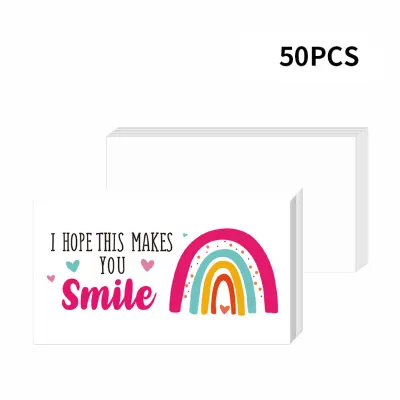
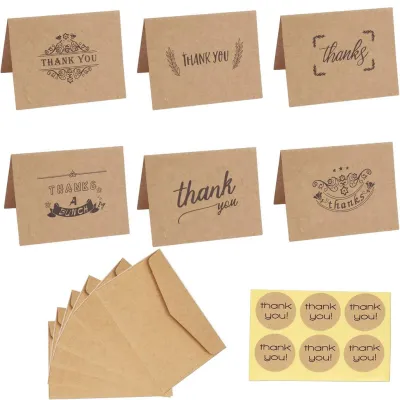
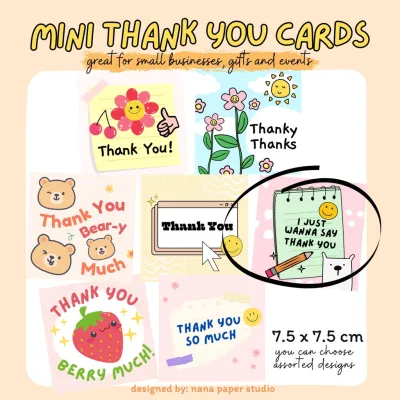
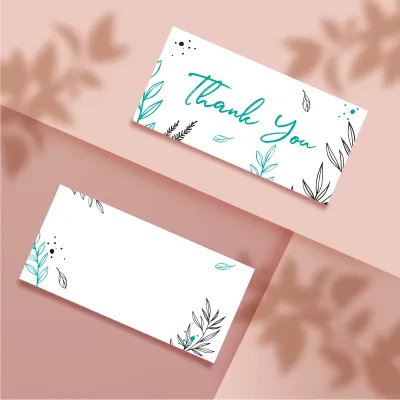
![[MIN 3 CARDS] 🇸🇬SG Farewell Colleagues Office Thank You Card Special Funny Editions Message Greeting Card](https://img.lazcdn.com/g/ff/kf/S86bba52823c4435db8ceee3b5ac78775I.jpg_400x400q80.jpg_.webp)
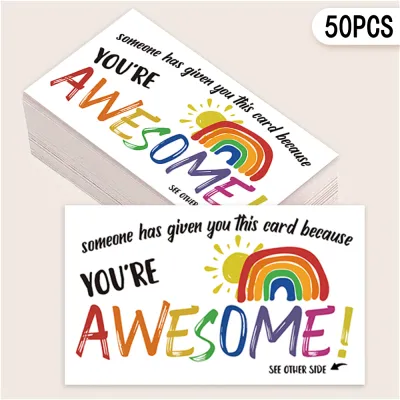
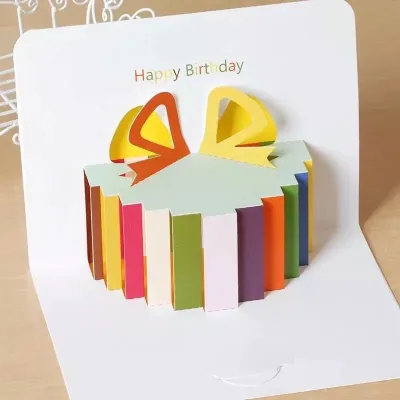
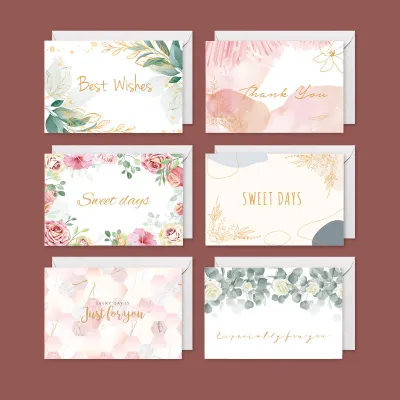
Prices are valid at publication and may change. Please refer to the product page for the latest price.
The envelope is the first point of contact for your recipient and should never be an afterthought. A high-quality envelope should feature a paper weight of at least 100 GSM to 120 GSM, ensuring it is opaque enough to keep your message private and sturdy enough to protect the card during transit. Look for clean, precise folds, secure seams, and reliable sealing methods, such as traditional gummed flaps that require moisture or convenient peel-and-seal adhesive strips. Some premium envelopes also feature inner linings with contrasting colors or patterns, adding an extra layer of elegance to the opening experience.
Design versatility ensures that the card’s aesthetic aligns with the tone of your gratitude. Typography, color palettes, and illustration styles should be evaluated based on the occasion. For instance, formal events benefit from classic serif fonts, neutral or pastel tones, and minimalist layouts, whereas casual thank you cards can embrace bold hand-lettering, whimsical illustrations, and vibrant color schemes. Assessing these design elements helps you build a versatile stationery collection that can adapt to various personal and professional scenarios.
Categories of Thank You Card Brands to Explore
Singapore’s stationery market offers a rich mix of local creativity, global publishing standards, and modern digital customization. Understanding the strengths of each brand category allows you to match your specific aesthetic preferences, volume requirements, and budget to the right provider. Whether you seek a one-of-a-kind artistic creation or a large batch of uniform corporate cards, exploring these distinct categories will streamline your search.

Local Independent Stationery and Art Brands
Locally designed thank you cards often feature unique, culturally resonant illustrations that celebrate local heritage, landmarks, tropical flora, or colloquial humor. These cards are typically produced in small batches by independent artists and boutique design studios, offering a level of charm and individuality that mass-produced cards cannot match. You can find these artisanal options at local craft markets, independent boutique shops, and curated online storefronts.
When purchasing from independent creators, keep in mind that stock levels may be limited, and slight variations in paper texture or color may occur between print runs. This is a natural characteristic of small-batch production rather than a defect. Supporting local designers not only provides you with highly distinctive cards but also contributes to the growth of the local creative community.
International Greeting Card Publishers
For those who value consistency, standardized quality, and a vast array of design choices, established international greeting card publishers are an excellent option. These brands utilize high-volume, precision printing processes that ensure every card in a specific line is identical in color, size, and paper weight. Their catalogs cover a broad spectrum of themes, ranging from elegant floral patterns and sophisticated modern graphics to humorous illustrations and milestone-specific designs.
These cards are widely distributed across Singapore and can be easily found in major bookstores, department stores, and specialty gift shops. Because they adhere to international sizing standards, finding matching envelopes or mailing accessories is straightforward. This predictability makes international publishers a highly reliable choice for standard personal correspondence.
Online Customization and Print-on-Demand Platforms
When you need to incorporate specific branding, personal photographs, or customized text, online print-on-demand platforms offer unparalleled flexibility. These digital services provide user-friendly design interfaces with pre-made templates that you can easily modify to suit your needs. They are particularly useful for corporate events, weddings, or large-scale personal milestones where a uniform, personalized aesthetic is required.
Before placing a large order, it is crucial to review the platform’s paper stock options, as many offer choices ranging from standard matte to premium recycled or textured finishes. Additionally, always verify the shipping timelines, packaging methods, and delivery fees to Singapore. Ensuring that your cards will arrive in pristine condition well before your event requires careful planning and clear communication with the platform’s customer service.
Where to Purchase Thank You Cards in Singapore
Deciding where to buy your thank you cards depends on how quickly you need them, whether you require a hands-on inspection of the materials, and the volume of cards you wish to purchase. Both physical retail stores and digital platforms offer distinct advantages that cater to different shopping preferences.
Physical Stationery, Book, and Gift Shops
Shopping in person at physical retail outlets allows you to conduct a thorough tactile assessment of the cards before making a purchase. You can feel the weight and stiffness of the cardstock, run your fingers over textured finishes, and observe the true colors of the ink under natural or store lighting, which can sometimes differ from how they appear on a digital screen.
In-store shopping also lets you verify that the card fits snugly into its accompanying envelope and that the envelope’s adhesive is intact. This channel is ideal for immediate, last-minute needs, as it eliminates shipping wait times and the risk of transit damage. Furthermore, retail staff can often assist you in finding matching accessories, such as wax seals or specialty pens.
E-commerce Platforms and Official Brand Websites
Online shopping channels, including official brand websites and curated e-commerce platforms, provide access to an extensive global inventory that physical stores simply cannot match. To ensure a successful online purchase, read the product descriptions meticulously, looking for specific details such as the paper’s GSM rating, exact dimensions, and whether envelopes are included in the package.
Peruse customer reviews to gauge real-world feedback on print clarity, color accuracy, and how securely the seller packages the items to prevent bent corners or moisture damage during shipping. It is also wise to check the seller’s return and refund policies in case the cards arrive damaged or do not match the advertised specifications. This method is highly efficient for sourcing niche designs or purchasing bulk packs at competitive rates.
Matching the Card to Your Message and Recipient
The impact of your thank you card relies heavily on how well its physical design matches the tone of your written message and the relationship you share with the recipient. For formal or corporate appreciation, opt for minimalist designs, clean typography, and high-quality neutral cardstock in shades of white, cream, navy, or charcoal. Subtle branding or a simple foil-stamped message on the cover conveys professionalism and respect without distracting from the content of your note.
For personal and casual expressions of gratitude, you have much more creative freedom to select vibrant illustrations, playful hand-lettered fonts, and textured, artisanal papers that reflect your personality. These cards can be warm, colorful, and even humorous, helping to reinforce close personal bonds with friends, family, or colleagues. Matching the visual style to the recipient’s taste shows an extra layer of thoughtfulness.
Regardless of the design, handwriting compatibility is a critical factor that directly affects the readability and neatness of your message. Before writing your full message, perform a quick ink test on an inconspicuous area of the card, such as the back cover or the inside fold. Matte and uncoated paper surfaces are highly compatible with gel pens, fountain pens, and rollerballs, as they absorb ink quickly and resist smudging.
Conversely, glossy or coated surfaces tend to repel water-based inks, leading to smearing; for these finishes, a standard ballpoint pen or a quick-drying permanent fine-liner is recommended. Always allow the ink to dry completely before folding the card or placing it inside the envelope to prevent transfer. Taking these small precautions ensures your message remains legible and pristine.
Frequently Asked Questions (FAQ)
What paper weight is best for thank you cards to prevent ink bleeding?
To prevent ink from bleeding through or feathering on your thank you cards, look for cardstock with a paper weight of at least 250 GSM, with 300 GSM or higher being the standard for premium stationery. The thickness of the paper is only part of the equation; the paper’s finish and sizing also dictate how it interacts with ink. Matte, uncoated, or lightly textured papers are ideal for liquid inks like those from fountain pens or gel pens, as they absorb the ink evenly. If you are dealing with glossy or highly coated cardstock, stick to standard ballpoint pens, which use oil-based inks that dry through evaporation rather than absorption. If you are unsure of the paper’s specifications, always test your pen on a small, hidden corner of the card first to observe the drying speed and bleed resistance.
Can I buy thank you cards in bulk for corporate events in Singapore?
Yes, purchasing thank you cards in bulk for corporate events, weddings, or large-scale promotions is highly feasible in Singapore through official brand websites, local commercial printing services, and specialized stationery suppliers. When planning a bulk order, it is highly recommended to contact the supplier directly to request physical samples or a sample kit, allowing you to verify the paper weight, print resolution, and envelope quality firsthand before committing to a large financial outlay. Be sure to confirm the production and delivery timelines, factoring in potential shipping delays if the cards are being printed overseas. Once your bulk order arrives, store the cards in a cool, dry, air-conditioned environment or inside airtight plastic containers with silica gel packets; Singapore’s high relative humidity can cause uncoated cardstock to warp, colors to fade, and envelope adhesives to degrade or stick prematurely if left exposed to the air.
Community discussion
Share your experience or ask a question. Comments are reviewed before publication.