
Finding the perfect Teacher’s Day card in Singapore involves balancing aesthetic appeal with physical quality and writing compatibility. Whether you prefer the convenience of international stationery brands, the unique charm of local independent illustrators, or the personalization of online platforms, selecting a card requires looking closely at paper specifications and design details. By understanding what makes a card durable and how different paper types interact with your writing instruments, you can ensure your message of appreciation is preserved beautifully.
This guide outlines the essential criteria for evaluating greeting card designs, where to source them in Singapore, how to verify their physical quality, and how to match specific card styles to different teacher profiles.
Key Criteria for Evaluating Teacher's Day Card Designs
Paper Weight and Tactile Texture
The physical weight of a greeting card is the first indicator of its quality. Paper weight is measured in GSM (grams per square meter). Standard printer paper typically ranges from 70 to 80 GSM, which is far too flimsy for a keepsake card. For a premium, durable feel, look for cards printed on cardstock that is at least 250 to 350 GSM. This thickness ensures the card can stand upright on a teacher’s desk without bending, warping, or sagging over time.
Products mentioned in this guide
![[SG SELLER] Mini Teachers Day Cards Custom Teachers Day Gift Card Mini Card Customised Thank You Cards Tags](https://img.lazcdn.com/g/p/dd7be998920fe274da8fbcb157d37b58.jpg_400x400q80.jpg_.webp)
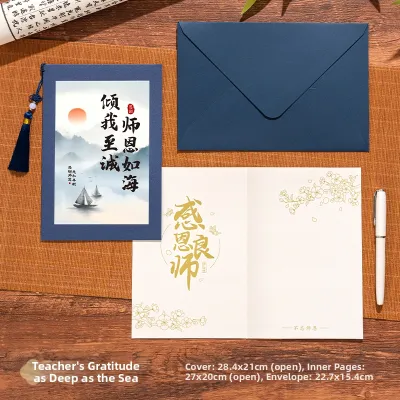
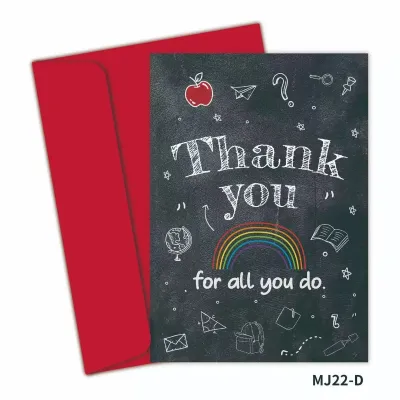
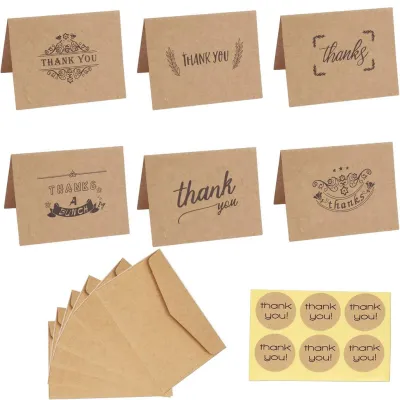
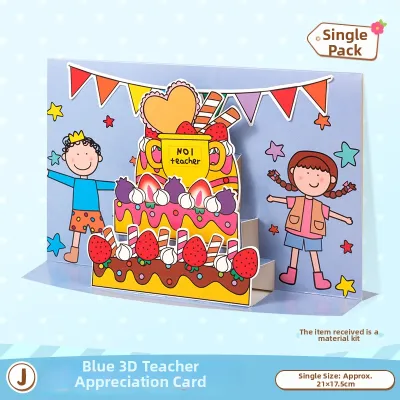
Prices are valid at publication and may change. Please refer to the product page for the latest price.
The texture and finish of the paper also play a significant role in both the card’s appearance and its usability. Matte finishes offer a classic, glare-free look and are highly receptive to most writing inks. Glossy finishes make illustrations and photographs pop with vibrant colors, but they can be highly reflective and difficult to write on without specialized pens. Textured papers, such as linen, laid, or felt-marked cardstock, add a tactile dimension that immediately signals premium craftsmanship.
Design Themes and Visual Appeal
Design themes should align with the tone of your message. Minimalist and elegant designs often feature clean layouts, sophisticated color palettes, and ample white space, making them ideal for formal or highly respectful messages. Illustrative and heartfelt designs use hand-drawn elements, warm characters, or floral motifs to convey a sense of personal warmth and gratitude. When selecting a design, consider how the visual elements complement the words you plan to write inside.
Manufacturing and Embellishment Details
Thoughtful manufacturing details can elevate a simple card into a memorable keepsake. Look for embellishments such as hot foil stamping, which adds metallic gold, silver, or rose gold highlights to text and borders. Embossing and debossing create raised or recessed physical patterns in the paper, adding depth that you can feel. Additionally, inspect the printing resolution; high-quality cards feature sharp, crisp lines and smooth color gradients without any visible printing dots, pixelation, or color bleeding.
Envelope Construction and Fit
A premium greeting card is incomplete without a matching, well-constructed envelope. The envelope should have a paper weight of at least 100 to 120 GSM to ensure it is opaque enough to keep your message private and sturdy enough to protect the card during handling. It should fit the card snugly, leaving about 2mm to 3mm of clearance on each side. An envelope that is too tight can bend the corners of the card, while one that is too loose allows the card to slide around, potentially damaging the edges.
Where to Find Reliable Card Brands in Singapore
International Stationery Brands
For classic, widely available designs, international stationery brands offer consistent manufacturing standards and traditional formats. These cards are readily available in major physical bookstores, department stores, and lifestyle shops across Singapore. Because these brands produce cards on a large scale, you can expect highly reliable stock levels, standardized sizing, and professional printing quality. They are an excellent choice if you need a polished, conventional card with a time-tested message of appreciation.

Local Independent Artists and Boutiques
If you prefer a highly personal and distinctive touch, Singapore’s local design scene offers a wealth of creative options. Many local illustrators and independent boutiques design cards featuring Singapore-specific humor, local food illustrations, and school-life references that resonate deeply with local educators. Sourcing from local artists not only provides you with a unique design that stands out from mass-produced options but also supports the local creative community. These cards are typically found in independent design shops, creative retail spaces in central districts, or directly through the artists’ online storefronts.
Online Customization Platforms
For those who want to add a highly personalized element, such as a class photo, the teacher’s name, or a custom-printed message, online print-on-demand services and digital marketplaces are excellent resources. These platforms allow you to upload your own designs or customize existing templates to create a truly one-of-a-kind card. When using online customization platforms, it is essential to verify the seller’s production capabilities, read customer reviews regarding print alignment, and request a digital proof before finalizing your order to ensure the final product matches your expectations.
How to Verify Card Quality and Paper Compatibility
Reviewing Product Specifications
When shopping online or browsing physical catalogs, always check the listed product specifications. Look for exact dimensions (such as standard A6 or 5×7 inch formats) and material composition. High-quality brands will explicitly state the paper GSM and whether they use specialty materials, such as acid-free paper or FSC-certified cardstock. Acid-free paper is particularly important for keepsakes, as it prevents the card from yellowing or degrading over time.
Testing Writing Instrument Compatibility
Because a Teacher’s Day card relies heavily on your handwritten message, verifying paper compatibility with your writing instruments is crucial. Smoothness, bleed resistance, drying speed, and water resistance depend entirely on the exact combination of paper fibers and ink type. If you are purchasing cards in bulk or have a specific pen you wish to use, perform a trial write on a scrap piece of the same paper or in an inconspicuous area of the card.
Matte, uncoated, or cotton-blend papers absorb ink quickly, making them highly compatible with fountain pens, gel pens, and rollerballs, as they minimize the risk of smudging. Conversely, coated, glossy, or metallic-foiled papers do not absorb water-based inks well. If you write on a glossy surface with a standard gel pen, the ink may pool, feather, or smear easily. For these surfaces, opt for fast-drying ballpoint pens or specialized permanent fine-liners, and allow the ink to dry completely before folding or inserting the card into its envelope.
Assessing Envelope Fit and Seal Quality
Examine the envelope’s construction details before purchasing. A high-quality envelope features clean, symmetrical folds and a reliable sealing mechanism. Look for options with a peel-and-seal adhesive strip, which provides a secure bond without the need for moisture, or a high-quality wet-and-seal gummed flap. Ensure the paper is thick enough to prevent tearing if you plan to include small enclosures, such as a bookmark or a flat gift card.
Evaluating Customer Reviews and Packaging
When buying cards online, pay close attention to customer reviews that specifically mention packaging quality and print accuracy. Cards should be shipped in rigid, bend-resistant mailers or protective plastic sleeves to ensure they arrive in pristine condition. Reviews that highlight vibrant colors, accurate cutting, and secure packaging are strong indicators of a reliable brand and a safe shipping process.
Matching Card Styles to Different Teacher Profiles
Formal and Administrative Profiles
For school principals, vice-principals, or senior educators with whom you have a more formal relationship, opt for elegant, minimalist, or typography-focused designs. Neutral color palettes, classic calligraphy, and subtle gold foil accents convey respect and professional appreciation without feeling overly familiar. Keep the message inside concise, polite, and focused on their leadership and dedication to the school community.
Creative and Subject-Specific Profiles
For teachers who lead creative subjects, sciences, or sports, look for cards that incorporate relevant illustrative motifs. A card featuring vintage laboratory glassware for a chemistry teacher, musical notation for a music instructor, or literary quotes for an English literature teacher shows that you have paid attention to their specific passion and role in your education. These designs feel highly personalized and demonstrate thoughtful effort in matching the card to the recipient.
Mentors and Younger Educators
If you share a close, supportive mentorship with a teacher or are writing to a younger educator who appreciates a relaxed classroom environment, a lighthearted or humorous card is highly appropriate. Playful illustrations, gentle puns, or pop-culture references can make the message feel warm, approachable, and memorable. Ensure the humor remains respectful and suitable for a school environment while reflecting the genuine bond you share.
Multi-Pack Collections for Multiple Teachers
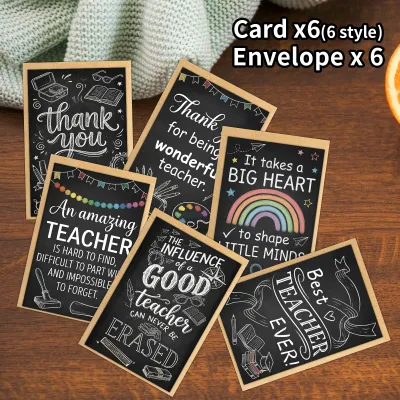
If you are a student or a parent preparing cards for multiple subject teachers, purchasing individual premium cards can quickly become expensive and time-consuming. Many reliable stationery brands offer cohesive multi-pack collections. These sets provide a unified design theme while offering slight variations in color or wording, allowing you to write personalized messages to several teachers while maintaining a consistent standard of quality and staying within a reasonable budget. Multi-packs typically offer excellent value, with sets of five to ten cards often priced economically compared to individual purchases.
Frequently Asked Questions (FAQ)
What is the standard size for a greeting card and how does it affect postage?
The most common standard sizes for greeting cards are A6 (approximately 105mm x 148mm) and 5×7 inches (approximately 127mm x 178mm). These sizes fit perfectly into standard envelopes and are highly compatible with local postal services in Singapore. When mailing a card, ensure it fits within the standard letter dimensions and weight limits (typically under 20 grams for basic local postage) to avoid additional postage fees or delivery delays. Heavy embellishments, thick cardstock, or oversized envelopes may classify the card as a non-standard letter, requiring higher postage rates.
How far in advance should I order custom Teacher's Day cards online?
For customized or print-on-demand Teacher’s Day cards, it is best to place your order at least two to three weeks in advance. This timeline accounts for a production lead time of two to four business days and local shipping, which typically takes three to five business days. Ordering early is especially important during peak school seasons, as high demand can lead to processing bottlenecks, and unexpected shipping delays or public holidays could otherwise prevent your cards from arriving before the school celebration.

Community discussion
Share your experience or ask a question. Comments are reviewed before publication.