
Finding the perfect teacher appreciation card in Singapore requires balancing thoughtful design, tactile quality, and a message that genuinely resonates. Whether you are preparing for Teachers’ Day or marking the end of an academic term, a well-chosen card serves as a lasting keepsake that educators often treasure for years. The local market offers a diverse array of options, ranging from premium imported stationery brands found in specialty boutiques to bespoke creations crafted by independent local designers on online marketplaces. By focusing on key material standards and matching the card’s tone to the recipient, you can select a card that stands out and conveys your sincere gratitude.
What to Look for in a Quality Teacher Card
To ensure your card conveys the respect and appreciation you intend, pay close attention to its physical construction. The tactile experience of holding a card is the first impression it makes, and high-quality materials immediately signal that care went into the selection.
Begin by evaluating the paper weight, which is typically measured in grams per square meter (GSM). A premium greeting card should ideally use cardstock that is at least 250 GSM, though 300 GSM or higher provides a much sturdier, luxurious feel that prevents the card from bending or warping when displayed on a desk. Texture also plays a significant role; look for options like felt-marked, linen, or cotton-blend papers that offer a subtle tactile depth, or a smooth matte finish that resists fingerprint smudges and accepts ink beautifully without smearing.
Products mentioned in this guide
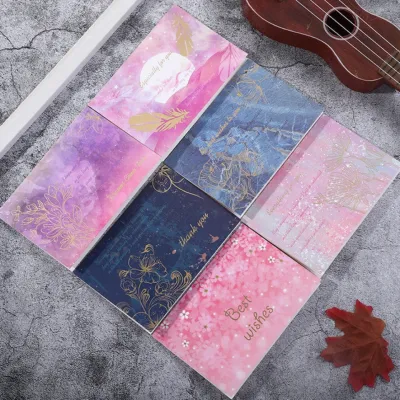
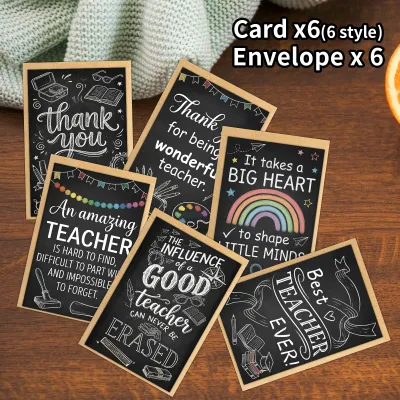
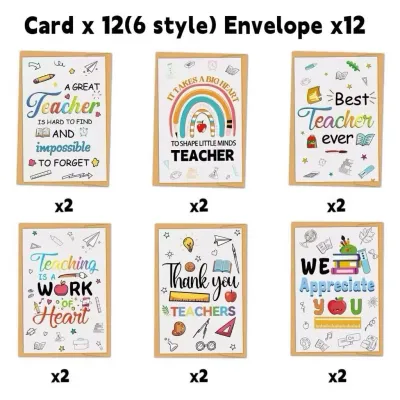
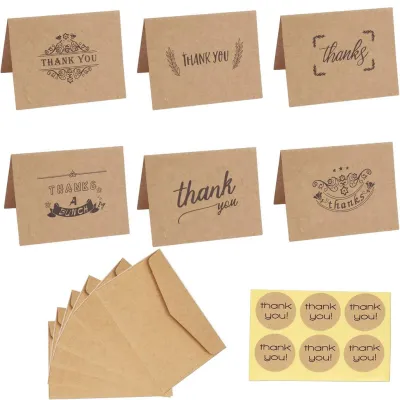
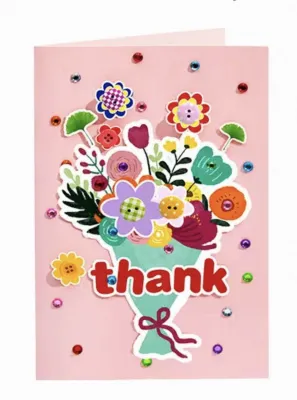
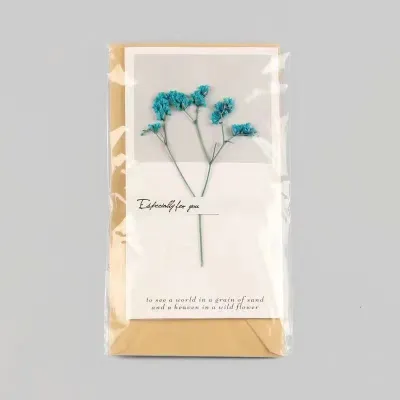
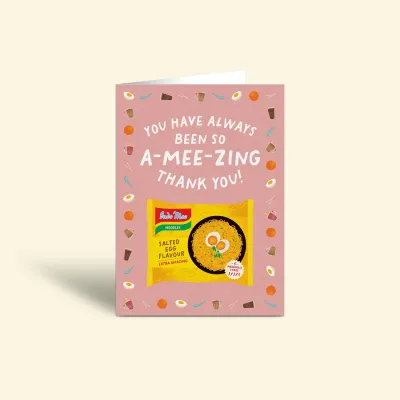
![[SG Seller] Cute Floral Aesthetic Thank You Cards Small Business Packaging Customer Appreciation Inserts Teachers](https://img.lazcdn.com/g/p/8c93e2fa1ebda49573d5c6607d86632e.jpg_400x400q80.jpg_.webp)
Prices are valid at publication and may change. Please refer to the product page for the latest price.
Next, examine the printing and embellishment details under good lighting. High-quality cards feature crisp, sharp text alignment and vibrant color saturation without any visible pixelation or color bleeding. Premium brands often incorporate specialized finishing techniques such as foil stamping—where metallic foil is heat-pressed onto the paper—or embossing, which creates a raised, three-dimensional texture. Ensure these elements are cleanly aligned with the printed design, as misaligned foil or shallow embossing can make an otherwise beautiful card look rushed or cheap.
The presentation of the card is incomplete without its accompanying envelope and protective packaging. A quality card should always come with a matching envelope made from thick, opaque paper (ideally 100 GSM or higher) so the contents remain private. Look for envelopes with elegant flap designs, such as a classic deep V-flap or a modern square flap, and check if they feature a peel-and-seal strip or high-quality adhesive. Additionally, cards sold individually should be protected by a clear, biodegradable sleeve to prevent dust, moisture, or fingerprints from damaging the paper before it reaches the teacher.
Finally, read any pre-printed messages carefully to evaluate their tone and sincerity. The best pre-printed sentiments are warm, respectful, and open-ended, leaving ample blank space for you or your child to write a personalized note. Avoid cards with overly generic, repetitive phrases or messages that feel clinical; instead, seek out designs that express genuine gratitude for guidance, patience, and inspiration.
Where to Source Reliable Card Brands and Designs
Singapore offers a vibrant retail landscape for stationery enthusiasts, making it easy to find beautiful cards if you know where to look. Depending on your timeline, budget, and desire for customization, you can choose between physical retail stores and digital platforms.

Specialty Stationery and Bookstores
For those who prefer to feel the paper texture and inspect the print quality in person, specialty stationery boutiques and established bookstores are excellent starting points. Many of these physical stores curate dedicated seasonal displays in the weeks leading up to major school milestones, making it convenient to browse a wide selection of teacher-themed designs in one visit.
When navigating local stationery chains and the gift sections of major bookstores, you will often find a mix of exclusive in-house brands and imported premium labels from renowned international paper goods companies. These retail spaces allow you to compare different paper finishes and sizes side-by-side, ensuring you find a card that matches your expectations. Additionally, store associates in specialty boutiques can often guide you toward unique, high-end brands that specialize in sustainable paper sourcing or hand-painted illustrations, providing a level of curation that is hard to replicate online.
Independent Designers and Online Marketplaces
If you are looking for unique, highly creative, or customizable options, digital platforms and online marketplaces offer an unparalleled selection of designs from independent local creators. These platforms allow you to support local artists who often produce small-batch greeting cards featuring charming, Singapore-specific illustrations or witty educational humor that you won’t find in mass-market stores.
When shopping on online marketplaces, it is essential to read customer reviews, examine uploaded photos of the physical product, and carefully check the seller’s material descriptions to verify the paper weight and print quality. Pay close attention to shipping origins and estimated delivery lead times, especially if you are ordering close to the end of the school term. Opting for local independent designers who ship directly from Singapore can significantly reduce transit times and minimize the risk of your cards being bent or damaged during long-distance international shipping.
Matching the Design and Message to the Teacher
A card becomes far more meaningful when its design and message are tailored to the specific role, subject, or personality of the educator. Moving away from generic, mass-produced motifs shows that you have taken the time to observe and appreciate the teacher’s unique contribution to your or your child’s education.
Consider choosing subject-specific motifs that reflect what the teacher actually teaches, rather than relying on the classic, overused apple or blackboard imagery. For a science teacher, a card featuring subtle laboratory glassware or planetary illustrations can be highly engaging; for an art teacher, a design showcasing watercolor palettes or sketch lines is fitting; and for a literature teacher, a card adorned with elegant calligraphy or classic book stacks is a thoughtful nod to their passion. These specific visual cues demonstrate a deeper level of thoughtfulness and make the card a personalized keepsake.
It is also important to adjust the overall tone of the card based on the teacher’s role and the grade level they teach. A formal, elegant card with gold foil accents and a respectful, sophisticated message is highly appropriate for a school principal, vice-principal, or secondary school tutor. Conversely, a bright, cheerful design with playful illustrations or interactive elements is perfect for a preschool or primary school teacher, reflecting the energetic and nurturing environment of early childhood education.
While humor can be a wonderful way to connect, exercise caution when selecting cards with comedic or highly casual messages. Humorous cards should always remain respectful and avoid inside jokes that might be misunderstood or clichés that downplay the professionalism of teaching. If you are unsure how a humorous message will be received, it is safest to choose a warm, classic design that focuses purely on gratitude and admiration.
Enhancing the Card with Personal and DIY Touches
Even the most beautiful store-bought card can be elevated into a cherished memento with a few thoughtful, personal additions. Taking the time to customize the card and its presentation transforms a simple gesture of appreciation into a deeply personal keepsake.
The most critical element of any card is the handwritten message inside. Instead of simply writing “Thank You,” structure your message to highlight specific instances of the teacher’s support, patience, or encouragement. You can begin by thanking them for a specific lesson or project that sparked curiosity, describe how their guidance helped overcome a particular academic challenge, and conclude with a warm wish for their future. If a young child is giving the card, encourage them to write their own name or draw a small picture, which adds an irreplaceable touch of sincerity.
You can also attach small, flat keepsakes to the inside of the card or tuck them into the envelope to add a delightful surprise. Pressed flowers, a small bookmark made from textured paper, or a piece of original student artwork are excellent choices that do not add bulk or require extra postage. These small additions show a high level of effort and provide the teacher with a functional or decorative item they can keep on their desk or use in their daily reading.
Finally, use basic craft supplies to customize the envelope or add subtle interactive elements to the card itself. You can use decorative washi tape to seal the envelope flap, apply a classic wax seal for an elegant touch of old-world charm, or use calligraphy pens to write the teacher’s name on the front. If you enjoy crafting, you can even add a small pop-up element inside the card or create a custom border using patterned paper, making the presentation as memorable as the message itself.
Budgeting and Coordinating Class-Wide Gifts
When organizing teacher appreciation gestures, especially within a large classroom setting, budgeting and coordination are key to ensuring a smooth, stress-free process for parents and students alike.
Setting a reasonable budget per card is an excellent way to keep costs manageable, especially if you need to buy cards for multiple subject teachers, co-curricular activity instructors, and school staff. A budget of S$2 to S$5 per card is generally sufficient for high-quality, beautifully printed options. To maximize value, look for multi-pack card sets offered by reputable stationery brands; these sets often feature cohesive designs at a lower cost per unit, allowing you to distribute premium cards to all of your teachers without exceeding your budget.
If you are coordinating a class-wide gift, purchasing cards in bulk can help ensure design consistency and save on shipping fees. Work with other parents or student representatives to select a unified theme or brand, and place a single order well in advance of the presentation date. This collective approach not only reduces individual costs but also ensures that every teacher receives a card of equal quality, fostering a sense of unity and shared appreciation from the entire class.
When organizing a single card for a large group or class to sign, choose a larger format card—such as an A5 or A4 folding card—to ensure there is enough space for everyone to write a brief message without overcrowding. To keep the presentation neat, consider using a signature collection strategy: draw light pencil guidelines for signees to follow, or have students write their messages on small, uniform pieces of colored paper that can be neatly pasted inside the card in a mosaic pattern. This keeps the final product looking organized, legible, and professional.
Frequently Asked Questions (FAQ)
How far in advance should I order custom or personalized teacher cards? (FAQ)
For custom or personalized cards, it is best to place your order at least three to four weeks before you plan to present them. This timeline allows independent designers sufficient time to draft, print, and package your custom order. If you are ordering from online marketplaces that ship internationally, factor in potential customs delays and transit times. Having a buffer of at least one week before the school term ends ensures you have ample time to address any printing errors or shipping damages without stress.
Is it appropriate to give a digital card instead of a physical one? (FAQ)
While physical cards remain the traditional and preferred choice for their tactile value and keepsake quality, digital cards are highly appropriate in specific scenarios, such as remote learning environments or last-minute situations. To make a digital card feel personal and less automated, avoid generic templates; instead, customize it with a collaborative video message from the class, digital drawings by the students, or a highly detailed, personalized email that expresses deep gratitude.

Community discussion
Share your experience or ask a question. Comments are reviewed before publication.