
A greeting card is far more than a simple piece of folded paper; it is a physical vessel for personal sentiment, gratitude, and celebration. In an increasingly digital world, receiving a tangible card carries a distinct emotional weight, making the quality of the card itself a crucial part of the message. When searching for greeting cards in Singapore, the sheer variety of options—ranging from mass-produced convenience cards to hand-pressed artisanal creations—can make it challenging to identify which options truly offer the best quality for your specific needs. Selecting the right card requires an understanding of paper engineering, printing craftsmanship, and how different materials interact with writing instruments. By focusing on key physical indicators of quality, you can confidently choose cards that not only look exceptional but also stand the test of time as cherished keepsakes.
How to Identify High-Quality Greeting Cards
To distinguish premium greeting cards from standard, mass-market alternatives, you must look closely at the physical properties of the paper. The most immediate indicator of quality is paper weight, measured in grams per square meter (GSM). Standard greeting cards typically range from 200 to 250 GSM, which can feel flimsy or bend easily under their own weight. High-quality cards generally utilize cardstock of 300 GSM or higher, providing a reassuring stiffness and structural integrity when stood upright on a shelf or mantelpiece.
Beyond weight, the fiber composition of the paper dictates its texture and tactile appeal. Standard cardstock is made from wood pulp, which is often coated to create a smooth surface. In contrast, premium cards frequently feature cotton or linen fibers. Cotton paper is exceptionally soft, highly absorbent, and possesses a rich, matte texture that feels luxurious to the touch. Linen paper features a subtle, crosshatch pattern reminiscent of fine fabric, lending a classic, formal elegance to the card. When evaluating a brand, run your fingers over the surface; a premium card should feel substantial and intentionally textured, rather than slick or artificially smooth.
Products mentioned in this guide

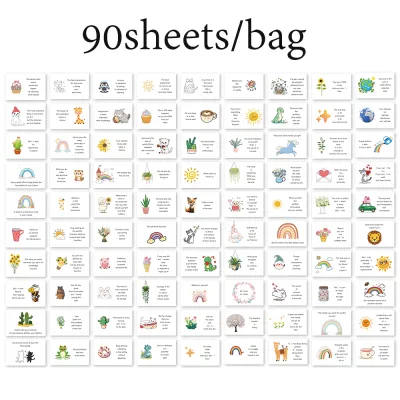
Prices are valid at publication and may change. Please refer to the product page for the latest price.
The choice of paper also directly impacts how your writing instrument behaves on the surface. If you plan to write your message with a fountain pen or a heavy gel pen, paper compatibility is critical. Uncoated, high-GSM cotton papers absorb ink beautifully, preventing pooling and minimizing the risk of smudging. However, highly fibrous papers can sometimes cause “feathering,” where the ink spreads along the paper fibers. Conversely, glossy or heavily coated papers offer excellent color vibrancy for printed designs but suffer from slow drying speeds, making them highly prone to smearing unless written on with a specialized permanent marker. To verify compatibility, perform a quick trial on a hidden corner or a scrap piece of the same paper type using your preferred pen, observing the drying speed and checking for any bleed-through on the reverse side.
Printing techniques further elevate a card’s quality. Mass-produced cards rely on flat digital printing, which, while sharp, lacks depth. Premium brands often employ traditional, tactile printing methods. Foil stamping applies metallic foil using heat and pressure, creating brilliant, reflective accents; high-quality foil stamping should have crisp, clean edges with no flaking or misalignment. Letterpress printing physically presses the design and text into thick, soft paper, leaving a deep, tactile impression that you can feel. Embossing raises the design above the paper surface, while debossing indents it. When inspecting these finishes, check the reverse side of the card; a well-executed emboss or letterpress impression should maintain the structural integrity of the paper without causing unsightly warping or tearing.
Finally, do not overlook the envelope. A premium card paired with a thin, translucent envelope immediately diminishes the overall presentation. High-quality envelopes should have a weight of at least 100 to 120 GSM, ensuring they are completely opaque and sturdy enough to protect the card during transit. Look for thoughtful details such as custom-designed inner linings, which add a sophisticated pop of color or pattern, and secure adhesive seals. The seams of the envelope should be perfectly aligned and firmly bonded, preventing any gaps that could catch during postal sorting.
Choosing the Right Card Style for Every Occasion
Matching the visual style and material composition of a card to the specific occasion ensures your message resonates appropriately. For birthdays and anniversaries, the design language is often vibrant, celebratory, and highly personalized. Milestone celebrations—such as a 21st birthday, a golden wedding anniversary, or a retirement—warrant keepsake-quality cards. For these events, look for cards featuring intricate laser-cut designs, multi-layered paper construction, or bold metallic foil accents. These structural elements transform the card from a simple greeting into a decorative piece that the recipient will want to display long after the event has passed.

Holiday and festive seasons in Singapore, such as Lunar New Year, Hari Raya, Deepavali, and Christmas, call for a blend of traditional motifs and modern elegance. During these times, sending cards is often a widespread practice, making curated multi-packs an excellent and cost-effective choice. When selecting festive multi-packs, verify that the brand does not compromise on paper weight or print quality compared to their individual cards. For Lunar New Year, look for rich red cardstock paired with deep gold foil stamping, ensuring the gold does not rub off easily. For Hari Raya and Deepavali, intricate geometric patterns, botanical illustrations, and vibrant jewel tones on textured matte paper convey a sense of warmth and prosperity.
Sympathy, weddings, and formal acknowledgments require a completely different aesthetic direction. Sympathy cards demand understated elegance, utilizing muted color palettes, gentle botanical illustrations, and ample blank space. The paper should ideally be a high-quality, uncoated cotton cardstock in off-white or cream, which provides a warm, comforting tactile experience and allows for smooth, smudge-free writing with a fountain pen or fine-liner. For weddings and formal thank-you notes, classic sophistication is key. Opt for minimalist designs, elegant typography, and subtle embellishments like blind embossing (embossing without ink) or delicate letterpress. These quiet design choices convey sincerity and respect far more effectively than loud colors or excessive glitter.
Where to Buy Reliable Greeting Cards in Singapore
Sourcing high-quality greeting cards in Singapore involves navigating a diverse retail landscape, with each channel offering distinct advantages depending on your timeline and specific design preferences.
Specialty stationery boutiques and local paper goods stores are the premier destinations for curated, artisanal, and niche designs. Often located in creative hubs like Tiong Bahru, Bras Basah, or the Orchard shopping district, these independent shops frequently collaborate with local illustrators and international boutique design studios. Shopping at these boutiques allows you to discover unique cards that feature local Singaporean humor, colloquial expressions, and beautiful illustrations of local landmarks or food. The primary advantage of specialty boutiques is the tactile shopping experience; you can physically feel the paper weight, inspect the foil stamping, and assess the envelope quality before making a purchase.
For everyday convenience and a broad selection of classic designs, major bookstores and lifestyle retail chains across Singapore’s heartland malls offer reliable options. These retailers carry well-known international greeting card brands alongside regional publishers. They are particularly useful for finding last-minute cards, standard birthday greetings, and extensive seasonal displays during major holidays. While the selection may lean more toward standard digital prints on medium-weight cardstock, these stores provide a consistent level of quality and highly accessible price points.
If you are looking for specific international brands, bulk quantities, or highly customized designs, brand official websites and online marketplaces are invaluable resources. Purchasing directly from a brand’s official website often grants access to their complete catalog, including exclusive collections and limited-edition collaborations that may not be available in physical retail stores. When utilizing online marketplaces, you can find a vast array of independent designers from around the world. However, because you cannot physically inspect the cards before buying, it is essential to read product specifications carefully, focusing on listed GSM ratings, paper materials, and customer reviews to ensure the physical product matches your quality expectations.
Essential Checks Before Buying or Ordering in Bulk
Before finalizing your purchase, especially when ordering in bulk for corporate events, weddings, or large festive mailings, conducting a few essential checks will prevent logistical issues and ensure your cards arrive in perfect condition.
First, verify the physical dimensions of both the card and the envelope. Standard postal services in Singapore categorize mail by size and weight, with standard rates applying only to specific rectangular dimensions. Square cards, oversized envelopes, or cards with thick, three-dimensional embellishments (such as ribbons, wooden elements, or heavy wax seals) often fall into non-standard categories, requiring higher postage rates. Additionally, ensure the card fits comfortably inside its matching envelope without forcing or bending the corners; there should be a clearance of approximately 2 to 3 millimeters on all sides to allow for easy insertion and removal.
Second, check for included accessories and protective packaging. High-quality cards should come packaged in individual, protective cellophane sleeves. In Singapore’s highly humid tropical climate, unprotected paper goods can easily absorb moisture from the air, leading to warping, limp cardstock, or premature activation of envelope adhesive. If you are purchasing cards that feature delicate foil stamping or hand-assembled elements, a protective sleeve is vital to prevent scratching or damage during storage. Furthermore, verify whether the cards include matching envelopes and any additional decorative seals, as some boutique brands sell envelopes separately.
Finally, when ordering online or in bulk, carefully review the seller’s shipping times, return policies, and damage replacement guarantees. Paper goods are highly susceptible to damage during transit if not packaged correctly. Ensure the retailer commits to shipping cards in rigid, bend-proof mailers or sturdy cardboard boxes rather than soft bubble mailers, which offer little protection against bent corners or creasing. For time-sensitive events like weddings or corporate seasonal mailings, factor in potential shipping delays and order well in advance to allow time for replacements should any transit damage occur.
Frequently Asked Questions (FAQ)
Do I need extra postage for oversized or heavy greeting cards? (FAQ)
Yes, non-standard card sizes and heavy paper stocks often require additional postage. Local postal guidelines dictate that standard postage rates only apply to rectangular envelopes within specific weight limits (typically up to 20 or 40 grams) and thickness limits (usually under 6 millimeters). If your card is square, oversized, exceptionally thick, or features heavy embellishments like wax seals, metal charms, or thick ribbons, it will be classified as non-standard mail or a package, requiring higher postage fees. Always weigh your fully assembled card and envelope, and check current local postal dimensions before mailing.
Are eco-friendly and sustainable greeting cards easy to find? (FAQ)
Yes, eco-friendly greeting cards are increasingly common and easy to find in Singapore, particularly at specialty stationery boutiques and online stores. Sustainable options include cards made from 100% post-consumer recycled paper, FSC-certified cardstock (which ensures the wood pulp comes from responsibly managed forests), and even plantable seed paper embedded with wildflower or herb seeds. To verify these environmental claims, look for official eco-labels, such as the Forest Stewardship Council (FSC) logo, or detailed manufacturer descriptions specifying the use of soy-based inks and biodegradable packaging materials.
Community discussion
Share your experience or ask a question. Comments are reviewed before publication.