
In a world dominated by instant messaging and digital notifications, receiving a physical birthday card remains a deeply personal and meaningful experience. A well-chosen card serves as a tangible keepsake, conveying thoughtfulness through its design, paper texture, and handwritten message. Whether you are looking for a minimalist aesthetic, a touch of local humor, or a premium art print, navigating the stationery market in Singapore requires an understanding of what makes a card worth buying and how to select the right format for your recipient.
Singapore offers a diverse array of greeting card options, ranging from small-batch creations by local independent illustrators to established international stationery houses. Alongside traditional folded cards, the “post card happy birthday” format has grown significantly in popularity, offering a modern, minimalist alternative that is easy to display and highly collectible. Choosing the right card involves balancing visual appeal with material quality, ensuring the paper stock matches your writing instrument and the design resonates with the recipient’s personality.
What Makes a Greeting Card Brand Worth Buying
Evaluating the quality of a greeting card brand goes far beyond simply looking at the cover illustration. The tactile experience of holding a card is determined primarily by its paper weight, which is measured in grams per square meter (GSM). High-quality greeting cards typically use paper stocks ranging from 250 GSM to 350 GSM, which provide a sturdy, premium feel and allow the card to stand upright on a shelf without bowing or sagging over time. Cards made from lighter paper often feel flimsy and are more prone to creasing during transit.
Products mentioned in this guide
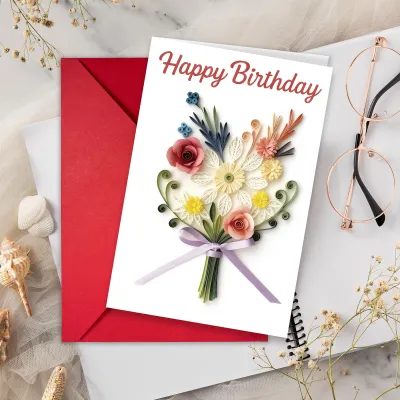
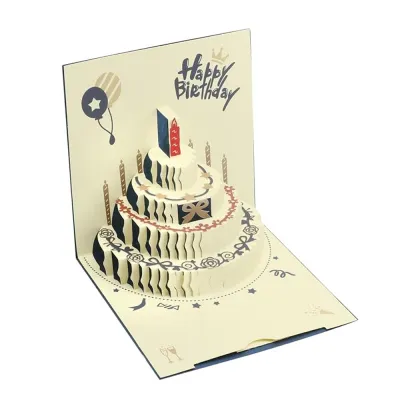
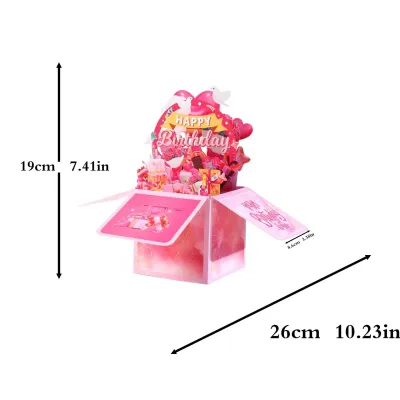
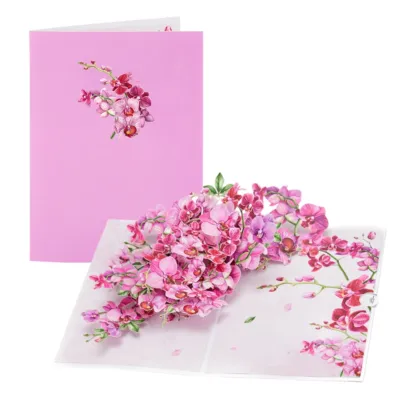

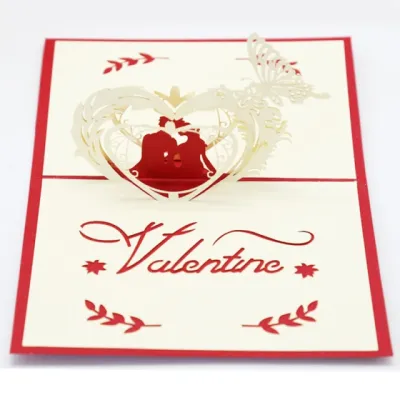
Prices are valid at publication and may change. Please refer to the product page for the latest price.
The finish of the paper also plays a critical role in both the visual presentation and the writing experience. Matte finishes offer a non-reflective surface that absorbs ink beautifully, making them highly versatile for various pen types. Glossy finishes make colors pop with high vibrancy but require specific ink types to prevent smudging. Textured papers, such as linen, felt-marked, or cotton rag, add a luxurious tactile dimension that elevates the card from a simple greeting to a piece of tactile art.
Print quality and ink durability are equally essential indicators of a brand’s standards. Premium brands utilize high-resolution printing techniques that produce sharp lines, smooth color gradients, and deep, solid blacks without any visible banding or pixelation. The ink should be fully cured and bonded to the paper fibers, ensuring it does not rub off on your fingers or transfer to the inside of the envelope. Additionally, high-quality cards feature professional scoring—a precise indentation along the fold line that prevents the paper fibers from cracking and tearing when the card is folded.
Environmental sustainability has also become a key benchmark for modern stationery brands. Many reputable manufacturers now prioritize eco-friendly production methods, which you can verify by checking the product labels or brand packaging. Look for cards printed on Forest Stewardship Council (FSC) certified paper, which ensures the wood pulp is sourced from responsibly managed forests. Many independent and international brands also utilize recycled paper stocks and vegetable- or soy-based inks, which have a lower environmental impact than traditional petroleum-based inks.
Exploring Birthday Card Brand Categories
The greeting card market in Singapore can be broadly divided into three distinct segments, each catering to different design preferences, budgets, and shopping experiences. Understanding these categories helps you narrow down your search based on the specific tone you want to set for the birthday celebration. Standard pricing typically ranges from S$4 to S$12 per card, depending on the production scale, material complexity, and design exclusivity.

Local Independent Designers and Studios
Local Singaporean illustrators and independent design studios offer some of the most creative and culturally resonant cards available in the market. These creators often infuse their designs with local slang, nostalgic heritage motifs, and regional humor that immediately strike a chord with local recipients. From witty illustrations of iconic local dishes to clever bilingual puns, these cards provide a highly personalized touch that mass-produced international designs cannot replicate.
You can typically find these boutique brands in independent stationery shops, museum gift stores, and local craft or makers’ markets held across Singapore. Because these cards are printed in smaller batches, they often feature premium, textured paper stocks and unique finishes like gold foil stamping. However, this smaller production scale comes with trade-offs, including slightly higher price points per card, limited seasonal availability, and smaller print runs that may not be restocked once sold out.
International Stationery and Lifestyle Brands
For those who appreciate classic elegance, sophisticated typography, or licensed pop-culture designs, established international stationery brands offer exceptional consistency and variety. These global brands are widely available across Singapore in major bookstores, department stores, and lifestyle retail chains. They provide a reliable standard of quality, with perfectly matched envelopes, precise folding, and standardized sizing that makes archiving or framing the cards straightforward.
International brands cover an incredibly broad spectrum of design styles, from ultra-minimalist and modern typographic layouts to elaborate three-dimensional pop-up structures. When purchasing these brands through third-party online marketplaces, it is important to verify product authenticity. Look for official distributor labels, holographic licensing stickers, or purchase directly from authorized retail partners to ensure you are receiving genuine products printed on premium cardstock rather than low-quality counterfeit reprints.
When to Use Custom or Digital Card Services
While pre-printed retail brands offer convenience and artistic variety, there are specific scenarios where custom-printed cards or digital alternatives are more appropriate. Custom printing services are highly beneficial for milestone birthdays, such as a 21st, 50th, or 100th celebration, where you may want to coordinate the invitation and thank-you cards with a specific event theme. They are also the practical choice for corporate gifting or bulk family mailings, allowing you to print personalized messages, company logos, or family photographs directly onto the cardstock.
When opting for custom printing services, several quality checks are necessary to ensure the final product meets your expectations. Always request physical paper samples from the printer before committing to a large order, allowing you to verify the actual weight, texture, and color reproduction of the stock. Review digital proofs carefully, paying close attention to text alignment, spelling, and color profiles (ensuring your artwork is set to CMYK for print rather than RGB for screens). Finally, confirm the printer’s production and delivery lead times, especially during peak festive seasons when printing facilities experience high volume.
Digital postcards and e-cards offer a modern, instantaneous alternative for last-minute greetings or for sending wishes to recipients living overseas. The primary advantage of digital cards is their speed and environmental friendliness, eliminating shipping costs and transit times entirely. However, they lack the tactile impact and sentimental longevity of a physical card. If you choose a digital option, look for platforms that allow high-resolution downloads, enabling the recipient to print the card out themselves if they wish to keep it.
Where to Shop for Birthday Cards in Singapore
Finding the right birthday card in Singapore involves choosing between physical retail stores and online shopping channels, each offering distinct advantages. Shopping at physical locations—such as dedicated stationery boutiques, museum shops, and lifestyle department stores—allows you to physically inspect the cards before buying. You can feel the weight of the paper, check the texture, and verify that the envelope fits snugly and securely. This hands-on experience is highly recommended when purchasing premium or high-end cards where tactile quality is paramount.
If you prefer the convenience of online shopping, ecommerce platforms and independent brand websites offer an extensive selection that you can browse from home. When buying online, it is crucial to perform a few quality checks to ensure a smooth transaction. Read recent buyer reviews to assess the seller’s packaging quality, as cards can easily bend or crease if shipped in flimsy envelopes. Check the seller’s rating and verify the estimated shipping times, prioritizing local sellers if you need the card to arrive before a specific birthday deadline.
Before finalizing any card purchase, whether in-store or online, inspect the product for common manufacturing or handling defects. Check the spine of folded cards to ensure there is no cracking along the crease, which indicates poor scoring. Verify that the print alignment is perfectly centered and that there are no ink smudges or misaligned color layers. Finally, examine the accompanying envelope to ensure the adhesive strip is intact and that the corners are sharp and undamaged.
How to Post Your Happy Birthday Card Successfully
Mailing your birthday card or postcard through the local postal service requires careful attention to dimensions, weight, and packaging to ensure it arrives safely and on time. Standard postage rates in Singapore are determined by the physical size, thickness, and weight of the mail item. A standard flat postcard or a basic folded card in a standard envelope typically qualifies for the lowest postage tier, provided it meets the local postal service’s specific size and weight limits (usually under 20 grams and less than 2mm thick).
If your birthday card features three-dimensional embellishments—such as ribbons, badges, pop-up structures, or wooden elements—it will likely exceed the standard thickness limit. These bulky items are classified as non-standard mail and require additional postage. Failing to apply the correct postage can result in delivery delays, or the recipient being asked to pay the outstanding fee upon delivery. Always measure the thickness of your card once it is sealed inside the envelope, and consult the local post office if you are unsure of the correct postage rate.
To protect your card from damage during transit, consider using protective packaging. For postcards, inserting them into a rigid cardboard mailer or using a backing board prevents them from bending or creasing in the mail carrier’s bag. For folded cards, placing a thin sheet of cardstock inside the envelope can provide extra rigidity. If you are mailing a card during the rainy season, sealing the card inside a clear, waterproof cellophane sleeve before placing it in the paper envelope protects it from moisture damage during delivery.
When addressing your envelope, write the recipient’s details clearly in block letters using dark, waterproof ink. In Singapore, including the correct six-digit postal code is critical for automated sorting and prompt delivery. Place your postage stamp securely in the top-right corner of the envelope, and write your return address clearly on the back. This ensures that in the unlikely event of a delivery issue, the card can be safely returned to you rather than being discarded.
Frequently Asked Questions (FAQ)
Can I use a standard postcard stamp for a folded greeting card?
No, you generally cannot use a standard postcard stamp for a folded greeting card. Folded cards are classified as letters because they consist of multiple layers of paper and are enclosed in an envelope, making them thicker and heavier than a single-sheet postcard. Standard postcards must meet specific single-sheet thickness and size guidelines to qualify for the lower postcard rate. Always check the current local postal service weight and dimension tiers to ensure you apply the correct letter-rate postage to your folded card.
What pen works best on matte versus glossy birthday cards?
The best pen depends entirely on the paper finish of the card. For matte and textured surfaces, fountain pens, gel pens, pigment liners, and fine-tip markers work exceptionally well because the uncoated paper fibers absorb the ink quickly, though you should still allow a few seconds for the ink to dry completely. For glossy or coated surfaces, water-based inks will smudge easily; instead, use oil-based ballpoint pens or permanent fine-liners, which adhere to the slick surface and dry almost instantly without smearing.
How far in advance should I order custom birthday cards?
You should order custom birthday cards at least two to three weeks in advance of the date you need them. This timeline allows approximately three to five days for the design and proofing approval process, five to seven days for printing, cutting, and finishing, and an additional three to five days for local shipping and delivery. If you are ordering during peak festive seasons or holidays, add an extra week to your planning to account for potential printing queue delays and courier bottlenecks.

Community discussion
Share your experience or ask a question. Comments are reviewed before publication.