
Finding quality 2mm hollow yarn in Singapore involves looking for brands that prioritize structural integrity, fiber transparency, and consistent manufacturing standards. Because Singapore’s tropical climate favors lightweight, breathable, and highly structured knitted items, 2mm hollow yarn has become a popular choice for local crafters. However, because hollow or tubular yarn relies on a specific woven outer shell, lower-quality brands often suffer from collapsing tubes, inconsistent diameters, or severe fraying. To make an informed purchase, knitters must evaluate the physical properties of the yarn and source from reputable channels that offer clear specifications.
Evaluating the yarn’s construction before committing to a large project prevents common knitting frustrations such as splitting, uneven tension, and premature wear. By understanding the unique characteristics of tubular yarn and knowing how to verify seller claims, you can confidently select a brand that matches your project’s requirements. Whether you are knitting a structured beach bag, home decor items, or a lightweight summer accessory, the right yarn choice ensures your handiwork retains its shape and beauty over time.
Understanding 2mm Hollow Yarn and Its Knitting Applications
Hollow yarn, often referred to as tubular or cord yarn, features a unique construction where the fibers are knitted or braided into a continuous, hollow tube rather than being twisted together like traditional plied yarns. This structural design creates a lightweight yarn with a distinct, rounded profile. The 2mm diameter specification is particularly versatile, offering a balance between delicate detail and structural stability, making it highly suitable for projects that require both definition and form.
Products mentioned in this guide
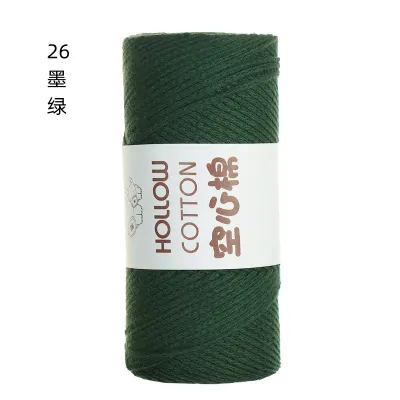
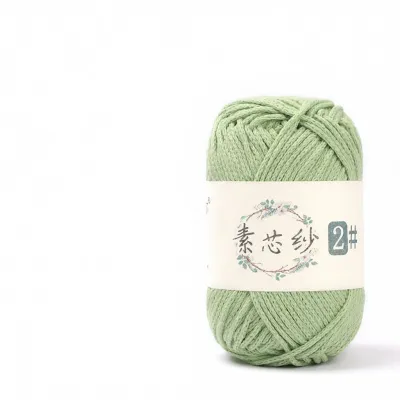
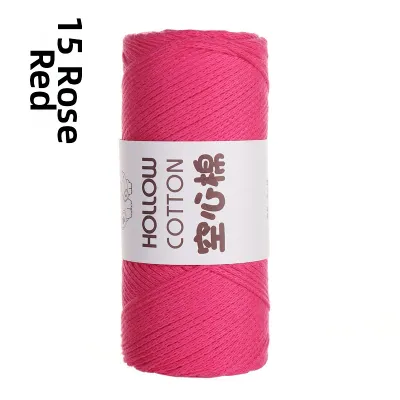
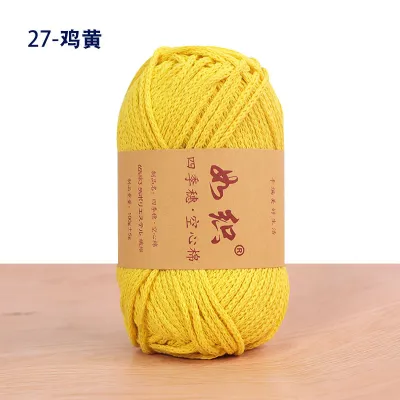
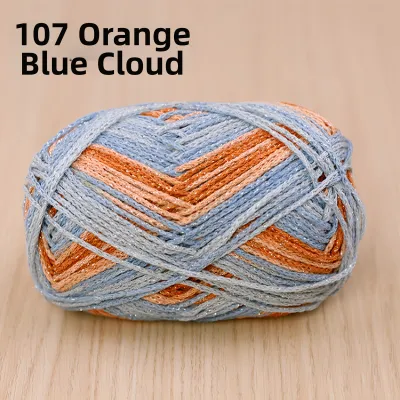
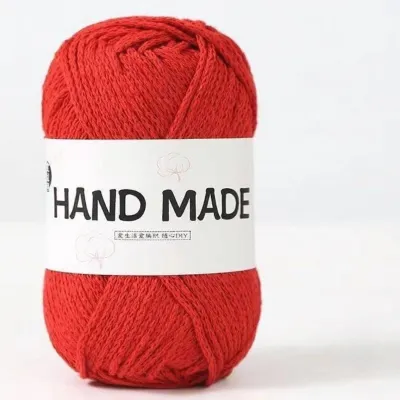
Prices are valid at publication and may change. Please refer to the product page for the latest price.
In Singapore’s warm and humid environment, heavy, dense knits can be impractical to wear or display. Knitters frequently choose 2mm hollow yarn because the hollow core traps air, allowing the finished fabric to remain exceptionally light and breathable despite its thickness. This makes it an excellent choice for crafting airy summer accessories, lightweight market bags, structured coasters, and modern home decor items that do not feel overly heavy or warm to the touch.
When compared to standard plied or spun yarns, hollow yarn offers superior stitch definition. Because the outer tube is smooth and continuous, there are no loose fibers or plies to separate while you work. This results in clean, crisp stitches that highlight intricate patterns, textured ribbing, or simple garter stitches with a modern, minimalist aesthetic. However, this structure also means the yarn behaves differently under tension, requiring a consistent knitting style to maintain an even fabric density.
Key Criteria for Evaluating Yarn Brand Quality
To identify a reliable yarn brand, start by examining the fiber content transparency on the product label. High-quality brands clearly state the exact percentages of the fiber blend, such as cotton, acrylic, nylon, or polyester. For projects in Singapore, cotton-synthetic blends are often ideal, as the cotton provides breathability and a natural feel, while the synthetic fibers add elasticity, strength, and resistance to humidity-induced stretching.

Another critical quality indicator is the structural integrity of the hollow tube itself. When shopping, perform a simple squeeze test: gently pinch the yarn between your fingers. A well-constructed hollow yarn should feel bouncy and spring back into its rounded shape immediately. If the yarn collapses completely flat and remains creased, it may lack the structural density needed to keep your stitches plump and even, which can result in a limp, saggy finished product.
Color consistency is equally vital, especially for large projects that require multiple skeins. Reputable brands always print clear dye lot numbers on their packaging. Because hollow yarn has a smooth surface that reflects light evenly, even minor variations in dye lots will be highly visible in the finished item. Choosing a brand that guarantees dye lot matching for single orders helps prevent unsightly color bands across your work.
Finally, look for brands that provide comprehensive care instructions and realistic gauge recommendations on their labels. Because tubular yarns behave differently from traditional wool or acrylic plies, manufacturer-specified needle sizes and washing guidelines are essential. A brand that takes the time to include detailed care symbols and tension suggestions demonstrates a commitment to product quality and customer success.
Where to Source 2mm Hollow Yarn in Singapore
Visiting local specialty yarn shops in Singapore is one of the most reliable ways to source high-quality hollow yarn. Physical retail stores allow you to touch the yarn, assess its weight, and test its elasticity firsthand before spending your money. Additionally, local shop owners and experienced staff can offer valuable advice on needle compatibility and recommend specific brands that perform well in Singapore’s humid climate.
For a wider selection of colors and specialized blends, purchasing directly from official brand websites or authorized online storefronts is an excellent strategy. Buying straight from the manufacturer ensures you receive authentic products rather than low-grade imitations. It also gives you access to the brand’s complete inventory, making it easier to secure matching dye lots and find specific 2mm diameter options that might not be stocked in smaller physical shops.
When utilizing general e-commerce platforms, extra caution is required to avoid poor-quality listings. Filter for sellers with high ratings and read customer reviews specifically looking for feedback on yarn consistency, splitting, or unexpected knots within the skein. Avoid unbranded listings that use generic terms like “knitting string” without specifying the fiber content or exact millimeter thickness, as these products often fail to maintain a true 2mm hollow structure.
How to Verify Specifications and Compatibility Before Buying
Before finalizing your purchase, carefully read the product specifications to confirm the yarn is a true 2mm hollow construction. Some novelty yarns or flat ribbon yarns can look similar in photos but lack the round, hollow core that defines tubular yarn. Verifying the millimeter classification ensures you do not accidentally purchase a flat yarn, which would drape differently and alter the overall look of your knitting project.
Cross-referencing the manufacturer’s recommended needle size is crucial for achieving the correct fabric density. Generally, a 2mm hollow yarn pairs well with knitting needles ranging from 4mm to 6mm, depending on whether you want a tight, structured fabric or a loose, flowing drape. Using needles that are too small can make the knitting process stiff and tiring, while overly large needles can cause the hollow stitches to look sloppy and lose their shape.
If you are purchasing from a new brand online, consider ordering a single sample skein first. This allows you to conduct a small test knit to observe how the yarn behaves on your needles and how it responds to washing. Spending S$10 to S$15 on a trial skein can save you from investing a larger sum in a yarn that does not meet your expectations or match your existing knitting tools.
Upon receiving your yarn, inspect the skein immediately for any signs of transit damage or manufacturing defects. Check that the outer tube is continuous, free of snags, and has not been crushed flat during shipping. If the yarn appears damaged or inconsistent, contact the seller or manufacturer right away to resolve the issue before you begin casting on your project.
Caring for Hollow Yarn Knitted Garments
Proper maintenance is essential to preserve the unique tubular structure of hollow yarn projects. Always check the fiber content on the label to determine the safest washing method. For cotton-blend hollow yarns, gentle hand washing in cool water with a mild detergent is highly recommended, as this prevents the outer braided tube from friction damage and pilling that can occur in a washing machine.
Avoid exposing your hollow yarn projects to high heat during washing or drying. Excessive heat can cause synthetic fibers to melt or lose their elasticity, and it can cause natural fibers to shrink unevenly, permanently distorting the hollow core. Opt for air drying in a shaded, well-ventilated area to keep the fibers strong and maintain the yarn’s original bounce.
When drying your finished items, always lay them flat on a clean, dry towel. Hanging a wet hollow yarn garment on a hanger or clothesline will cause the water weight to pull the stitches downward, permanently stretching the hollow tubes and ruining the garment’s shape. Reshaping the item while damp ensures it dries to its correct dimensions.
Finally, protect your finished knitted items from sharp objects and rough surfaces. Because of the woven or braided nature of the outer tube, hollow yarns can catch easily on jewelry, zippers, or pet claws. Storing your garments in breathable cotton project bags when not in use helps prevent accidental snags and keeps your hand-knitted pieces looking pristine for years to come.
Frequently Asked Questions (FAQ)
Can I use standard knitting needles for 2mm hollow yarn?
Yes, you can use standard knitting needles, but the shape of the needle tip is an important consideration. Because 2mm hollow yarn consists of a woven outer tube, sharp lace needles can easily pierce the tube and catch the inner fibers, leading to snags and split stitches. To ensure a smooth knitting experience, it is highly recommended to use needles with slightly rounded or blunt tips, which glide easily over the tubular structure without damaging the yarn.
Does hollow yarn unravel easily when cut?
Yes, due to its braided or knitted tubular construction, hollow yarn has a strong tendency to fray and unravel quickly once cut. To prevent the tube from collapsing or unravelling during your project, secure the cut ends immediately. You can tie a small knot at the very tip, apply a tiny drop of fabric glue, or use a fray-check solution. When finishing your project, weave in the ends securely and leave a slightly longer tail than usual to ensure the ends do not slip out over time.

Community discussion
Share your experience or ask a question. Comments are reviewed before publication.