
Finding the perfect engagement card in Singapore is a thoughtful way to celebrate a couple’s decision to embark on a lifelong journey together. Whether you are attending an intimate engagement dinner at a local restaurant, joining a casual gathering at a couple’s home, or sending your congratulations from afar, a physical card serves as a lasting keepsake. In an increasingly digital world, the tactile experience of opening a beautifully crafted card, feeling the texture of the paper, and reading a handwritten message carries significant emotional weight.
Singapore’s retail and creative landscape offers a diverse array of options for sourcing these cards, ranging from curated lifestyle boutiques in historic neighborhoods to large, accessible retail chains and independent local designers. Navigating these choices requires a clear understanding of what makes a greeting card feel premium, how to match the design to the couple’s unique aesthetic, and where to find the best materials if you choose to create a custom piece. By focusing on quality indicators such as paper weight, printing techniques, and ink compatibility, you can select a card that perfectly conveys your warm wishes.
Key Features to Evaluate in Engagement Cards
Before stepping into a store or browsing online marketplaces, it is helpful to establish a framework for evaluating card quality. The first aspect to consider is the design aesthetic, which should ideally mirror the personal style of the engaged couple. For couples who appreciate clean lines, subtle tones, and modern layouts, a minimalist design featuring elegant serif typography and ample white space is highly appropriate. Alternatively, couples with a classic or romantic sensibility may prefer floral illustrations, watercolor motifs, or botanical patterns. Typography-focused cards, which use bold, playful lettering or lighthearted puns, are excellent for close friends who appreciate a more casual and humorous tone.
Products mentioned in this guide
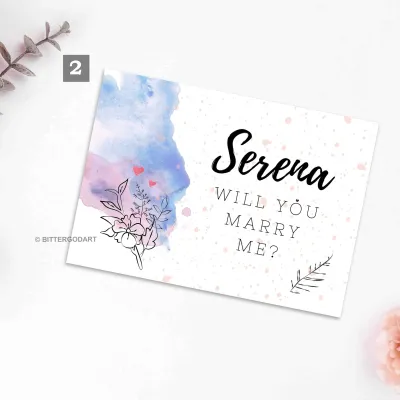
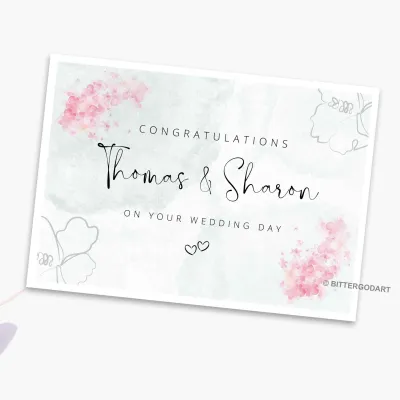
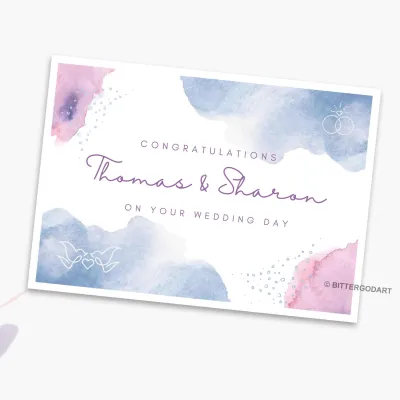
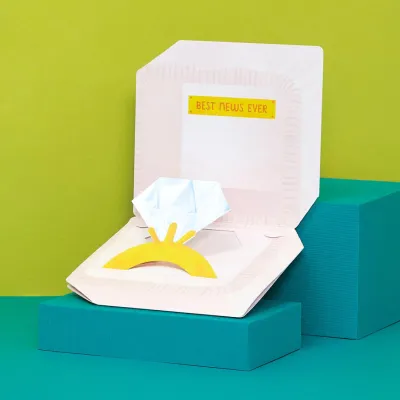
Prices are valid at publication and may change. Please refer to the product page for the latest price.
The physical feel of the card is largely determined by its paper weight and texture. Paper weight is measured in grams per square meter (GSM). Standard, mass-produced greeting cards typically range between 200 GSM and 250 GSM, which can feel somewhat flimsy and prone to bending. For a truly premium feel, look for cards printed on stock that is 300 GSM or higher. At this weight, the cardstock is rigid, stands upright easily on a display shelf, and feels substantial in the recipient’s hands. Texture also plays a critical role; options like cotton paper, linen finishes, and laid paper offer a distinct tactile quality that immediately elevates the card from a simple piece of stationery to a luxury item.
Customization and finishing techniques add another layer of sophistication to commercial cards. Look for details such as hot foil stamping, which applies metallic foil (such as gold, rose gold, or silver) to the paper using heat and pressure, creating a brilliant, reflective finish. Embossing and debossing techniques create raised or recessed patterns in the paper, adding three-dimensional depth to the design. When selecting a card with these premium finishes, it is also important to consider the interior writing surface. Uncoated, matte interiors are ideal for writing, as they allow various ink types to dry quickly without smudging. Coated or glossy interiors, while visually striking, require specialized pens and longer drying times to prevent the message from smearing.
Retail Channels for Engagement Cards in Singapore
Singapore offers several distinct retail channels where you can find high-quality engagement cards, each catering to different shopping preferences and timelines. Specialty stationery boutiques and lifestyle stores are excellent starting points for those seeking curated, design-forward options. These boutiques are often located in creative hubs such as Tiong Bahru, Haji Lane, or within major shopping complexes along Orchard Road. They specialize in sourcing unique cards from international design studios and local independent artists. Shopping at these boutiques allows you to physically inspect the paper quality, feel the textures, and discover exclusive designs that are not widely distributed, making your card choice feel truly unique. Specialty boutiques often price these curated cards between S$6 and S$12, reflecting the premium materials and design exclusivity.

For convenience and a broad selection of mainstream designs, large bookstore chains and department stores located in heartland malls across Singapore are highly reliable. These retailers feature dedicated greeting card aisles organized by occasion, making it easy to locate engagement-specific designs quickly. While the selection here may lean toward more traditional or mass-produced styles, these stores offer consistent availability, competitive pricing, and the convenience of one-stop shopping where you can also purchase gift wrap, ribbons, and pens. This is an ideal channel if you need a classic, well-made card on short notice before attending an event.
If you prefer to support local creators or are looking for highly specific, small-batch designs, local e-commerce platforms and independent designer marketplaces are invaluable resources. Many Singapore-based illustrators and graphic designers showcase their work on independent online storefronts and curated maker platforms. These digital spaces allow you to browse hundreds of unique designs from the comfort of your home. Many online sellers also offer semi-customization options, allowing you to print the couple’s names or the engagement date directly onto the card. When shopping online, be sure to filter for local Singapore-based sellers to minimize shipping times and support the domestic creative community.
How to Assess Independent Card Designers
When exploring independent card makers or local designers who do not have a physical retail presence, establishing a clear evaluation process ensures you receive a high-quality product. Start by thoroughly reviewing the designer’s portfolio on their official website or professional social media channels. Look for consistency in their design style, print alignment, and overall presentation. A professional designer will showcase clear, high-resolution photographs of their physical products, allowing you to observe how the ink sits on the paper and how the colors translate from digital designs to physical prints.
Understanding the production methods used by the designer is equally important. Digital printing is the most common and cost-effective method, offering vibrant colors and sharp details. However, if you are looking for an artisanal finish, seek out designers who specialize in traditional printing techniques such as letterpress or risograph. Letterpress printing presses the design directly into thick, soft paper, leaving a beautiful, tactile debossed impression that cannot be replicated by digital printers. Additionally, verify the designer’s material sourcing practices; reputable independent creators often specify if they use environmentally friendly materials, such as FSC-certified paper or recycled cardstock, which adds ethical value to your purchase.
Finally, pay close attention to operational details such as lead times and delivery policies. Because independent designers often manage production, packaging, and shipping themselves or in small batches, their processing times can vary. If you are ordering a custom or personalized engagement card, clarify the timeline for design proofs, revisions, and final printing. For local delivery within Singapore, check whether the designer offers tracked courier services in addition to standard postal delivery. Opting for tracked shipping provides peace of mind, ensuring that your carefully selected card does not get lost in transit and arrives well ahead of the celebration.
Designing Your Own Engagement Card: A DIY Alternative
For those who want to present a truly one-of-a-kind keepsake, designing and crafting your own engagement card is a deeply personal and rewarding alternative. The foundation of any successful DIY card is the selection of high-quality cardstock. To achieve a professional look, avoid standard printer paper and opt for heavy cardstock with a weight of at least 250 GSM, though 300 GSM cotton paper is highly recommended for its luxurious texture and rigidity. You can purchase pre-cut card blanks with matching envelopes, or buy large sheets of premium paper and cut them to standard sizes, such as A6 (105mm x 148mm) or A7 (127mm x 178mm), which fit standard envelope sizes perfectly.
When working with premium cardstock, selecting the right writing instruments is crucial to prevent common stationery issues like bleeding, feathering, or smudging. Before writing your final message, always perform a trial run on a scrap piece of the exact same paper. Test your chosen pens—whether they are gel pens, brush calligraphy markers, or fountain pens—to observe how the ink behaves. Highly absorbent papers like cotton may cause certain water-based inks to feather, where the ink spreads outward along the paper fibers, blurring your lettering. If you observe feathering, switch to a pigment-based archival ink or a fine-liner pen, which dries quickly and maintains sharp, clean lines.
Elevating your DIY card involves incorporating elegant embellishments that add texture and visual interest. Sourcing these materials is easy in Singapore, with several dedicated art and craft supply stores located in areas like Bras Basah Complex or Chinatown. Consider adding a classic wax seal to the envelope or the card itself. To do this safely, melt specialized sealing wax over a small candle flame, pour a small pool onto the paper, and press a metal wax stamp firmly into the center. Allow the wax to cool completely for about thirty seconds before gently lifting the stamp. Other beautiful additions include fine silk or cotton ribbons tied around the card, or a delicate sprig of pressed dried lavender or baby’s breath secured with a drop of clear adhesive.
When assembling your DIY card, safety and precision are paramount. If you are cutting paper or trimming ribbons, always use a sharp utility knife or a rotary cutter against a heavy metal ruler on a self-healing cutting mat. Never use dull blades, as they can slip and cause injury, or leave jagged, unprofessional edges on your paper; always cut away from your body and keep your fingers clear of the cutting path. If you are using adhesives, such as double-sided tape, paper glue, or low-temperature hot glue guns for securing embellishments, work in a well-ventilated area. Apply adhesives sparingly to prevent the paper from warping or buckling as it dries, ensuring your finished card looks clean, flat, and professionally crafted.
Frequently Asked Questions (FAQ)
How far in advance should I send an engagement card?
It is customary to send an engagement card as soon as possible after the couple officially announces their engagement. Ideally, the card should arrive within a few weeks of the announcement, while the excitement is still fresh. If you are planning to attend an official engagement party or dinner, you can bring the card with you and present it in person. If the couple lives overseas and you are mailing the card from Singapore, be sure to account for international shipping times. Standard international airmail typically takes between 7 and 14 business days to reach major global destinations, so plan your mailing date accordingly to ensure your congratulations arrive in a timely manner.
Can I include a gift or money with an engagement card?
Yes, pairing an engagement card with a gift or a monetary contribution is a common and thoughtful practice in Singapore. While physical gifts from a bridal registry are popular, many couples also appreciate monetary gifts, gift cards, or vouchers for local experiences and dining. If you choose to include cash, a check, or a gift card, it is important to present it securely and elegantly. Avoid loose bills inside the envelope; instead, place the monetary gift inside a dedicated inner sleeve, a decorative red packet, or a smaller envelope before inserting it into the main engagement card. Ensure the outer envelope is securely sealed, using a high-quality adhesive or a decorative wax seal, to keep the contents safe during transit or hand delivery.
Community discussion
Share your experience or ask a question. Comments are reviewed before publication.