
Finding an authentic 1975 Singapore coin as a collectible souvenir or a meaningful gift requires navigating a specialized market of numismatic dealers, antique shops, and online collector networks. As 1975 represents a fascinating period in Singapore’s early currency history—featuring the iconic first series of coins adorned with local marine life, flora, and fauna—these pieces carry both historical charm and nostalgic value. To ensure you purchase a genuine coin rather than a modern replica, you must know where to look, how to verify physical characteristics, and how to evaluate the coin’s condition.
Whether you are seeking a standard circulation coin like the classic 1-dollar coin or a highly polished proof specimen, the local secondary market offers several reliable avenues. By focusing your search on established physical dealers and verified online platforms, you can confidently acquire a piece of Singapore’s heritage. This guide outlines the most effective local sourcing strategies, practical authenticity checks, and preservation tips to help you select a beautiful, genuine 1975 coin for your collection or as a unique gift.
Where to Source Vintage Coins Locally in Singapore
To begin your search, your first and most reliable option is to visit professional numismatic dealers and specialized collectible shops. These businesses are typically located in historic retail complexes across Singapore, such as those in Chinatown, the Adelphi, or Sunshine Plaza. Professional dealers maintain curated inventories of historical coins, which they have already inspected for authenticity and graded according to industry standards. Buying from an established shop gives you the opportunity to ask questions, view the coin under professional lighting, and receive immediate assistance from experienced numismatists.
Products mentioned in this guide
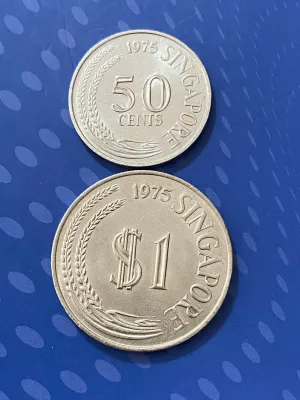
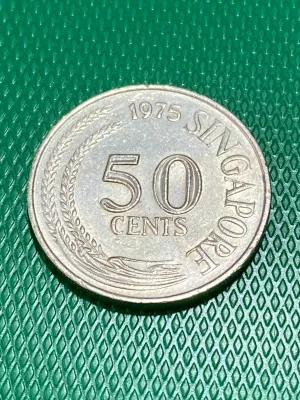
Prices are valid at publication and may change. Please refer to the product page for the latest price.
For those who enjoy the thrill of the hunt, established antique markets, flea markets, and weekend collectible fairs offer a more hands-on sourcing experience. Weekend markets, such as those occasionally held in central commercial spaces or community hubs, bring together independent collectors and hobbyists who display a wide variety of vintage items. While these venues require a keen eye and some negotiation skills, they allow you to interact directly with passionate collectors. You can often find unique loose coins or vintage coin sets that have been tucked away in private collections for decades.
If you prefer the convenience of digital browsing, online auction platforms and local peer-to-peer marketplaces are excellent alternatives. When navigating these digital spaces, it is crucial to focus on sellers who have built strong historical ratings and specialize specifically in coins or vintage paper memorabilia. Look for listings that feature high-resolution, unedited photographs of both the obverse (front) and reverse (back) of the coin. Avoid listings that rely on stock images, and always prioritize sellers who are willing to answer detailed questions about the coin’s origin and physical state.
Each of these sourcing methods comes with distinct trade-offs that you should weigh based on your budget and expertise. Physical numismatic shops provide the highest level of security and immediate gratification, though their prices may reflect a premium for their expertise and retail overhead. Online marketplaces offer a much broader selection and the ability to compare prices instantly, but they require you to wait for shipping and carry a higher risk of misrepresentation. For a high-value purchase or a special gift, starting with a physical dealer is often the safest path for beginners.
How to Verify Authenticity and Assess Coin Condition
Verifying the authenticity of a 1975 Singapore coin requires a systematic physical inspection using basic numismatic tools. A high-quality magnifying loupe with at least 10x magnification is indispensable for this task. Use the loupe to examine the fine details of the coin’s design, such as the sharp lines of the Singapore coat of arms, the precision of the lettering, and the spacing of the numbers in the “1975” date. Genuine coins struck by official mints exhibit crisp, clean details, whereas counterfeit replicas often display soft, rounded edges, mushy lettering, or tiny metal bubbles caused by casting.

Another critical area of visual inspection is the coin’s edge reeding, which refers to the grooved ridges along the outer rim. On genuine Singapore coins, these ridges are perfectly uniform, sharp, and evenly spaced. Counterfeiters often struggle to replicate this precise minting process, resulting in reeding that looks uneven, shallow, or completely smooth in some sections. Additionally, inspect the rim of the coin for any signs of joining lines, which would indicate that two separate halves of a replica have been fused together.
To confirm authenticity beyond visual cues, you should check the coin’s physical dimensions and weight against official mint specifications. For instance, the first-series 1975 Singapore 1-dollar coin is composed of a copper-nickel alloy, weighs approximately 16.85 grams, and has a diameter of 33.32 millimeters. Using a precise digital pocket scale and a digital caliper allows you to verify these measurements with high accuracy. Any significant deviation in weight—even by a fraction of a gram—is a major red flag that suggests the coin is made of an incorrect, cheaper metal alloy.
Understanding standard grading terms is also essential for assessing the coin’s physical state and ensuring you pay a fair price. Coins are generally classified into three main categories: circulated, uncirculated, and proof. Circulated coins show clear signs of wear, such as flattened details on the high points of the design and numerous fine scratches from handling. Uncirculated coins have never been used in daily commerce, retaining their original, brilliant mint luster and sharp details. Proof coins are specially struck collector pieces featuring mirror-like backgrounds and frosted, highly detailed designs, often preserved in their original mint packaging.
Finally, learn to distinguish between natural patina and artificial toning or environmental damage. Over several decades, copper-nickel and silver coins naturally develop a thin layer of oxidation known as patina or toning. This natural aging process can produce beautiful, subtle shades of gold, grey, or light blue that enhance the coin’s character without obscuring its details. In contrast, artificial toning often looks greasy, excessively bright, or concentrated in unnatural patterns, which is sometimes applied by unscrupulous sellers to hide surface scratches or clean marks.
Evaluating Value and Avoiding Counterfeit Pitfalls
Determining the fair market value of a 1975 Singapore coin requires thorough research before you make a purchase. Instead of relying on the active asking prices listed on online marketplaces—which can be highly inflated by optimistic sellers—look for completed or sold listings. Analyzing actual transaction history gives you a realistic baseline of what collectors are currently willing to pay for specific denominations and conditions. Keep in mind that common denominations in circulated condition may only cost a few dollars, while pristine uncirculated specimens or rare proof sets command a significant premium.
When evaluating potential purchases, you must remain vigilant against common counterfeit pitfalls and altered coins. Be on the lookout for micro-markings such as the word “COPY” or “REPLICA” stamped into the design, which are sometimes added by souvenir manufacturers to comply with legal regulations but can be easily missed by an untrained eye. Additionally, be highly skeptical of coins that are advertised as “uncirculated” or “mint condition” but are priced suspiciously low. If a deal seems too good to be true, it is highly likely that the coin is a modern replica or has been chemically treated to look newer than it is.
To minimize your risk, do not hesitate to ask the seller for information regarding the coin’s provenance or original packaging. For commemorative coins or proof sets issued in 1975, the presence of the original blue or red mint presentation boxes and certificates of authenticity adds significant value and credibility. For high-value individual coins, look for specimens that have been certified and graded by reputable third-party grading services, such as the Numismatic Guaranty Company (NGC) or the Professional Coin Grading Service (PCGS). These certified coins are sealed in tamper-evident plastic holders, commonly referred to as “slabs,” which guarantee both authenticity and grade.
It is also important to understand that complete souvenir sets have different value drivers compared to loose, individual circulation coins. A complete, officially packaged 1975 mint set containing all denominations from the 1-cent to the 1-dollar coin is highly desirable for gifting because it offers a cohesive historical narrative. Loose coins, while more affordable and easier to find, require more effort to present beautifully. When buying a gift, consider whether the recipient would appreciate the completeness of an official set or the singular charm of a specific denomination that holds personal significance.
Final Checklist for Gifting a Vintage Coin
Once you have successfully purchased an authentic 1975 Singapore coin, the final step is to ensure it is properly protected and presented for gifting. To prevent future tarnishing, fingerprints, or environmental damage, you should select archival-safe protective holders. Avoid cheap plastic sleeves or soft vinyl holders, as they often contain polyvinyl chloride (PVC). Over time, PVC degrades and releases acidic chemicals that create a sticky, green residue on the coin’s surface, permanently ruining its appearance and value. Instead, opt for rigid acrylic coin capsules or PVC-free cardboard coin flips lined with archival-safe Mylar.
Before finalizing your purchase, always confirm the seller’s return policy, ensuring it explicitly covers authenticity disputes. A reputable dealer or collector should offer a reasonable window during which you can return the coin for a full refund if a professional assessment reveals it to be inauthentic. Having this agreement in writing or clearly stated on the sales platform provides peace of mind, especially when purchasing higher-value pieces or proof sets.
To elevate the coin from a simple collectible to a memorable, thoughtful gift, pair it with a contextual information card. You can write or print a small card detailing the historical significance of the year 1975 in Singapore, along with the specifications of the coin’s design. Explaining the local flora, fauna, or marine motifs featured on the coin adds a layer of educational and sentimental value. This thoughtful touch helps the recipient appreciate the coin not just as a piece of metal, but as a genuine, preserved fragment of Singapore’s rich heritage.
Frequently Asked Questions (FAQ)
Are 1975 Singapore coins considered rare or highly valuable?
Standard circulation coins from 1975, such as the 1-cent, 5-cent, 10-cent, 20-cent, and 50-cent pieces, were minted in large quantities and remain relatively common today. Consequently, circulated examples of these denominations are highly affordable and easily accessible for casual collectors or souvenir seekers. However, the market value increases significantly for coins in pristine, uncirculated condition or those that are part of limited-edition proof sets. Additionally, specific commemorative issues from that year, such as those marking the Southeast Asian Peninsular (SEAP) Games, are rarer and command higher prices among serious numismatists due to their lower mintage numbers and historical significance.
Can I buy vintage circulation coins directly from the official mint?
No, you cannot purchase vintage circulation coins directly from the Monetary Authority of Singapore (MAS) or the Singapore Mint. Official mints and central banks focus on issuing current legal tender, newly minted commemorative coins, and contemporary collector sets. They do not maintain retail inventories of historical, out-of-circulation coins from decades past like 1975. To acquire these vintage pieces, you must navigate the secondary market. This includes visiting independent numismatic dealers, antique shops, coin fairs, or purchasing from private collectors through reputable online marketplaces.
Should I clean a vintage coin before presenting it as a gift?
You should never clean a vintage coin, as doing so almost always destroys its historical and monetary value. Abrasive chemical cleaners, metal polishes, or even gentle scrubbing with baking soda can leave microscopic scratches on the coin’s delicate surface and strip away its natural patina. Collectors highly value the original mint luster and the natural aging characteristics that develop over decades. Cleaning a coin can reduce its collector value by up to 90 percent. Instead of cleaning, preserve the coin’s authentic state by handling it only by the edges and placing it in a clean, clear, archival-safe protective capsule for presentation.
Community discussion
Share your experience or ask a question. Comments are reviewed before publication.