
Finding a reliable paint rinser brand in Singapore depends on matching the tool’s material engineering, sealing mechanisms, and structural stability to your specific painting medium and frequency of use. Because no single brand dominates every artistic niche, reliability is best measured by observable build quality, ease of maintenance, and suitability for Singapore’s humid climate. In a compact urban living or studio space, a poorly designed water container can lead to accidental spills, ruined artwork, or mold growth. By focusing on structural specifications and material properties, you can confidently identify a high-performing paint rinser that preserves your brushes and streamlines your creative process.
Evaluating a brand’s reliability requires looking past marketing claims and focusing on physical construction. A dependable paint rinser must withstand constant exposure to water, pigments, and occasional mild solvents without degrading, leaking, or tipping over. Whether you are a hobbyist working on miniatures or a professional artist executing large-scale canvases, understanding the engineering behind these tools will help you select a brand that delivers long-term value.
How to Evaluate Paint Rinser Build Quality and Reliability
When assessing the reliability of any paint rinser brand, the choice of materials is your first line of defense against premature wear. High-quality brands typically construct their reservoirs and basins from impact-resistant, BPA-free plastics such as high-density polyethylene (HDPE) or polypropylene (PP). These polymers are highly resistant to cracking when dropped and do not degrade when exposed to the binders found in acrylic or tempera paints. For artists seeking premium durability, some brands offer borosilicate glass reservoirs or food-grade silicone basins. Borosilicate glass is exceptionally thermal-shock resistant and entirely non-porous, meaning it will not stain or retain odors over time, while food-grade silicone provides excellent flexibility for collapsible travel designs without tearing along the fold lines.
Products mentioned in this guide
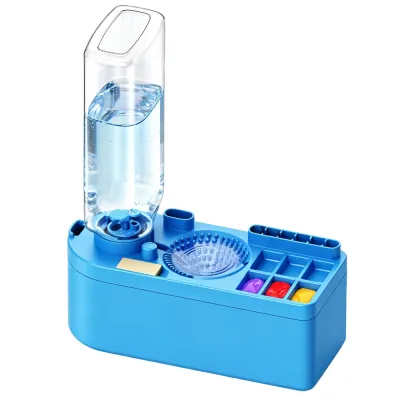

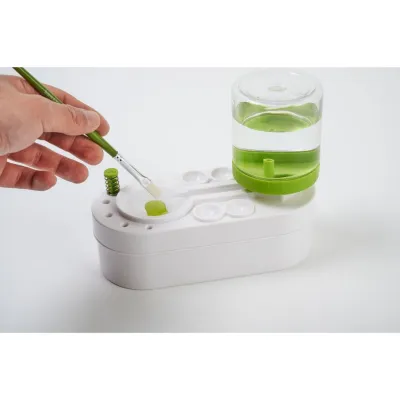
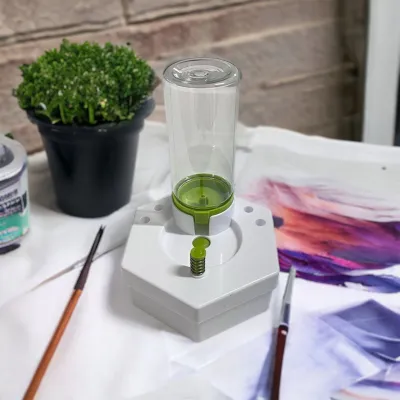
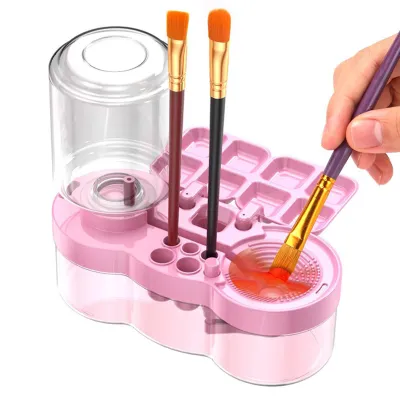
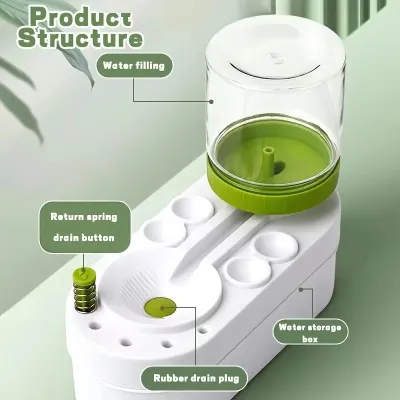
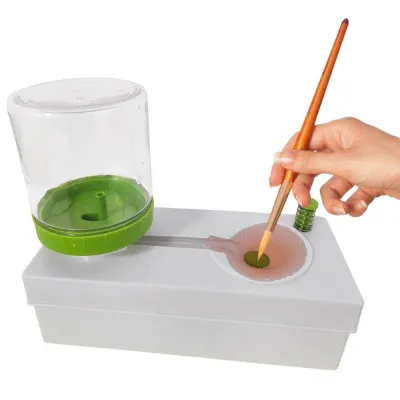
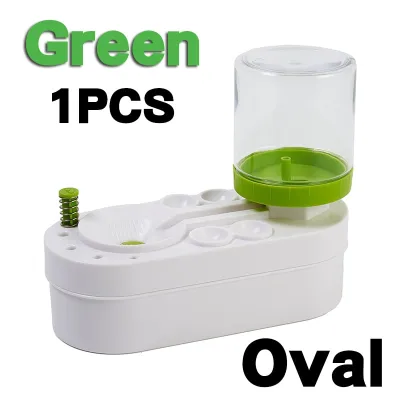
Prices are valid at publication and may change. Please refer to the product page for the latest price.
Threaded connections and sealing gaskets are critical points of failure that separate reliable brands from cheap imitations. A dependable paint rinser utilizes deep, precision-molded threads on its water reservoir to ensure a tight, cross-thread-resistant connection with the base. Look for brands that incorporate thick, high-density silicone O-rings or gaskets within these threaded joints. When the reservoir is screwed into place, these gaskets compress to form an airtight and watertight seal, preventing slow leaks that can pool on your desk. If a brand uses thin, low-grade rubber seals, they are highly prone to drying out, cracking, and losing their elasticity within a few months of regular use.
Base stability is another essential factor, especially when working on crowded desks or delicate papers. A reliable paint rinser must feature a low center of gravity, meaning the base should be significantly wider and heavier than the water reservoir when filled. Brands that integrate non-slip silicone feet or suction bases offer superior stability, preventing the unit from sliding or tipping when you vigorously clean a brush. The weight distribution should remain balanced even as the water level in the reservoir depletes, ensuring the unit does not become top-heavy or unstable during active painting sessions.
Finally, ease of disassembly is paramount for maintaining hygiene and functionality. Over time, pigment particles, binder residues, and dried paint will inevitably settle in the internal channels and valves of a gravity-fed or pump-action paint rinser. Reliable brands design their products with modular, snap-together or threaded components that can be completely taken apart without the use of specialized tools. If a paint rinser features glued joints or inaccessible internal chambers, it will eventually clog, harbor mold, and become unusable. Prioritize brands that provide clear instructions on how to strip the unit down to its individual components for thorough cleaning.
Matching Rinser Designs to Your Primary Painting Medium
Different painting mediums impose unique physical and chemical demands on a paint rinser, meaning a brand that excels for watercolorists might not be the best choice for acrylic painters. Watercolor and ink artists require a constant supply of pristine water to maintain the transparency and luminosity of their washes. For these mediums, look for brands that offer multi-compartment designs or gravity-fed fresh water systems. These systems allow you to flush dirty water into a waste reservoir and instantly replenish the well with clean water at the press of a button. Additionally, watercolorists who use large wash or hake brushes should verify that the rinsing well features a wide, unobstructed opening to accommodate broad brush heads without bending or damaging the delicate natural hair bristles.

Acrylic paints present a different set of challenges due to their fast-drying, polymer-based binders. When acrylic paint dries, it forms a water-resistant plastic film that can permanently bond to porous surfaces and clog narrow drainage channels. If you primarily paint with acrylics, select a brand that utilizes completely non-porous materials, such as high-gloss plastics or glass, which allow dried acrylic skins to be easily peeled or scraped away. Furthermore, the rinser should feature an airtight lid or a sealed reservoir system to prevent the water inside from evaporating or skinning over during extended painting sessions, which can introduce dried paint flakes back onto your brush.
For gouache, tempera, and heavy-body paints, the primary requirement is efficient pigment removal. These mediums contain high concentrations of binders and solids that settle quickly and cling to brush fibers. A reliable paint rinser for heavy-body mediums must feature aggressive cleaning textures, such as molded plastic ridges, silicone scrubbers, or flexible teeth at the bottom of the rinsing well. Gently dragging your brush across these textured surfaces helps open up the bristles and release trapped pigment without requiring excessive force that could damage the brush ferrule. Ensure the brand you choose uses solvent-resistant materials if you plan to use specialized brush cleaners or mild solvents to break down stubborn paint residues.
Where to Source and Verify Paint Rinser Brands in Singapore
Sourcing a genuine, high-quality paint rinser in Singapore requires a strategic approach to avoid low-grade counterfeits or poorly manufactured imports. Visiting local physical art supply stores, particularly those located in established cultural and retail hubs, is highly recommended for a hands-on evaluation. Physical stores allow you to inspect the thickness of the plastic, test the smoothness of the lid threading, and feel the overall weight and balance of the unit. You can also physically compress the silicone seals to verify their elasticity and check for any visible manufacturing defects, such as uneven seams or flashing on the plastic edges, which can compromise the watertight seal.
When shopping online, utilizing reputable e-commerce platforms and official brand stores is the best way to ensure authenticity and access detailed product specifications. Ensure that the listings display prices clearly in S$ and provide comprehensive dimensions, capacity measurements, and material certifications. Official brand stores often provide downloadable user manuals and detailed diagrams of the internal valve mechanisms, allowing you to verify the design before making a purchase. Be cautious of listings on generic online marketplaces that use stock photos and lack detailed technical descriptions, as these are often low-quality replicas.
To verify the long-term reliability of a specific brand, closely examine verified user reviews and seller ratings. Look for feedback from artists who have used the product regularly for several months, paying close attention to any mentions of leaks, valve failures, or difficulty in cleaning. A reputable seller should offer a clear return policy or a limited warranty against manufacturing defects. Checking the manufacturer’s official website for replacement part availability—such as spare silicone gaskets, reservoirs, or valves—is a strong indicator of a brand’s commitment to product longevity and customer support.
Daily and Weekly Maintenance to Keep Your Rinser Reliable
Even the most reliably engineered paint rinser will fail prematurely if it is not properly maintained, especially in Singapore’s warm and highly humid tropical climate. Daily care is essential to prevent pigment buildup and the growth of bacteria or mold in standing water. At the end of every painting session, empty both the clean water reservoir and the waste water basin completely. Rinse all components with clean, running water to flush out any loose pigment particles. Afterward, leave the disassembled parts to air-dry completely in a well-ventilated area. Avoid storing the unit while it is still damp, as the trapped moisture can quickly lead to musty odors and black mold spots along the silicone seals.
Weekly deep cleaning is necessary to remove stubborn stains, binder residues, and microscopic organic growth that daily rinsing misses. Wash all non-porous components using mild dish soap, warm water, and a soft microfiber cloth or a non-abrasive sponge. Never use harsh abrasive scrubbers, steel wool, or strong chemical solvents, as these can scratch the plastic surfaces. Micro-scratches create ideal breeding grounds for bacteria and make it easier for pigments to permanently stain and bond to the material. For sanitizing, a gentle solution of diluted white vinegar can be used to wipe down the surfaces and eliminate any lingering odors without degrading the polymer structure.
Regularly inspecting the silicone seals and O-rings is crucial for maintaining the leak-proof integrity of your paint rinser. Every few weeks, remove the gaskets and check them for signs of wear, such as cracking, stiffness, discoloration, or mold accumulation. Clean the gaskets gently with soapy water, dry them thoroughly, and ensure they are seated perfectly flat within their grooves when reassembling. If a seal shows signs of degradation, replace it immediately using manufacturer-approved parts to prevent sudden leaks during use. Applying a tiny amount of food-safe silicone grease to the threads and seals can also help maintain smooth operation and prolong the lifespan of the rubber.
Proper storage conditions are vital for protecting your paint rinser from environmental degradation when it is not in active use. Store the completely dry unit in a cool, dark cupboard or drawer away from direct sunlight. Prolonged exposure to ultraviolet (UV) radiation from sunlight can cause plastics to become brittle, fade, and crack, while also accelerating the breakdown of silicone seals. Keep the unit away from direct heat sources, such as air conditioning exhaust vents or sunny windowsills, to prevent warping of the plastic components and ensure your paint rinser remains a reliable fixture of your creative workspace for years to come.
Frequently Asked Questions (FAQ)
Can I use a standard plastic cup instead of a dedicated paint rinser?
While a standard plastic cup is a cheap and accessible temporary solution, it lacks the engineered features that make a dedicated paint rinser reliable for regular projects. Standard cups have a high center of gravity and a lightweight base, making them highly susceptible to tipping over and spilling dirty water across your workspace. They also lack textured cleaning surfaces, meaning you must press harder to clean your brushes, which can damage delicate bristles over time. Furthermore, a single cup quickly becomes contaminated with pigment, forcing you to constantly interrupt your workflow to change the water, whereas a dedicated rinser separates clean and dirty water efficiently.
How often should I replace the silicone seals in my paint rinser?
The replacement frequency for silicone seals depends on your painting frequency and maintenance habits, but a general guideline is to inspect them every three to six months. If you paint daily, the seals may need replacement once a year due to constant compression and exposure to water. Observable signs that a seal needs immediate replacement include visible cracks, loss of elasticity (the silicone feels stiff or brittle), persistent mold stains that cannot be cleaned, or slow water weeping from the joints. Always check the manufacturer’s guide or official brand store for compatible replacement gaskets to ensure a perfect, leak-free fit.
Are glass paint rinsers more reliable than plastic ones for acrylics?
Glass and plastic paint rinsers each offer distinct trade-offs regarding reliability and usability for acrylic painting. Glass rinsers are highly reliable because they are completely non-porous, meaning acrylic binders cannot permanently stain or bond to the surface, allowing for effortless cleaning. They also provide excellent weight and stability on your desk. However, glass is fragile, heavy, and prone to breaking if dropped, making it less suitable for travel or outdoor painting. High-quality, solvent-resistant plastic rinsers offer a lightweight, durable, and shatterproof alternative, though they may require more frequent cleaning to prevent acrylic skins from building up on the textured surfaces.
Community discussion
Share your experience or ask a question. Comments are reviewed before publication.