
Quick Answer: Which Name Stamp Do You Need?
Preparing your child for a new school term in Singapore involves managing an extensive list of belongings, from uniforms and physical education (PE) kits to textbooks, stationery, and water bottles. Keeping these items from vanishing into the school’s lost-and-found bin requires clear, durable labeling. When choosing a name stamp, your decision depends entirely on the surface material of the items you need to mark.
A fabric name stamp is the ideal tool if your primary goal is labeling washable textiles. This includes school uniforms, PE shirts, shorts, socks, canvas school bags, and hand towels. These fabrics undergo frequent laundry cycles and require a specialized ink that bonds with fibers to prevent fading.
Conversely, a paper or multi-surface object stamp is the correct choice if you need to label textbooks, exercise books, files, rulers, lunch boxes, and water bottles. Using the wrong stamp on these items can lead to frustrating results. Applying standard paper ink to a school uniform will cause the name to wash out during the very first laundry cycle, while using slow-drying fabric ink on a glossy notebook cover or plastic pencil case will result in immediate smudging and illegible black marks.
Products mentioned in this guide
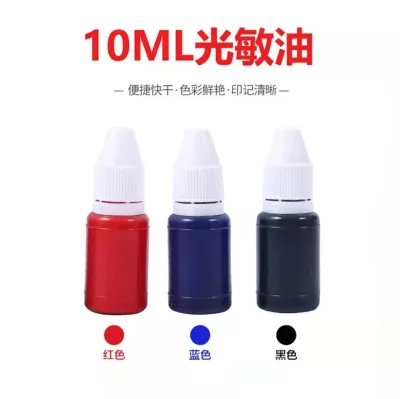
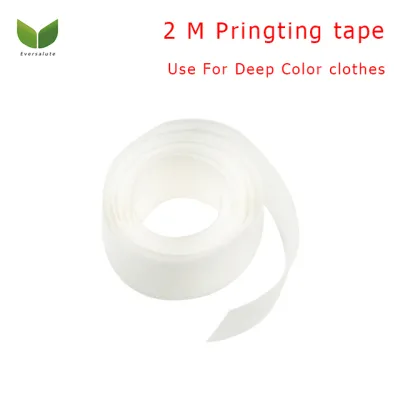
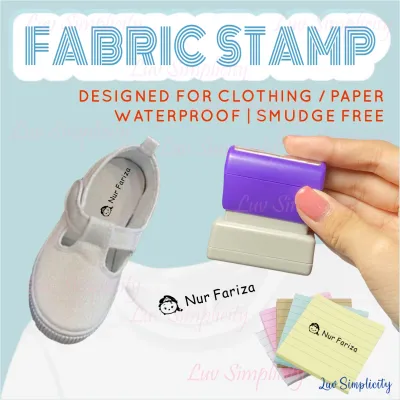

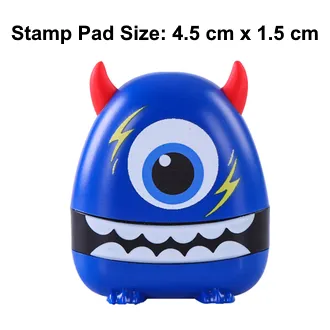
Prices are valid at publication and may change. Please refer to the product page for the latest price.
Core Differences: Ink, Durability, and Surface Adhesion
To understand why one stamp cannot easily do the job of both, it is helpful to look at how these tools are engineered. Name stamps are not generic marking devices; they are precision stationery items designed with specific ink chemistry, delivery mechanisms, and surface adhesion properties. Using a stamp on an incompatible material usually ends in a messy smudge or a label that disappears after a single day of school activities.

Ink Formulation and Washability
The fundamental difference between these two categories lies in the chemical formulation of the ink. Fabric name stamps utilize specialized textile inks that are formulated to penetrate deep into the woven fibers of clothing. Once applied, these inks undergo a curing process where the colorants chemically bond with the natural or synthetic threads. This bonding allows the mark to withstand the mechanical friction of washing machines, the chemical action of laundry detergents, and the heat of tumble dryers. Before washing any stamped garment, check the manufacturer’s instructions. Some textile inks require a 24-to-48-hour curing period to set completely, while others require heat-setting with an iron.
Standard paper stamps typically employ water-based inks designed to absorb rapidly into porous paper and cardboard. Because paper fibers are highly absorbent, the ink sinks in and dries almost instantly without feathering. However, because these inks lack the binding agents found in textile inks, they dissolve and bleed if they touch water. If you use a standard paper stamp on a uniform, the ink will wash out and potentially stain the garment. For non-porous surfaces like plastic, multi-surface stamps use solvent-based inks that dry through evaporation, leaving a thin, durable film of color on the surface rather than absorbing into it.
Drying Time and Smudge Resistance
Drying time is another critical performance metric where these two stamp types diverge significantly. Paper stamps are engineered for rapid evaporation and absorption. When a student stamps their name inside a textbook or on the first page of an exercise book, the ink must dry within seconds. This rapid drying prevents the ink from transferring to the opposite page when the book is closed or smearing when another book is stacked on top of it.
Fabric ink behaves very differently because it is formulated to remain wet slightly longer. This extended wet state is intentional, as it gives the ink sufficient time to sink deep into the weave of the fabric rather than sitting on top of the surface fibers. If you attempt to use a fabric stamp on a glossy paper notebook cover or a plastic ruler, the ink will not be able to penetrate the non-porous material. Instead, it will pool on the surface, remaining wet for hours. Any physical contact will immediately smear the wet ink, ruining the appearance of the item and transferring ink onto your child’s hands, clothes, or school desk.
In humid environments like Singapore, moisture in the air can prolong drying times for both textile and multi-surface inks. Test the stamp on a hidden area or scrap material first to verify the drying time and clarity before stamping visible areas of your child’s school gear.
When to Use a Fabric Name Stamp for School Gear
Fabric name stamps are indispensable tools for managing the extensive wardrobe required for school life. In a typical school week, a student cycles through multiple sets of daily uniforms, PE attire, socks, and specialized gear for co-curricular activities (CCAs). Because these items are frequently misplaced during changing times or sports activities, having a clear, permanent mark is essential for easy identification.
The primary candidates for a fabric name stamp include:
- Daily school uniforms: Cotton, polyester, or blended shirts, blouses, trousers, skirts, and pinafores.
- PE attire: Lightweight, breathable synthetic mesh shirts, dry-fit tops, and athletic shorts.
- Socks and undergarments: Small, easily mixed-up items that are difficult to label with traditional sew-on tags.
- Cloth bags and accessories: Canvas tote bags, library bags, fabric pencil cases, and drawstring shoe bags.
- Towels and linens: Hand towels, bath towels for swimming class, and nap-time blankets for younger children.
To achieve a clean, long-lasting impression, lay the garment flat on a hard, smooth surface; stamping on an uneven surface like an ironing board results in a patchy print. Ensure the fabric is clean, dry, and free of fabric softeners. Press the stamp down firmly and evenly for two to three seconds without rocking it. Avoid stamping directly over seams, zippers, or highly textured ribbing, as these prevent full contact. Instead, target flat areas like the inside collar band or the manufacturer’s care label.
While high-quality fabric ink is engineered to withstand regular laundering, its lifetime is not infinite. Over the course of a school year, repeated exposure to harsh laundry detergents, bleach, fabric softeners, and high-temperature washing or tumble drying will gradually break down the ink bonds, causing the text to fade. To maximize the longevity of the stamp, wash garments inside out on a gentle cycle using cold or lukewarm water. If you notice the name becoming faint or difficult to read, simply re-stamp the item over the original impression or on an adjacent clean spot at the start of the next school term to ensure your child’s clothes remain clearly labeled.
When to Use a Paper or Multi-Surface Name Stamp
While fabric stamps handle the wardrobe, your child’s daily school life is also filled with learning materials and personal items that require a different labeling approach. Textbooks, workbooks, stationery, and hydration gear are highly prone to being misplaced, left behind in classrooms, or accidentally swapped with classmates who have identical items.
The ideal items for a paper or multi-surface name stamp include:
- Paper goods: Textbooks, exercise books, drawing pads, folders, and paper files.
- Stationery items: Wooden pencils, plastic pens, rulers, calculators, and pencil cases.
- Personal dining gear: Plastic lunch boxes, snack containers, and stainless steel or plastic water bottles.
- Storage containers: Plastic art boxes, supply organizers, and cubby bins.
Standard paper stamp ink is water-soluble and designed exclusively for porous paper. If used on a plastic lunch box or water bottle, it will fail to adhere and wash off during cleaning. Furthermore, water bottles frequently experience condensation in warm climates, causing standard paper ink to run, smear, and stain school bags or hands.
To label non-porous items like plastic, metal, or laminated book covers, use a specialized multi-surface name stamp. These utilize solvent-based, water-resistant inks engineered for smooth surfaces. Clean the area with rubbing alcohol first to remove oils or residues that prevent adhesion. After stamping, let the ink cure fully according to the manufacturer’s instructions—often up to 24 hours—before handling or washing.
Safety is paramount when labeling items that come into contact with food or drink. Always avoid stamping directly on surfaces that will touch food, such as the inside of lunch boxes, or areas that make contact with your child’s mouth, such as the spout, rim, or straw of a water bottle. Apply the stamp strictly to the exterior body of the container, and ensure the ink has fully dried and cured to prevent any accidental ingestion of dry ink particles.
Quick Comparison: Fabric vs. Paper Name Stamps
To help you quickly evaluate the features of both options, the table below outlines the primary differences between fabric name stamps and paper or multi-surface object stamps. This comparison highlights their optimal uses, ink characteristics, and maintenance requirements.
| Feature | Fabric Name Stamp | Paper/Object Name Stamp |
|---|---|---|
| Best Surfaces | Cotton, polyester, linen, canvas, and blended fabrics | Paper, cardboard, plastic, metal, and laminated surfaces |
| Ink Type | Specialized textile ink (pigment-based) | Water-based (for paper) or solvent-based (for multi-surface) |
| Washability | High; designed to withstand machine washing and tumble drying | Low (standard paper ink) to High (cured multi-surface ink) |
| Water Resistance | Excellent (once fully cured) | None (standard paper ink) to Excellent (multi-surface ink) |
| Drying Time | Slower (requires time to penetrate fibers; 24-hour cure) | Near-instant on paper; 5 to 30 minutes on non-porous surfaces |
| Ideal School Items | Uniforms, PE kits, socks, towels, and canvas bags | Textbooks, exercise books, stationery, water bottles, and lunch boxes |
By understanding these core differences, you can select the most effective tool for each item on your school preparation checklist, saving time and avoiding ruined materials.
How to Choose the Right Stamp for Your Child's Belongings
Selecting the right name stamp involves assessing the specific mix of items your child needs for school, their age, and any specific physical requirements. To guide your purchasing decision, use the following practical framework:
- Choose a Fabric Stamp if: You need to label dozens of clothing items and textiles that will go through weekly laundry cycles. If your child is entering a new school or starting preschool, they will have multiple sets of identical garments that undergo constant washing. A fabric stamp will save hours of tedious hand-sewing or ironing on name tags.
- Choose a Paper/Object Stamp if: Your main priority is keeping track of expensive textbooks, stationery, and daily carry items that do not require washing. This is highly relevant for older students who handle a larger volume of specialized books, files, and drawing materials.
- Consider a Combo Set if: You are preparing for the start of the school year and need to label both uniforms and stationery; many brands offer dual kits with separate ink pads. This offers a highly cost-effective and space-saving solution.
- Verify First if: You are stamping items for a child with sensitive skin; check the product packaging to ensure the ink is certified non-toxic and safe for indirect contact.
Beyond the ink type, pay close attention to the physical dimensions of the stamp and its customization options. Most name stamps allow you to customize the text with your child’s full name, and some even have space for a second line to include a contact phone number or class designation (e.g., ‘Primary 1-A’). Ensure the font size is large enough to be legible but compact enough to fit onto narrow labels, pencil cases, or the tags of small items like socks. Selecting a stamp with a simple, clear font will make it easier for teachers, bus drivers, and other students to identify and return your child’s lost belongings quickly.
Frequently Asked Questions (FAQ)
Can I use a fabric name stamp on paper or notebooks?
While fabric ink will technically leave a mark on paper surfaces, using it on notebooks or textbooks is not recommended. Fabric ink is formulated with a much wetter, slower-drying consistency to allow it to penetrate textile fibers. When applied to standard notebook paper, this wet ink is highly likely to bleed through the page, ruining the writing surface on the reverse side. Additionally, because the ink does not dry instantly on paper, it will easily smudge when the pages are turned or when the book is closed, leaving unsightly smears across your child’s schoolwork.
How long does the ink last on washed school uniforms?
The longevity of a fabric stamp impression depends on several factors, including the specific ink formulation, the fabric composition, the type of laundry detergent used, and the washing temperature. Generally, a high-quality textile stamp will remain clear and legible for several months, typically lasting through 30 to 50 wash cycles. To maintain maximum legibility, wash stamped garments in cold water and avoid using harsh bleaching agents. It is a good practice for parents to inspect all labeled clothing at the start of each new school term and re-stamp any items where the text has begun to fade.
Are self-inking name stamps safe for young children to use?
Most reputable name stamps designed for school-aged children utilize non-toxic, acid-free, and water-based or mild solvent inks that are safe for general handling. However, parents should always supervise young children during the stamping process. This supervision prevents children from stamping their skin, rubbing ink into their eyes, or accidentally ingesting the ink. Additionally, self-inking stamps contain moving mechanical parts and springs; keeping an eye on younger kids ensures they do not pinch their fingers in the mechanism while stamping their school supplies.
Community discussion
Share your experience or ask a question. Comments are reviewed before publication.