
Navigating public transport in Singapore requires a reliable payment method, but the landscape of transit cards and systems can be confusing. While EZ-Link and NETS are traditional stored-value cards, SimplyGo represents a shift toward account-based ticketing using everyday bank cards. The ideal option depends entirely on whether you prioritize retail spending flexibility, minimizing the items in your wallet, or accessing specific concession rates. This guide breaks down the core differences, convenience factors, and financial implications to help you choose the right transit payment method for your daily routine. Understanding how each system operates is the first step toward optimizing your daily travel.
Understanding the Core Differences: Cards vs. Systems
To make an informed choice, you must first understand that you are not just comparing different brands of cards, but two entirely different technological systems. Traditional transit cards, such as standard EZ-Link and NETS FlashPay or NETS Motoring cards, operate on a card-based ticketing (CBT) system. In this setup, your monetary balance is stored directly on the physical chip embedded within the card. When you tap your card at an MRT gantry or a bus reader, the system instantly reads the chip, calculates the fare, deducts the amount, and displays your remaining balance on the screen.
In contrast, SimplyGo is an account-based ticketing (ABT) system. Instead of storing your money on the card itself, SimplyGo links your payment method—whether it is a contactless credit card, debit card, or a dedicated SimplyGo compatible transit card—to a digital account managed on a central backend server. When you tap at a gantry, the reader simply records your card identifier and sends the transaction data to the backend server for processing. Because the fare calculation occurs on the backend rather than at the physical gate, the gantry screen will display “SimplyGo” or “Under Processing” instead of showing your remaining balance.
Products mentioned in this guide
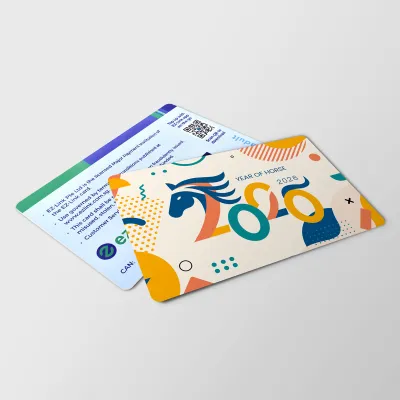
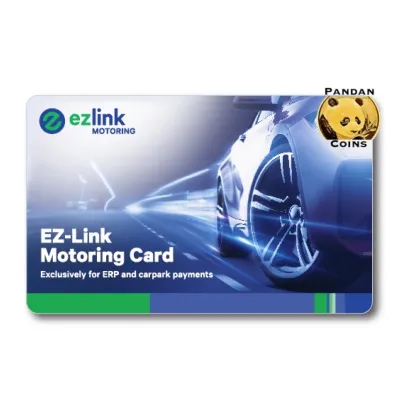
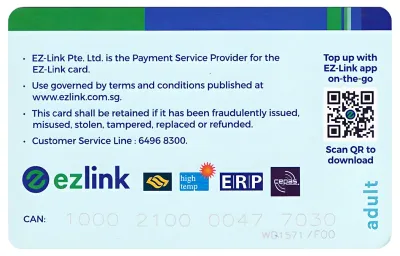


Prices are valid at publication and may change. Please refer to the product page for the latest price.
This technological shift means that managing your funds looks very different depending on the system you choose. Traditional card users must physically top up their cards at ticketing machines or designated retail outlets to ensure they have sufficient balance before boarding. SimplyGo users, particularly those using contactless bank cards, do not need to perform manual top-ups at all, as fares are billed directly to their bank accounts or credit card statements. Understanding this fundamental distinction between physical card-based storage and backend account-based tracking is essential for evaluating convenience and usability.
Comparing Daily Commute Convenience and Acceptance
Transit acceptance is highly consistent across all three options. Whether you choose a traditional EZ-Link card, a NETS card, or a SimplyGo-enabled bank card, you can tap in and out of all public buses and Mass Rapid Transit (MRT) stations across Singapore. However, differences emerge beyond standard public transit. If you frequently use private transport, such as specific taxis, private shuttle buses, or cross-border bus services to Malaysia, you must verify which payment methods are accepted, as some private operators only support traditional stored-value cards.

Retail acceptance is another critical factor that varies between these payment methods. Traditional EZ-Link and NETS cards have long-established networks of local merchants, particularly small businesses, school canteens, and neighborhood shops, where you can make quick micro-payments by tapping your physical card. SimplyGo bank cards, on the other hand, rely on standard credit and debit card payment terminals. While credit card acceptance is nearly universal in major shopping malls and supermarkets, some smaller hawker stalls or neighborhood merchants may only accept NETS or traditional stored-value cards, making a physical transit card highly useful for local errands.
Carrying a physical card versus going digital also influences daily convenience. SimplyGo allows you to link your credit or debit cards to mobile wallets on your smartphone or smartwatch, such as Apple Pay, Google Pay, or Samsung Pay. This integration means you can complete your entire daily commute without ever pulling a physical wallet out of your bag. If you prefer a minimalist lifestyle and want to reduce the number of items you carry, using a mobile device via SimplyGo offers an unmatched level of convenience compared to carrying a dedicated physical EZ-Link or NETS card.
Evaluating Costs, Top-Ups, and Financial Benefits
Evaluating associated costs, top-up processes, and potential financial benefits is essential before choosing a transit payment method. Physical transit cards, whether EZ-Link, NETS, or SimplyGo-branded physical cards, generally incur an initial purchase fee when bought at transit offices, convenience stores, or online marketplaces. This fee typically consists of a non-refundable card cost alongside a set amount of stored travel value. Check the current official rates at authorized sales points to compare upfront costs.
The top-up process also carries different financial and practical implications. Traditional stored-value cards require you to monitor your balance and perform manual top-ups at ticketing machines, convenience stores, or through dedicated mobile apps. While many manual top-up methods are free, some third-party merchants or specific payment channels may charge a small administrative fee per transaction. For SimplyGo bank card users, manual top-ups are entirely eliminated, but you should verify with your bank whether any administrative charges or processing fees apply to daily transit transactions, particularly if you are using a card linked to a specialized account.
Financial rewards and cashback programs can also influence your decision. Many local banks offer credit or debit cards that provide cashback, reward points, or air miles for contactless transactions, which often include transit spending processed through SimplyGo. If you use a traditional EZ-Link or NETS card, you generally do not earn these direct bank rewards, though some cards offer proprietary loyalty points through their respective mobile apps. To maximize your savings, check the terms and conditions of your existing bank cards to see if transit spending qualifies for their reward categories.
Concession Rates and Special Commuter Needs
Specific user groups must consider concession rates when choosing a transit card. Students, senior citizens, persons with disabilities, and workfare transport concession scheme beneficiaries are eligible for heavily discounted transit fares. These discounted rates are tied directly to personalized concession cards issued by the transit authority. Standard adult credit or debit cards used via SimplyGo cannot automatically apply these concession discounts, meaning eligible commuters must use their designated concession cards to enjoy lower fares.
Fortunately, the transit authority has integrated concession profiles with the SimplyGo system. This integration allows concession cardholders to manage their cards digitally, view their travel history, and perform remote top-ups through the official SimplyGo mobile application. If you are eligible for a concession rate, you can apply for a physical concession card or transition your existing concession profile to the SimplyGo platform, depending on your preference for balance tracking and top-up convenience.
Because eligibility criteria, application procedures, and card replacement fees can change, it is highly recommended to consult the official transit authority website before making any changes to your concession card. This ensures you have the most accurate information regarding required documentation, processing times, and how to properly link your concession profile to avoid paying standard adult fares during your daily commute.
Decision Framework: Which Transit Payment Fits You?
To determine the ideal transit payment method for your daily routine, consider how your spending habits, wallet preferences, and eligibility for discounts align with each option.
You should choose a traditional EZ-Link card if you prefer a dedicated, standalone card for transit that does not require linking to a personal bank account. This option is highly suitable for parents managing their children’s travel expenses, or for individuals who frequently make micro-payments at local neighborhood shops and school canteens that accept traditional stored-value cards.
You should choose a NETS card if you want to integrate your transit payment with the broader NETS merchant ecosystem. This is particularly useful if you already use NETS for motoring expenses, such as electronic road pricing or car park charges, and want a single physical card that can handle both your driving and public transit needs.
You should choose SimplyGo with a contactless bank card if your primary goal is to minimize the number of physical cards in your wallet. This method is ideal for working professionals who want to use their existing credit cards, debit cards, smartphones, or smartwatches to pay for transit while earning bank cashback or reward points on their daily commute.
Before making your final decision, always verify your specific circumstances. If you are a foreign visitor, check if your international card is supported and what fees may apply. If you qualify for concession rates, ensure you use the correct designated concession card rather than a standard adult bank card to avoid unnecessary travel expenses.
Frequently Asked Questions (FAQ)
Can I use my foreign-issued credit card for SimplyGo?
Yes, major international contactless credit and debit cards are generally accepted at transit gantries throughout Singapore. However, before using your foreign-issued card for your daily commute, you should contact your card issuer to verify if they impose foreign transaction fees, currency conversion charges, or specific administrative fees for overseas transit taps. These additional charges can accumulate quickly, making a local stored-value card a more cost-effective option for long-term visitors or expats who do not yet have a local bank account.
What happens if my SimplyGo bank card is declined at the gantry?
If your SimplyGo bank card is declined at an MRT gantry or bus reader, it is usually due to insufficient funds in the linked bank account, an expired card, or a temporary security block placed by your bank. To resolve this, you can use an alternative payment method, such as a physical stored-value card or a different contactless bank card, to complete your journey. You can also log into the official SimplyGo mobile app or contact your bank to check the specific reason for the decline and reactivate your card for transit use.
How do I transfer my balance if my physical EZ-Link or NETS card is lost?
If you lose a physical stored-value card, your ability to recover the remaining balance depends on whether the card was registered. Registered EZ-Link and NETS cards can be blocked online or through their respective customer service channels to prevent unauthorized use, and any remaining balance can be refunded to your bank account according to the issuer’s refund timelines. For unregistered cards, the stored value is treated like cash and cannot be recovered if lost, highlighting the importance of registering your physical cards or switching to an account-based SimplyGo card for better security.
Community discussion
Share your experience or ask a question. Comments are reviewed before publication.