
Deciding whether to tap through Singapore’s transit gantries with a traditional EZ-Link card or a contactless bank card comes down to a balance between daily convenience, budget tracking, and your specific commuter profile. For the vast majority of adult commuters who already carry a contactless debit or credit card, bypassing the need for a separate transit card offers an incredibly streamlined travel experience. However, the classic stored-value card still holds significant value for specific demographics, including students, seniors, tourists, and those who prefer to keep their transit expenses strictly separated from their primary bank accounts.
Under Singapore’s unified SimplyGo system, both payment methods are fully integrated into the public transport network, meaning you can use either to board buses and trains seamlessly. The choice is no longer about which card is faster at the gantry, but rather how you prefer to manage your funds, track your daily travel history, and handle card top-ups. By evaluating how each option fits into your daily routine, you can choose the method that minimizes administrative hassle and fits your financial habits.
Understanding How Each Payment Method Works
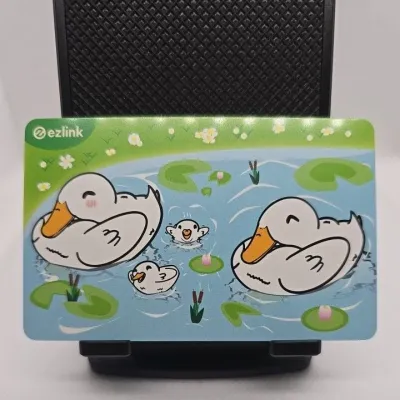
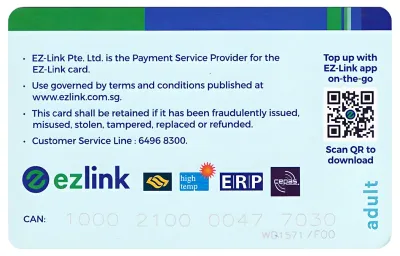
To make an informed choice, it is essential to understand the underlying technology and operational differences between these two payment methods. A standard EZ-Link card is a dedicated, physical stored-value card designed primarily for transit and micro-payments. When you use a traditional stored-value card, the fare is deducted directly from the balance pre-loaded onto the card chip. With the introduction of the SimplyGo system, many EZ-Link cards have transitioned to an account-based ticketing model, where the card is linked to a digital account, and transactions are processed on backend servers rather than directly on the physical card chip.
Products mentioned in this guide
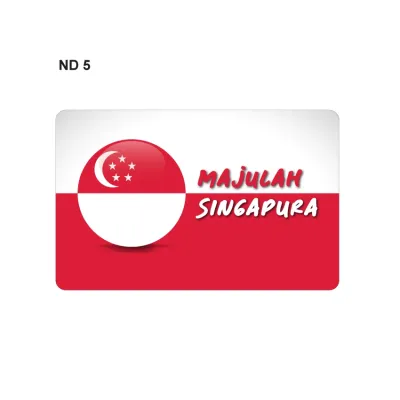
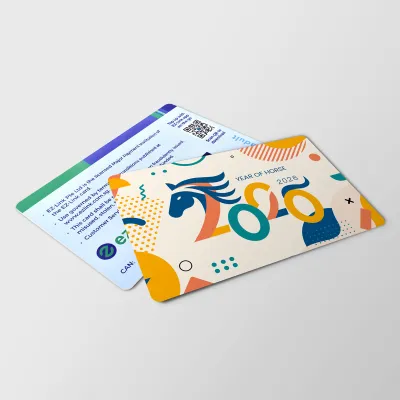


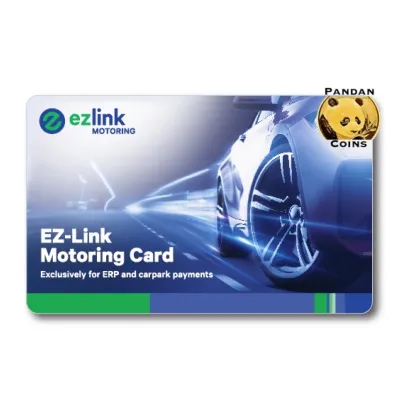
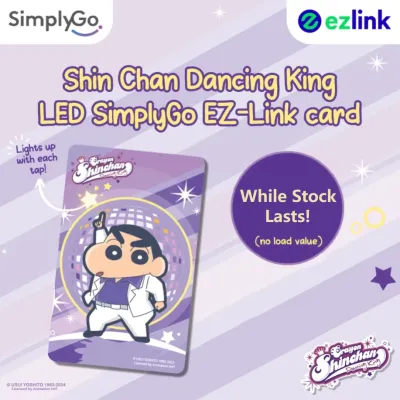
Prices are valid at publication and may change. Please refer to the product page for the latest price.
In contrast, contactless bank cards—which include credit cards, debit cards, and mobile wallets linked to these cards—bypass the need for any pre-loaded transit balance. When you tap a contactless bank card at an MRT gantry or on a bus card reader, the transit system records your entry and exit points. Instead of deducting the fare immediately from your bank account for every single trip, the system aggregates your fares over a period, typically daily or every few days, and posts the total accumulated amount as a single transaction on your bank statement.
This fundamental difference in processing affects how and when you see your money leave your account. Stored-value cards require you to maintain a minimum travel balance to pass through the gantries, meaning you must actively monitor and top up the card. Contactless bank cards eliminate this step entirely, drawing funds directly from your existing bank line or checking account, which simplifies your wallet and reduces the number of physical cards you need to carry.
Evaluating Costs, Fees, and Fare Structures
When comparing the financial aspects of both payment methods, you should consider initial acquisition costs, potential administrative fees, and how fares are calculated. An EZ-Link card typically requires an upfront purchase fee when acquired at transit ticketing offices, passenger service centres, or convenience stores. This initial cost generally consists of a non-refundable card fee alongside a small amount of pre-loaded travel value. If you lose the physical card, this card fee is lost, and you must purchase a new card to replace it.

Using an existing contactless bank card, on the other hand, incurs no upfront acquisition costs because you are utilizing a card you already own. However, you should verify with your card issuer whether any administrative fees apply to transit transactions. While local bank cards generally do not charge extra fees for domestic transit use, foreign-issued credit or debit cards used by travelers often incur foreign currency transaction fees or specific administrative charges per day of travel. It is highly recommended to check your bank’s fee schedule before relying on a foreign card for daily commuting.
In terms of actual transit fares, both EZ-Link cards and locally issued contactless bank cards charge the standard distance-based fares determined by the Public Transport Council. There is no fare premium for using a local bank card over an EZ-Link card. However, some banks offer promotional cashback, rebate points, or credit card rewards specifically for transit spending. If your bank card offers these incentives, using it for your daily commute can provide a small financial advantage over a standard stored-value card.
Comparing Daily Convenience and Multi-Purpose Use
The day-to-day convenience of each card depends heavily on your personal preferences for reloading and tracking expenses. For many, the greatest advantage of a contactless bank card is the elimination of the top-up process. There is no need to queue at ticketing machines, link a card to an auto-load service, or worry about having insufficient funds at the gantry. Your travel is as seamless as tapping your wallet or mobile device, making it highly efficient for busy professionals and daily commuters.
Conversely, managing an EZ-Link card requires regular attention to the card’s balance. While you can set up automatic top-ups linked to a bank account or credit card, doing so requires an initial setup process. For those who prefer manual top-ups, you must visit a ticketing machine or use a mobile app to add funds. However, this manual process offers a distinct advantage for budget-conscious individuals: it allows you to allocate a strict, fixed monthly budget for transit, preventing transport costs from blending into your general bank transactions.
Expense tracking also differs between the two systems. With account-based EZ-Link cards and contactless bank cards integrated into the SimplyGo platform, you can track your travel history, view detailed trip fares, and monitor expenditures via the official SimplyGo mobile app or online portal. If you use a bank card without registering it on the app, your bank statement will only show aggregated charges, which can make it harder to pinpoint the exact cost of individual journeys. Additionally, EZ-Link cards retain a unique advantage in local micro-payments, as they are widely accepted at school canteens, neighborhood hawker centres, and specific vending machines where standard credit or debit cards might not be supported.
Navigating Options for Tourists, Children, and Concession Users
The choice between these payment methods is often pre-determined by the commuter’s demographic profile or residency status. For tourists visiting Singapore for a short period, using a contactless bank card is highly convenient as it eliminates the need to purchase a local transit card that they may never use again. However, international visitors must weigh this convenience against potential foreign transaction fees. For those planning extensive travel over a few days, purchasing a dedicated tourist pass or a standard stored-value card might be more economical and help avoid unexpected bank charges.
Children, students, senior citizens, and persons with disabilities have access to specialized concession schemes that offer significantly discounted transit fares. These concession rates are tied directly to personalized concession cards issued by transit authorities. Standard adult contactless bank cards do not support these subsidized rates. Therefore, individuals eligible for concession fares must continue to use their dedicated physical concession cards to enjoy discounted travel, as tapping a standard bank card would result in being charged full adult fares.
For parents managing their children’s travel expenses, a physical stored-value card or a student concession card remains the safest and most practical option. It teaches children basic financial responsibility by letting them manage a physical card with a limited balance, without the risks associated with carrying a fully functional debit card linked directly to a bank account.
Making Your Choice: A Commuter's Decision Checklist
To finalize your decision, consider this straightforward checklist based on your daily habits and lifestyle requirements. You should opt for a contactless bank card if you want to minimize the number of cards in your wallet, prefer to avoid manual top-ups entirely, and already carry a compatible local debit or credit card. This option is also ideal for those who want to use mobile payment systems on their smartphones or smartwatches for maximum convenience at the transit gantries.
On the other hand, an EZ-Link card is the better choice if you are managing transit expenses for a child or dependent, prefer to keep a dedicated, pre-funded budget for your daily commute, or frequently make small purchases at local merchants that only accept stored-value cards. It is also the default option if you do not possess a compatible contactless bank card or prefer not to link your primary financial accounts to the transit network.
Before you head to the transit station, always verify that your chosen bank card is fully compatible with the local transit system. Ensure that contactless payment functionality is activated on your card through your bank’s mobile app or customer service hotline. If you plan to use a mobile wallet, test the device at a gantry to ensure smooth reading and avoid delays during peak commuting hours.
Frequently Asked Questions (FAQ)
Can I Tap In With One Card and Tap Out With Another?
No, you must always tap in and tap out using the exact same physical card or mobile device for every single journey. The transit system relies on matching your entry and exit taps to calculate the correct distance-based fare. If you tap in with a physical bank card and tap out with your smartphone linked to the same bank account, the system will treat these as two separate, incomplete journeys. This will result in both payment methods being charged a maximum penalty fare for an unresolved trip.
What Should I Do If My Bank Card Is Declined at the Gantry?
If your bank card is declined at the transit gantry, it is usually due to insufficient funds in your linked bank account, an expired card, or a temporary security block placed by your bank. To resolve this, you can try using an alternative contactless bank card, a mobile wallet, or a physical EZ-Link card to continue your journey. You should also log into your bank’s mobile app to check your account status or contact your card issuer to ensure that contactless transactions are enabled for transit use.
Community discussion
Share your experience or ask a question. Comments are reviewed before publication.