
Selecting the most suitable single blade nipper brand for precision craft cutting in Singapore depends on matching the tool’s steel hardness, blade geometry, and alignment tolerances to your specific crafting medium. While several prominent hobby brands are widely distributed across local hobby shops and online marketplaces, finding the right tool requires evaluating physical specifications rather than relying on brand names alone. A high-quality single blade nipper is an investment that can dramatically reduce sanding time and prevent delicate parts from fracturing during removal.
Singapore’s humid climate makes tool maintenance and material choice particularly critical, as high humidity can accelerate rust on high-carbon steel blades. Whether you are assembling intricate plastic scale models, building detailed papercraft architectures, or working with delicate resin miniatures, understanding how to evaluate these specialized tools ensures you get clean, flush cuts every time. By focusing on observable quality indicators and proper maintenance, crafters can secure a tool that delivers exceptional performance over years of use.
Understanding Single Blade Nippers for Precision Work
Standard craft nippers operate on a double-blade mechanism, where two sharpened edges meet in the center to pinch and shear the material. While this design is highly durable and suitable for rough cuts, the opposing forces exert significant lateral pressure on the material. In plastic crafting, this pinching action often crushes the surrounding plastic before the blades cut through, resulting in stress whitening, micro-fractures, or a raised burr that requires extensive sanding to remove.
Products mentioned in this guide
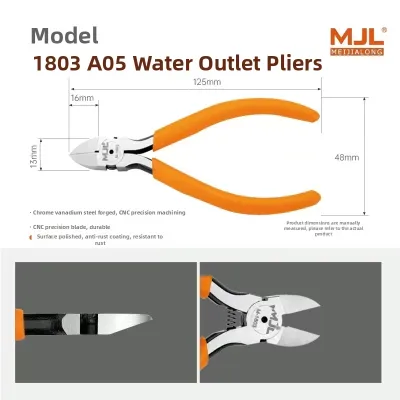
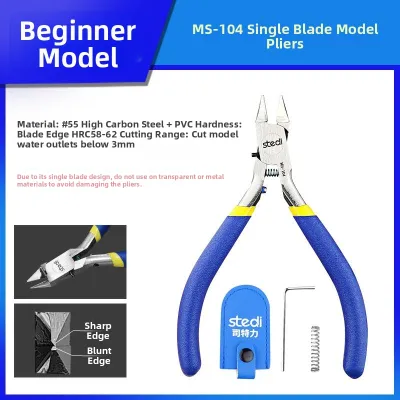
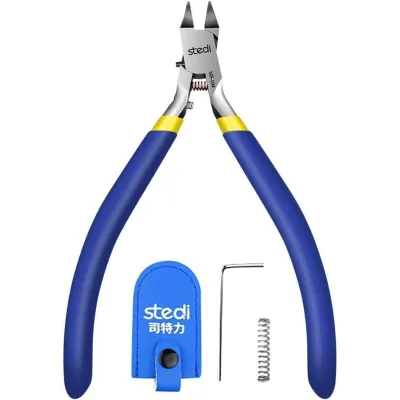
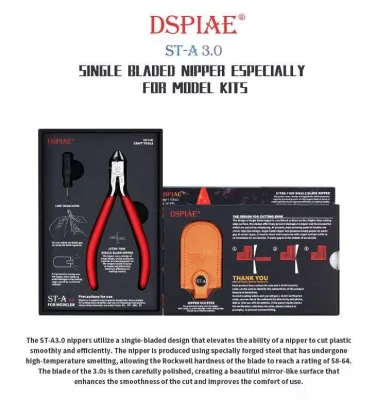
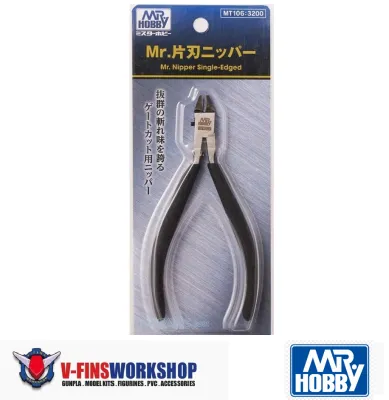
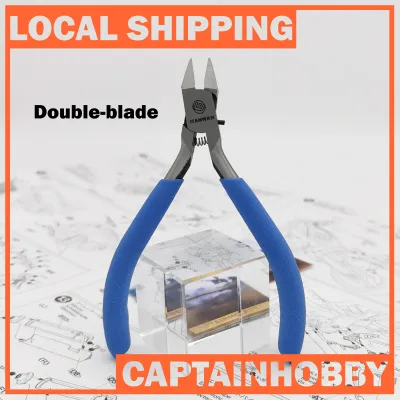
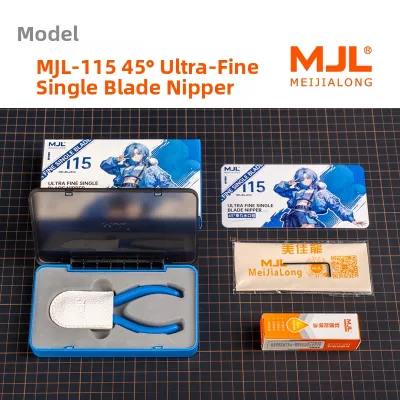
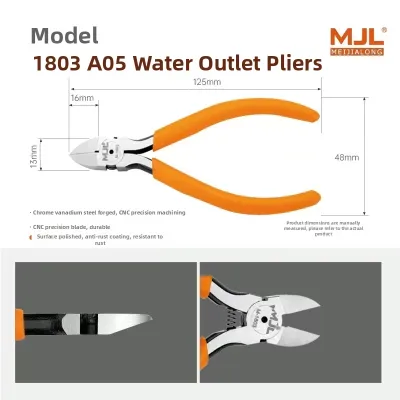
Prices are valid at publication and may change. Please refer to the product page for the latest price.
A single blade nipper solves this issue by utilizing an entirely different mechanical approach. One side of the jaw features an ultra-thin, razor-sharp cutting blade, while the opposing side consists of a flat, unsharpened anvil. During the cutting process, the anvil acts as a stable cutting board, holding the sprue or material firmly in place. The sharp blade then slices cleanly through the material from one direction, pressing it flat against the anvil rather than pinching it from both sides.
This slicing action dramatically reduces the physical force transmitted to the craft piece. Because the material is sliced rather than crushed, stress marks—which appear as unsightly white patches on colored plastics—are minimized or eliminated entirely. The resulting cut is exceptionally flush to the surface of the part, preserving the integrity of delicate components and saving hours of post-processing work.
For scale modelers working on intricate kits, this flush-cutting capability is essential for preserving fine details on tiny parts. In miniature assembly and detailed paper crafting, the clean edge ensures that interlocking tabs and joints align perfectly without warping. Understanding this mechanical difference is the first step in appreciating why single blade nippers require a more disciplined handling technique compared to their robust, double-bladed counterparts.
Key Evaluation Criteria for Nipper Brands
When evaluating different single blade nipper brands, the quality of the steel is the most critical factor determining the tool’s longevity and performance. High-quality brands typically construct their blades from high-carbon steel or specialized chromium-vanadium alloy steel. Look for manufacturer specifications that indicate the Rockwell hardness rating (HRC) of the cutting edge. Premium precision tools generally feature a hardness rating between 58 and 64 HRC, which allows the blade to retain its razor-sharp edge through thousands of cuts. However, harder steel is also more brittle, making the blade more susceptible to chipping if subjected to twisting forces.

Blade alignment and gap tolerances are equally vital indicators of manufacturing precision. When you hold the nippers up to a light source and close them completely, the cutting blade should rest perfectly flush against the anvil along its entire length, with no light visible through the seam. To perform a simple alignment check, hold the closed nippers up to a bright light source. If you see any light leaking through the seam where the blade meets the anvil, the alignment is imperfect. This gap will cause the tool to tear rather than slice the material, especially when working with thin plastic gates or delicate paper fibers. High-tier brands incorporate an adjustable stopper screw near the pivot joint. This screw is calibrated to prevent the cutting blade from over-traveling and striking the anvil with excessive force, which would quickly dull or chip the delicate edge.
Ergonomics and spring mechanisms directly impact your comfort during long crafting sessions. Look for handles wrapped in high-quality, non-slip materials such as textured PVC or silicone, which provide a secure grip even in Singapore’s warm weather. The spring mechanism—whether a traditional coil spring or a leaf spring—should offer smooth, moderate resistance. A spring that is too stiff will cause rapid hand fatigue, while one that is too weak will fail to reopen the jaws efficiently, disrupting your cutting rhythm.
Finally, consider the availability of protective accessories and manufacturer support. Because the blade of a single blade nipper is incredibly thin and fragile, a custom-fitted leather or plastic blade guard is essential for safe storage. Some reputable brands package their tools with these guards, along with maintenance oil and adjustment tools. Additionally, check if the brand or its local distributors offer replacement springs or official sharpening services, which can significantly extend the lifetime of your investment.
Matching Nipper Specifications to Craft Materials
Selecting the right single blade nipper requires a clear understanding of the materials you intend to cut. These tools are engineered specifically for soft plastics, such as polystyrene (PS), acrylonitrile butadiene styrene (ABS), and polyethylene (PE). Most manufacturers specify a maximum cutting capacity, which typically ranges from 2.0mm to 3.0mm for soft plastics. Attempting to cut materials that exceed these limits, or attempting to cut harder plastics like clear polycarbonate, can easily cause the thin blade to bend or snap.
Polystyrene (PS) is the most common plastic used in scale model kits. It is relatively soft and easy to slice, making it the ideal match for single blade nippers. Acrylonitrile Butadiene Styrene (ABS), often used for inner frames or joint parts due to its strength, is significantly tougher. When cutting ABS, you must apply slow, steady pressure rather than a rapid snap, as the increased resistance can stress the thin blade. Polyethylene (PE), used for soft polycaps, requires a very sharp edge to prevent the material from stretching and deforming during the cut.
Blade thickness and tip geometry also dictate the tool’s suitability for different projects. For highly detailed work, such as assembling 1/144 scale model kits or working with dense, complex sprues, a brand offering an ultra-thin blade with a pointed, narrow tip is ideal. This geometry allows you to reach into extremely tight spaces between the part and the runner frame without putting pressure on adjacent details. For general crafting or larger scale models, a slightly thicker blade profile offers greater durability while still delivering a much cleaner cut than a double blade nipper.
It is crucial to recognize the physical limits of these precision instruments. Single blade nippers should never be used on resin parts, wood, or any form of metal. Resin is highly brittle and can shatter under the blade, while wood fibers can cause the blade to twist and warp. Cutting metal wires or photo-etched brass parts with a precision single blade nipper will instantly ruin the tool, leaving deep chips in the cutting edge. Always keep a secondary, robust pair of utility cutters on your workbench for rough cuts and non-plastic materials.
How to Verify Brand Authenticity and Quality in Singapore
The popularity of premium single blade nippers has led to an influx of counterfeit products on global and local online marketplaces. To protect your investment, it is essential to know how to verify the authenticity of the tool you are purchasing. Genuine products from reputable brands almost always feature high-quality packaging complete with security holograms, unique serial numbers, or scratch-off QR codes that allow you to verify the product directly on the manufacturer’s official website.
When shopping in Singapore, the safest approach is to purchase from established, authorized local hobby shops or official brand flagship stores on reputable ecommerce platforms. Be highly skeptical of listings on online marketplaces that offer premium nippers at prices significantly below the standard retail range. While a genuine, high-performance single blade nipper typically costs between S$40 and S$80, counterfeit versions are often listed for a fraction of that price. These cheap imitations are made from low-grade steel that dulls quickly, lacks proper alignment, and poses a safety risk if the blade snaps under pressure.
In Singapore, visiting physical hobby hubs in areas like Waterloo Street, Orchard Road, or specialized shops in the heartlands allows you to handle the tools directly before purchasing. Many reputable local shops keep display models available, allowing you to test the spring tension and inspect the blade alignment firsthand. When buying online, look for sellers that offer clear, high-resolution photos of the actual packaging rather than generic stock images, and check customer feedback specifically for mentions of packaging seals and holographic stickers. Authentic precision nippers exhibit flawless metal finishing, clean laser-etched branding, and perfectly aligned jaws with no lateral play in the pivot joint. Counterfeits often show visible machining marks, uneven paint or plating, loose pivot screws, and handles that feel loose or have a strong, unpleasant chemical odor.
Maintenance and Care for Long-Lasting Sharpness
Proper maintenance is essential to preserve the cutting edge of your single blade nippers and protect your investment over time. After every crafting session, use a soft-bristled brush or a clean microfiber cloth to gently sweep away plastic shavings, resin dust, and paper fibers from the blade, anvil, and pivot joint. Allowing debris to accumulate in the hinge can increase friction, leading to uneven cutting pressure and accelerated wear on the pivot.
Because high-carbon steel is highly susceptible to corrosion, Singapore’s humid climate requires active rust prevention. Once every few weeks, apply a single drop of low-viscosity machine oil or specialized rust-preventive tool oil to the pivot joint and along the sides of the cutting blade. Open and close the nippers several times to distribute the oil evenly through the hinge, then use a clean, dry cloth to wipe away any excess. Never allow oil to pool on the cutting edge, as it can transfer to your craft parts and interfere with paint adhesion or glue bonding.
Because Singapore experiences high relative humidity year-round, unprotected high-carbon steel can develop surface rust within just a few weeks of exposure. Rust not only ruins the aesthetic of the tool but can also pit the cutting edge, creating microscopic jagged teeth that tear the material. Applying a micro-thin layer of multi-purpose maintenance oil or specialized hobby tool oil creates a barrier against moisture. Always use a lint-free cloth to apply the oil, ensuring that no fibers are left behind on the blade edge, which could trap moisture and accelerate corrosion.
Safe storage practices are the final line of defense against accidental damage. Always slide the protective leather or plastic blade guard over the jaws immediately after use. Store your nippers in a dry, dust-free environment, such as a dedicated tool drawer or a padded storage case. Avoid storing them loosely in a toolbox where they can collide with other metal tools, as even a minor impact can chip the ultra-thin cutting edge. Including a small silica gel packet in your storage container is an excellent, low-cost way to absorb excess moisture and prevent rust in Singapore’s humid environment.
Frequently Asked Questions (FAQ)
Can single blade nippers cut metal wires or photo-etch parts?
No, single blade nippers are designed exclusively for soft plastics and delicate craft materials. Attempting to cut metal wires, brass rods, or photo-etched parts will instantly chip, dent, or roll the ultra-thin cutting edge, permanently ruining the tool. For metal cutting tasks, always use specialized wire cutters or robust double blade nippers designed specifically to handle hard metals.
How often should single blade nippers be sharpened or replaced?
The lifespan of a single blade nipper depends on how frequently it is used and the hardness of the materials cut. You will know your blade is dulling when it requires significantly more hand pressure to complete a cut, leaves prominent white stress marks on the plastic, or tears the material rather than slicing it cleanly. While some professional sharpening services exist, many crafters find it more practical to replace the tool once it loses its precision edge, transitioning the older pair to rough-cutting duties.
What is the difference between single blade and double blade nippers?
The primary difference lies in the cutting mechanism and the resulting surface finish. Single blade nippers use one sharp blade slicing against a flat anvil, producing an exceptionally clean, flush cut with minimal material distortion or stress marks. Double blade nippers use two opposing sharp edges that pinch the material from both sides; while they are faster and more durable for rough cuts, they leave a raised pinch mark that requires significant sanding to smooth out.
Community discussion
Share your experience or ask a question. Comments are reviewed before publication.