
Finding the most reliable magnet tape for a Singapore office involves looking beyond brand logos to examine physical specifications and adhesive chemistry. The ideal tape must balance magnetic pull force with adhesive shear strength to prevent documents, whiteboards, or office supplies from sliding down metal partitions and cabinets. Because Singapore’s air-conditioned office environments present specific temperature and humidity profiles, selecting a tape requires matching the backing adhesive to your specific wall or cabinet surface. By focusing on measurable specifications like thickness, width, and adhesive type, you can systematically identify which product will perform best for your organizational needs.
Key Specifications That Determine Holding Power
The magnetic strength of any flexible magnet tape is primarily governed by its physical dimensions. Unlike rigid neodymium magnets, flexible magnet tapes are made by mixing magnetic powders with a synthetic rubber binder. This composition means that the overall volume of the tape directly dictates its magnetic pull. A thicker tape contains more magnetic material per square centimetre, which significantly increases its magnetic pull force. When browsing options, look for the thickness measurement, typically specified in millimetres (mm). A tape with a thickness of 1.5 mm or greater will offer substantially more resistance to sliding than a thin 0.5 mm utility tape.
Width is the second critical dimension affecting magnetic performance. A wider tape provides a larger surface area to interface with the metal surface, distributing the weight of the mounted item more evenly. For lightweight paper labels or small photos, a narrow tape of 12 mm width is usually sufficient. However, for heavier items like plastic pen holders, whiteboard markers, or laminated reference sheets, upgrading to a width of 25 mm or more is highly recommended to prevent the item from twisting or peeling away.
Products mentioned in this guide
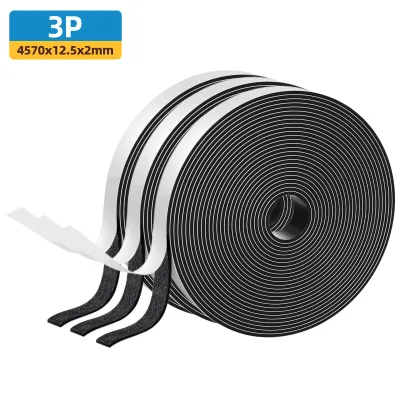
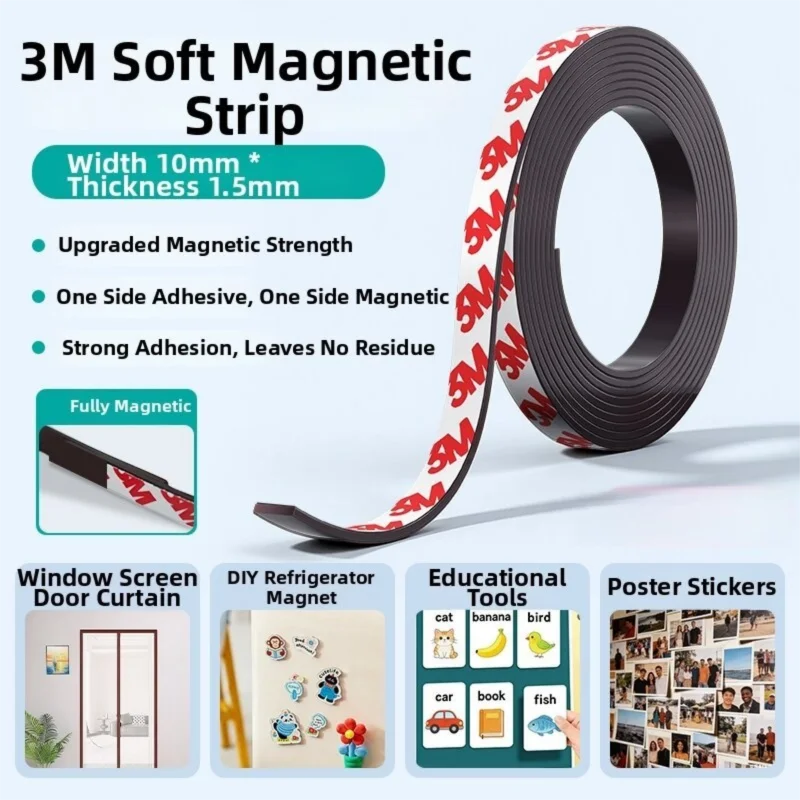
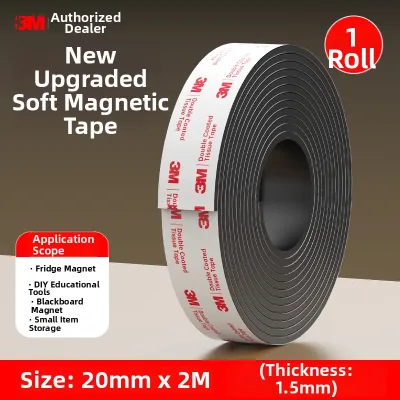
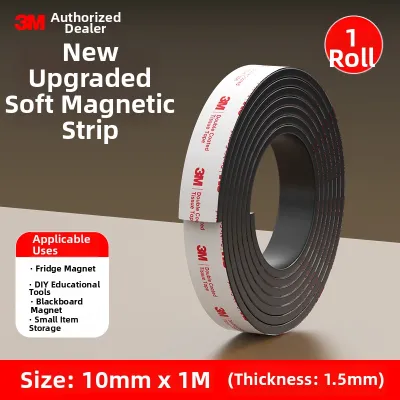
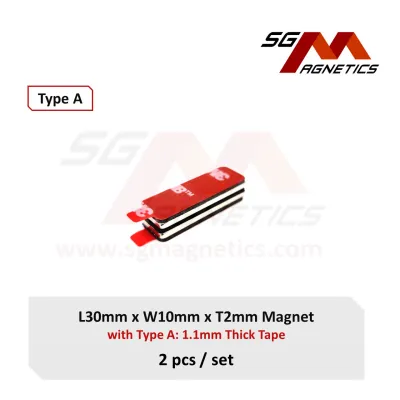
Prices are valid at publication and may change. Please refer to the product page for the latest price.
The material composition of the tape also plays a vital role in its flexibility and raw strength. Standard flexible rubber magnets are highly pliable, allowing them to conform to slightly curved surfaces, but they have lower magnetic density. Some high-density options incorporate anisotropic magnetic particles, which align the magnetic field in a single direction to provide up to double the holding power of isotropic alternatives. When evaluating different brands, check if the packaging specifies “anisotropic” or “high-density” for applications requiring maximum hold.
To estimate the required holding power for your office supplies, you must calculate the total weight of the object and any contents it will hold. For example, a plastic container holding several whiteboard markers can easily weigh 200 to 300 grams. Since flexible magnet tape typically lists its holding capacity per square centimetre under ideal conditions, you should always design your application with a safety margin. A good rule of thumb is to use twice the manufacturer’s recommended surface area of tape to account for real-world factors like paint thickness on your metal cabinets.
Adhesive Quality and Surface Compatibility
A magnet tape is only as reliable as its adhesive backing; if the adhesive fails, the magnetic strength becomes irrelevant. Most commercial magnet tapes use either acrylic-based or rubber-based pressure-sensitive adhesives. Acrylic adhesives offer excellent resistance to temperature fluctuations and ultraviolet light, making them highly stable in air-conditioned Singapore offices where temperatures are kept cool during the day but may rise when the system shuts down overnight. Rubber-based adhesives, on the other hand, provide a very high initial tack, meaning they bond quickly to surfaces, but they can degrade faster when exposed to fluctuating temperatures or humidity.

Proper surface preparation is essential to ensure the adhesive backing achieves a permanent bond. Metal filing cabinets, steel whiteboards, and painted office partitions often accumulate invisible layers of dust, finger oils, or manufacturing residues. Before applying any adhesive tape, clean the target surface thoroughly with a lint-free cloth dampened with isopropyl alcohol or a mild soapy water solution, depending on the surface manufacturer’s guidelines. Ensure the surface is completely dry before pressing the tape firmly into place, applying even pressure along the entire length for at least thirty seconds to activate the pressure-sensitive bond.
When applying adhesive tape to painted drywall or delicate office partitions, you must consider the risk of paint damage and adhesive residue. Strong adhesives can bond so deeply to paint layers that removing the tape later will peel the paint off the wall. If you are working in a rented office space where preserving the walls is critical, look for magnet tapes labeled as having removable or low-residue adhesives. Always check the manufacturer’s instructions regarding surface compatibility, and perform a small test in an inconspicuous area before committing to a large-scale installation. For safety when handling strong chemical adhesives or solvents during removal, ensure the workspace is well-ventilated and avoid prolonged skin contact.
Comparing Common Magnet Tape Formats for Office Use
Selecting the right physical format of magnet tape depends on whether you are mounting lightweight paper or heavier, rigid office supplies. Adhesive-backed rolls are the most common format, featuring a magnetic face on one side and a peel-and-stick adhesive backing on the other. This format is highly versatile for creating custom-sized magnetic labels, mounting printed schedules, or attaching lightweight signs directly to steel partitions. Because you can cut the roll to any length using standard office scissors, it offers maximum flexibility for dynamic office environments.
Plain, non-adhesive magnetic rolls are designed for situations where you want to use a specific, heavy-duty glue or mounting tape that is not pre-applied to the magnet. This format is ideal when you need to make non-magnetic plastic bins, wooden plaques, or acrylic organizers magnetic. By applying a specialized structural adhesive or a heavy-duty double-sided mounting tape to the plain side of the magnet, you can create a highly customized magnetic storage solution that standard pre-applied adhesives cannot support.
For rapid, repetitive tasks, magnetic sheets and pre-cut magnetic strips offer a convenient alternative to continuous rolls. Magnetic sheets can often be run through compatible office printers to create custom magnetic signs, while pre-cut strips or squares save time by eliminating the need for scissors. These pre-cut formats are highly cost-effective for labeling metal shelving units or creating agile Kanban boards on office whiteboards, though they offer less flexibility in terms of custom sizing.
| Format | Ideal Office Use Case | Primary Limitations |
|---|---|---|
| Adhesive-Backed Rolls | Custom labels, photos, and lightweight paper documents | Adhesive may degrade over time on textured surfaces |
| Plain Magnetic Rolls | Heavy plastic bins, wooden signs, and custom DIY organizers | Requires purchasing and applying a separate adhesive |
| Pre-Cut Strips & Sheets | Whiteboard markers, shelf labeling, and agile planning boards | Fixed dimensions limit customization for odd-sized items |
How to Test and Verify Holding Power Before Full Application
Before deploying magnet tape across an entire office, conducting a practical, observable test protocol will save time and prevent damaged supplies. The first step is to understand the difference between shear force and peel force. Shear force is the resistance to sliding vertically down a surface, which is the primary challenge for magnets on vertical filing cabinets. Peel force is the resistance to being pulled straight away from the surface. A tape might have excellent peel resistance but slide down easily if the metal surface is highly polished or coated with thick paint.
To perform a reliable load test, cut a sample piece of the magnet tape to the exact length you plan to use and apply it to your test object. Mount the object onto the target metal surface and observe its behavior over a 24-hour period. Mark the top edge of the magnet with a pencil or a piece of removable painter’s tape to detect even minor slippage. If the object slides down even a millimetre during this period, it indicates that the magnetic pull or the surface friction is insufficient for the load.
Environmental factors in Singapore offices can also influence how well the adhesive holds over time. Air-conditioning vents can blow cold, dry air directly onto surfaces, while windows can expose certain areas to direct sunlight and localized heat. Monitor your test sample closely if it is located in these microclimates. Heat can soften adhesives, causing them to creep or slide, while extreme dryness can make some rubber-based adhesives brittle.
Establish clear stop conditions to determine when a specific batch or brand of magnet tape is unsuitable for your needs. If you observe the edges of the tape curling away from the object, immediate peeling of the adhesive backing, or any vertical sliding during the 24-hour test, do not proceed with the full installation. These signs indicate that either the adhesive is incompatible with the object’s material, or the magnetic force is too weak to support the weight on that specific metal surface.
Purchasing Considerations and Label Verification in Singapore
When shopping for magnet tape in Singapore, verifying the technical specifications on the product label is far more reliable than relying on generic marketing claims. Look closely at the packaging for the exact thickness in millimetres and the width in millimetres or inches. If a product is simply labeled “heavy-duty” without providing these measurements, it is difficult to compare its actual performance against other options. Additionally, check if the label specifies the magnetic grade or pull force rating, which is often expressed in grams per square centimetre.
Sourcing channels in Singapore range from local brick-and-mortar stationery suppliers and hardware stores to large online marketplaces. Physical retail stores allow you to inspect the thickness and flexibility of the tape firsthand, which is highly beneficial for assessing quality. However, online marketplaces often provide a wider selection of specialized high-density or anisotropic tapes. When purchasing online, review the seller’s return policies and customer feedback regarding adhesive shelf life, as older stock may have degraded adhesive backing.
To ensure you are getting the best value, calculate the cost per metre or cost per square centimetre rather than comparing flat package prices. A larger bulk roll may have a higher upfront cost of S$15 to S$25, but it often provides a much lower cost per metre than a small retail pack priced at S$5 for a single metre. By calculating the unit cost and matching it to the scale of your office organization project, you can make an economical choice without sacrificing the holding power required for your supplies.
Frequently Asked Questions (FAQ)
Can I use magnet tape on a glass whiteboard?
Standard flexible magnet tape relies on direct contact with a ferromagnetic surface, such as steel or iron, to create a magnetic bond. Because plain glass is completely non-magnetic, standard magnet tape will not stick to it. Some modern glass whiteboards feature a thin sheet of steel mounted behind the glass panel, but the thickness of the glass creates a significant gap that drastically reduces the magnetic pull force. If you are using a glass whiteboard with a steel backing, you will need to use specialized, high-strength neodymium magnets or high-density magnetic tapes designed specifically for glass boards; standard utility magnet tapes will simply slide off.
How do I remove old magnet tape adhesive without damaging the cabinet?
Removing old adhesive backing from painted metal filing cabinets or office partitions requires a gentle, patient approach to avoid scratching the surface or peeling the paint. Start by using a plastic scraper, an old credit card, or your fingernail to peel away as much of the physical tape and hardened adhesive as possible. To tackle the remaining sticky residue, apply a small amount of isopropyl alcohol or a mild adhesive remover to a clean microfiber cloth and gently rub the area. Always test this solvent on a small, hidden section of the cabinet first to ensure it does not dissolve or discolor the paint, and strictly follow the cabinet manufacturer’s care instructions. If the paint begins to soften, lift, or change color, stop immediately and consult a professional cleaning service.
Community discussion
Share your experience or ask a question. Comments are reviewed before publication.