
Assembling a comprehensive wedding sewing box requires moving beyond a standard household kit to address the unique demands of bridal wear. From taking in structured bodices and hemming heavy skirts to repairing delicate tulle veils and adding custom beadwork, the right tools ensure precise, safe, and invisible results. This guide outlines the essential supplies needed to build a complete kit for bridal alterations, fragile fabric repairs, and decorative embroidery, helping you prepare for both pre-wedding fittings and day-of emergencies.
Whether you are a professional bridal tailor, an ambitious DIY designer, or a bridesmaid preparing for the big day, assembling this kit requires careful selection of high-quality, fabric-safe tools. By focusing on specialized cutting, measuring, and embellishing instruments, you can confidently manage structural adjustments and delicate repairs without risking damage to costly bridal fabrics.
Core Tools for Bridal Dress Alterations
Structural adjustments to a wedding gown demand tools that offer absolute precision and can handle substantial physical resistance. Standard plastic measuring tapes can stretch over time, leading to inaccurate measurements that can ruin a fitted bodice. Instead, include a flexible fiberglass measuring tape, which retains its shape and accuracy through repeated use. Pair this with a clear acrylic grid ruler, which allows you to verify even hem allowances and check grainlines against the fabric pattern with ease.
Products mentioned in this guide
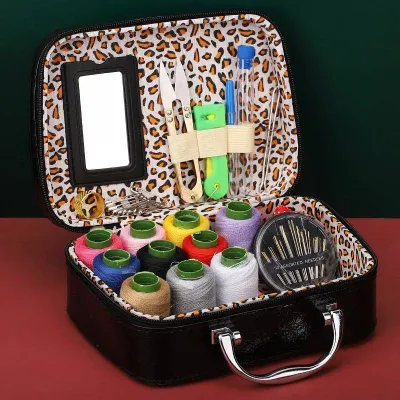
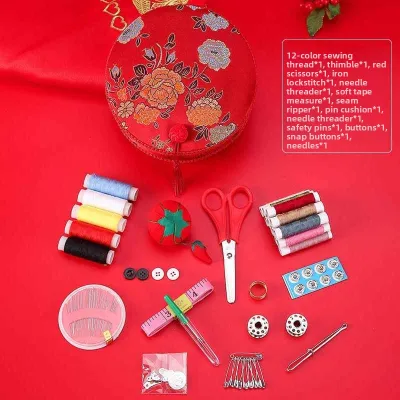
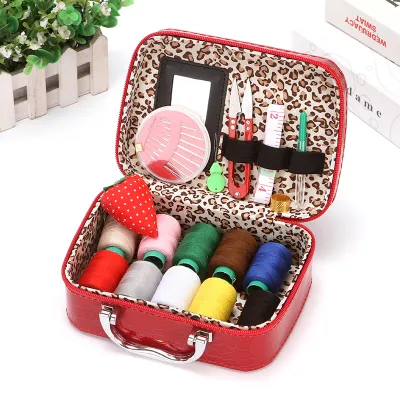
Prices are valid at publication and may change. Please refer to the product page for the latest price.
Cutting bridal fabrics requires exceptional sharpness to prevent fraying and jagged edges. Heavy materials like silk mikado, duchess satin, and multi-layered tulle demand dedicated fabric shears with high-carbon steel blades. These shears should be reserved exclusively for fabric to maintain their edge. For quick, precise cuts at the sewing machine or during a fitting, keep a pair of spring-loaded thread snips nearby to trim seam allowances and loose threads instantly.
The choice of pins and needles can make or break a fitting session. Standard plastic-headed pins are a major hazard in bridal work, as they can melt instantly under the high heat of a pressing iron, leaving permanent stains on white fabric. Always opt for glass-head pins, which can withstand intense heat during seam pressing. For hand stitching structural elements, select sharp or milliners needles in various sizes, matching the needle thickness to the weight of the fabric to avoid leaving visible puncture holes.
Delicate Supplies for Veil and Lace Repairs
Working with sheer overlays, delicate lace, and fine tulle requires a gentle touch and highly specialized cutting and stitching tools. Standard scissors are often too bulky to navigate the intricate curves of lace appliqués or the airy mesh of a veil. Fine-point embroidery scissors are essential here, allowing you to trim close to delicate motifs without accidentally snagging or cutting the surrounding base fabric.

Slippery, lightweight materials like organza, chiffon, and tulle are notoriously difficult to cut cleanly because they tend to slide away from the blades. To combat this, include a pair of scissors with micro-serrated blades in your kit. The tiny serrations grip the slippery fibers, holding the fabric steady as the blades close, which prevents jagged cuts and uneven edges.
For invisible mending on sheer fabrics, standard sewing thread is too thick and highly visible. Your kit should feature ultra-fine hand-sewing needles, such as size 10 or 12 crewel or sharps, paired with monofilament or fine silk threads. Monofilament thread acts like a clear line, blending seamlessly into any fabric color, while fine silk thread offers a strong, lustrous, and nearly invisible finish on delicate lace edges and sheer hems.
Embroidery and Embellishment Essentials
Bridal wear often features intricate beadwork, sequins, and custom embroidery that may require adjustment or repair before the ceremony. Standard sewing needles are too thick to pass through the tiny holes of seed beads and pearls. To handle these embellishments, your wedding sewing box must include specialized beading needles, which are exceptionally thin and flexible. For incorporating thicker decorative elements like silk ribbons or metallic yarns, keep chenille needles on hand, as they feature sharp points and large eyes.
Maintaining proper fabric tension is critical when adding or repairing embroidery, but standard wooden hoops can damage delicate bridal gowns. If you must use an embroidery hoop or scroll frame, select one that can be adjusted easily, and always wrap the inner ring with soft cotton bias tape to cushion the fabric. This prevents the hoop from crushing structured bodices, flattening delicate embroidery, or leaving permanent, stubborn crease marks on satin or silk.
Handling tiny beads and sequins requires excellent dexterity and specialized thread management tools. A pair of fine-tipped tweezers is indispensable for picking up and positioning individual beads or sequins precisely where they are needed. Additionally, run your embroidery threads through a beeswax or synthetic thread conditioner before stitching; this simple step coats the fibers, dramatically reducing tangling, knotting, and fraying when working with finicky metallic or textured threads.
Organizing and Packing Your Wedding Day Kit
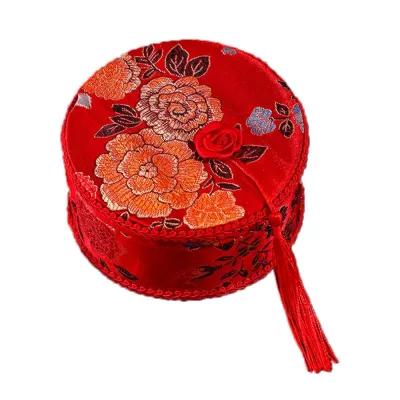
An organized sewing box is essential for maintaining composure during high-stress pre-wedding preparations and day-of emergencies. Your storage container should be a rigid, multi-compartment box made of durable plastic or wood. This structure prevents heavy tools like fabric shears from shifting during transport and crushing delicate items like lace motifs, glass beads, or fine thread spools. In humid climates, storing your threads in airtight compartments within the box prevents moisture from weakening the fibers over time.
Safety is a paramount concern when working around expensive gowns and bare feet in a dressing room. A single lost pin can cause painful injuries or snag a delicate skirt. Incorporate a magnetic needle catcher or a secure wrist pincushion into your kit to keep track of every needle and pin. The magnet ensures that any dropped pins can be swept up quickly from the floor before they cause damage.
For the wedding day itself, practical logistics dictate a two-tiered approach. Keep your comprehensive sewing box in the main dressing suite for pre-wedding adjustments, but pack a compact, lightweight emergency pouch to accompany the bridal party to the venue. This portable pouch should contain only the absolute essentials: pre-threaded needles in key colors, a small pair of thread snips, a few safety pins, and a magnetic pin catcher for rapid, on-the-spot fixes.
Frequently Asked Questions (FAQ)
Can a standard household sewing kit handle wedding dress emergencies?
Standard household sewing kits are generally inadequate for bridal wear and can even cause damage. Basic kits often contain dull scissors that chew through delicate tulle, thick needles that leave permanent holes in satin, and plastic-headed pins that melt under a pressing iron. A dedicated wedding sewing box uses specialized, high-quality tools designed specifically to protect and manipulate delicate, high-value bridal fabrics safely.
What thread colors are most critical to include in a bridal sewing box?
A bridal kit must cover the subtle variations of white and metallic tones. Include high-quality threads in pure white, warm ivory, and diamond white to match the most common gown shades. Additionally, pack clear monofilament thread for invisible repairs on sheer panels, and keep a small selection of metallic silver and gold threads to match the beadwork and embroidery details of the dress.
Community discussion
Share your experience or ask a question. Comments are reviewed before publication.