
Starting your first quilting project is an exciting milestone, but walking into a craft store can quickly feel overwhelming. The shelves are packed with specialized rulers, high-tech cutting machines, and endless varieties of notions that promise to make quilting easier. However, you do not need a room full of expensive gadgets to create your first beautiful quilt. By focusing on a few core, high-quality tools, you can master the basics of cutting, piecing, and pressing without overstretching your budget.
Assess Your Quilting Goals Before Buying Tools
Before purchasing any sewing accessories or tools, take a moment to define the scope and style of your first project. Quilting techniques vary widely, and the tools you need depend heavily on the specific methods you plan to use. For instance, if you are drawn to traditional patchwork piecing—which involves sewing straight-edged fabric shapes together—you will rely heavily on a rotary cutter and a long acrylic ruler. Conversely, if you prefer appliqué, where fabric shapes are stitched onto a background fabric, you will need fine hand-sewing needles, fabric glue sticks, or fusible web rather than heavy-duty cutting mats.
The choice between hand quilting and machine quilting also dictates your starter kit. Machine quilting requires a reliable domestic sewing machine, appropriate machine needles, and specific presser feet. Hand quilting, on the other hand, demands a selection of hand-sewing needles (often called betweens), a comfortable thimble that fits your finger securely, and specialized hand-quilting thread, which is typically thicker and coated to glide through multiple layers of fabric without tangling.
Products mentioned in this guide
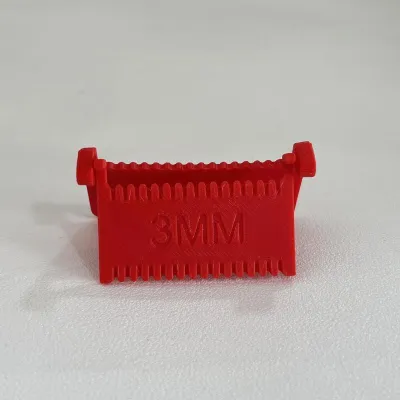
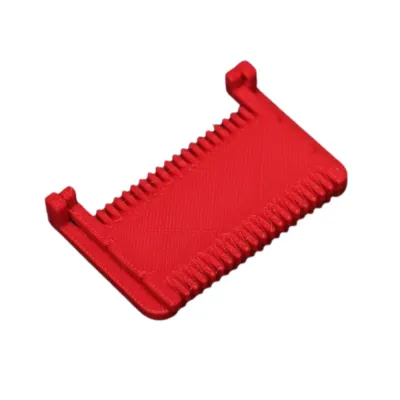
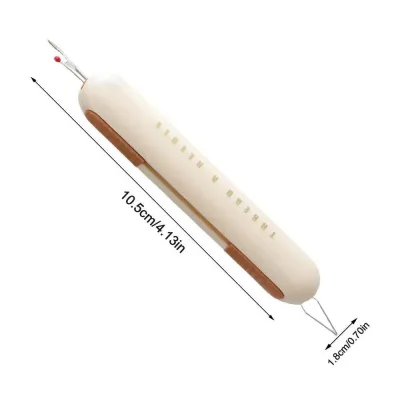
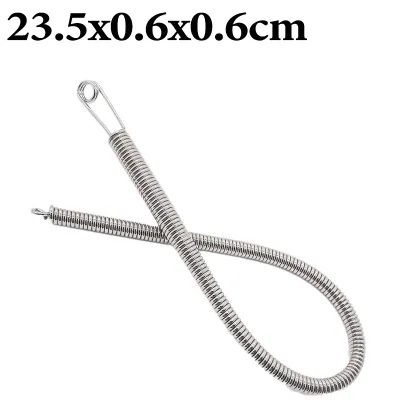
Prices are valid at publication and may change. Please refer to the product page for the latest price.
Finally, consider the physical scale of your initial project. A small project, such as a set of coasters, a potholder, or a table runner, is highly recommended for beginners. These smaller items allow you to practice the entire quilting process from start to finish without requiring massive cutting mats or long rulers that take up significant space in your home. If you live in a compact apartment where storage space is at a premium, starting with smaller tools and projects prevents your living area from becoming cluttered with oversized equipment.
The Absolute Essentials: Core Tools for Your First Project
To successfully complete a basic patchwork quilt, you only need a small selection of non-negotiable tools. The first category is cutting and measuring, where accuracy is paramount. A standard 45mm rotary cutter is the industry standard for beginners, offering a balance of maneuverability and cutting power. Because rotary blades are incredibly sharp, always choose a model with a built-in safety guard that automatically covers the blade when not in use, and always cut away from your body while keeping your non-dominant hand flat and well behind the ruler’s edge. Pair this with a self-healing cutting mat; an 18-inch by 24-inch mat is generally the most versatile size, providing enough surface area to cut yardage while still fitting comfortably on a standard dining table or desk.

To guide your rotary cutter, you will need at least one clear acrylic quilting ruler. For beginners, a 6-inch by 24-inch rectangular ruler is highly recommended because it spans the width of standard folded quilting fabric, allowing you to cut straight strips efficiently. Look for a ruler with highly legible, contrasting grid lines so you can easily read the measurements against both light and dark fabrics.
For the piecing and sewing stage, you need a reliable way to join your fabric pieces. If you are using a sewing machine, ensure it is fitted with a fresh universal or microtex needle (size 80/12 is a versatile choice for standard quilting cotton). Your thread choice is equally important; a neutral-colored, 50-weight cotton thread in off-white, grey, or beige will blend seamlessly with almost any fabric palette. To hold your pieces together before stitching, keep a pack of fine, sharp straight pins or small plastic binding clips on hand. Clips are particularly useful for holding thick quilt edges together during the final binding stage.
The final essential step is pressing, which is often overlooked but critical for flat, accurate seams. You do not need an expensive, specialized steam generator or a heavy wool pressing mat to start. A standard household iron with adjustable temperature settings and a flat, stable ironing board or a folded cotton towel on a heat-safe table will work perfectly. The key is to press your seams flat rather than ironing them with a sliding motion, which can stretch and distort the bias edges of your fabric.
Nice-to-Have vs. Unnecessary: Avoiding Beginner Overspending
It is easy to fall into common beginner traps when shopping for quilting supplies. One of the most frequent mistakes is purchasing large assortments of pre-cut fabric bundles, such as “fat quarter” packs or “jelly rolls,” before selecting a specific pattern. While these bundles are visually appealing, they may not contain the correct yardage or fabric coordinates required for your chosen design, leading to wasted material and extra trips to the store.
Another common area of overspending is buying duplicate cutting tools. Beginners often wonder if they need both high-end fabric scissors and a rotary cutter. While a pair of sharp fabric shears is excellent for rough cuts and trimming loose threads, they cannot match the speed and precision of a rotary cutter when slicing through multiple layers of fabric for patchwork. Investing in a high-quality rotary cutter first allows you to bypass expensive fabric shears, as a basic pair of household scissors can handle minor thread-trimming tasks.
Additionally, resist the urge to purchase specialized template rulers, such as hexagon, triangle, or Dresden plate templates, for your first few projects. These tools are highly specific and will sit unused if you decide to focus on square-based designs. Similarly, high-end machine accessories like walking feet, free-motion quilting feet, design walls, or long-arm quilting machines are significant financial investments. Delay these purchases until you have completed a few basic projects and are certain you want to commit to more advanced quilting techniques.
How to Build Your Starter Kit on a Budget
Building a starter kit does not have to break the bank if you prioritize your spending wisely. Focus your budget on the tools that directly impact your cutting accuracy and physical safety. A high-quality rotary cutter with a reliable safety mechanism and a sturdy, non-slip acrylic ruler are worth investing in, as cheap alternatives can slip during cutting, leading to ruined fabric or painful finger injuries.
When shopping, be cautious of pre-packaged beginner kits sold on online marketplaces. While these bundles often look like a bargain, they frequently contain low-quality rotary cutters with dull blades, thin cutting mats that warp easily, or rulers with inaccurate markings. Instead of buying a massive, low-grade bundle, purchase your essential tools individually or look for starter sets from reputable sewing brands that focus on the core trio: a mat, a ruler, and a cutter.
You can also save money by repurposing items you already own. For example, instead of buying specialized fabric marking pens, you can use standard painter’s tape to mark straight quilting lines on your fabric surface. If you decide to use specialized fabric marking pens, always perform a quick trial on a scrap piece of your project fabric first. This allows you to verify that the ink disappears as expected and does not bleed or leave permanent marks on your specific material combination. Existing household sewing kits can also provide basic hand needles, pins, and safety pins, allowing you to allocate your budget toward a better-quality cutting mat or premium cotton thread.
Frequently Asked Questions (FAQ)
Can I use regular fabric scissors instead of a rotary cutter?
While you can technically use regular fabric scissors to cut your fabric, it is highly challenging to achieve the level of precision required for quilting. Scissors tend to lift the fabric off the table as you cut, which can cause slight distortions and uneven edges. When piecing dozens of small fabric shapes together, even a tiny discrepancy of a sixteenth of an inch can accumulate, resulting in misaligned corners and puckered seams. A rotary cutter allows the fabric to remain completely flat on the cutting mat, ensuring perfectly straight, consistent cuts and significantly reducing hand fatigue during long cutting sessions.
Do I need a specialized quilting sewing machine to start?
No, you do not need a specialized or expensive quilting machine to begin your journey. Any basic domestic sewing machine that can sew a reliable, straight stitch is perfectly adequate for piecing your quilt top. The most important factor is maintaining a consistent quarter-inch seam allowance, which you can easily achieve by placing a piece of painter’s tape on your machine’s needle plate as a guide. As your projects grow in size and complexity, you might eventually consider purchasing a walking foot attachment—which helps feed thick layers of fabric evenly through the machine—before deciding whether to invest in a dedicated quilting machine.
Community discussion
Share your experience or ask a question. Comments are reviewed before publication.