
Preparing a child for the transition to lower primary school—specifically Primary 1 to Primary 3—involves much more than simply purchasing a uniform and a standard set of textbooks. For young students aged seven to nine, entering a larger, more structured environment can trigger subtle anxieties as they learn to manage their own belongings and adapt to daily schedules. Incorporating familiar, comforting character elements into their school supplies is a practical way to ease this transition. My Melody stickers serve a dual purpose on a back-to-school checklist: they act as highly functional organizational tools to prevent lost property and serve as effective, low-cost positive reinforcement aids at home.
By carefully selecting a mix of durable name labels, visual planner stickers, and motivational reward sheets, parents can help children build independence and ownership over their school routines. This guide outlines how to evaluate, choose, and integrate school-appropriate character stickers into your child’s daily preparation, ensuring their belongings stay organized while keeping their academic motivation high throughout the school year.
Why Melody Stickers Belong on a Lower Primary Checklist
The transition from a highly supervised preschool environment to the self-directed routines of lower primary school is a major milestone for young children. In a bustling primary school classroom, students are suddenly responsible for keeping track of dozens of small items, from pencils and erasers to rulers and lunchboxes. Utilizing a beloved character like My Melody provides an emotional anchor, transforming generic, unfamiliar school supplies into personalized items that a child wants to care for and keep track of.
Products mentioned in this guide
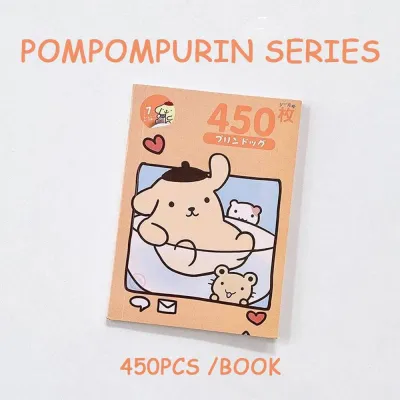
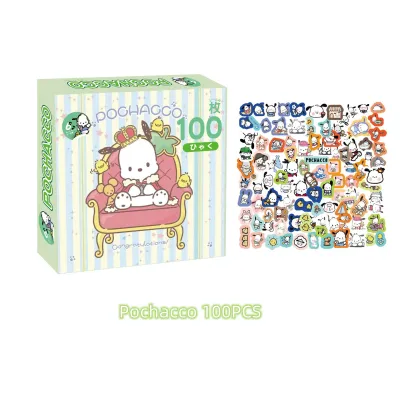
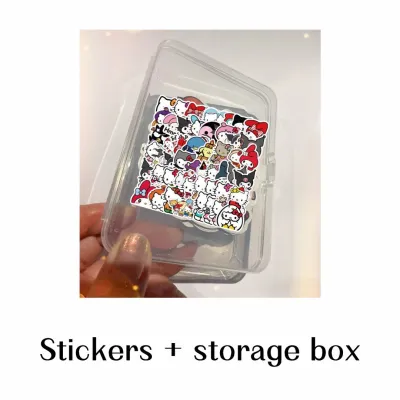
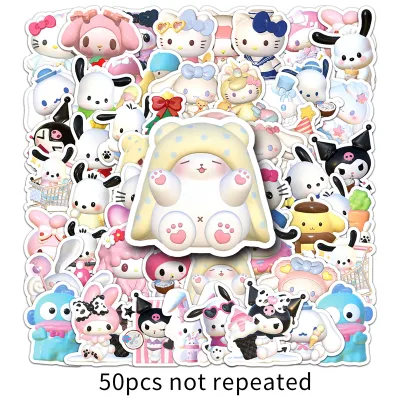
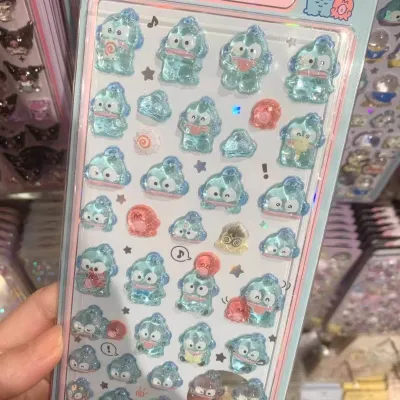
Prices are valid at publication and may change. Please refer to the product page for the latest price.
Psychologically, familiar characters offer a sense of comfort and continuity. When a Primary 1 student sits at their desk during the first week of school, seeing a familiar pastel character on their pencil case or water bottle can significantly reduce feelings of separation anxiety. This visual familiarity helps the classroom feel like a safe, welcoming space rather than an intimidating new environment, which in turn fosters a more positive attitude toward learning and school attendance.
Practically, character stickers help young children quickly identify their personal property before they are fully proficient at reading their own written names in a hurry. In a sea of identical school-issued textbooks and standard stationery, a distinct My Melody illustration allows a child to spot their folder or notebook from across a shared table. This immediate visual recognition saves time during transition periods between classes and prevents the accidental swapping of identical school items.
Furthermore, incorporating these stickers into the back-to-school preparation process encourages active participation. Allowing your child to help place the stickers on their new notebooks and files gives them a sense of agency and excitement about the upcoming school term. This simple activity transforms a chore into a shared bonding experience, building positive anticipation for their first day of school.
How to Choose School-Appropriate Melody Stickers
Not all stickers are manufactured to withstand the rigorous daily wear and tear of a primary school environment. To avoid peeling edges, faded designs, and sticky residue on expensive school property, parents must evaluate several key physical characteristics before adding sticker sheets to their shopping cart.

Material and Finish
For items subjected to frequent handling, moisture, or washing, waterproof vinyl is the industry standard. Water bottles, snack containers, and metal spoon cases require laminated vinyl stickers that can endure daily dishwashing and exposure to condensation without losing their color or peeling off. For items kept inside the school bag, such as plastic files, notebook covers, and pencil cases, high-quality laminated paper stickers offer a smooth, scratch-resistant finish that protects the character design from friction.
Adhesive Strength
Selecting the right adhesive type prevents damage to school property and ensures longevity. Permanent acrylic adhesives are ideal for name labels applied to personal belongings that will not be returned to the school, ensuring the label remains intact for the entire academic year. Conversely, removable or low-tack adhesives are essential for school-issued textbooks, planners, and visual timetables. These stickers can be peeled away cleanly at the end of the year without tearing the underlying paper or leaving a gummy residue that attracts dirt.
Size and Legibility
When choosing name labels, prioritize designs that balance character art with clean, blank space for text. The font used for custom-printed labels—or the space left for handwriting—must be large and clear enough for teachers and classmates to read at a glance. Avoid overly busy patterns or dark background colors behind the text area. For tiny stationery items like pencils and rulers, slim wrap-around labels are necessary, whereas larger rectangular stickers are better suited for the front covers of subject files.
Safety and Compliance
Because lower primary students frequently handle their stationery and may touch their faces or food afterward, safety is a paramount consideration. Parents should verify that the stickers are manufactured using non-toxic, acid-free materials and lead-free inks. Look for safety certifications on the packaging, such as the European EN71 standard or ASTM D-4236, which indicate the product has been tested and deemed safe for use by young children.
Functional Melody Stickers for Daily School Organization
Functional stickers are designed to streamline a child’s daily routine, helping them manage their physical belongings and comprehend their weekly schedules with minimal parental intervention.
Melody Name Labels for Stationery and Textbooks
In the lower primary years, stationery items are among the most frequently misplaced belongings. Pencils, erasers, sharpeners, and rulers constantly roll off desks or get left behind in computer labs. Applying a small, durable name label to every single item in your child’s pencil case is a highly effective preventive measure.
Before purchasing, compare the dimensions of the stickers against standard school supplies. Ultra-slim pen labels (typically around 20mm x 6mm) are designed to wrap around the shafts of hexagonal or round pencils without peeling at the corners. Medium-sized rectangular stickers (approximately 30mm x 13mm) fit perfectly on the flat surfaces of rulers, scissors, and glue sticks. When labeling textbooks, place the stickers on the upper right corner of the front cover or along the spine, ensuring they do not obscure important curriculum information, subject titles, or barcode labels.
Pre-cut, uniform sticker sheets are highly recommended for this task. They allow for rapid, neat alignment across multiple items, giving the child’s school kit a tidy, cohesive appearance that teachers appreciate.
Melody Timetable and Planner Stickers
Understanding a weekly school schedule is a complex skill for early readers who are still learning to tell time and manage subject transitions. Visual timetable stickers simplify this process by converting abstract text into easily recognizable visual cues.
Using color-coded or subject-specific stickers helps children categorize their school day. For example, a pink My Melody icon can represent English, a yellow bow icon can represent Mathematics, and a green leaf icon can denote Mother Tongue classes. Placing these stickers onto a blank weekly timetable template allows the child to see at a glance which books they need to pack for the next day. This visual system reduces the cognitive load on young minds and fosters early organizational habits.
For homework planners and communication diaries, opt for small, removable icon stickers. These can be placed on specific dates to highlight spelling test (Tingxie) days, physical education lessons, or library book return deadlines. Because these stickers use a low-tack adhesive, they can be easily repositioned if a lesson is rescheduled, keeping the planner neat and free from messy pen crossings.
Reward-Based Melody Stickers for Motivation and Behavior
While functional stickers keep physical items in order, reward-based stickers serve as a powerful psychological tool to encourage positive habits, academic effort, and routine completion at home.
Melody Reward Chart and Milestone Stickers
Establishing a structured reward chart at home helps lower primary students transition into structured daily routines, such as packing their school bags independently, completing daily reading logs, and maintaining a consistent bedtime. A visual chart provides immediate, tangible feedback that keeps young children engaged in their goals.
To implement this system effectively, use a two-tiered sticker approach. For daily task completion, use small, simple My Melody face stickers to mark each successful day on the chart. Reserve larger, highly detailed, holographic, or die-cut stickers as “milestone” rewards. These special stickers are awarded only when the child completes a full week of consistent effort or achieves a specific behavioral goal.
To maximize the effectiveness of this system, always pair the physical application of the sticker with specific verbal praise. Explain exactly what behavior earned the reward—for example, “I love how carefully you packed your spelling list into your green folder tonight.” This reinforces the connection between the effort and the reward, building intrinsic motivation over time.
Melody "Good Job" and Effort Stickers for Homework
As academic expectations increase from Primary 1 to Primary 3, children must develop stamina for homework, spelling preparation, and worksheet completion. Keeping a dedicated sheet of expressive feedback stickers at the home study desk can make daily study sessions much more engaging.
Choose sheets that feature My Melody with encouraging expressions or holding motivational banners (e.g., “Great Effort,” “Super Focus,” or “Keep Going”). Using these stickers for immediate feedback on completed worksheets or practice spelling tests provides a quick boost of encouragement. Allowing the child to select their favorite sticker from the sheet to place on their work once they finish a task gives them a sense of autonomy and pride in their achievements.
It is important to use these rewards strategically to prevent reward fatigue. Avoid handing out stickers for baseline expectations or rushed work. Instead, reserve them for moments where the child demonstrates genuine effort, concentration, neat handwriting, or improvement over a previous attempt. This teaches children to value the process of learning and hard work rather than just the final grade.
Matching Melody Stickers to Your Child's Daily Routine
To help you select the precise sticker types for your child’s back-to-school checklist, the table below maps various sticker categories to their ideal use cases, material specifications, and adhesive requirements.
| Sticker Type | Primary Use Case | Ideal Material/Finish | Recommended Adhesive Type |
|---|---|---|---|
| Name Labels | Labeling water bottles, lunchboxes, pencils, erasers, and rulers | Waterproof vinyl with a protective laminate coating | Permanent acrylic (water-resistant, non-peeling) |
| Timetable & Planner | Marking subject blocks, test dates, and library days in planners | Matte or semi-gloss paper (easy to write on if needed) | Removable / Low-tack (allows repositioning without tearing) |
| Reward Chart | Tracking daily habits, packing school bags, and bedtime routines | Standard gloss paper or light vinyl sheets | Standard medium-tack (designed for cardboard charts) |
| Homework Effort | Providing immediate positive feedback on worksheets and spelling | Die-cut paper, holographic paper, or metallic foil | Standard paper adhesive (safe for school book pages) |
Because Singapore’s tropical climate features high relative humidity, storing unused sticker sheets properly is essential to prevent premature degradation. When exposed to humid air, paper sticker backing can curl, and adhesives can become overly gummy or lose their stickiness entirely.
To preserve your sticker collection, store unused sheets flat inside a clear, zip-lock plastic folder or a shallow, airtight plastic storage container. Placing a small, food-safe silica gel packet inside the storage container will absorb excess moisture, ensuring the stickers remain crisp, flat, and perfectly sticky until they are ready to be applied.
Purchasing Guide: Finding Authentic Melody Stationery
When sourcing character stationery for school use, purchasing authentic, licensed merchandise is critical. While cheap, unbranded bulk sticker packs are widely available on various online marketplaces, they often present significant quality and safety issues that can end up costing parents more in the long run.
Counterfeit or unlicensed stickers frequently utilize low-grade adhesives that degrade rapidly. In Singapore’s warm climate, these cheap adhesives can melt, leaving a stubborn, gummy black residue on textbook covers, pencil cases, and school bags that is incredibly difficult to clean. Furthermore, unauthorized products rarely undergo rigorous safety testing, meaning they may contain high levels of phthalates, lead in the printing inks, or harsh chemical solvents in the adhesive layer.
To ensure you are buying safe, high-quality products, shop at official Sanrio boutiques, authorized local stationery chains, or reputable department stores. When shopping online, look for official flagship stores or certified local distributors on ecommerce platforms.
Parents can easily identify authentic My Melody stickers by checking for the following quality indicators:
- Crisp, Accurate Printing: Licensed products feature sharp, clear lines and accurate pastel pink or red color profiles. Counterfeit stickers often have blurry edges, pixelated graphics, or off-model character proportions.
- Official Copyright Markings: Genuine packaging will always display the official copyright notice (e.g., "© SANRIO" or "© '26 SANRIO") along with a holographic licensing sticker.
- Clear Material Specifications: Authentic stationery brands provide detailed product descriptions on the packaging, explicitly stating if the stickers are "acid-free," "waterproof," or "removable," rather than relying on generic descriptions.
Frequently Asked Questions (FAQ)
Are Melody stickers safe for young children's skin?
No, standard stationery stickers are not designed or certified for skin application. While officially licensed My Melody stickers are manufactured using non-toxic materials safe for handling, their adhesives are formulated specifically for paper, plastic, and metal surfaces.
Applying these stickers directly to a child’s skin can cause localized irritation, redness, or mild contact dermatitis, particularly on sensitive young skin. The adhesive can also trap sweat and dirt against the skin, exacerbating irritation. If your child enjoys wearing character designs, look specifically for products labeled as dermatologically tested, hypoallergenic temporary tattoos or skin-safe body stickers, and discourage them from using standard school stickers on their skin.
How do I remove Melody stickers from textbooks without tearing the pages?
Removing a sticker from delicate textbook paper requires a gentle, patient approach to avoid tearing the fibers. Before attempting to remove the sticker, always test your method on a small, inconspicuous area of the book cover or page if possible.
To remove the sticker safely, use a household hairdryer set to a low, warm heat setting. Hold the hairdryer about 10 to 15 centimeters away from the sticker for 10 to 15 seconds. The gentle warmth will soften the acrylic or rubber-based adhesive, making it pliable.
Slowly and carefully peel the sticker back from one corner, keeping it at a sharp 180-degree angle (flat against the page) rather than pulling straight up. If any sticky residue remains on the paper, gently rub a clean, white vinyl eraser over the spot to lift the adhesive. Avoid using harsh chemical solvents, liquid adhesive removers, or water on textbook paper, as these will stain the pages, dissolve the printing ink, and warp the paper fibers.
Community discussion
Share your experience or ask a question. Comments are reviewed before publication.