
Preparing your child for a new primary school year in Singapore involves more than just buying uniforms and textbooks. Having a reliable, high-quality set of stationery is crucial for daily classroom success, helping students focus on learning rather than struggling with broken pencil leads or messy glue spills. The essential Max stationery kit for primary school students includes ergonomic wooden and mechanical pencils, smudge-resistant pens, clean correction tapes, washable glue sticks, and durable desk organizers. By selecting the right tools tailored to your child’s grade level, you can ensure a smooth, productive academic year from Primary 1 all the way through Primary 6.
How to Choose the Right Max Stationery for Primary School
Selecting the perfect stationery requires balancing school guidelines, safety standards, and the physical development of your child. Singapore primary schools often have specific rules regarding what items are allowed in the classroom. For instance, lower primary students (Primary 1 to Primary 3) are generally required to use wooden pencils to help them develop proper grip pressure and handwriting control, while mechanical pencils and ink pens are typically introduced in upper primary (Primary 4 to Primary 6). Additionally, correction tape is often restricted or banned during national examinations like the Primary School Leaving Examination (PSLE), making it essential to verify school-specific policies before purchasing.
Safety is another paramount consideration, especially for younger children who may still put objects in their mouths or have sensitive skin. Always check product packaging for non-toxic certifications, such as the AP (Approved Product) seal or CE mark, which indicate the materials are safe for school use. For adhesives and markers, prioritize solvent-free, water-based, and washable formulas that can be easily cleaned from hands, uniforms, and classroom desks.
Products mentioned in this guide
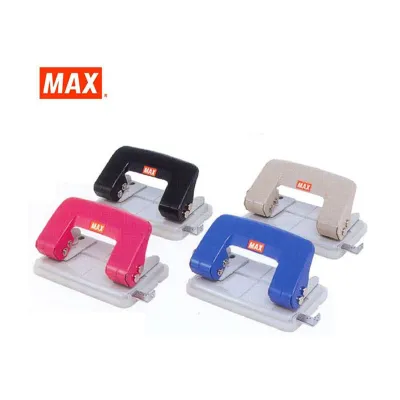
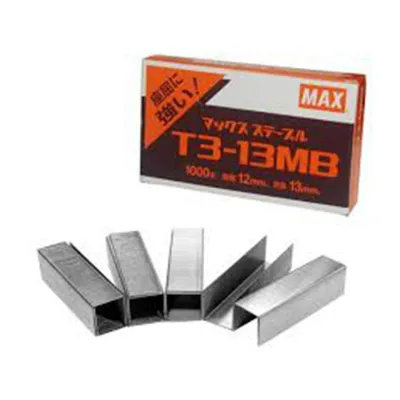
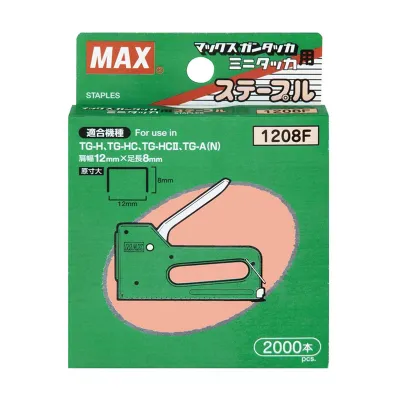
Prices are valid at publication and may change. Please refer to the product page for the latest price.
Ergonomics and durability should guide your choices as well. Younger students benefit from thicker, triangular-shaped barrels that encourage a proper tripod grip and reduce hand fatigue during long writing sessions. Older students, who face a higher volume of note-taking and homework, require durable tools that can withstand frequent use and the daily wear-and-tear of being jostled inside a school bag.
Singapore’s humid tropical climate can also affect stationery performance. High humidity can make standard paper slightly damp, which increases the risk of ink feathering and slows down the drying time of liquid glues. Choosing moisture-resistant storage and quick-drying formulas helps mitigate these environmental challenges.
Essential Max Writing and Drawing Tools
Writing instruments are the most frequently used items in a student’s pencil case, directly impacting their handwriting development and speed. As students progress through primary school, their writing needs evolve from basic letter formation to rapid note-taking and exam preparation.

When choosing writing tools, consider the grip thickness, lead hardness, and ink drying times. Left-handed students, in particular, require fast-drying inks to prevent their hands from smudging their work as they write across the page. The weight and balance of the pen or pencil also play a role; a tool that is too heavy can cause premature hand strain, while one that is too light may lead to excessive writing pressure.
Pencils and Mechanical Pencils
Wooden pencils remain a staple for early learners and standardized testing. Standard 2B wooden pencils are universally recommended for filling out Optical Mark Reader (OMR) answer sheets during exams, as their dark graphite is easily read by optical scanners. When buying wooden pencils, look for break-resistant leads and high-quality wood that sharpens smoothly without splintering.
Mechanical pencils offer the convenience of a consistent line width without the need for constant sharpening, making them ideal for upper primary students. However, they require a delicate touch to prevent the lead from snapping. For daily writing, a lead size of 0.7mm or 0.9mm is generally more suitable for primary students than a fragile 0.5mm lead. For younger students still mastering letter sizing, a thicker lead like 0.9mm provides a bold, highly visible line that helps them see their mistakes clearly. As handwriting becomes more compact in upper primary, transitioning to a 0.7mm lead allows for neater writing within the narrower lines of standard exercise books. Always check the lead hardness markings on the packaging to ensure you are purchasing 2B or HB refills, and inspect the quality of the built-in eraser to ensure it removes graphite cleanly without tearing the paper.
Pens, Highlighters, and Markers
Once students are permitted to use ink, selecting the right pen is crucial for maintaining neat exercise books. Gel pens provide a smooth, fluid writing experience but often have longer drying times, which can lead to smudging on standard school paper. Ballpoint pens offer excellent smudge resistance and quick drying times, though they may require slightly more writing pressure. Rollerball pens lie somewhere in between but are highly prone to bleeding through thin paper, so it is wise to perform a quick trial on a scrap page to check for bleed-through.
Highlighters are invaluable tools for active reading, helping students identify key terms and formulas in their textbooks. Look for highlighters with a versatile chisel tip, which allows for both broad highlighting and fine underlining.
When establishing a color-coding system for notes, stick to two or three consistent colors (such as yellow for main ideas and green for vocabulary) to avoid visual clutter. Ensure the highlighter ink is compatible with your child’s writing pens; a quick test will confirm whether the highlighter smudges the underlying ink.
Max Correction and Adhesive Supplies
Maintaining neat work is an important skill taught throughout primary school, making correction and adhesive tools essential components of the stationery kit. Correction tape is highly popular among upper primary students because it requires zero drying time, allowing them to write over the corrected area immediately. This is particularly useful during fast-paced spelling tests or timed classroom exercises. However, correction tape can sometimes peel or flake if applied to damp ink or low-quality paper, so students should practice applying it with a smooth, steady hand. Correction pens, which use liquid fluid, are less ideal for daily classroom use as they require waiting for the liquid to dry and carry a risk of leaking inside the pencil case.
When selecting correction tape, consider whether the model is refillable. Refillable correction tapes are not only more environmentally friendly but also offer long-term cost savings, as replacement cartridges are generally cheaper than buying entirely new dispensers. Check the packaging to ensure the refill mechanism is simple enough for a child to operate independently.
Adhesives are constantly needed for pasting worksheets and handouts into exercise books. Glue sticks are the neatest and safest option for daily use. When choosing a glue stick, look for a solvent-free, acid-free formula that glides smoothly without clumping. Acid-free glue ensures that worksheets do not yellow or degrade over time. Liquid adhesives provide a stronger bond for art and craft projects but require careful application and longer drying times to prevent the paper from warping or wrinkling. Always check that the glue stick cap fits tightly to prevent the adhesive from drying out prematurely.
Max Organization and Desk Accessories
A well-organized pencil case helps students find their tools quickly, reducing distractions during lessons. Look for pencil cases or pouches with multiple compartments, elastic loops for pens, and a dedicated pocket for smaller items like erasers and paperclips. The material should be durable and easy to clean, such as water-resistant canvas or reinforced nylon, as pencil cases are prone to ink leaks and dirt. To maintain hygiene, choose pencil cases that can be wiped down with a damp cloth or tossed into the washing machine. Graphite dust and ink leaks are inevitable over a school term, and a washable case ensures the supplies remain clean and presentable.
Singapore school desks are often compact, meaning a bulky pencil case can easily fall off. Selecting a slim, vertical-standing pouch can save valuable desk space while keeping writing tools easily accessible.
Rulers are essential for drawing margins, underlining headings, and math lessons. Choose a shatterproof plastic or flexible ruler with clear, easy-to-read metric markings. Ensure the edges are smooth and rounded to prevent accidental scratches.
Erasers should be polymer-based or “dust-free,” meaning the eraser residue rolls up into a single strand rather than scattering across the desk, making cleanup quick and easy.
Pencil sharpeners should feature a secure, transparent container to catch graphite shavings and wood debris. This prevents messy spills inside the school bag or on the classroom floor. A sharpener with a dual-hole design is highly versatile, accommodating both standard and thick triangular pencils.
Building Your Back-to-School Shopping List
To ensure a stress-free preparation process, parents should compile a structured shopping list before heading to the stores. Categorize your list into daily essentials, backup supplies, and project-specific items. This structured approach helps manage your budget and prevents impulse purchases of trendy but unnecessary items.
When budgeting, expect a complete primary school stationery set to cost between S$15 and S$40, depending on the specific items and brands selected. Before finalizing your purchase, check the manufacturing or expiration dates on adhesives, as older glue sticks can lose their bonding strength or dry out on the shelf. It is also highly recommended to test pens, highlighters, and markers on a scrap piece of paper at the retail store to verify smooth ink flow and check for any dried-out tips.
Once you have purchased your supplies, take the time to label every item with your child’s name and class using a waterproof marker or durable name labels. Stationery items are frequently misplaced in busy classrooms, and clear labeling ensures they can be easily returned. Finally, verify stock availability at authorized local stationery retailers or trusted online marketplaces to avoid last-minute out-of-stock disappointments.
Frequently Asked Questions (FAQ)
Are Max mechanical pencils allowed for primary school exams?
Exam regulations regarding mechanical pencils vary significantly between individual schools and national examination boards. For standardized examinations, standard wooden 2B pencils are almost universally required because their graphite density is optimized for Optical Mark Reader (OMR) grading scanners. Mechanical pencils, even when loaded with 2B lead, can sometimes tear the thin exam paper or fail to fill the answer bubbles completely, leading to grading errors. It is always best to consult your child’s school handbook or ask their form teacher for specific guidelines before the exam period begins.
How can I prevent Max glue sticks from drying out in the pencil case?
To extend the lifespan of your glue sticks, always ensure the cap is pushed down firmly until you hear a distinct click, which indicates an airtight seal. Store the glue stick upright in a cool, dry compartment of the pencil case, away from direct sunlight or heat sources, such as a desk situated next to a window. Before the school term starts, inspect the glue surface; if a dry crust has formed on the top, gently wipe the rim with a damp tissue to remove the residue and restore smooth, even application.
Community discussion
Share your experience or ask a question. Comments are reviewed before publication.