
Starting a collection of Karina (aespa) merchandise is an exciting way to celebrate your fandom, but the sheer variety of official releases can feel overwhelming to a beginner. From conceptual albums and high-gloss photobooks to exclusive event goods and highly coveted photocards, each item offers a unique way to connect with your favorite artist. To build a collection that holds both sentimental and long-term value, new collectors must focus on establishing a solid foundation. This involves identifying key merchandise categories, learning how to verify authenticity, and implementing proper preservation techniques. By prioritizing official releases and understanding the nuances of the collector market, you can curate a display that remains pristine for years to come.
How to Verify Authentic Karina Merchandise
Authenticity is the cornerstone of any valuable merchandise collection, especially given the prevalence of high-quality fan-made replicas and counterfeit goods in the global market. When purchasing Karina merchandise, the first line of defense is inspecting the official licensing markers. Most official SM Entertainment releases feature a distinct holographic sticker, often issued by the Korea Music Copyright Association (KOMCA) or the agency itself, affixed to the back of the packaging. These stickers reflect light in a specific, multi-layered pattern and contain unique serial numbers that are difficult for counterfeiters to replicate.
Additionally, examine the print quality and overall construction of the item. Official photobooks and albums are produced using high-grade paper stock with precise color calibration, sharp image resolution, and professional binding. Counterfeit items frequently exhibit slightly blurry images, unnatural color shifts (such as overly saturated skin tones), and flimsy paper that feels unusually thin or rough to the touch. When evaluating paper goods, check the alignment of the printed elements and the neatness of the edges; official manufacturers use industrial-grade cutting machines that leave clean, uniform borders, whereas replicas often show uneven cuts or minor cropping errors.
Products mentioned in this guide



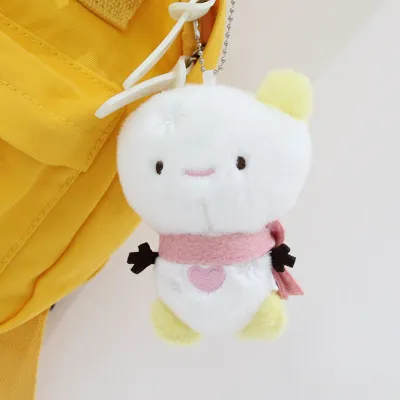
Prices are valid at publication and may change. Please refer to the product page for the latest price.
Finally, always verify the credentials of the seller. Purchasing directly from authorized retail partners, official brand stores, or reputable global distributors ensures that your money supports the artist and that you receive genuine merchandise. If you are buying from independent sellers or secondary markets, ask for detailed photos of the holographic stickers and compare them with verified official releases before committing to a purchase.
Core Merchandise Categories to Start Your Collection
For those beginning their journey, focusing on a few core categories helps prevent budget fatigue while ensuring a well-rounded collection. Official albums and photobooks serve as the natural starting point, as they showcase the evolving visual concepts of each comeback era. These releases are much more than simple music media; they are comprehensive art books filled with high-quality photography, conceptual styling, and exclusive inserts such as posters, postcards, and sticker sheets. Each album era—from the futuristic aesthetics of early releases to the bold, cinematic themes of more recent comebacks—offers a distinct visual narrative that defines Karina’s artistic identity.

Beyond printed media, lightsticks and event-specific goods represent a vital connection to the live performance experience. The official aespa lightstick is a central piece for any collector, featuring a sleek, customizable design where the internal emblem can be swapped for Karina’s signature heart symbol. During concerts, these devices sync wirelessly to create synchronized light displays, making them both a functional fan tool and a striking display piece. Other event goods, such as official slogan banners, concert keyrings, and limited-edition tour merchandise, carry immense sentimental value and are highly sought after due to their limited production runs.
To integrate your fandom into daily life, apparel and lifestyle accessories offer a practical yet stylish avenue for collecting. Seasonal merchandise drops, such as annual Season’s Greetings packages, often include daily planners, desk calendars, and stationery items featuring exclusive photography. Collaborative fashion collections and official apparel items, like hoodies or caps designed in partnership with major brands, allow you to showcase your support in a subtle, everyday manner. When collecting apparel, pay close attention to fabric care instructions and sizing charts, as international releases may follow different manufacturing standards than those commonly found in local retail stores.
Evaluating Photocards and Paper Collectibles
Photocards are arguably the most popular and highly traded items within the K-pop collecting community, making them a crucial focus for any new Karina collector. To navigate this fast-paced market, you must first understand the hierarchy of paper collectibles. Album-included photocards are the most accessible, as they are packaged with standard retail versions of albums. In contrast, broadcast photocards (distributed to fans attending live music show recordings) and event-exclusive photocards (obtained through specific fan-sign events, lucky draws, or pre-order benefits) are produced in much smaller quantities, driving up their rarity and demand.
When acquiring photocards through secondary markets, a meticulous physical inspection is essential to verify authenticity. Hold the card under a bright, angled light source to examine the surface gloss and check for any scratches, dents, or printing defects. Official photocards are typically printed on thick, high-quality paperboard with a smooth, protective laminate coating. One of the most reliable physical indicators of an official card is the presence of tiny corner tabs or “nubs” on the edges, which are remnants of the industrial sheet-cutting process. Replicas, which are often printed individually from digital scans, usually have perfectly smooth, hand-cut edges and may suffer from slight image zooming or cropping, as well as a loss of fine detail in the printing pattern.
Preserving the mint condition of your paper collectibles is vital for maintaining their aesthetic and trade value. Always house your photocards in acid-free, PVC-free protective sleeves made from archival-grade polypropylene. Standard PVC sleeves can degrade over time, releasing harmful chemicals that cause the photocard’s ink to stick to the plastic, warp, or yellow. For added protection, place the sleeved card inside a rigid plastic top loader to prevent bending during storage or transit. When organizing your collection, look for binders with acid-free pocket pages that match the standard dimensions of K-pop photocards (typically around 55 mm by 85 mm) to ensure a secure, slip-free fit.
Where to Buy Karina Merchandise Safely
Securing authentic merchandise requires choosing reliable purchasing channels, especially when navigating international shipping to Singapore. Your primary source should always be official online stores, such as the SM Global Shop or SMTOWN &STORE, alongside authorized physical and online retailers. These platforms guarantee authentic products and ensure that your purchases count toward official music charts. For local collectors in Singapore, established physical K-pop specialty shops located in major shopping hubs like Plaza Singapura or online distributors with a proven track record offer a convenient way to purchase albums and goods without the high cost of individual international shipping.
If you choose to explore secondary e-commerce platforms or peer-to-peer marketplaces to find out-of-print items or specific photocards, exercising caution is paramount. Always check the seller’s rating, transaction history, and feedback from other collectors. Before finalizing a purchase, request a clear, close-up video of the item under good lighting, along with a handwritten note containing the seller’s username and the current date to prove physical possession. Utilize secure payment methods that offer robust buyer protection, and avoid bank transfers or direct payments that leave you without recourse in the event of a scam.
When ordering from overseas distributors, it is essential to factor in the total cost of acquisition, which includes international shipping fees, potential customs duties, and delivery timelines. In Singapore, imports may be subject to the Goods and Services Tax (GST) depending on current import regulations and the total value of the shipment. Shipping fragile items like albums or lightsticks across long distances carries a risk of damage, so opt for shipping methods that provide tracking numbers and adequate protective packaging, such as bubble wrap and sturdy cardboard boxes.
Display and Storage Solutions for Your Collection
Once you have acquired your Karina merchandise, implementing proper display and storage solutions is critical to protecting your investment from environmental wear. Singapore’s tropical climate, characterized by high humidity and consistent warmth, presents unique challenges for preserving paper and electronic goods. High humidity can cause paper items to warp, mold, or stick together, while direct sunlight can cause vibrant colors to fade rapidly. To combat these elements, display your collection in a well-ventilated room away from direct sunlight, damp walls, or air conditioning vents that produce condensation.
For paper collectibles, photobooks, and signed items, utilize UV-protective acrylic display cases or archival-grade binders. These specialized materials block harmful ultraviolet rays that break down paper fibers and fade printed inks over time. Inside your storage binders or display cabinets, place silica gel desiccant packs to actively absorb excess moisture from the air. Regularly inspect your collection for any signs of moisture buildup or paper warping, and consider using a dehumidifier in your display room to maintain a stable relative humidity level.
Electronic merchandise, particularly the official aespa lightstick, requires specific maintenance to prevent permanent damage. Never store your lightstick with the batteries installed. Over time, batteries can leak corrosive acid that ruins the internal battery compartment and destroys the electronic circuitry, rendering the lightstick unusable. Store the lightstick in a cool, dry place inside its original packaging or a dedicated protective pouch, and only insert fresh batteries when you plan to use it. By taking these proactive preservation steps, you can ensure that your Karina merchandise remains in pristine, showcase-ready condition for years to come.
Frequently Asked Questions (FAQ)
How do I know if a Karina photocard is rare?
A photocard’s rarity is primarily determined by its distribution method and print run volume. Standard album photocards are widely available because they are produced continuously alongside the albums. However, photocards obtained through limited-edition pre-order benefits (POBs) from specific retailers, lucky draw events, or exclusive fan-sign sessions have restricted print windows, making them significantly harder to find. Broadcast photocards, which are handed out only to fans who attend live music show recordings in South Korea, are exceptionally rare due to the extremely limited number of attendees. To gauge scarcity and market demand, collectors often consult community-curated photocard templates and tracking spreadsheets shared on social media platforms, which catalog every official release and help identify highly sought-after variants.
What should I do if I receive a damaged official album?
If your official album arrives damaged, your ability to secure a replacement or refund depends heavily on having clear, indisputable evidence. Always record a continuous, unedited unboxing video starting from the moment you open the shipping package. The video must clearly show the shipping label, the sealed state of the outer box, and the step-by-step opening process, highlighting any damage to the album cover, photobook, or internal contents in real-time. Once documented, contact the retailer’s customer service department immediately. Provide your order number, a detailed description of the damage, and a link to your unboxing video. Most reputable retailers will offer a replacement or store credit if the damage is proven to have occurred during transit or packaging, provided you submit your claim within their specified return window.
Community discussion
Share your experience or ask a question. Comments are reviewed before publication.