
Starting a collection for a newly debuted group like BABYMONSTER is an exciting milestone, but the sheer variety of official merchandise and collecting supplies can feel overwhelming. To build a collection that remains in pristine condition for years, new fans should prioritize a mix of official paper goods, essential protective stationery, and foundational physical media. Selecting high-quality, archival-safe storage materials early on is just as important as acquiring the merchandise itself, especially when managing delicate paper items and highly sought-after photocards.
Start with Official BABYMONSTER Paper Goods and Stationery
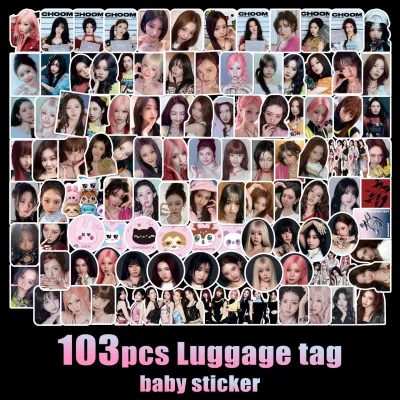
Official paper-based merchandise and stationery items are among the most practical and rewarding entry points for new fans. Unlike apparel or bulky display items, paper goods like notebooks, journals, and sticker sets are designed for daily integration into your study or work routine. These items frequently feature official group logos, member photos, and exclusive graphic artwork released during tours, season greetings, or anniversary milestones.
Practical desk accessories provide an excellent way to personalize your workspace while keeping your collection functional. Desk mats, paper calendars, and memo pads featuring BABYMONSTER imagery offer daily utility without cluttering your living space. A high-quality desk mat protects your work surface while serving as a vibrant backdrop, while themed memo pads and calendars help you track daily tasks alongside scheduled group releases and comeback dates.
Products mentioned in this guide
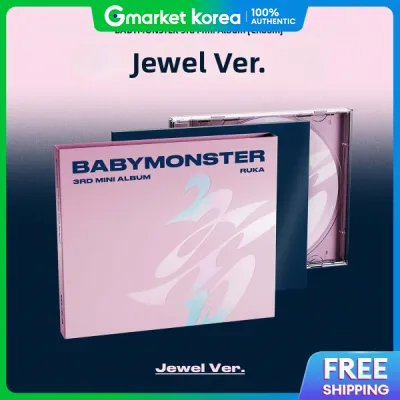
![[ +YG / WEVERSE GIFT ] BABYMONSTER - 3rd Mini Album [ CHOOM ] Jewel ver](https://img.lazcdn.com/g/ff/kf/S50c27866a602459ba5501657f451916dL.jpg_400x400q80.jpg_.webp)
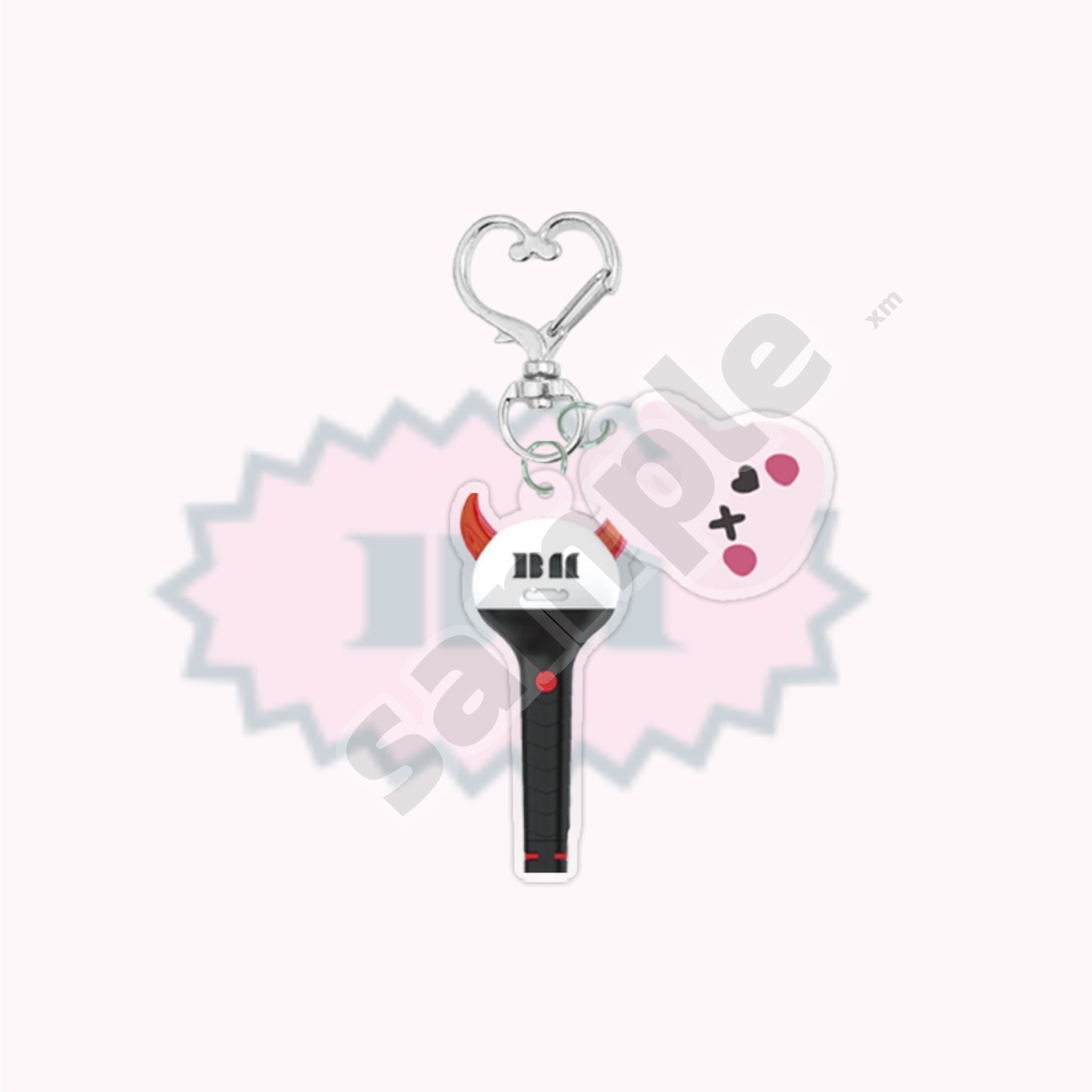
![BABYMONSTER - 3rd Mini Album [ CHOOM ] Plush Keyring ver](https://img.lazcdn.com/g/ff/kf/Sd2210c4f9d77488abe5b5318660db92dB.jpg_400x400q80.jpg_.webp)
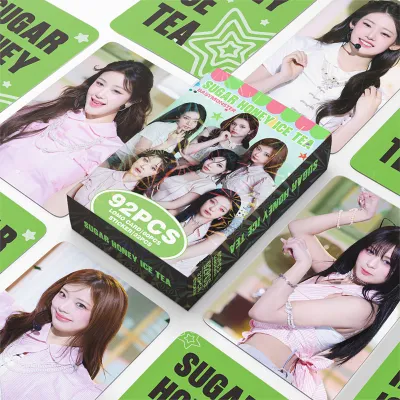
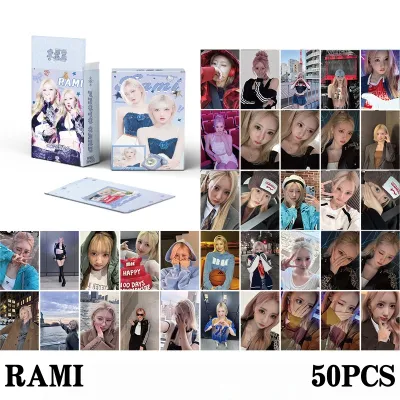

Prices are valid at publication and may change. Please refer to the product page for the latest price.
For new collectors, these stationery items represent a highly accessible and budget-friendly starting point. Official notebooks and sticker sets typically range from S$12 to S$30, making them significantly more affordable than premium apparel or high-end concert goods. Furthermore, paper items are exceptionally easy to store, requiring minimal physical space and allowing you to build a meaningful collection without dedicating entire shelves to bulky packaging.
When sourcing these official paper goods, prioritizing authenticity is crucial to ensure your money directly supports the artists. Authentic merchandise can be purchased through official global portals or authorized local physical and online retailers in Singapore. When shopping locally, look for established K-pop specialty stores that import directly from official Korean distributors, and always verify that the products carry the official licensing labels on their packaging.
Protect Your Photocards with the Right Storage Supplies
Photocards are the crown jewel of modern K-pop collecting, making proper protective stationery the most critical investment for any new BABYMONSTER fan. These small paper cards, typically measuring 55mm by 85mm, are highly susceptible to scratches, fingerprints, and edge wear from manual handling. Implementing a multi-layered defense system using specialized office and hobby supplies is essential to preserve their physical integrity and long-term value.

The first line of defense for any photocard is a high-quality, soft plastic penny sleeve. These sleeves shield the card’s surface from friction and natural skin oils during handling. For maximum protection, many collectors utilize a double-sleeving technique: first placing the card in a tight-fitting sleeve (such as 56mm by 87mm), and then inserting it upside down into a slightly larger standard sleeve (such as 58mm by 89mm) to seal out dust and airborne particles.
For displaying your favorite or rarest photocards on desks or shelves, rigid top loaders and magnetic card holders are indispensable. A standard 35pt thickness holder is ideal for paper cards, providing a rigid shield against bending and physical impact. When using these rigid holders, always ensure the photocard is placed inside a soft penny sleeve first; sliding a bare paper card directly into a hard plastic holder can scratch the delicate glossy coating on the card’s surface.
To organize and store a growing collection, multi-pocket card binders are the industry standard. Opt for binders featuring side-loading pocket pages rather than traditional top-loading styles. Side-loading pockets prevent the cards from shifting or accidentally sliding out of the top when the binder is carried, turned upside down, or stored vertically on a bookshelf.
When selecting any plastic storage supplies, verifying the chemical composition of the materials is paramount. Always look for labels that explicitly state the products are PVC-free, acid-free, and non-stick. Polyvinyl chloride (PVC) contains chemical plasticizers that degrade over time, releasing acidic byproducts that can chemically bond with the photocard’s ink, causing the card to stick to the plastic, warp, or suffer permanent surface peeling. Safe alternatives include chemically inert plastics like polypropylene (PP) or polyethylene (PE).
Singapore’s tropical, highly humid climate poses an additional challenge for paper collectibles, as excess moisture can cause paper warping and mold growth. To safeguard your collection, place small, food-safe silica gel desiccant packets inside your binder pockets or storage boxes to absorb ambient moisture. Additionally, store your binders in a cool, dry area away from direct sunlight, open windows, and air conditioning vents where rapid temperature fluctuations can cause condensation.
Maintaining an organized binder makes collecting far more enjoyable and visually satisfying. Use acid-free index cards, plastic divider tabs, and removable label stickers to categorize your collection by member (Ruka, Pharita, Asa, Ahyeon, Rami, Rora, or Chiquita), album era, or card type. This systematic approach allows you to easily track which cards you have and which ones you still need to complete your favorite sets.
Build Your Foundation with Physical Albums and Media
Physical music albums serve as the absolute foundation of K-pop collecting, offering a tactile experience that digital streaming platforms simply cannot replicate. Rather than just containing a physical CD, these packages are designed as comprehensive art portfolios. They house substantial paper-based merchandise, including high-quality photobooks, lyric booklets, sticker sheets, postcards, and highly coveted randomized photocards.
Understanding the differences between physical album formats helps you choose the items that best align with your collecting goals. Standard photobook versions offer the most substantial paper content, often featuring thick, high-quality paper stocks and extensive photo spreads. In contrast, single albums or special editions may offer different paper sizes, unique binding styles, or exclusive collectible inserts that vary in volume and design.
Many modern releases also feature compact digital or tag formats, such as YG Tag albums. While these versions utilize QR codes or digital chips for music playback, they still include physical paper components, such as mini-photobooks and exclusive photocard sets. These compact formats are excellent for collectors who want physical paper merchandise but have limited shelf space.
Before purchasing any physical album, it is highly recommended to review the official unboxing preview graphic released by the manufacturer. These detailed graphics outline the exact dimensions, paper weights, and quantities of every component included in the package. Checking these specifications in advance ensures you can purchase the correct sleeve sizes and binder pages before your album arrives.
As you acquire multiple copies of albums to collect different photocard sets, you will inevitably accumulate duplicate paper goods and cards. Managing these duplicates effectively can enhance your collecting experience and help you connect with the broader fan community. Consider participating in local trading events in Singapore, such as cupsleeve gatherings or fan-organized meetups, where you can safely trade your duplicates with other fans to complete your desired sets. Alternatively, duplicates make excellent gifts for introducing friends to the group or can be used to create decorated fan-support packages.
Display and Gift Your Collection with Proper Packaging
Proper storage and transport solutions are essential for protecting large paper goods, such as posters and oversized art prints, from physical damage. Folded posters should ideally be stored flat in archival portfolio cases to prevent the folds from hardening and cracking the printed ink over time. If you prefer to roll your posters, use wide, rigid cardboard or plastic poster tubes with a diameter of at least 5cm, wrapping the poster in acid-free tissue paper first to prevent friction damage.
Displaying your collection allows you to enjoy your favorite items daily while keeping them safe from environmental hazards. Acrylic stands, clear magnetic photo frames, and tabletop easel stands are excellent options for showcasing photocards, postcards, or mini-posters on desks or shelves. When choosing a display location, always avoid areas exposed to direct sunlight, as ultraviolet (UV) rays will rapidly fade colored inks and cause white paper to yellow.
For fans who enjoy trading or gifting merchandise, high-quality packaging supplies are essential for ensuring items arrive in pristine condition. Decorative boxes, acid-free tissue paper, and themed paper washi tape allow you to create beautiful, secure fan-support packages or trade packages. These supplies are particularly useful when preparing giveaways for local fan events, birthday celebrations, or photocard trades.
When wrapping delicate paper merchandise, avoiding adhesive damage is critical to preserving the item’s value. Never apply standard adhesive tape directly to any official paper item, photobook cover, or photocard. Always place the item inside a protective plastic sleeve or bag first, and use low-tack paper washi tape to secure any outer wrapping or cardboard stiffeners. When mailing flat items like photocards, sandwich the sleeved card between two rigid pieces of cardboard to prevent bending during transit.
How to Verify Authentic Merchandise and Avoid Fakes
As BABYMONSTER’s global popularity grows, the market has seen an increase in counterfeit merchandise and low-quality third-party storage supplies. Learning to verify the authenticity of your items protects your financial investment and ensures you are supporting the group directly. Official paper goods and albums feature several distinct security elements that are difficult for counterfeiters to replicate.
The primary security feature on official physical albums is the KOMCA (Korea Music Copyright Association) hologram sticker affixed to the back cover. This sticker features a highly detailed, reflective pattern and a unique serial number that changes appearance when tilted under a light source. Additionally, official merchandise often includes QR codes that link directly to official verification portals or the manufacturer’s global shop.
When purchasing from unauthorized online marketplaces or secondhand sellers, several visual and tactile red flags can help you identify counterfeit paper goods. Counterfeit photocards and posters often exhibit blurry or pixelated print quality, which occurs when low-resolution scans of original photos are used for printing. Other common warning signs include incorrect color grading, flimsy paper weight, rough or unevenly cut edges, and a lack of the standard matte or glossy protective coating found on genuine items.
Verifying the safety of your third-party storage supplies is just as important as verifying the authenticity of your collectibles. Cheap, unbranded plastic sleeves and binders sold on general ecommerce platforms often contain harmful chemical additives. To ensure your supplies are safe, only purchase from recognized trading card accessory brands that explicitly guarantee their products are acid-free and PVC-free on the packaging.
To minimize the risk of purchasing fakes, rely on authorized distributors, official brand stores, and recognized fan communities for your purchases. Many fan communities maintain curated lists of trusted local and international sellers who are verified to sell authentic goods. By purchasing from these reputable sources and carefully inspecting your storage supplies, you can build a beautiful, high-quality collection that remains protected for years to come.
Frequently Asked Questions (FAQ)
What is the best way to store BABYMONSTER folded posters?
The best way to store folded posters is flat inside archival-safe portfolio binders with clear polypropylene sleeves, which prevents the fold lines from hardening and cracking. If you must roll them, wrap them in a protective layer of acid-free tissue paper first and slide them into a wide, rigid cardboard poster tube with a diameter of at least 5cm to avoid tight compression.
Can I use standard office binders for K-pop photocards?
No, standard office binders and cheap utility sheet protectors are not recommended for storing collectible photocards. These office supplies often contain PVC and acidic compounds that can chemically react with the photocard’s ink over time, causing the card to stick to the plastic, warp, or discolor. Always use dedicated, archival-safe trading card binders and PVC-free, polypropylene sleeves.
Are digital or kit albums worth it if I want physical merchandise?
Digital, KiT, or Tag albums are excellent for fans who want convenient digital music access and minimal physical clutter, but they are not ideal if your primary goal is collecting physical paper merchandise. These compact formats lack the large, high-quality paper photobooks, folded posters, and extensive tactile stationery inserts found in standard physical CD albums. If you want to build a physical paper collection to display or store in binders, standard physical albums are the necessary choice.
Community discussion
Share your experience or ask a question. Comments are reviewed before publication.