
Starting your journey as a new ATEEZ fan—known affectionately as an ATINY—is an incredibly exciting milestone, but the vast landscape of official merchandise can quickly feel overwhelming. To build a rewarding collection without overspending, your very first purchases should focus on high-value, foundational items that directly enhance your fan experience. For most new fans, this means prioritizing either a physical album from a favorite musical era or the official lightstick if you plan to attend a live concert. By focusing on these core pieces first, you establish a meaningful connection to the group’s music and identity while keeping your budget under control.
Setting Your Merchandise Priorities and Budget
Before browsing online listings, it is essential to understand the distinction between official merchandise and unofficial fan-made goods. Official items are produced directly by or in partnership with KQ Entertainment, meaning their sales directly support the group and, in the case of physical albums, contribute to official music charts. Unofficial goods, while often creative and budget-friendly, do not offer these benefits. For a new collector, focusing your initial budget on official releases ensures that your money directly supports the artists you admire.
Building a starter collection requires balancing collectibility, daily usability, and long-term value. While a beautiful photobook or a rare collectible card is highly satisfying to own, items like a lightstick or a functional stationery item may offer more practical utility depending on your lifestyle. Ask yourself whether your primary goal is to attend upcoming concerts, display physical media on a shelf, or simply collect small paper keepsakes. Identifying these goals early will prevent you from buying items that do not fit your space or interests.
Products mentioned in this guide
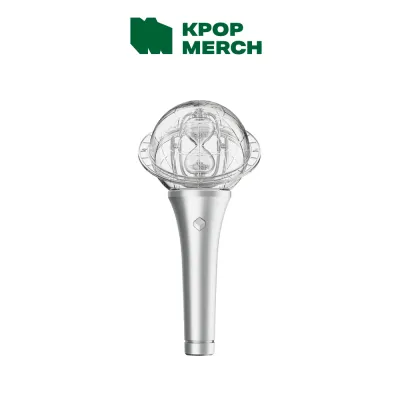


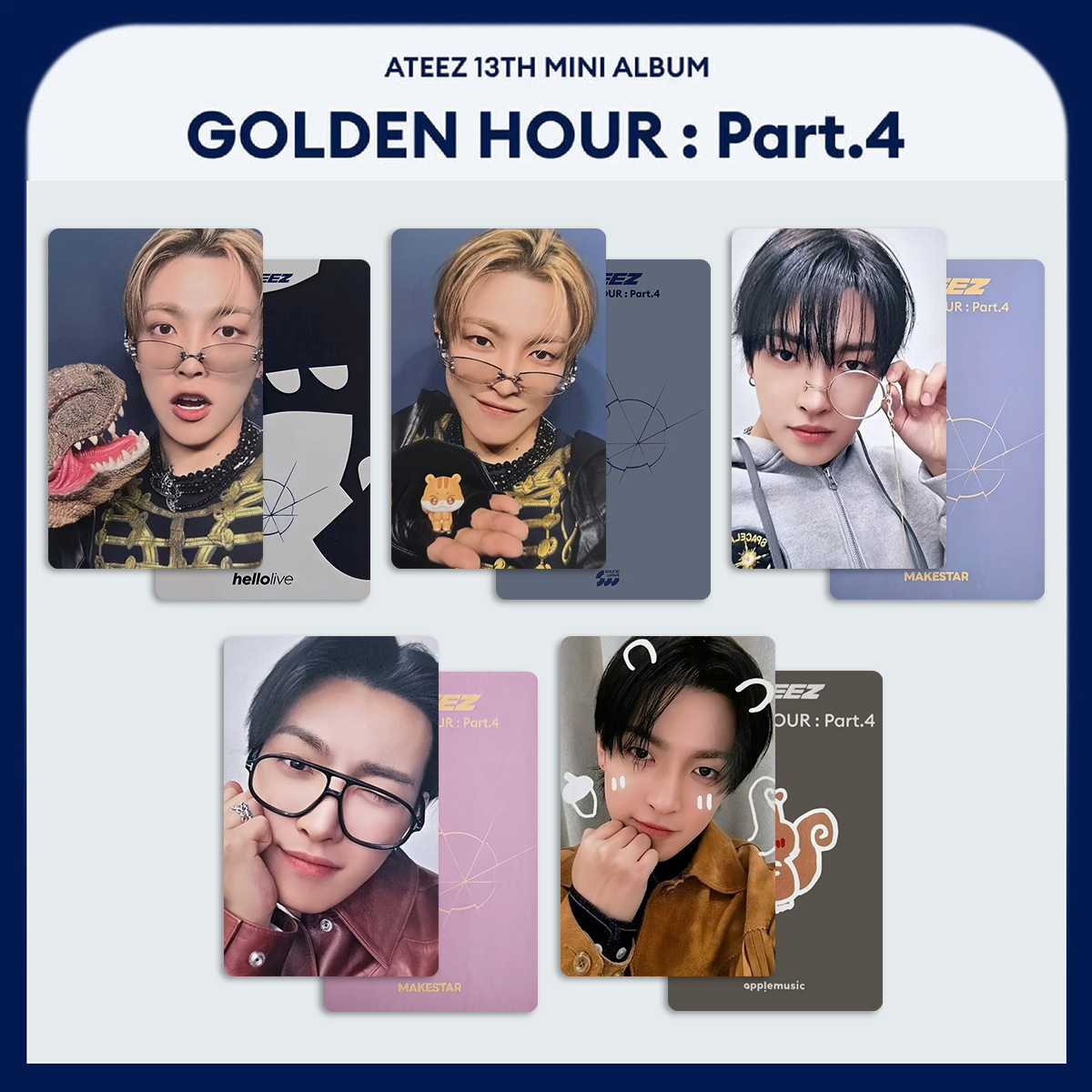
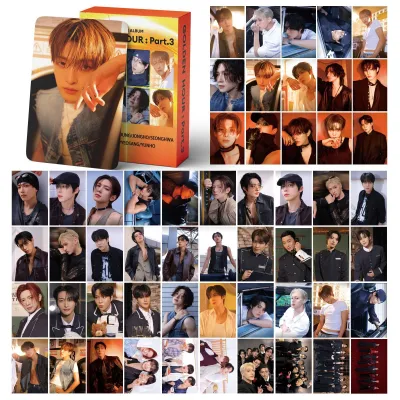
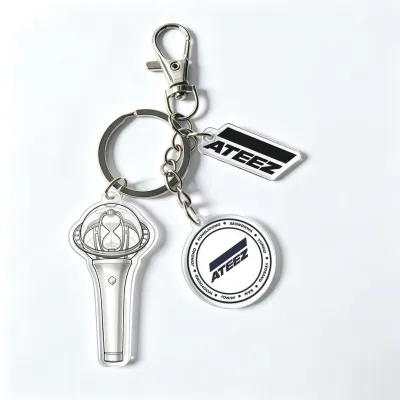
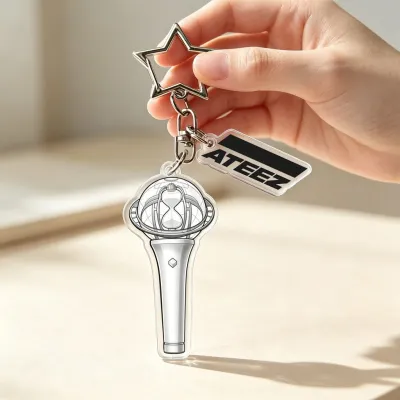
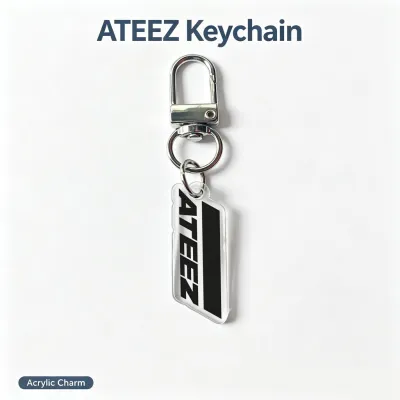
Prices are valid at publication and may change. Please refer to the product page for the latest price.
Setting a realistic S$ budget is the most effective way to avoid impulse purchases driven by limited-time offers and fear of missing out. The fast-paced nature of K-pop releases can make it feel as though you must buy everything immediately, but most core items remain accessible long after their release date. By allocating a set amount of money each month for your collection, you can make thoughtful decisions rather than rushed purchases that lead to buyer’s remorse.
Investing in the Official Lightstick and Event Gear
If you plan to attend a live concert or a fan meeting, the official lightstick is undoubtedly your most important purchase. This device is not merely a glowing accessory; it is an interactive tool that synchronizes via wireless technology with the venue’s lighting system during performances. This synchronization allows the audience to become an active part of the show, creating a unified visual experience that defines the atmosphere of a live K-pop event.

Before purchasing a lightstick, especially from secondary sellers, you must verify its technical functionality. Official lightsticks connect to a dedicated smartphone application via Bluetooth to receive firmware updates and pair with specific concert seats. Ensure the device powers on successfully, pairs with the official app, and responds to color-change commands. If these features do not work, the lightstick may be an older, unsupported version or a counterfeit.
Proper battery maintenance is critical to preserving your lightstick, particularly in warm and humid climates. Most lightsticks run on standard AAA batteries, which should always be removed from the battery compartment immediately after use. Leaving batteries inside the device during long periods of storage can lead to chemical leakage, causing irreversible corrosion to the internal spring contacts and electronic circuitry. Store the lightstick in a cool, dry place inside its original box or a dedicated protective case.
When evaluating a pre-owned lightstick on the secondary market, pay close attention to the physical condition of the accessories. Check the wrist strap for fraying, inspect the battery housing cap for secure threading, and examine the outer plastic dome for hairline cracks. A damaged dome not only affects the aesthetic appeal but also compromises the structural integrity of the device during enthusiastic use at a concert.
Selecting Your First ATEEZ Albums and Physical Releases
Physical music releases are the foundation of any K-pop collection, offering a tactile connection to the music through elaborate packaging and exclusive printed content. ATEEZ albums are released in several distinct formats, each catering to different preferences and budgets. Understanding these formats allows you to choose the version that best matches your display space and media habits.
Standard albums are typically packaged as large, hardcover photobooks containing a physical CD, a lyric booklet, and a variety of random paper inclusions such as postcards and collectible cards. Digipaks and jewel cases offer a more compact and budget-friendly alternative, focusing primarily on the physical disc with a smaller, simplified booklet. Platform or smart albums contain no physical CD at all; instead, they feature a digital download code or an NFC-enabled card packaged with a small selection of physical cards, allowing you to access the music and digital photobooks via a smartphone application.
When choosing your first physical album, evaluate the quality of the physical components. Look for sturdy binding styles, such as perfect binding, which keep the heavy paper pages of large photobooks secure over repeated viewings. Pay attention to the paper stock used; high-quality matte or heavy glossy paper resists fingerprints and wear much better than thin, uncoated paper. Additionally, consider the size of any included posters or folded sheets to ensure you have adequate storage or display space.
Before purchasing, verify your media compatibility and the terms of any digital inclusions. If you choose a standard CD-based album, ensure you have a compatible optical drive or CD player to enjoy the audio. For platform albums, check the system requirements of the associated app on your mobile device and verify whether the digital access codes have an expiration date, which is common for older releases.
| Format | Typical Inclusions | Collectibility Focus | Pre-Purchase Verification |
|---|---|---|---|
| Standard Album | Photobook, CD, random cards, postcards, folded poster | Visual concept, shelf display, physical media | Check binding integrity, completeness of random inclusions |
| Digipak / Jewel Case | Compact booklet, CD, limited random cards | Budget-friendly physical music, compact storage | Inspect plastic hinges for cracks, verify disc surface |
| Platform / Smart Album | QR card, digital photobook access, exclusive cards | Card collecting, minimal physical footprint | Confirm digital code is unused, check app compatibility |
Collecting Official Photocards and Paper Goods
Collectible paper cards have become one of the most popular aspects of modern music collecting, but they require careful handling and verification. Official ATEEZ photocards typically measure approximately 55 mm by 85 mm, which is the standard size for most collectible cards in the industry. Knowing these exact dimensions is crucial when purchasing protective sleeves, binder pages, and storage boxes, as even a millimeter of deviation can cause cards to bend or slide out of their pockets.
To assess the condition and authenticity of a card, examine the paper quality, print finish, and edges. Official cards are printed on sturdy, high-grade cardstock with clean, rounded corners. Depending on the release, they may feature a glossy, matte, or holographic finish that should be smooth and free of print lines or color bleeding. Many official cards also exhibit tiny, subtle cutting tabs on the top or bottom edges, which are natural artifacts of the manufacturing process and help verify authenticity.
Beyond individual album cards, you can find excellent value in larger paper collections such as official Season’s Greetings packages, annual calendars, and concert photobooks. These items often include high-quality stationery, desk calendars, and large-format photo cards that offer a substantial amount of visual content for their price. They serve as excellent centerpieces for a new collection without the pressure of chasing individual rare cards.
Be cautious when encountering heavily discounted paper items on secondary markets. While a low price is tempting, it often indicates hidden defects such as surface scratches, bent corners, or edge whitening caused by improper storage. Always ask for close-up photos taken under direct light to inspect the surface quality before finalizing a purchase.
Merchandise Categories to Approach with Caution
As a new collector, it is easy to get swept up in the variety of products available, but certain categories carry higher risks of quality issues or inflated costs. Unverified fan-made apparel and accessories sold on online marketplaces often use copyrighted imagery without authorization and frequently suffer from poor manufacturing quality. These items may shrink excessively in the wash, feature blurry prints, or use low-grade metals that tarnish quickly, making them poor long-term investments.
The secondary market for rare, limited-edition, or out-of-print collectible cards is highly volatile and prone to extreme price inflation. It is common for older or highly sought-after cards to be priced far beyond their original value. To avoid overspending, set strict personal price limits and remind yourself that no single piece of paper is essential to enjoying the group’s music or supporting their career.
Official clothing items, such as concert hoodies and t-shirts, require careful sizing verification. Official merchandise is often produced using regional sizing standards that may differ significantly from what you typically wear. Rather than relying on standard letter tags like small, medium, or large, always consult the exact measurement charts provided by the manufacturer, paying close attention to chest width and total length.
Finally, recognize when physical duplicates are unnecessary. With digital streaming platforms providing instant access to the group’s entire discography, purchasing multiple copies of the exact same album version simply to collect different random cards can quickly drain your budget. Focus your resources on unique items that bring you genuine joy rather than trying to own every physical variation of a release.
Where to Buy and How to Verify Authenticity
To ensure your purchases are genuine and support the artists, always buy from authorized retailers, official online stores, or reputable local distributors in Singapore. Established physical and online music stores often have direct distribution agreements, meaning their sales are officially tracked and reported to major music charts. Purchasing from these verified channels eliminates the risk of buying counterfeit goods.
When inspecting physical merchandise in person or via detailed photos, look for official security markers. Most official Korean music releases feature a holographic KOMCA sticker or a specialized agency security label on the back packaging. These stickers reflect light in a distinct, multi-layered pattern and often include unique serial numbers. Additionally, check the overall print clarity; counterfeit items typically suffer from low-resolution printing, muddy colors, and misaligned text.
If you choose to buy from peer-to-peer trading platforms, practice safe transaction methods to protect your funds. Always request a video of the item showing the seller’s handwritten username and the current date on a piece of paper next to the product. This simple check proves the seller physically possesses the item in the stated condition. Use secure payment methods that offer buyer protection, and avoid sellers who insist on unprotected bank transfers.
If a seller is unwilling to provide clear photos, hesitates to show the holographic security sticker, or pressures you to complete the transaction quickly, trust your instincts and stop the transaction. It is always better to wait for a verified listing from a reputable source than to risk your budget on an unconfirmed item. Consulting online fan communities can also provide valuable second opinions on the authenticity of a listing.
Frequently Asked Questions (FAQ)
How should I store and protect my ATEEZ paper collectibles?
To preserve the pristine condition of your paper collectibles, always insert photocards into acid-free, PVC-free protective sleeves before placing them in binder pages or rigid top loaders. PVC is a harmful plasticizer that degrades paper and ink over time, leading to discoloration and sticking. Ensure the sleeves fit snugly to prevent the cards from sliding and bending at the corners.
In Singapore’s humid climate, storing paper items properly is essential to prevent warping, yellowing, and mold growth. Keep your albums, photobooks, and binders in a well-ventilated area away from direct sunlight, heat sources, and damp walls. Placing small, food-safe silica gel packets inside your storage boxes or binder cases is an effective way to absorb excess moisture and protect your collection.
Organize your collection systematically to minimize unnecessary handling, which can cause wear over time. Avoid overstuffing binder pages, as excessive pressure can leave permanent indentations on the cards. If you display posters or larger paper items, use UV-resistant frames to protect the vibrant colors from fading due to ambient light exposure.
Is it necessary to buy every album version released?
No, it is absolutely not necessary to purchase every single version of an album. While K-pop releases often feature multiple packaging designs and visual concepts, the musical tracks on the physical disc are identical across all versions of a specific release. Purchasing one version is entirely sufficient to enjoy the physical music.
Manage collection fatigue by focusing only on the versions that feature your favorite visual concepts or contain inclusions of your preferred members. Many collectors find it more rewarding to own a diverse selection of different album titles rather than multiple copies of the same release. This approach keeps your collection varied and your budget manageable.
Remember that digital streaming platforms offer convenient access to the music itself, allowing you to view physical purchases as visual art pieces. By separating the music from the physical collectible, you can make intentional, stress-free decisions about which physical items truly deserve a place on your shelf.
Community discussion
Share your experience or ask a question. Comments are reviewed before publication.