
When selecting packaging protection, the right material depends entirely on your item’s weight, fragility, and transit conditions. EPE foam is well-suited for versatile shock absorption and wrapping medium-to-heavy fragile goods; EVA foam suits custom-fitted, rigid inserts for high-value or precision equipment; and bubble wrap is highly effective for lightweight surface scratch protection and flexible void fill. Rather than searching for a single universal winner, use the physical characteristics and application conditions below to match the right cushioning to your specific shipping needs.
To make the right choice, you must understand how these materials behave under pressure, how they interact with different surfaces, and how they impact your overall shipping volume. Each material has distinct physical properties that dictate its performance during transit. By analyzing your product’s vulnerabilities—whether they lie in delicate glass surfaces, sensitive electronic calibration, or heavy metal edges—you can select a protective barrier that minimizes damage rates and controls shipping costs.
Material Profiles and Core Protection Mechanisms
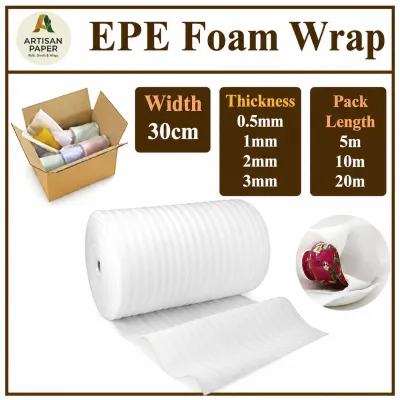
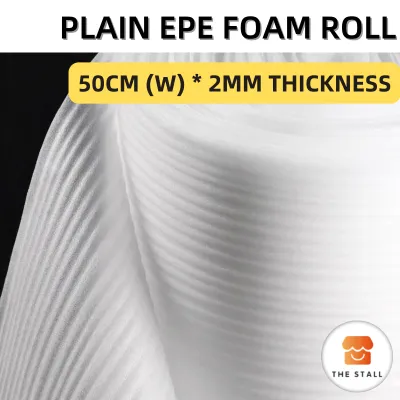
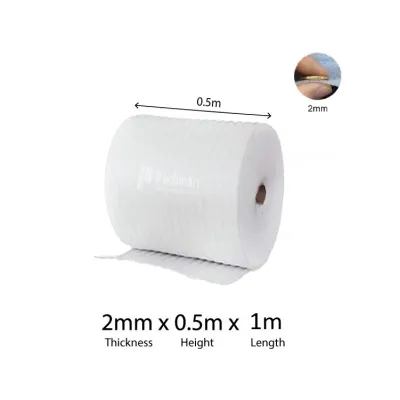
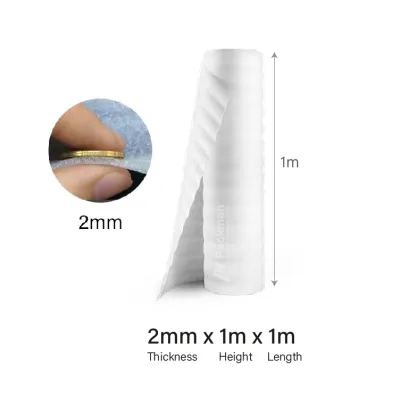
Understanding the structural makeup of each packaging material reveals how they defend your goods against the hazards of transit. Expanded Polyethylene (EPE) foam is a lightweight, semi-rigid, closed-cell foam. It consists of countless tiny, independent air bubbles fused together, which allows the material to compress under impact and rapidly regain its original shape. This high resilience makes EPE foam highly effective at absorbing repeated shocks without collapsing, while its closed-cell structure naturally resists moisture and dust.
Products mentioned in this guide
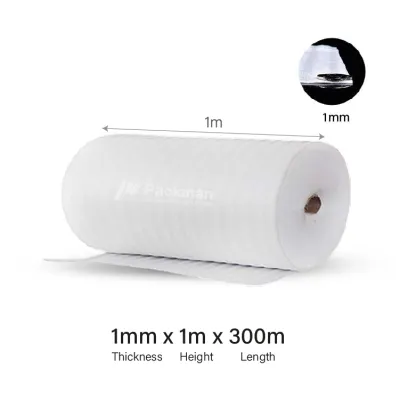
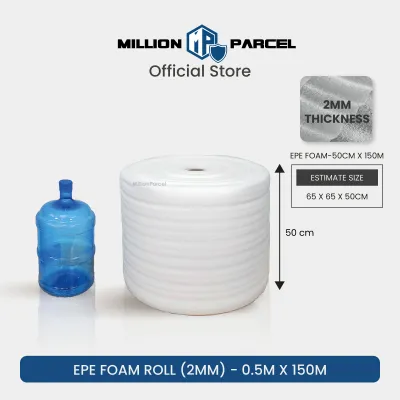
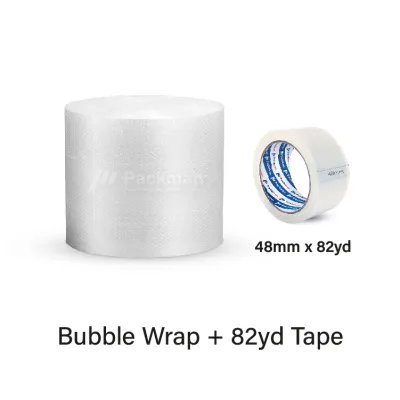
Prices are valid at publication and may change. Please refer to the product page for the latest price.
Ethylene-Vinyl Acetate (EVA) foam represents a denser, firmer class of closed-cell cushioning. It is highly durable, offering a smooth, rubber-like texture that provides strong structural support and edge protection. Because EVA foam is semi-rigid and easily cut or molded into precise shapes, it is typically used as custom-fitted inserts rather than a flexible wrap. It excels at cradling heavy or high-value items, preventing them from shifting inside a box and absorbing high-impact forces that would easily crush softer materials.
Bubble wrap takes a completely different approach by trapping air inside small, flexible plastic pockets sealed between layers of polyethylene film. This design provides lightweight, highly flexible surface cushioning that easily wraps around irregular shapes. While bubble wrap is effective at dispersing light impacts and preventing surface scratches, the individual air pockets can pop under heavy loads or sharp edges. It serves primarily as a first line of defense for light items or as a convenient void filler to keep objects secure within a carton.
Evaluating Protection Dimensions for Your Shipments
Selecting the right packaging requires balancing several physical dimensions to ensure your items survive the journey without unnecessarily inflating your shipping budget. The first critical trade-off is shock absorption versus surface protection. If you are shipping a heavy, fragile item like a ceramic vase, you need a material that can absorb the kinetic energy of a drop, which makes EPE foam a practical choice. Conversely, if you are shipping a polished metal tray that is structurally durable but highly prone to scuffing, a thin layer of bubble wrap provides reliable scratch prevention without the bulk of thick foam.

Weight and dimensional impact also play a major role in your total distribution costs, especially when shipping via courier services where dimensional weight pricing applies. EVA foam is significantly denser and heavier than EPE foam or bubble wrap, meaning it adds physical weight to your parcel and is best reserved for high-value items where the cost of damage far outweighs shipping surcharges. Bubble wrap adds virtually no weight but can quickly increase the external dimensions of your box if wrapped too many times, potentially pushing your package into a higher shipping rate bracket.
Reusability and structural memory are essential considerations if you operate a return-shipping model or want to minimize material waste. EPE foam possesses strong structural memory, meaning it can withstand multiple impacts during a single transit cycle and still be reused for future shipments. EVA foam is even more durable, maintaining its shape and protective qualities over years of repeated use, making it suitable for reusable transit cases. Bubble wrap, however, tends to lose its protective capacity quickly as air pockets pop during handling, often making it a single-use solution.
Environmental factors such as static electricity and moisture must also be verified before finalizing your packaging design. Sensitive electronic components can be permanently damaged by electrostatic discharge generated during transit, requiring the use of specialized anti-static grades of EPE foam or bubble wrap. Additionally, if your shipments travel through humid climates or sea freight, the moisture-resistant properties of closed-cell EPE and EVA foams prevent water vapor from reaching your products, whereas standard bubble wrap can trap condensation against the item’s surface if not paired with a desiccant.
Decision Framework: Matching Material to Product Type
To streamline your packaging selection, you can apply a simple decision framework based on the physical characteristics of your product and its shipping environment.
Choose EPE Foam if: You are shipping medium-to-heavy fragile items, such as glassware, consumer electronics, or automotive parts, that require reliable multi-angle impact protection. EPE foam is highly versatile and can be purchased in sheets, rolls, or planks, allowing you to wrap items directly or line the interior walls of your shipping boxes. Its ability to cushion against repeated drops makes it a standard choice for standard parcel shipping where packages are handled frequently by sorting machinery.
Choose EVA Foam if: You are transporting high-value, precision, or highly sensitive equipment, such as medical instruments, professional cameras, or custom tools. Because EVA foam is rigid and easily machined, it is best utilized as custom-molded or die-cut inserts that fit snugly inside a hard carrying case or a sturdy shipping carton. This ensures that the item remains completely immobile during transit, with its weight distributed evenly across the custom-fit cavity.
Choose Bubble Wrap if: You need to protect lightweight, non-fragile, or moderately fragile items from surface scratches, or if you need to fill empty spaces inside a shipping box. Bubble wrap is highly economical for wrapping small items like books, cosmetics, or plastic housewares. It is also a highly convenient option for quick, low-volume packing where items vary widely in shape and size, allowing packers to easily tear and wrap sheets as needed.
Verify first if: Your product has sharp corners, protruding metal parts, or heavy edges that could easily puncture the air pockets of bubble wrap, rendering it useless. In such cases, you must upgrade to EPE foam or use protective plastic corner guards. Additionally, always check if your specific industry requires specialized material certifications, such as food-grade compliance for direct contact with kitchenware, or certified anti-static properties for bare circuit boards.
Sourcing Specifications and Practical Application Tips
To ensure your chosen material performs as expected, you must look beyond generic names and carefully evaluate manufacturer specifications. When sourcing EPE or EVA foam, pay close attention to the density rating, usually measured in kilograms per cubic meter (kg/m³) or pounds per cubic foot (pcf). A higher density indicates a firmer foam that can support heavier loads without bottoming out, while a lower density provides softer cushioning for lighter, more delicate items. For bubble wrap, verify the bubble diameter and height; larger bubbles are designed for filling empty space, while smaller bubbles are intended for close-conforming surface protection.
Applying these materials correctly is just as important as choosing the right specification. When wrapping items in EPE foam or bubble wrap, ensure complete coverage and secure all seams with high-tack packaging tape to prevent the material from shifting during transit. Avoid wrapping the material too tightly, as over-compression flattens the air pockets in bubble wrap and pre-loads the cells in EPE foam, significantly reducing their ability to absorb kinetic energy. For custom EVA inserts, ensure the cavity dimensions match the item precisely; a loose fit allows the item to gain momentum during a drop, leading to high-impact forces when it strikes the foam wall.
Proper storage and handling of your packaging inventory will preserve its protective qualities before it even reaches a box. Both polyethylene and ethylene-vinyl acetate can degrade, become brittle, or lose their elasticity if exposed to prolonged direct sunlight or extreme heat. Store your rolls, sheets, and inserts in a cool, dry warehouse away from UV light sources. When handling large rolls of bubble wrap or EPE foam, keep them away from sharp tools or rough flooring to prevent accidental punctures or tears that could compromise the material before wrapping.
Frequently Asked Questions (FAQ)
Can I combine EPE foam and bubble wrap for extra protection?
Yes, combining these materials is a highly effective way to leverage the unique strengths of both. A practical method is to wrap the item first in a layer of bubble wrap to provide soft, scratch-resistant surface protection, and then surround it with EPE foam planks or sheets to absorb heavy drop impacts. This dual-layer approach is particularly useful for high-finish items with fragile components, such as lacquered wooden furniture or delicate laboratory glassware. However, avoid taping the layers so tightly that you compress the materials, as this restricts their natural cushioning and reduces their overall protective efficiency.
Is EVA foam suitable for shipping heavy electronics?
EVA foam is highly suitable for shipping heavy electronics, provided it is implemented correctly. Because heavy electronics exert significant static pressure, you must select a high-density EVA foam that will not permanently deform or bottom out under the item’s weight. The foam must be custom-cut or molded to match the exact contours of the device, ensuring that the weight is distributed evenly across a wide surface area rather than concentrating on delicate corners or buttons. Additionally, for electronic components, always verify that the EVA foam has been treated with anti-static additives to prevent electrostatic damage during handling and transit.
Community discussion
Share your experience or ask a question. Comments are reviewed before publication.