
To choose the correct envelope for a gift, you must match the physical dimensions of your item—whether it is a flat banknote, a rigid gift card, or a folded greeting card—to the inner dimensions of the envelope, leaving a small margin for easy insertion. Selecting the correct size ensures your presentation looks polished, prevents the paper from tearing, and keeps valuable contents secure during transit or hand delivery.
When presenting a gift, the envelope is the first thing the recipient sees and touches. A poorly fitted envelope can bend the corners of a beautiful card, while an oversized envelope allows small gift cards to slide around awkwardly. Taking a moment to understand standard dimensions and measuring your gift items beforehand helps ensure a seamless, elegant presentation.
Understanding Standard Envelope Sizes for Common Gifts
Standard envelope sizes are typically designated by letter and number codes, which can seem confusing at first glance. The most common standards you will encounter on stationery packaging are the C-series and DL sizes. A C-series envelope is designed to fit the corresponding A-series paper size; for example, a C6 envelope neatly houses an A6 card, which is a standard sheet of A4 paper folded twice.
Products mentioned in this guide
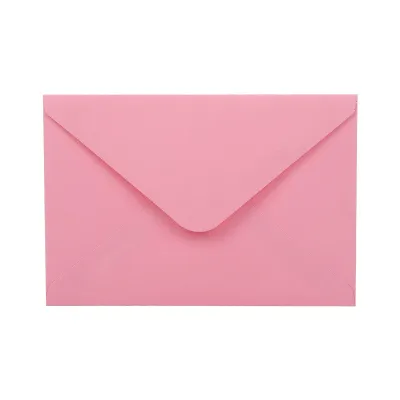
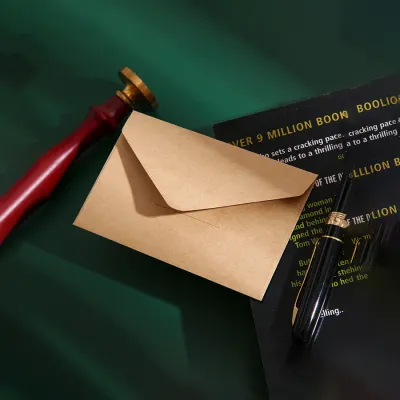

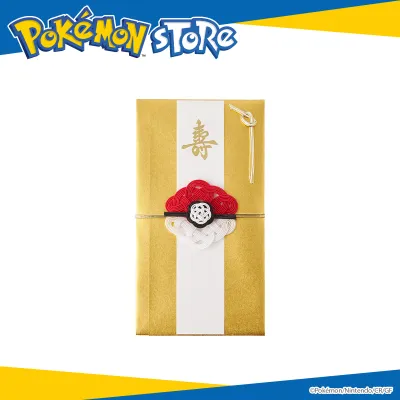
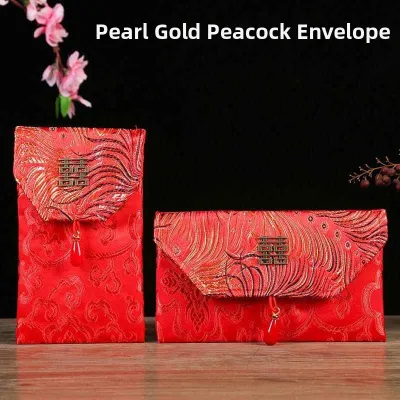
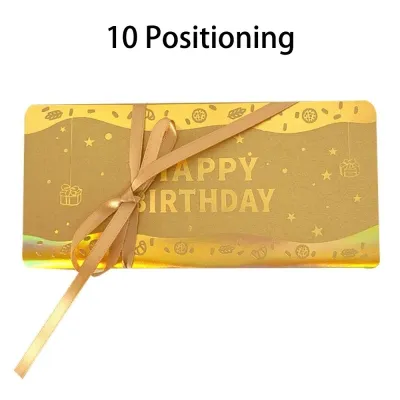
Prices are valid at publication and may change. Please refer to the product page for the latest price.
For flat gifts like unfolded banknotes or standard corporate gift vouchers, the DL envelope is the traditional choice. Measuring 110mm by 220mm, the DL size is long and slim, making it ideal for presenting cash gifts (such as S$10, S$50, or S$100 notes) without needing to fold them. This size is also the standard for most retail vouchers, theater tickets, and printed invitations.
If you are gifting a standard greeting card, you will most likely need a C6 or C5 envelope. A C6 envelope (114mm by 162mm) is the go-to size for standard-sized cards, while a C5 envelope (162mm by 229mm) is designed for larger, more formal greeting cards. For smaller, modern gift cards—similar in size to a credit card—specialty mini envelopes measuring around 90mm by 60mm are widely available.
It is crucial to check the manufacturer’s stated inner dimensions rather than relying solely on the external size name printed on the packaging. The thickness of the paper, the placement of the seams, and the fold of the flap can all reduce the actual usable space inside. Always verify that the inner measurements are slightly larger than your gift to avoid a tight fit.
How to Measure Your Gift and Find the Right Fit
Finding the right fit starts with a simple ruler. Lay your gift item flat on a hard surface and measure its maximum length and width. If you are gifting a single flat item like a voucher, these two dimensions are all you need, but if your gift has any thickness, you must account for that third dimension as well.

To ensure the gift slides in and out of the envelope smoothly, you must add a clearance margin to your measurements. As a general rule, add at least 5mm to both the length and the width of your item to find the minimum inner dimensions of the envelope. If the item is particularly thick, such as a handmade card with 3D embellishments, you should add 10mm or more to prevent the envelope from bulging.
Deciding whether to fold your gift or keep it flat depends largely on the presentation style you want to achieve. Folding cash is highly practical for smaller, decorative red packets or mini gift envelopes, which are common for festive occasions. However, for formal events like weddings or corporate presentations, keeping banknotes crisp and unfolded in a long DL or custom money envelope is generally preferred for a more elegant presentation.
Sizing Up for Thick or Multiple Gift Items
When your gift consists of multiple items, such as a greeting card, a plastic gift card, and a few banknotes, the cumulative thickness will quickly exhaust the space in a standard flat envelope. When the total thickness of your gift stack exceeds 3mm, standard flat envelopes will begin to bulge, distorting the shape of the paper and putting pressure on the seams.
In these cases, you should either step up to the next standard envelope size or look for specialty dimensional envelopes. For example, if your card and gift items are a tight fit for a C6 envelope, upgrading to a C5 envelope will provide the extra room needed to accommodate the thickness without bending the contents. This extra space also allows the recipient to slide the items out easily.
Overstuffing a standard flat envelope stretches the paper fibers, which can cause the seams to burst or prevent the adhesive flap from sealing securely. A compromised seal risks losing the valuable contents inside, so always opt for a larger size if the flap does not lay completely flat without tension. A clean, un-bulged envelope always looks more professional and secure.
Checking Paper Quality and Opacity for a Premium Presentation
The physical quality of the envelope plays a significant role in the overall gifting experience. Paper weight is measured in grams per square meter (GSM), and this figure is usually printed on the packaging. Standard mailing envelopes are typically 80 GSM to 100 GSM, which can feel thin and easily reveal the outline of the contents.
For gifts, look for envelopes made from 120 GSM to 150 GSM paper, which offers a sturdy, luxurious feel and resists creasing. This heavier weight not only feels premium in the hand but also provides better protection for the contents inside, ensuring that your gift arrives in pristine condition.
Opacity is critical when gifting cash or high-value vouchers. You can verify opacity by holding the envelope up to a bright light; high-quality gift envelopes often feature an internal security tint or use thick, dark-colored cardstock to help ensure the contents remain completely invisible from the outside. This maintains the element of surprise and keeps the gift secure.
Closure types also affect the overall presentation. Peel-and-seal closures are highly convenient and clean, eliminating the need for moisture, while gummed flaps offer a traditional look but require wetting. For a highly formal or vintage aesthetic, wax seals or string-and-button closures add a memorable, tactile element to the gift-giving experience.
Frequently Asked Questions (FAQ)
Can I fold cash or gift cards to fit a smaller envelope?
Yes, banknotes can easily be folded in half or thirds to fit into smaller, compact envelopes, which is a common practice for casual gifting or traditional red packets. However, rigid plastic gift cards cannot be folded without destroying the magnetic strip or barcode. For standard gift cards, you must use an envelope that is at least 90mm by 60mm to accommodate the rigid dimensions safely.
What is the best envelope size for a standard greeting card with money inside?
When combining a greeting card with a cash gift, the dimensions of the greeting card dictate the envelope size, as it is the largest and most rigid item. To secure the cash, tuck the banknotes inside the card’s fold or use a small piece of removable tape or a dedicated slot inside the card. This prevents the money from sliding out unexpectedly when the recipient pulls the card from the envelope.
Community discussion
Share your experience or ask a question. Comments are reviewed before publication.