
Quick Answer: Choosing the Right Iron-On Patch for Your Project
Selecting the right iron-on patch for clothes depends on your garment’s fabric, the level of detail in your design, and how often the item will be washed. Embroidered patches offer a classic, raised texture with high durability, making them excellent for heavy fabrics like denim jackets and canvas bags. Printed patches excel at reproducing complex, photo-realistic graphics and smooth gradients on a flat surface, though they lack physical texture. Fabric and woven patches provide a middle ground, utilizing thin threads to capture fine text and intricate details while maintaining a flexible, lightweight drape that integrates smoothly with thinner garments. Ultimately, matching the patch’s weight and stiffness to your clothing material ensures the patch adheres securely without distorting the fabric.
Understanding the Core Differences in Patch Construction
Embroidered Iron-On Patches
Embroidered patches are constructed by stitching thick rayon or polyester threads onto a sturdy fabric backing, such as twill. This traditional manufacturing method creates a distinct, raised border and a highly textured surface that stands out from the garment. Because of the layered thread construction, these patches are relatively thick and stiff, which gives them a premium, tactile feel but limits their flexibility on lighter fabrics.

Printed Iron-On Patches
Printed patches utilize dye-sublimation or direct-to-fabric printing processes to apply ink directly onto a smooth polyester or polymer base. This technique allows for the reproduction of high-resolution images, complex color gradients, and fine lines that are impossible to achieve with physical threads. The resulting patch has a completely flat, smooth surface with no raised elements, offering a modern, clean aesthetic while remaining thinner and more pliable than embroidered alternatives.
Products mentioned in this guide
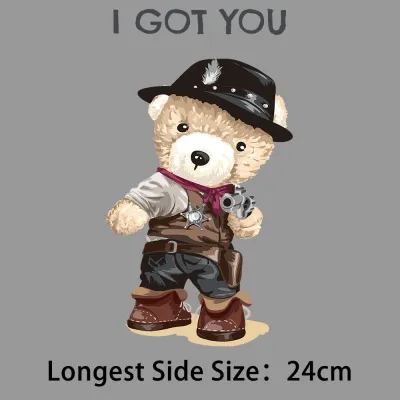
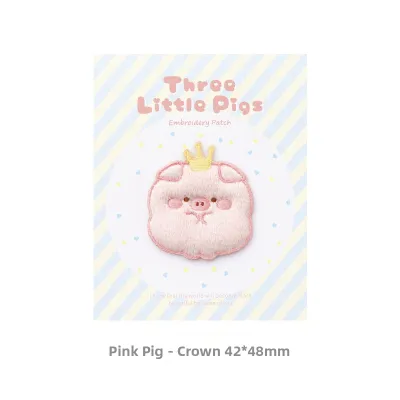
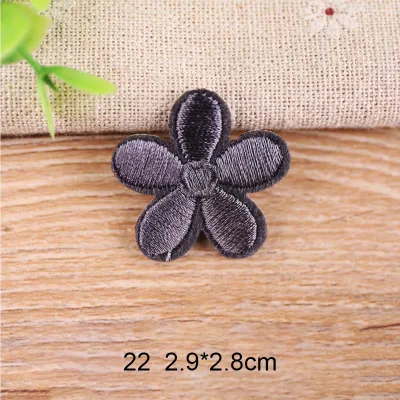
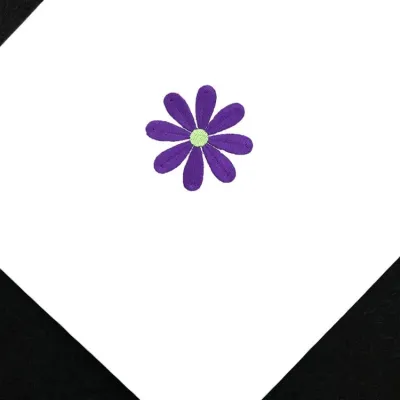
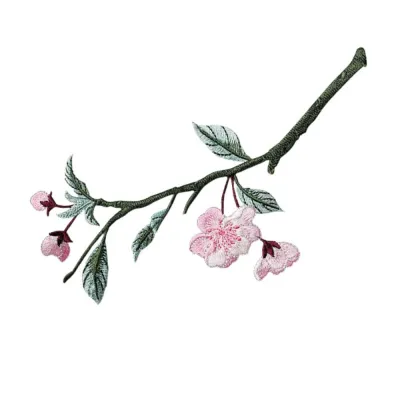
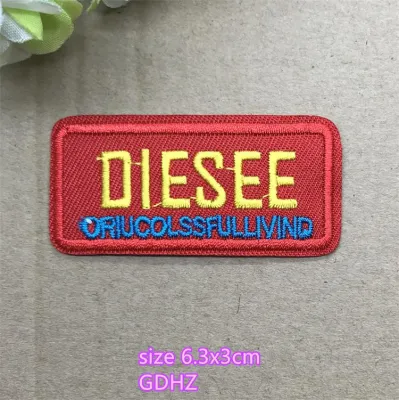
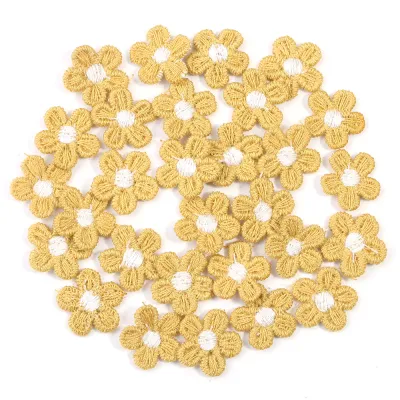
Prices are valid at publication and may change. Please refer to the product page for the latest price.
Fabric and Woven Iron-On Patches
Woven patches are made by weaving thin, fine threads together on a loom rather than stitching them onto a pre-existing backing. This tight weave allows for incredibly sharp detail, clean text, and intricate patterns without the bulk or thickness of traditional embroidery. Standard fabric patches, such as those made from printed cotton or canvas, offer a similar low-profile, lightweight feel but may rely on printed designs rather than woven structures. Both woven and fabric patches provide a highly flexible, low-profile finish that drapes naturally with the movement of the garment.
Comparing Visuals, Texture, and Durability for Clothing
Visual Detail and Color Accuracy
When your design features intricate logos, tiny text, or complex color gradients, printed patches offer the highest fidelity. Because they rely on ink rather than thread, they can reproduce photographic details without distortion. Woven patches are the next best option for detail, utilizing thin threads to render legible text as small as two millimeters. Embroidered patches, while visually striking, are limited by thread thickness; fine lines and small lettering can easily become muddy or illegible.
Texture and Garment Drape
The physical feel of a patch significantly impacts how a garment wears. Embroidered patches are stiff and heavy, which can cause lightweight fabrics like t-shirts to sag or pucker around the edges. Printed and woven patches are much thinner and more flexible, allowing them to bend and move with the clothing. If comfort against the skin or a natural drape is your priority, a lightweight woven or fabric patch is generally more suitable than a thick embroidered one.
Durability and Washability
Durability depends heavily on the quality of the materials and how the garment is laundered. Embroidered patches are highly resistant to wear and tear, though the raised threads can occasionally snag on sharp objects. Printed patches may experience gradual ink fading over dozens of washes, especially if exposed to harsh detergents or high heat. The adhesive backing on all three types will eventually degrade with frequent washing; checking the manufacturer’s care label and reinforcing the edges is key to long-term durability.
Cost and Availability
In the local market, pre-made iron-on patches typically range from S$2 to S$8 each at craft shops or online marketplaces. Custom designs usually require minimum order quantities, with prices varying from S$3 to S$15 per patch depending on the size, complexity, and batch volume. Printed and woven patches often have slightly higher setup costs for custom orders due to the specialized machinery required, whereas pre-made embroidered patches are widely available and highly affordable for individual DIY projects.
Matching the Patch Type to Your Garment Fabric and Use Case
Heavyweight Fabrics (Denim, Canvas, Jackets)
Heavyweight materials like denim, canvas, and heavy cotton jackets are ideal candidates for embroidered patches. The structural integrity of these fabrics easily supports the weight and stiffness of thick embroidery without sagging. Additionally, the rough texture of denim provides an excellent surface for the iron-on adhesive to grip, resulting in a strong, long-lasting bond.
Lightweight and Stretch Fabrics (T-shirts, Activewear)
Applying a heavy embroidered patch to a lightweight t-shirt, jersey, or activewear garment often leads to puckering, pulling, and discomfort. For these fabrics, woven or thin printed patches are highly recommended. Their lightweight construction and flexibility allow them to stretch and move with the fabric, preserving the garment’s original shape and ensuring a comfortable fit.
High-Friction Areas (Knees, Elbows, Cuffs)
Patches applied to high-wear zones like elbows, knees, or sleeve cuffs are subjected to constant bending and friction. In these areas, the edges of iron-on patches are highly prone to peeling. While woven patches offer excellent flexibility for joint movement, any patch placed in a high-friction zone should be reinforced with stitching to prevent the adhesive bond from failing prematurely.
Decision Matrix
To simplify your selection process, use this quick reference framework for common clothing modification projects:
- Choose Embroidered Patches if: You are customizing denim jackets, heavy canvas backpacks, or outerwear; you want a classic, premium, textured look; and your design consists of bold shapes and simple text.
- Choose Printed Patches if: You are working with complex, multi-colored artwork, photographs, or gradients; you prefer a completely smooth, flat surface; and you want to apply patches to medium-weight garments.
- Choose Woven or Fabric Patches if: You need to display highly detailed logos or small, legible text; you are customizing lightweight clothing like t-shirts or polo shirts; and you require maximum flexibility and comfort.
Application and Care Rules to Keep Patches Secure
Pre-Application Checks
Before applying heat, always check the care label of your garment to verify its heat tolerance. Fabrics like polyester, nylon, and delicate synthetics can easily melt or scorch under a hot iron. Ensure the garment is clean and pre-washed, as fabric softeners or manufacturing residues can prevent the iron-on adhesive from bonding properly with the fibers.
Ironing Technique
Set your iron to the temperature recommended by the patch manufacturer, usually around the medium-to-high cotton setting with the steam turned completely off. Place the garment on a flat, heat-resistant surface and position the patch. Always place a thin pressing cloth, such as a clean cotton pillowcase or tea towel, over the patch to protect the design and the garment from direct heat. Apply firm, downward pressure with the iron for 15 to 30 seconds, moving it slightly to avoid hot spots, then flip the garment inside out and iron the reverse side for another 15 seconds to fully melt the adhesive.
Reinforcement
While iron-on adhesive provides a convenient initial bond, it is rarely permanent on items that undergo regular washing. For maximum security, use a sewing machine or a needle and thread to run a simple straight stitch or whipstitch around the perimeter of the patch. This is especially crucial for heavy embroidered patches, activewear, or any garment that will be laundered frequently.
Washing and Drying
To extend the life of your patched clothing, always turn the garment inside out before washing to protect the patch face from friction. Wash the item in cold water on a gentle cycle using mild detergent, as hot water can re-soften the adhesive and cause the edges to lift. Avoid tumble drying on high heat; instead, line dry the garment or use a low-heat setting to preserve the integrity of the adhesive bond.
Frequently Asked Questions (FAQ)
Can I iron a patch onto polyester or nylon clothing?
Ironing patches onto synthetic fabrics like polyester or nylon carries a high risk of melting, scorching, or glazing the fibers due to the intense heat required to activate the adhesive. Always check the garment’s care label first to determine its maximum safe ironing temperature. If you proceed, use a lower heat setting, protect the fabric with a pressing cloth, and apply heat in short increments. For highly heat-sensitive synthetics, using a specialized fabric glue or sewing the patch on directly is a much safer alternative.
Why is my iron-on patch peeling off after washing?
Peeling usually occurs when the adhesive backing does not fully fuse with the fabric fibers during application, often caused by insufficient heat, inadequate pressure, or too short an ironing time. It can also happen if the garment fabric has a water-resistant or textured coating that prevents a proper bond, or if the item was washed in hot water. To fix this, you can attempt to re-activate the adhesive by ironing it again with a pressing cloth, or permanently secure the lifting edges by sewing them down.
Do I need to sew my iron-on patches even if they have adhesive?
Yes, sewing is highly recommended if you want the patch to remain permanently attached through repeated wash cycles and daily wear. Iron-on adhesive is excellent for temporary positioning or for items that are rarely washed, such as decorative jackets or display bags. However, the bond will naturally weaken over time due to fabric movement and laundry detergents. Adding a quick border stitch ensures the patch stays securely in place regardless of how often the garment is worn or washed.
Community discussion
Share your experience or ask a question. Comments are reviewed before publication.