
Quick Answer: Which Fabric Dye Fits Your Project?
Choosing between Dylon and Rit is not a matter of finding a single superior brand, but rather identifying which formulation aligns with your fabric type, application method, and project scale. Both brands have spent decades refining their products, yet they approach home dyeing from distinct angles. Selecting the wrong one can lead to patchy coloration, faded results, or a complete failure of the dye to adhere to the fibers.
Dylon is highly favored for its exceptional convenience in washing machine applications and its specialized formulations for natural fibers. If you are looking to refresh faded black jeans, update cotton bed sheets, or dye large linen garments with minimal mess, Dylon’s pre-measured machine pods and hand-dye powders offer a straightforward, reliable solution.
Rit excels in sheer versatility and creative flexibility. It is the go-to choice if you are working with a mix of synthetic and natural fibers, or if you want to dye non-fabric craft items like wood, wicker, paper, or nylon plastics. Rit’s extensive liquid color range is ideal for custom color mixing, tie-dyeing, and stovetop applications. Additionally, their specialized synthetic line makes it possible to dye polyester and acrylic materials that standard dyes cannot penetrate.
Products mentioned in this guide
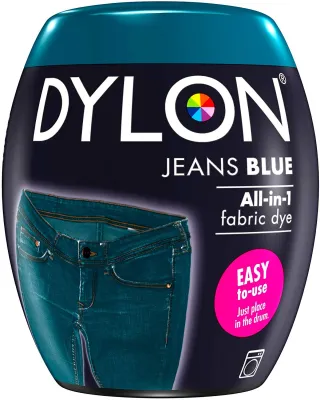

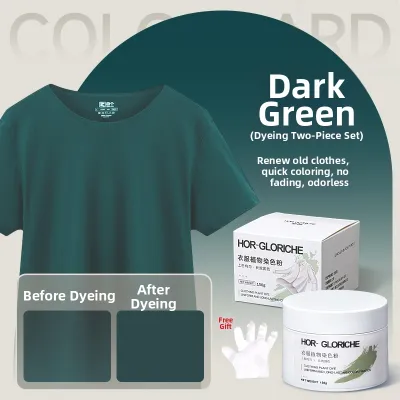
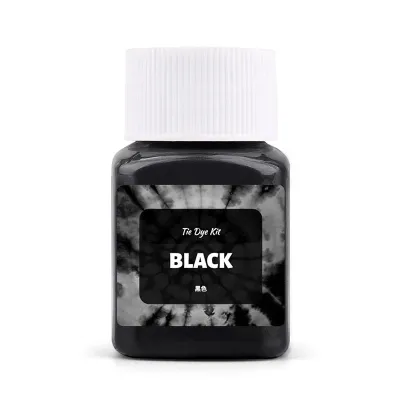
Prices are valid at publication and may change. Please refer to the product page for the latest price.
To make an informed purchase, you must evaluate your garment’s fiber content, your available household equipment, and the specific look you want to achieve. The following sections break down these critical variables so you can choose the correct product for your home project.
Fabric Compatibility and Formulation Types
Before purchasing any fabric dye, you must check the care label on your garment or textile. Fabric dyes are chemically formulated to bond with specific types of fibers. Applying a dye meant for natural fibers to a synthetic garment will result in the color washing completely down the drain, leaving your item unchanged or splotchy.

Natural Fibers (Cotton, Linen, Silk, Wool)
Natural fibers are divided into cellulose (plant-based, like cotton, linen, and hemp) and protein (animal-based, like wool and silk). Standard all-purpose dyes from both Dylon and Rit are highly effective on these materials, but they bond with them differently:
- Cellulose Fibers: Cotton and linen require a high-pH environment and salt to help the dye molecules migrate into the fibers. Dylon’s machine pods conveniently include the necessary salt and dye fixative within the pod itself, simplifying the process. When using Rit All-Purpose dye on cotton, you will need to add your own table salt to the dye bath to achieve deep, saturated colors.
- Protein Fibers: Silk and wool are sensitive to high heat and harsh agitation, which can cause felting or shrinkage. They require an acid activator, such as white vinegar, rather than salt to set the dye. While standard all-purpose formulations can work on protein fibers, you must verify the specific instructions on the packaging. For instance, Dylon Hand Dye is often recommended for delicate silk and wool, as it allows for low-temperature processing and gentle handling.
Synthetic Fibers (Polyester, Acrylic) and Blends
Synthetic fibers are essentially plastics. Because they are hydrophobic (water-repellent) and lack the porous structure of natural fibers, standard household dyes cannot penetrate them. If you attempt to dye a 100% polyester shirt with standard Dylon or Rit All-Purpose dye, the pigment will simply wash away.
To dye synthetic materials, you must use specialized formulations designed to withstand and utilize high heat:
- Rit DyeMore: This liquid formulation is specifically engineered for synthetic fibers, including polyester, polyester-cotton blends, acrylic, acetate, and nylon. It must be applied using a stovetop method, as the dye bath must be kept at a near-boiling temperature (at least 93°C) for the chemical reaction to occur.
- Dylon Synthetic Ranges: While Dylon focuses heavily on natural fibers, they do offer specific formulations in select markets for synthetic materials. However, their standard, widely available machine pods and hand dyes will not work on polyester.
Actionable Verification for Blended Fabrics
Many modern garments are blends, such as 60% cotton and 40% polyester. If you use an all-purpose dye on a blend, only the natural fibers (the 60% cotton) will take the color, while the polyester remains its original shade. This results in a lighter, heathered, or denim-like appearance.
Always read the garment care label to calculate the exact fiber percentages. If the synthetic content is over 35%, you should opt for a synthetic-specific dye like Rit DyeMore to ensure even, vibrant color coverage. Additionally, check the maximum wash temperature on the care label; if a delicate synthetic garment cannot handle the high heat required for synthetic dyeing, it is not a suitable candidate for home dyeing.
Dyeing Methods: Machine, Stovetop, and Hand Dyeing
The method you use to apply the dye impacts not only the final color saturation but also the amount of effort, cleanup, and equipment required. Both brands support different primary application methods.
Washing Machine Dyeing
Dyeing in a washing machine is the most convenient, hands-free method for large items like curtains, bedding, or multiple pairs of jeans. Dylon is the market leader for this method, particularly with its all-in-one machine pods. You simply place the damp fabric in the drum, peel the lid off the pod, place it on top of the fabric, and run a standard cotton cycle at 30°C or 40°C. Afterward, you run a second cycle with detergent to wash out excess dye and clean the machine.
Rit All-Purpose dye can also be used in washing machines, but the process requires more manual intervention. You must dissolve the liquid or powder dye in hot water first, pour it into the detergent dispenser or directly into the drum at a specific point in the cycle, and manually add dissolved salt or vinegar.
Before using either brand in your washing machine, check your appliance manufacturer’s warranty. While modern household dyes are generally safe for septic systems and washing machines, some appliance manufacturers advise against using dyes due to the risk of staining rubber door seals or internal components.
Stovetop and Hot Water Dyeing
The stovetop method is the gold standard for achieving deep, rich, and highly even color fastness. It is mandatory for synthetic dyes like Rit DyeMore, as the constant heat keeps the synthetic fibers open to receive the pigment.
Using a large stainless steel pot on the stove allows you to maintain a consistent, high temperature and stir the fabric continuously. Continuous stirring is critical; if the fabric remains folded or settled at the bottom of the pot, the dye will deposit unevenly, resulting in dark patches and light streaks. Rit’s liquid dyes are particularly convenient for this method because they disperse instantly in hot water without the risk of undissolved powder flecks staining the fabric.
Cold Water, Tie-Dye, and Crafting
For delicate items, intricate tie-dye patterns, or small craft projects, low-temperature hand dyeing is preferred. Dylon Hand Dye powders are formulated to work at 30°C, making them excellent for delicate wools, silks, or fine cottons that might shrink in a washing machine or stovetop pot.
If you are tie-dyeing, Rit All-Purpose liquid dye can be mixed with warm water and applied directly using plastic squeeze bottles. Because tie-dyeing does not involve submerging the fabric in a hot bath, you must use a post-dye fixative to lock the colors into the fibers and prevent them from bleeding together when washed.
Comparison of Dyeing Methods
| Dyeing Method | Best Suited For | Typical Brand/Product Format Focus |
|---|---|---|
| Washing Machine | Large items, bedding, bulk garments, hands-free convenience | Dylon Machine Pods, Rit All-Purpose (Liquid or Powder) |
| Stovetop | Synthetic fabrics (polyester), deep color saturation, precise temperature control | Rit DyeMore (Liquid), Rit All-Purpose Liquid |
| Hand Dyeing (Tub/Bucket) | Delicate fabrics, small garments, tie-dye, custom color blending | Dylon Hand Dye Powder, Rit All-Purpose Liquid |
Evaluating Color Selection and Expected Results
Achieving the exact shade you visualize requires an understanding of color theory, product formats, and post-dye maintenance.
Color Range and Custom Mixing
Rit is highly celebrated for its extensive color palette and its focus on custom mixing. Because Rit’s primary format is liquid, it is incredibly easy to measure out precise quantities (such as tablespoons or milliliters) to create custom shades. Rit even hosts an extensive online library of “color recipes,” showing users exactly how to combine their standard liquid colors to recreate hundreds of specific trendy shades.
Dylon offers a beautiful, pre-formulated range of classic and contemporary colors, particularly in their machine pod line (such as Intense Black, Ocean Blue, or Forest Green). These are designed to deliver highly consistent, repeatable results without the need for mixing. However, because they are packaged as self-contained pods or powders, they are less suited for spontaneous custom color blending.
Managing Vibrancy Expectations
One of the most common mistakes in home dyeing is expecting the dye to act like paint. Fabric dye is translucent, not opaque. This means the original color of the fabric will always blend with the color of the dye.
- Dyeing over white or cream: This yields the truest representation of the dye color on the package.
- Dyeing over colored fabric: If you apply blue dye to a yellow shirt, you will get green. If you apply red dye to a blue shirt, you will get purple.
- Dyeing dark fabrics: You cannot dye a dark garment a lighter color. Applying pink dye to a black or dark brown shirt will yield no visible change. If you want to change a dark garment to a lighter color, you must first use a commercial color remover to strip the existing pigment back to a neutral cream or white base.
Colorfastness and Post-Dye Care
To prevent your newly dyed clothes from bleeding onto other garments in the wash or fading under the intense tropical sun, you must take proper post-dye steps:
- Dye Fixatives: After dyeing natural fibers with Rit, applying a product like Rit ColorStay Dye Fixative is highly recommended. It locks the dye molecules into the fibers, significantly reducing bleeding and fading. Dylon’s machine pods contain built-in fixatives, but their hand dyes benefit from a thorough rinse in cold water and a pinch of salt to help set the color.
- Washing Habits: Always wash newly dyed items separately or with closely matching colors for the first three to four washes. Use cold water, a gentle cycle, and a mild liquid detergent. Avoid harsh powder detergents, bleach, and drying garments in direct, harsh sunlight, as UV rays break down dye bonds quickly.
Decision Framework: Choose Dylon or Rit?
To finalize your purchasing decision, match your project profile to the specific strengths of each brand.
Choose Dylon if:
- You want maximum convenience: You are dyeing everyday natural fiber garments (like cotton t-shirts, canvas tote bags, or linen trousers) and want to use a front-loading washing machine with zero-mess cleanup.
- You prefer pre-measured simplicity: You do not want to measure out liquid dyes, weigh salt, or mix powders. You want a self-contained pod that you can simply peel and drop into the machine.
- You are restoring faded classics: You want to bring faded black, navy, or dark green clothes back to their original, rich luster with minimal fuss.
Choose Rit if:
- You are working with synthetics or blends: Your garment contains polyester, acrylic, or acetate, requiring a high-heat synthetic dye like Rit DyeMore.
- You want custom colors: You are working on an artistic project, tie-dyeing, or matching a highly specific interior decor shade, and you want to follow precise color recipes.
- You are dyeing non-fabric items: Your project involves creative crafts using wood, wicker, paper, cork, 3D-printed plastics, or nylon buttons.
- You prefer stovetop control: You want to manually monitor the dye bath on the stove to ensure maximum color depth and evenness.
Verify First if:
- The item has a special finish: If your garment is waterproof, water-resistant, flame-retardant, or stain-resistant (such as outdoor jackets, umbrellas, or heavily treated upholstery), the chemical coating will block the dye from penetrating. In these cases, home dyeing will fail. You should consult the garment manufacturer or a professional dry cleaner before proceeding.
- The item is heavily stained: Dye will not hide grease stains, sweat stains, or chemical spills; it will only tint them, often making them more noticeable. These stains must be treated and thoroughly removed before dyeing.
Essential Preparation and Safety for Home Dyeing
Home dyeing is a rewarding DIY project, but it involves powerful pigments and hot water. Proper preparation and safety measures protect your skin, your home, and your garments.
Fabric Preparation
Always wash your fabric before dyeing, even if it is brand new. New garments are treated with “sizing” (chemical starches that give clothes a crisp look in stores), and worn garments carry invisible body oils, perfumes, and fabric softeners. These substances create an invisible barrier on the fibers, preventing the dye from absorbing evenly and leading to splotchy results. Wash the item with a standard detergent, but do not use any fabric softener or dryer sheets, as these coat the fibers.
Leave the fabric damp when introducing it to the dye bath. Wetting the fabric beforehand ensures that the dye solution is absorbed evenly and quickly across the entire surface.
Workspace and Skin Protection
Fabric dye is designed to stain permanently. Protect your workspace and yourself before opening any dye container:
- Wear Protection: Put on heavy-duty rubber or nitrile gloves to prevent staining your hands. Wear an apron and old clothing that you do not mind staining.
- Cover Surfaces: Cover countertops, floors, and sinks with plastic drop cloths, heavy-duty trash bags, or thick layers of newspaper. Keep paper towels and a mild abrasive cleaner nearby to wipe up any accidental splashes immediately before they can stain porous surfaces like grout or laminate.
Safety Boundaries for Stovetop Dyeing
If you are using the stovetop method, establish strict safety boundaries:
- Dedicated Equipment: Never use pots, spoons, measuring cups, or tongs that you use for cooking food. The chemicals in fabric dyes are not food-safe. Purchase a dedicated stainless steel or enamel pot and a long plastic or wooden spoon solely for crafting.
- Ventilation: Ensure your kitchen or workspace is well-ventilated. Turn on exhaust fans and open windows, especially when heating synthetic dyes, as the sustained high heat can release strong chemical vapors.
Cleanup and Disposal
Clean your equipment, sink, and washing machine immediately after finishing the dyeing process. If dye dries on plastic, porcelain, or stainless steel, it becomes significantly harder to remove.
When disposing of dye wastewater, pour it down a utility sink, a stainless steel kitchen sink, or a toilet, flushing with plenty of clean water. Avoid pouring dye down porcelain bathtubs or plastic basins, as these materials are highly porous and prone to staining. Check your local municipal guidelines regarding household wastewater disposal; standard household dyes are generally safe for municipal sewer systems in residential quantities.
Frequently Asked Questions (FAQ)
Can I dye a garment that is already dark?
No, you cannot dye a dark garment a lighter color because fabric dye is translucent and adds to the existing color rather than covering it. To change a dark garment (such as black, navy, or dark brown) to a lighter or vibrant shade, you must first strip the original pigment. Use a commercial color remover product, such as Rit Color Remover or Dylon Pre-Dye, which safely dissolves the existing dye bonds without damaging the underlying fibers like chlorine bleach would. Once the fabric is reduced to a neutral cream or off-white shade, you can apply your new, lighter dye color.
Will fabric dye cover bleach stains?
Fabric dye will not successfully cover bleach stains. Bleach does not just remove color; it chemically alters and permanently damages the structure of the fibers, stripping away their ability to hold pigment. If you dye a garment with bleach spots, the damaged areas will still absorb the dye differently, usually remaining much lighter than the rest of the fabric. To fix a bleach-stained garment, you must first use a color remover to strip the entire garment to a uniform, neutral base, or use creative solutions like fabric markers, patches, or tie-dye techniques to blend the spots into a pattern.
How do I clean the washing machine after using fabric dye?
To clean your washing machine after a dyeing cycle, wipe down the rubber door seal, the inside of the door glass, and the detergent drawer with a cloth dipped in a mild bleach solution or liquid detergent, as these areas tend to trap dye-heavy water. Next, run a complete, empty wash cycle on the hottest setting (at least 60°C) using a cup of liquid chlorine bleach or a dedicated washing machine cleaner. To ensure no residual dye remains to stain your next load of laundry, wash a load of dark towels or old rags immediately after the cleaning cycle before washing any white or delicate garments.
Community discussion
Share your experience or ask a question. Comments are reviewed before publication.