
Starting your fiber arts journey begins with choosing the right yarn spinner to transform raw fiber into usable yarn. For most beginners, the choice comes down to two classic tools: the simple drop spindle and the mechanical spinning wheel. Deciding between them depends on your budget, physical space, and how you prefer to learn new physical skills.
A drop spindle offers an accessible, low-cost entry point that teaches you the core physics of twisting fibers together. It requires minimal storage and can be taken anywhere. Conversely, a spinning wheel is a larger investment of both money and space, but it rewards you with faster production speeds and a continuous, rhythmic spinning process once you master the coordination.
By understanding how each tool operates, how they fit into your home, and what kind of learning curve to expect, you can make an informed choice that keeps your crafting journey enjoyable and stress-free.
Products mentioned in this guide
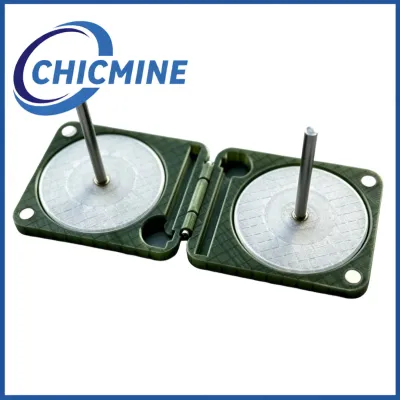
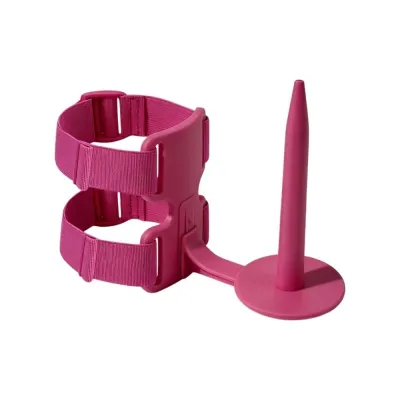
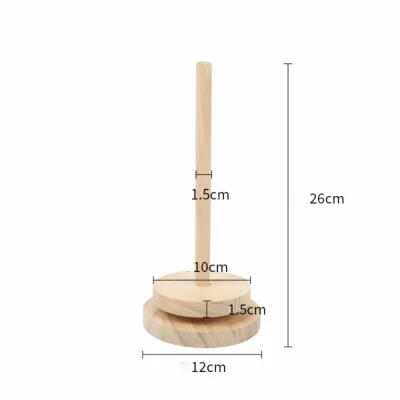
Prices are valid at publication and may change. Please refer to the product page for the latest price.
Core Differences Between a Drop Spindle and a Spinning Wheel
To choose the right yarn spinner, you must first understand how these two tools generate twist. A drop spindle relies on gravity and manual momentum. You suspend the spindle by the yarn, spin it with your hand, and let it hang while you draft the fiber. The twist travels up the suspended thread, binding the fibers together before you wind the finished length onto the shaft.
A spinning wheel uses a mechanical system driven by your feet. As you press the foot pedals, or treadles, a large drive wheel rotates a smaller flyer and bobbin assembly. This mechanical setup separates the generation of twist from gravity, allowing you to feed fiber continuously through an orifice. Your hands remain free to draft the fiber while your feet maintain the spinning momentum.
These mechanical differences directly impact the physical footprint of each tool in your home. A drop spindle is incredibly compact, easily fitting into a small drawer or a project bag. A spinning wheel requires a dedicated floor or table space, making it a more permanent fixture in your living area. In compact living environments, such as typical apartments in Singapore, finding a dedicated spot where you can sit comfortably with a wheel and have clear clearance for treadling is an important consideration.
Fiber compatibility also varies based on the specifications of your tool. With a drop spindle, the weight of the tool determines the thickness of the yarn you can spin; a spindle that is too heavy will break fine threads, while one that is too light will struggle to spin thick yarn. With a spinning wheel, you adjust the drive ratios, tension systems, and flyer sizes to accommodate different fiber types and yarn weights. Before purchasing, verify the manufacturer’s specifications to ensure the whorl size or flyer ratios match your intended fibers.
Evaluating the Learning Curve for Beginners
Learning to spin yarn is a process of developing muscle memory, and each tool approaches this learning curve differently. The drop spindle is often praised for its simplicity because it allows you to isolate the individual steps of spinning. By using the “park-and-draft” method, you can spin the spindle to build up twist, pinch the fiber to lock the twist in place, park the spindle securely under your arm or between your knees, and then use both hands to draft the fiber.

This step-by-step approach removes the pressure of managing multiple motions simultaneously. You can focus entirely on how the fibers slide past one another and how much twist is required to hold them together. The primary challenge of the drop spindle is manual coordination, as you must periodically restart the spin and manage the weight of the suspended tool to prevent the yarn from breaking and dropping the spindle.
A spinning wheel introduces a steeper initial learning curve because it requires multi-limb coordination. You must learn to treadle at a steady, slow pace with your feet while simultaneously drafting fiber with your hands. If your feet stop or change direction, the twist can reverse or the yarn can snap. This simultaneous action can feel overwhelming during your first few sessions as your brain coordinates the independent movements of your hands and feet.
However, once this coordination becomes second nature, the spinning wheel becomes incredibly efficient. The continuous motion allows you to spin large quantities of yarn much faster than is possible on a spindle. To ease this transition, a helpful verification tip is to practice treadling a wheel without any fiber first to build muscle memory, or to seek out a local craft group in Singapore where you can test-drive different wheel styles before making a purchase.
Budget, Space, and Portability Considerations
Your physical environment and financial plan play a major role in deciding which yarn spinner to bring home. The entry cost for a drop spindle is exceptionally low, making it a low-risk way to explore the craft. You can find high-quality wooden or 3D-printed spindles for a modest price, allowing you to test your interest in spinning without a major financial commitment.
A spinning wheel represents a much higher initial investment. Because they are complex mechanical devices made of precision-turned wood or specialized plastics, wheels require a larger budget. When planning your purchase, it is wise to check current local craft store listings or online specialty shops for exact S$ pricing, as prices can vary based on whether the wheel is a folding travel model, a traditional upright castle style, or an electronic spinner.
Space and storage are equally critical, especially in humid tropical climates like Singapore. A drop spindle can be stored anywhere and is unaffected by minor space constraints. A spinning wheel, however, needs a dedicated storage spot away from direct sunlight and high humidity to prevent wooden parts from warping or swelling, which can ruin the alignment of the drive wheel. You also need enough physical clearance around your spinning chair to treadle comfortably without hitting nearby furniture.
Beyond the initial tool purchase, you should factor in maintenance and accessory costs. Spinning wheels rely on consumable parts like drive bands, brake bands, and flyer hooks, and you will eventually need extra bobbins to store your spun singles before plying them. Drop spindles require very little maintenance, though you may want to purchase different weights of spindles as your skills progress. Always verify part compatibility with your specific model before buying accessories, as bobbins and flyers are rarely interchangeable between different brands.
Feature and Specification Breakdown
To help you compare these two tools at a glance, the following table outlines the key decision-defining dimensions for beginners.
| Tool Type | Primary Motion | Space Needed | Relative Entry Cost | Portability | Ideal Beginner Profile |
|---|---|---|---|---|---|
| Drop Spindle | Hand-spun rotation, gravity-assisted | Minimal (fits in a small bag) | Low (highly affordable) | Excellent (spin anywhere) | Budget-conscious crafters, travelers, and step-by-step learners |
| Spinning Wheel | Foot-treadled mechanical rotation | Moderate to high (dedicated floor space) | High (significant investment) | Limited (mostly stationary) | Production-focused crafters, those with dedicated space, and multi-limb coordinators |
Please note that specific tool weights, wheel drive ratios, bobbin capacities, and exact retail prices must be verified on the manufacturer’s label or the retailer’s product page before making a purchase, as these specifications vary widely by model.
Decision Framework: Which Yarn Spinner Fits Your Setup?
To finalize your decision, evaluate your current crafting goals against your physical and financial resources. Choose a drop spindle if you have a strict budget, limited storage space, or want a tool you can easily pack in a bag to spin during a commute or while traveling. It is also the ideal choice if you prefer a meditative, slow-paced craft and want to master the physics of fiber drafting without the pressure of coordinating your feet.
Choose a spinning wheel if you have a dedicated crafting corner in your home, a larger budget to invest in high-quality equipment, and a desire to produce large quantities of yarn for knitting, crocheting, or weaving projects. The wheel is perfect for crafters who enjoy mechanical systems, appreciate rhythmic physical coordination, and want to spin continuously without the interruptions of winding on by hand.
If you are still unsure about your long-term commitment to the craft, verify your interest before purchasing expensive equipment. Consider starting with a low-cost drop spindle to learn the basics of fiber preparation and twist. Alternatively, look for beginner spinning classes or community craft groups in Singapore where you can borrow a wheel or try out different models under the guidance of experienced spinners. This hands-on trial will help you understand which setup feels most comfortable for your body and your space.
Frequently Asked Questions (FAQ)
Can I spin all types of fiber with a beginner drop spindle?
While drop spindles are highly versatile, a single spindle cannot easily spin every type of fiber. The weight of the spindle dictates the thickness of the yarn it can produce; a heavy spindle (over 50 grams) is excellent for thick, medium-to-coarse wools but will constantly break fine fibers like silk or merino. Conversely, a very light spindle (under 25 grams) will struggle to spin thick yarn because it lacks the momentum to twist heavy fiber bundles. To ensure medium compatibility, check the manufacturer’s recommended fiber types and weight specifications before purchasing your first spindle.
Do I need to prepare the fiber before using a spinning wheel?
Yes, fiber preparation is essential for both drop spindles and spinning wheels, though the scale of preparation differs. You must card or comb raw fleece to align the fibers, or purchase pre-prepared roving or top from a supplier. Because a spinning wheel operates much faster than a drop spindle, it consumes prepared fiber at a rapid rate. This means you will either need to spend more time preparing fiber yourself or budget for the higher material costs of buying ready-to-spin commercial roving to keep up with your wheel’s production capacity.

Community discussion
Share your experience or ask a question. Comments are reviewed before publication.