
Quick Answer: Do You Need to Buy PVA Glue for Your Child?
Whether your child needs PVA (polyvinyl acetate) glue for school depends almost entirely on their current educational stage and their specific art or design curriculum. For everyday school tasks—such as pasting worksheets, spelling lists, or loose notes into exercise books—a standard solid glue stick is the cleaner, more practical choice.
However, if your child is entering preschool, lower primary, or taking specialized creative electives in secondary school, they will likely require the stronger bonding power of liquid PVA glue for hands-on projects. Before buying in bulk, review your school’s official stationery list. For most families, keeping a single, modest bottle of liquid PVA glue at home for weekend projects is highly sufficient, while a compact glue stick remains the daily classroom essential.
Understanding PVA Glue: Why It Is a Stationery Staple
Polyvinyl acetate, commonly known as PVA glue, white glue, or school glue, is a water-based aliphatic emulsion adhesive. It appears as a thick white liquid but dries to a completely clear, slightly flexible finish. Unlike solvent-based adhesives, PVA glue works by penetrating the porous fibers of materials like paper, cardboard, wood, and fabric. As the water content evaporates into the air and the surrounding material, the polymer molecules cross-link, creating a highly resilient mechanical bond.
Products mentioned in this guide
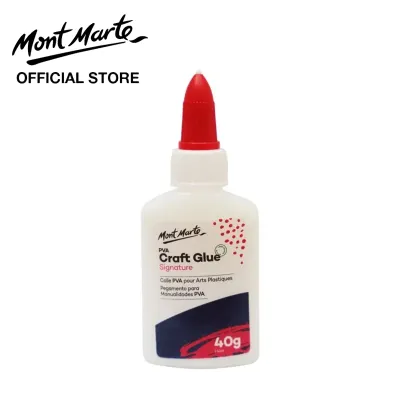
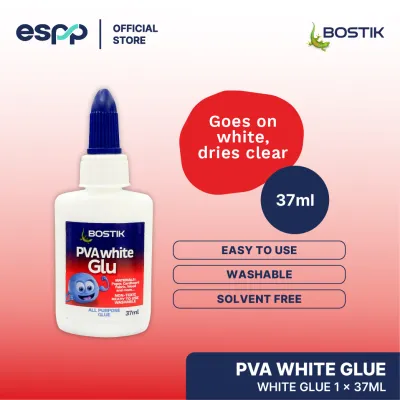
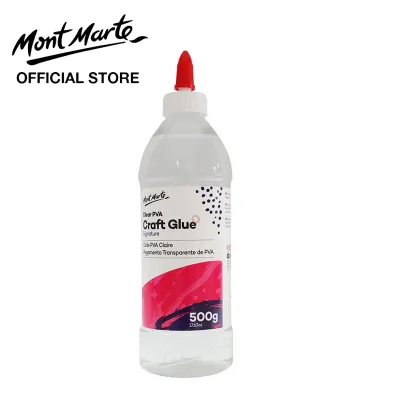
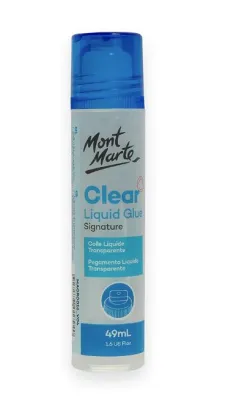
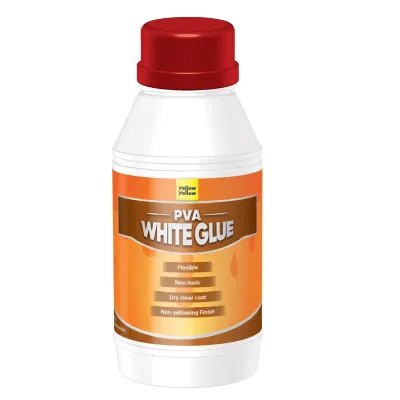
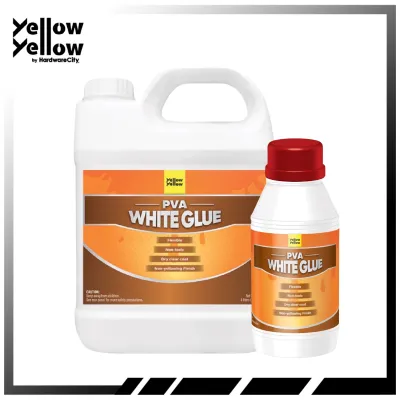
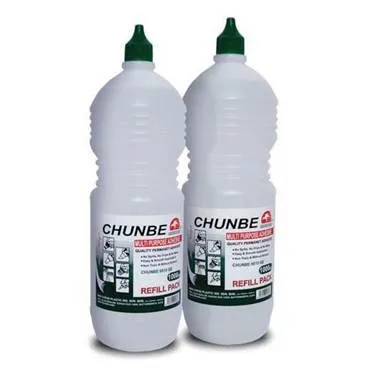
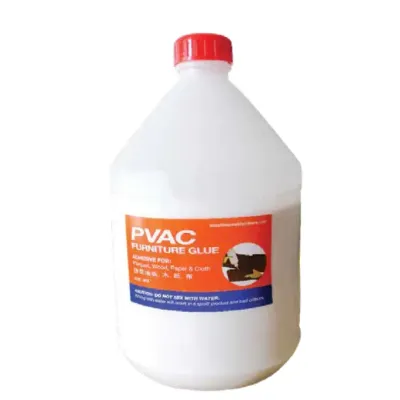
Prices are valid at publication and may change. Please refer to the product page for the latest price.

In a school environment, PVA glue is highly valued for several distinct functional advantages:
- High Bond Strength: It secures heavy, porous, and three-dimensional materials that lightweight adhesives cannot hold.
- Flexibility: Once cured, the adhesive layer retains a degree of elasticity, preventing joints from cracking or snapping when paper or cardboard is bent.
- Easy Clean-up: Because it is water-soluble when wet, spills on plastic desks, rulers, or hands can be wiped away easily with a damp cloth. It also washes out of most school uniform fabrics during a standard laundry cycle.
- Safety Profile: High-quality school PVA glues are formulated without harsh solvents or volatile organic compounds (VOCs).
When purchasing PVA glue for school use, always check the product packaging for recognized safety certifications. Look for the AP (Approved Product) non-toxic seal from the Art and Creative Materials Institute (ACMI) or the CE mark, which indicate that the formulation has been evaluated and deemed safe for children.
Grade-by-Grade Checklist: Assessing Your Child's Needs
While schools in Singapore follow structured national curricula for Art and Design & Technology (D&T), individual school requirements and teacher preferences vary. Use this grade-by-grade checklist to gauge how likely your child is to need PVA glue this academic year.
Preschool and Kindergarten
- Diagnosis: High probability of regular use.
- Context: Early childhood education focuses heavily on sensory play, fine motor skill development, and tactile crafting. Children frequently create multi-textured collages, pasting materials like macaroni, dried green beans, cotton wool, felt scraps, and heavy construction paper.
- Actionable Advice: Liquid PVA glue is highly recommended for this stage because it spreads easily over large surfaces and secures heavy, irregular three-dimensional items. When shopping, look for small, ergonomic bottles (around 40ml to 120ml) featuring easy-squeeze designs and narrow, twist-to-open nozzles. These features help small hands control the adhesive flow, reducing massive puddles and minimizing mess on preschool uniforms.
Lower Primary (Primary 1 to 3)
- Diagnosis: Moderate probability; typically shared with glue sticks.
- Context: As children transition to primary school, daily tasks become more structured. Students regularly paste printed worksheets into their single-line exercise books. For these flat, lightweight paper tasks, teachers almost universally prefer glue sticks because they do not warp paper or require drying time. However, primary art classes still feature dedicated craft units, such as basic papier-mâché or structural cardboard modeling.
- Actionable Advice: Carefully examine the Primary 1 orientation stationery list. If "liquid white glue" is not explicitly listed, do not pack a bottle in your child's daily school bag, as it adds unnecessary weight and carries a risk of leaking. Instead, keep a single 120ml bottle at home. This ensures they have the correct adhesive ready for weekend art projects or holiday homework assignments.
Upper Primary (Primary 4 to 6)
- Diagnosis: Low to moderate probability; highly project-dependent.
- Context: In upper primary, academic demands increase, and daily pasting tasks are handled almost exclusively by compact glue sticks. Liquid PVA glue is rarely used in standard classrooms. It is reserved for specific science models (such as building a sturdy base for an electrical circuit project or a water cycle diorama) or advanced art modules that involve joining thick corrugated cardboard.
- Actionable Advice: Avoid purchasing multi-packs or large containers. A single bottle stored in your home stationery drawer will easily last through these occasional projects. Wait for the subject teacher to issue a specific material list for a particular project before sending liquid glue to school.
Secondary School
- Diagnosis: Low probability for general use; high probability for specific electives.
- Context: General secondary school subjects require virtually no liquid glue. However, students taking Design and Technology (D&T) or elective Art will work with advanced materials. In D&T, students build prototypes using balsa wood, medium-density fibreboard (MDF), and heavy plastics. For these applications, standard school-grade PVA glue is often insufficient.
- Actionable Advice: Do not buy standard school PVA glue in advance. If your child is taking D&T, they will require specialized formulations, such as exterior-grade PVA wood glue, which offers much higher shear strength. The school workshop typically provides these heavy-duty adhesives, or the instructor will specify the exact technical grade required for coursework assessments.
Typical School Projects That Require Liquid PVA Glue
To help you determine whether to purchase PVA glue, it is helpful to understand the specific school projects where standard glue sticks fail. PVA glue is essential for projects that require structural integrity or involve non-paper materials:
- Papier-Mâché and 3D Modeling: Creating globes, historical landforms, or scientific cell models requires layering paper strips soaked in adhesive. Diluting PVA glue slightly with water creates a laminating glaze that dries rock-hard, providing structural strength that glue sticks cannot match.
- Mixed-Media Collages: When art projects require pasting heavy textiles, buttons, twigs, dried leaves, or shells onto a canvas or heavy cardstock, liquid PVA glue is necessary. The liquid adhesive fills the gaps and crevices of uneven surfaces, creating a strong mechanical lock once cured.
- Cardboard and Wood Construction: Joining corrugated cardboard boxes or balsa wood strips for bridge-building competitions or structural design projects requires a deep-penetrating adhesive. PVA glue seeps into the porous wood and paper fibers, creating a joint that is often stronger than the surrounding material.
Diagnostic Tip for Parents: If you are unsure whether to buy a bottle, ask your child: “Are you building a three-dimensional model, using thick cardboard, or pasting non-paper items this term?” If the answer is no, a standard glue stick is highly likely to be sufficient for their immediate school needs.
PVA Glue vs. Glue Sticks: Choosing the Right Adhesive
Understanding the functional boundaries between these two common school adhesives prevents over-purchasing and ensures your child has the right tool for the task. The table below outlines how they compare across key performance dimensions:
| Feature | Liquid PVA Glue | Glue Sticks |
|---|---|---|
| Primary Compatibility | Porous, thick, and 3D materials (cardboard, wood, fabric, heavy cardstock) | Thin, flat paper and lightweight cardstock |
| Drying Speed | Slow (requires 15 minutes to set; up to 24 hours for a full cure) | Rapid (sets almost instantly upon application) |
| Paper Warping Risk | High (water-based formula can buckle thin paper if over-applied) | Very Low (low-moisture formula keeps paper flat and neat) |
| Mess Factor | Moderate to High (can spill, drip, or squeeze out of joints) | Extremely Low (solid application, no dripping or running) |
| Best Use Case | Heavy-duty crafting, diorama construction, and wood modeling | Daily classroom use, pasting worksheets, and notebook organization |
| Portability | Lower (risk of leaks in school bags; heavier bottles) | High (compact, lightweight, and leak-proof pen-style cases) |
Because drying speed and paper warping depend heavily on the specific paper weight and application thickness, it is always wise to perform a quick “scrap-test.” Have your child apply a small dot of the adhesive to a scrap piece of the project paper to observe how much it warps and how long it takes to set before applying it to their final school submission.
For the ideal balance, pack a small glue stick in your child’s daily pencil case for neat, instant pasting during lessons. Keep a bottle of washable liquid PVA glue at home or in a dedicated art bag for designated practical art days and complex weekend homework.
Practical Buying and Storage Tips for Parents
To get the best value and performance from your child’s stationery, keep these practical purchasing and maintenance tips in mind:
- Select the Right Bottle Design: Look for bottles with twist-lock applicator tips or dual-nozzle designs (a fine tip for precision detailing and a broad spreader for large surfaces). These designs prevent the adhesive from drying out inside the nozzle and help control the amount applied.
- Prioritize Washability: Ensure the label explicitly states "washable." This ensures that accidental spills on school uniforms, backpacks, or home furniture can be easily cleaned with warm water and soap before the adhesive cures completely.
- Store for Longevity: Singapore's warm, humid climate can affect the shelf life of liquid adhesives. Store your PVA glue upright in a cool, shaded drawer or cupboard away from direct sunlight. Avoid storing stationery in hot utility closets or near windows, as elevated temperatures can cause the emulsion to separate or dry out prematurely.
- Perform Regular Maintenance: After each use, instruct your child to wipe the nozzle tip with a damp cloth or tissue before sealing the cap tightly. This simple step prevents dried glue from clogging the opening.
- Check for Expiration: If a stored bottle of PVA glue has separated into a watery layer and a thick solid layer, shake the bottle vigorously to recombine it. However, if the glue has turned yellow, become extremely clumpy, or developed a sour, vinegary odor, the polymer has degraded. In this case, the adhesive has expired and should be discarded.
While local neighborhood stationery shops and online marketplaces offer multi-packs of liquid glue at attractive prices, avoid buying more than your child can realistically use within a single academic year. Fresh PVA glue performs significantly better than a bottle that has sat in a humid drawer for several years.
Frequently Asked Questions (FAQ)
Is PVA glue safe for young children?
Standard white school PVA glue is water-based, solvent-free, and formulated to be non-toxic, making it highly safe for general classroom use. Always verify safety by looking for certifications like the AP non-toxic seal on the packaging. While it is skin-safe and easily washes off hands, it should not be ingested. Children with highly sensitive skin should wash their hands after crafting to prevent mild irritation from dried adhesive residue.
How long does PVA glue take to dry on paper?
Drying times vary depending on the application thickness and ambient humidity. In Singapore’s humid climate, a thin layer of PVA glue applied to standard paper will typically become tacky within 5 minutes and dry completely in 15 to 30 minutes. However, joining thick cardboard, balsa wood, or multi-layered crafts will require several hours, and up to 24 hours to achieve a full, structural cure.
Can PVA glue be used on plastic or fabric school projects?
Standard PVA glue requires porous surfaces to create a strong mechanical bond. It does not adhere well to smooth, non-porous surfaces like plastic, glass, or metal, and will easily peel off once dry. While it can temporarily hold lightweight fabrics for basic school crafts, it is not wash-resistant and will make the textile stiff. For durable fabric projects, specialized fabric glue or sewing is required.
Community discussion
Share your experience or ask a question. Comments are reviewed before publication.