
An automatic pencil sharpener is not a strict necessity for every student, but it becomes a highly valuable tool when a child’s daily writing volume increases or when manual sharpening causes physical fatigue and frustration. Deciding whether to make this upgrade depends on your child’s current grade level, their physical dexterity, and where they do most of their schoolwork. While a simple handheld sharpener works well for occasional use, an automatic model can streamline study routines and keep young learners focused on their tasks.
By evaluating your child’s daily writing habits and school requirements, you can determine if an automatic sharpener is a practical addition to their study desk. This guide breaks down the key indicators of need, grade-by-grade requirements, and essential features to verify before making a purchase.
Quick Diagnostic: Is an Automatic Sharpener Right for Your Child?
To decide if an automatic pencil sharpener is a worthwhile investment for your household, consider how your child interacts with their writing tools during daily homework sessions. A quick assessment of their current routine can reveal whether manual sharpening has become a bottleneck in their learning process.
Products mentioned in this guide
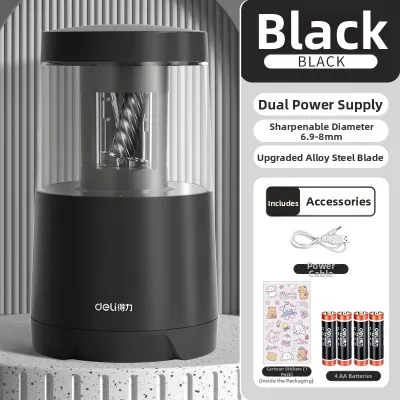

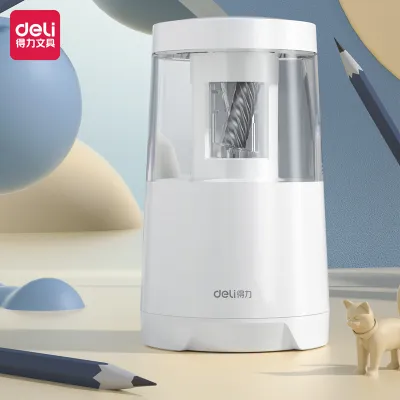
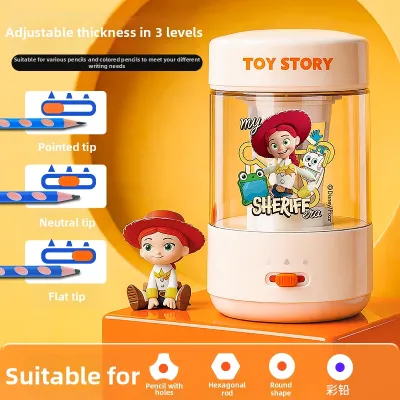
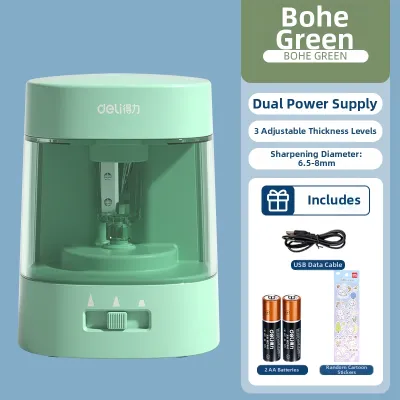
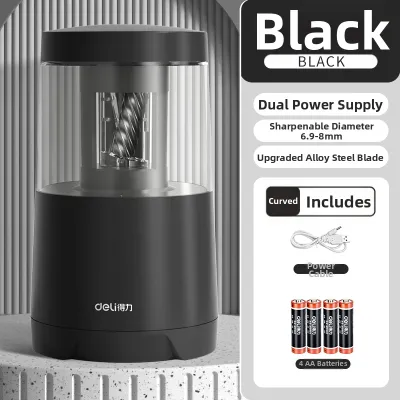
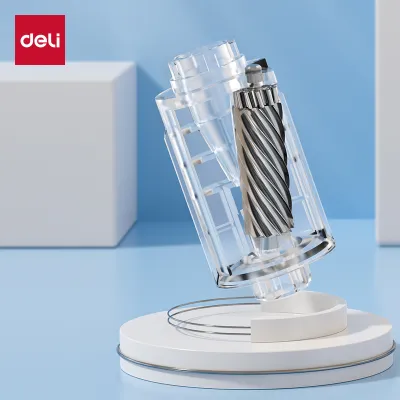
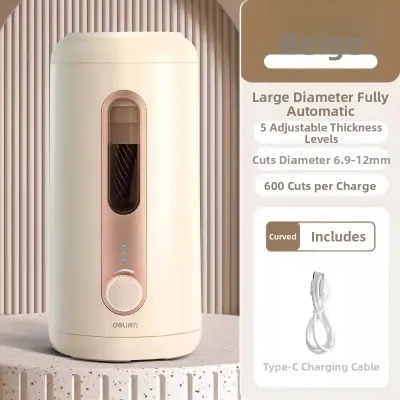
Prices are valid at publication and may change. Please refer to the product page for the latest price.
- Pencil Breaking Frequency: Does your child frequently break pencil tips, requiring multiple trips to the bin or constant twisting during a single study session?
- Frustration and Focus: Does the physical effort of manual sharpening cause your child to lose focus, or do they express frustration when a lead snaps immediately after sharpening?
- Time Allocation: Is your child spending a noticeable amount of time preparing their pencils rather than focusing on actual writing, drawing, or completing assignments?
If these friction points occur regularly, upgrading to an automatic device can help maintain their concentration and keep their study momentum flowing smoothly.
Observable Signs Your Child Needs an Upgrade
Parents can often identify when a manual sharpener is no longer sufficient by observing their child’s physical comfort and the condition of their stationery. Repetitive manual twisting can place unnecessary strain on developing hands, especially during heavy writing periods.

Physical fatigue is one of the most common signs that a manual tool is causing strain. Children may experience hand cramping, finger fatigue, or even small blisters from gripping and twisting small plastic handheld sharpeners. This discomfort can make them reluctant to complete writing tasks or practice their handwriting.
Another clear indicator is the quality of the sharpened pencil itself. Manual sharpening often applies uneven lateral pressure to the pencil core, resulting in off-center, jagged wood casings and fractured lead tips. These weakened tips tend to break the moment they touch the paper, creating a frustrating cycle of continuous sharpening.
Finally, the physical mess associated with manual sharpeners can disrupt a clean study environment. Handheld models typically have tiny shavings catchers that overflow quickly, leading to graphite dust and wood shavings scattered across the desk or floor. An automatic model with a larger, enclosed reservoir helps contain this debris and minimizes cleanup time.
Grade-Level Breakdown: Assessing Pencil Usage and Needs
A child’s stationery needs evolve significantly as they progress through school. The type of pencils they use, their writing volume, and their motor skill development all play a role in determining whether an automatic sharpener is appropriate for their specific grade level.
Lower Primary Grades
In the early years of primary school, children are developing their fine motor skills and learning proper pencil grip. During this stage, they frequently use thick, triangular, or jumbo learning pencils designed to assist small hands. Standard manual sharpeners rarely accommodate these larger diameters, making a multi-hole automatic sharpener highly beneficial.
Safety is the primary concern for this age group. Young children may lack the coordination to use manual blades safely without supervision, but they also need a tool that requires minimal physical force. An automatic sharpener with robust safety features allows them to prepare their tools independently and safely.
Middle Primary Grades
As students transition into the middle primary years, their writing volume increases substantially. They move away from jumbo pencils and begin using standard hexagonal 2B pencils for daily worksheets, spelling lists, and mathematics exercises. At this stage, speed and efficiency become much more important.
With more homework to complete, students need a consistently sharp point to keep their handwriting legible. An automatic sharpener provides a quick, uniform point in seconds, allowing them to maintain their focus on their schoolwork rather than struggling with a dull pencil.
Upper Primary and Secondary Grades
In the upper primary and secondary school years, the reliance on traditional wood-cased pencils begins to decline. Students increasingly transition to mechanical pencils, gel pens, ballpoint pens, or digital devices for their daily schoolwork and examinations.
While the overall need for a heavy-duty sharpener decreases during this phase, an automatic model remains useful if your child takes art classes, technical drawing modules, or enjoys sketching as a hobby. Otherwise, a standard manual sharpener may suffice for their occasional pencil-sharpening needs.
Classroom Rules and Home Environment Checks
Before purchasing an automatic pencil sharpener, it is essential to evaluate where the device will be used and whether it fits into that environment without causing disruptions.
If you are considering buying a portable model for your child’s school bag, check the school handbook or consult their form teacher first. Many classrooms have strict rules regarding noise levels, and the buzzing sound of an automatic motor can easily distract other students during quiet study times. Some schools may also prohibit battery-operated or plug-in devices in the classroom for safety and storage reasons.
For home use, assess the physical layout of your child’s study area. Ensure there is a stable, flat surface on the desk where the sharpener can sit securely without sliding or tipping over during operation. If you choose a corded model, verify that there is a safe, accessible power outlet nearby that does not require running cables across walkways.
Additionally, consider the noise level of the motor if your child shares a study room with siblings. A loud sharpener can be highly distracting during evening homework routines, so looking for models designed with quieter motors can help maintain a peaceful study environment.
Key Features to Verify If You Decide to Buy
If you decide that an automatic pencil sharpener is the right choice for your child, comparing specific product features will ensure you select a safe, durable, and compatible model. Look for these key specifications when browsing local stationery shops or online marketplaces.
- Pencil Diameter Compatibility: Verify the entry hole dimensions. If your child uses jumbo or triangular learning pencils, ensure the sharpener has an adjustable dial or multiple holes to accommodate diameters ranging from 8mm up to 12mm.
- Auto-Stop Mechanism: This feature is crucial for preventing pencil waste and protecting the motor. The sharpener should automatically stop spinning the moment the pencil reaches a perfect point, preventing the machine from eating up the entire pencil.
- Shavings Reservoir and Safety Switches: Choose a model with a transparent, high-capacity shavings reservoir so your child can easily see when it needs emptying. Most importantly, ensure the device has a built-in safety switch that instantly cuts power to the motor whenever the reservoir cover is removed, protecting young fingers from the internal helical blade.
By focusing on these practical features, you can find a reliable model, typically ranging from S$15 to S$35, that provides safe and efficient performance for your child’s daily study needs.
Frequently Asked Questions (FAQ)
Can automatic pencil sharpeners handle colored pencils?
Most standard automatic pencil sharpeners are designed primarily for graphite pencils, and using them for colored pencils requires caution. Colored pencils contain wax- or oil-based binders rather than pure graphite. The heat and friction generated during automatic sharpening can melt this wax, causing it to coat the internal helical blade and clog the mechanism over time.
To prevent damage, always check the manufacturer’s manual to confirm if the model is explicitly rated for colored pencils. If you do use it for colored pencils, you can help maintain the blade by occasionally sharpening a standard graphite pencil, which helps scrape away any accumulated wax buildup from the cutting edges.
Are battery-operated or plug-in models better for students?
The choice between battery-operated and plug-in models depends on where your child plans to use the device. Battery-operated models offer excellent portability and keep the study desk free of cluttered cords, making them easy to move around the home. However, they can lose motor torque as the batteries drain, resulting in slower sharpening and potential jams.
Plug-in models, which typically use a USB cable or a wall adapter, provide consistent power and stronger torque, making them ideal for heavy daily use at a dedicated home study desk. When choosing a battery-operated model, ensure the battery compartment has a secure, child-resistant lock, and always route power cords safely for plug-in models to prevent tripping hazards.
Community discussion
Share your experience or ask a question. Comments are reviewed before publication.