
Most children do not need super glue for standard school projects, especially during their primary school years. Strong cyanoacrylate adhesives are typically reserved for specific secondary school subjects like Design and Technology (D&T) or advanced structural modeling. Before adding any heavy-duty adhesive to your back-to-school shopping list, it is essential to verify the official school supply list, check classroom safety policies, and assess whether your child’s current grade level genuinely requires it.
While a specialized adhesive like 5800 super glue offers incredible bonding strength for specific materials, misapplying it can lead to ruined craft projects, bonded fingers, or classroom safety violations. Understanding the actual demands of your child’s curriculum will help you make a practical, safe, and cost-effective decision before the school term begins.
Checking School Policies and Safety Restrictions
Before purchasing any high-strength adhesive, your first step should always be to consult the official school supply list provided by the teachers. Many schools, particularly at the primary level, have strict guidelines regarding what materials students are allowed to bring into the classroom. Because of the rapid bonding time and chemical nature of cyanoacrylate glues, some schools explicitly ban them from general classrooms to prevent accidental injuries and property damage.
Products mentioned in this guide
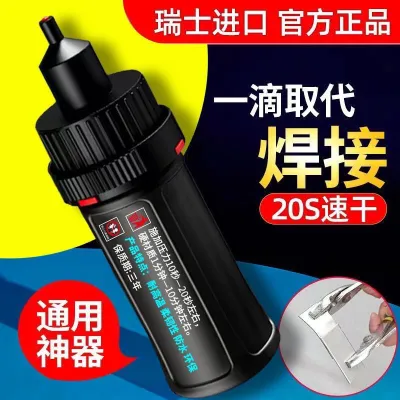
![[Source Factory] 5800 Universal Super Glue All-purpose Glue Electric Welding Glue Strong Contact Adhesive](https://img.lazcdn.com/g/p/03421351b30e274fb44cee9515553225.jpg_400x400q80.jpg_.webp)
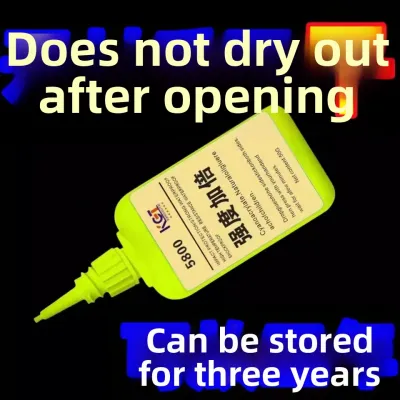
![[SG Ready Stock] 5800 Multi-Functional Electric Welding Glue - Strong Adhesion for Plastic Ceramic Wood and Metal](https://img.lazcdn.com/g/p/f79db55f14bb3ee6dad465c4c4e23ad9.jpg_webp_400x400q80.jpg_.webp)
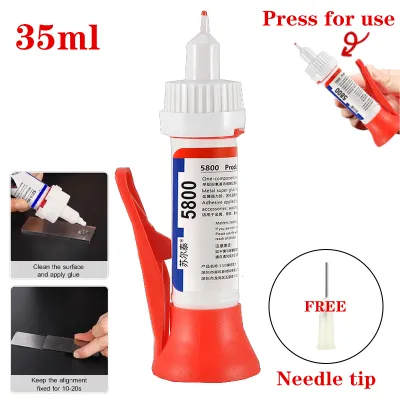
![[✅SG Ready Stock] 5800 Multi-Functional Electric Welding Glue - Strong Adhesion for Plastic Ceramic Wood and Metal](https://img.lazcdn.com/g/p/ddd14666fb0b68b306043042df339048.png_400x400q80.png_.webp)
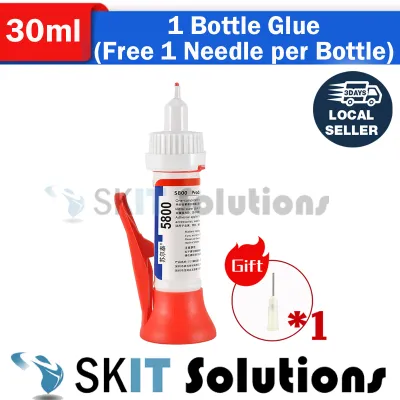
Prices are valid at publication and may change. Please refer to the product page for the latest price.
Classroom safety rules are designed to protect students from several immediate risks associated with strong adhesives. Cyanoacrylate glues release distinct fumes that require a well-ventilated space, which may not always be feasible in a crowded, air-conditioned classroom. Furthermore, the risk of skin bonding or accidental contact with eyes is a major concern for teachers managing large groups of active children. Standardizing on safer alternatives helps educators maintain a controlled and hazard-free learning environment.
If you notice a general requirement for “glue” or “adhesive” on a project brief, do not automatically assume that a heavy-duty option is necessary. It is highly recommended to consult the subject teacher or project coordinator first. In almost all elementary craft scenarios, teachers prefer students to use standard craft glue, glue sticks, or school-safe liquid adhesives. Clarifying this beforehand can save you from purchasing unnecessary supplies that might ultimately be confiscated or sent back home.
Grade-by-Grade Assessment: Who Actually Needs It?
Determining whether your child needs a high-strength adhesive depends heavily on their current educational stage and the complexity of the hands-on projects they are assigned.

Primary School and Early Grades
In primary school, the vast majority of art and craft projects involve lightweight, porous materials. Students typically work with drawing paper, construction paper, cardboard, felt, and thin craft foam. These materials do not require the intense chemical bonding of cyanoacrylate. Instead, they are easily and safely joined using standard polyvinyl acetate (PVA) school glue, washable glue sticks, or double-sided tape. These options allow for easy repositioning, which is crucial for young learners developing their spatial skills.
Introducing a fast-setting super glue at this stage presents significant practical challenges. Young children are still developing their fine motor control and hand-eye coordination. The near-instantaneous drying time of cyanoacrylate leaves zero margin for error; if a child places a paper cutout incorrectly, the project is often ruined. Moreover, the high likelihood of accidental skin contact makes these adhesives highly inappropriate for independent use by primary school students.
Middle and High School
As students transition into secondary school and high school, their academic projects become significantly more complex. In subjects like Design and Technology (D&T), physics, or robotics, students often move away from paper and cardboard to work with demanding materials. Projects may involve joining non-porous surfaces such as acrylic sheets, hard plastics, metals, balsa wood structural frames, or 3D-printed components. In these specific scenarios, a high-performance adhesive like 5800 super glue becomes a highly useful tool.
However, even if an advanced project requires a strong bonding agent, you should verify whether you actually need to purchase it yourself. Many secondary schools in Singapore fully equip their D&T workshops and science labs with the necessary adhesives, tools, and safety gear. Teachers often prefer to distribute and supervise the use of these materials within the workshop environment rather than having students carry tubes of super glue in their schoolbags. Always check if workshop fees or school material kits already cover these specialized supplies.
Understanding the 5800 Super Glue and Similar Options
If a teacher specifically requests a high-strength adhesive, or if your teenager requires one for an advanced home-based science project, you will need to evaluate the options carefully. The term “5800 super glue” often refers to specific industrial-grade or high-precision cyanoacrylate formulas designed for reliable bonding on challenging surfaces. When matching a product to a school list, verify the exact model number, brand, and material compatibility instructions on the packaging to ensure it fits the project’s requirements.
One of the most important decisions you will make is choosing between liquid and gel viscosities. Liquid super glue flows easily into tight joints and cracks, making it excellent for close-fitting parts, but it can run quickly and is highly prone to dripping onto fingers or desks. Gel formulas, on the other hand, are thicker and do not run. This makes gel much easier for students to control, especially when working on vertical surfaces or assembling multi-part models where precision is key.
Additionally, pay close attention to the packaging and applicator design. For school-aged users, look for bottles featuring child-resistant safety caps that prevent accidental opening in a backpack. Precision applicator nozzles or brush-on applicators are highly beneficial, as they allow the user to dispense micro-drops of glue exactly where needed, minimizing waste and reducing the risk of excess adhesive squeezing out onto the skin.
Safe Storage and Handling Protocols at Home
When high-strength adhesives are kept at home for older students to use on homework or model-building projects, establishing strict safety protocols is essential. Always store these products in a secure, elevated location that is completely out of reach of younger siblings and pets. Additionally, keep the container away from direct sunlight, moisture, and heat sources, as high temperatures can degrade the adhesive properties and cause the pressurized tube to leak.
Whenever your teenager is using a strong adhesive for a project, ensure they do so in a well-ventilated area. In Singapore’s humid climate, it can be tempting to work in a fully closed, air-conditioned room, but this traps chemical fumes. Instead, have them work near an open window with a standing fan turned on to maintain constant airflow. Working on a protected surface, such as an old silicone mat or a thick layer of newspaper, will also prevent permanent damage to study desks and dining tables.
Despite all precautions, accidental skin contact can still occur. It is vital to teach your child how to handle this situation calmly. Emphasize that they must never forcefully pull or peel bonded skin apart, as this can easily tear the epidermis. Instead, instruct them to soak the affected area in warm, soapy water and gently massage the skin back and forth to gradually break the bond. Keeping a small bottle of vegetable oil or mineral oil nearby can also help soften the adhesive for safe, pain-free removal.
Frequently Asked Questions (FAQ)
Can I use a hot glue gun instead of super glue for school projects?
Yes, a hot glue gun is often an excellent alternative for school projects, but it serves a slightly different purpose. Hot glue is highly effective for filling gaps and bonding porous or uneven materials like cardboard, wood, fabric, and thick plastics. However, hot glue guns carry a distinct risk of skin burns from the heated nozzle and molten glue, meaning younger students still require close adult supervision. Additionally, hot glue creates a bulky joint, so it is not suitable for precision models or tight-fitting joints where a thin, invisible bond is required.
What is the safest way to remove super glue from skin?
The safest way to remove super glue from the skin is to avoid any sudden, forceful pulling. Immediately soak the bonded area in warm, soapy water for a few minutes to soften the adhesive. Gently roll the skin surfaces against each other rather than pulling them apart. Applying a small amount of olive oil, baby oil, or soapy water while gently rubbing with a soft cloth will gradually dissolve the bond. If the glue is near the eyes, mouth, or if the skin becomes highly irritated or torn, stop home treatment immediately and seek professional medical assistance.
Community discussion
Share your experience or ask a question. Comments are reviewed before publication.