
Shortening a pair of pants does not always require a trip to a professional tailor or an investment in a heavy-duty sewing machine. If you are dealing with a sudden wardrobe emergency, working with lightweight fabrics, or experimenting with temporary styling, simple no-sew alternatives like a pants clip to shorten trousers or double-sided hemming tape can resolve the issue in minutes. However, these quick fixes are not universal solutions.
Choosing between a temporary clip, a semi-permanent adhesive, and a dedicated sewing machine depends on three main factors: the weight of the fabric, how frequently you need to perform alterations, and the level of durability you require. For lightweight, casual trousers worn occasionally, no-sew tools are highly effective. For heavy denim, structured workwear, or a wardrobe that undergoes frequent washing, a sewing machine remains the standard for creating a permanent, secure hem.
Assess Your Fabric and Pant Style
Before selecting an alteration method, inspect your garment’s physical construction. The fiber content, fabric weight, and drape dictate how a hem behaves under tension and movement. Always locate the care label inside your pants to identify the material composition and any specific care restrictions, such as heat sensitivity or dry-clean-only instructions.
Products mentioned in this guide
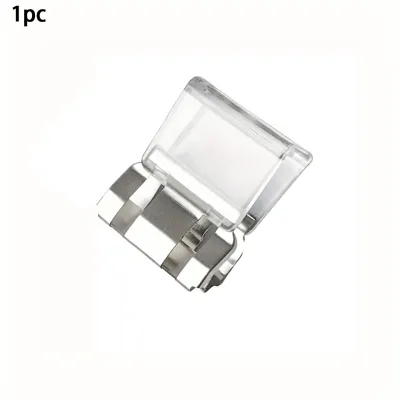
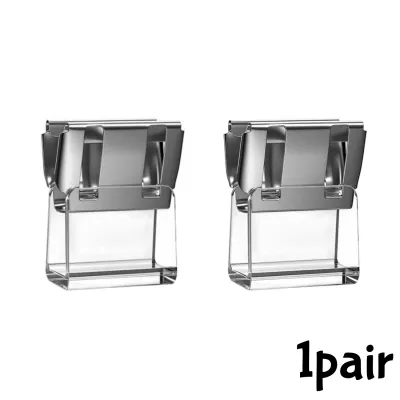
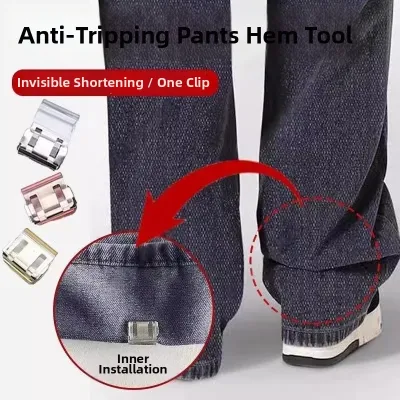
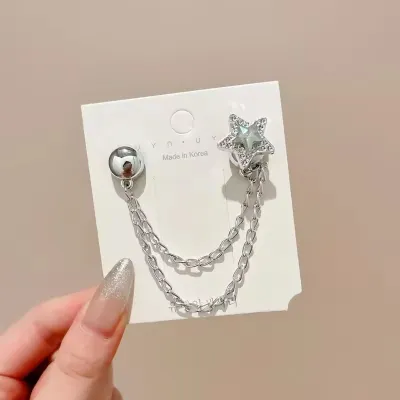
Prices are valid at publication and may change. Please refer to the product page for the latest price.
Lightweight and Casual Fabrics
Materials such as cotton, linen, silk, and thin synthetic blends respond exceptionally well to temporary or semi-permanent no-sew methods. Because these fabrics are lightweight, they exert minimal downward pull on a hem. A pants clip to shorten lightweight trousers can easily hold the folded fabric in place without dragging the hem down or creating an awkward, heavy ridge. Similarly, iron-on hemming tapes melt smoothly into thin fibers, creating a clean, flat bond that preserves the natural drape of casual summer trousers.
Heavyweight and Structured Fabrics
Heavy materials like denim, wool, corduroy, and thick canvas present a different set of challenges. These fabrics are stiff, thick, and heavy, meaning any folded hem carries significant physical weight. If you attempt to use a pants clip to shorten heavy denim, the sheer bulk of the folded material can cause the clip to slip off during walking. Iron-on adhesives also struggle with heavy fabrics; the thick fibers prevent the heat of an iron from distributing evenly, often resulting in a weak bond that pops open under the stress of movement. For these structured garments, a sewing machine is necessary to drive a strong thread through multiple layers of dense fabric.
Pant Silhouettes and Bulk
The cut and silhouette of your pants also influence which method will succeed. Straight-leg, wide-leg, and tapered cuts handle excess fabric differently when folded upward. A wide-leg pant has a wider circumference at the hem than higher up the leg, which can cause the fabric to bunch up when folded inside. This excess bulk makes it incredibly difficult for hemming clips to sit flat, often resulting in visible, lumpy protrusions along your ankle. Tapered pants present the opposite issue, where the folded hem is narrower than the leg portion it must wrap around, stretching the fabric and putting immense tension on any adhesive tape.
The Reality of Using a Pants Clip to Shorten Trousers and Hemming Tape
No-sew solutions offer convenience, but they come with distinct physical limitations that you must evaluate before wearing your altered pants out of the house. Understanding these trade-offs prevents embarrassing wardrobe malfunctions during active use.

Hemming Clips (Pants Clips)
Pants clips are small, reusable metal or plastic clamps designed to hold a folded hem in place instantly without any sewing or heat. The primary benefit of using a pants clip to shorten trousers is speed; you can adjust your hem height on the fly, making them ideal for switching between high heels and flat shoes. Because they require no adhesive or stitching, they leave no permanent residue and do not alter the fabric permanently.
However, clips are rarely completely invisible. Depending on the thickness of your trousers, the outline of the clip may show through the fabric, creating a small bump. They are also prone to shifting or slipping off entirely if you walk briskly, climb stairs, or sit down, as the fabric naturally rubs against your ankles and footwear. They are best reserved for temporary, low-movement situations or quick styling trials.
Hemming Tape (Iron-on Adhesive)
Iron-on hemming tape is a web of heat-activated adhesive that melts between two layers of fabric, fusing them together. This method creates an invisible hem from the outside, mimicking the clean look of a professional blind stitch. It is a semi-permanent option that can withstand several rounds of gentle washing, making it a favorite for office trousers and dress pants.
The downside to hemming tape is its vulnerability to heat, moisture, and friction. Over time, repeated washing cycles—especially in warm water—will degrade the adhesive, causing the hem to peel away. If you decide to remove the tape later to restore the original length, it can leave a sticky, unsightly residue that ruins the fabric.
Safety and Care Boundary: Always verify the heat tolerance of your pants on the care label before applying iron-on hemming tape. Delicate synthetic fibers like polyester, nylon, and acetate can melt or scorch instantly under the high temperatures required to activate the adhesive. If the care label advises against ironing or specifies a low-heat setting, avoid iron-on tape entirely to prevent irreversible fabric damage.
When Investing in a Beginner Sewing Machine Makes Sense
While clips and adhesives serve as excellent stopgap measures, they cannot match the structural integrity and professional finish of a stitched hem. Investing in a beginner-friendly sewing machine is a practical choice if your wardrobe needs regular maintenance or if you want your alterations to last for years.
The Frequency and Durability Threshold
If you find yourself shortening multiple pairs of pants every season, relying on temporary clips or reapplying peeling tape becomes a tedious chore. A sewing machine allows you to complete permanent alterations that easily survive the washing machine, tumble dryer, and daily wear. High-tension areas of your pants, such as the inseam and the back of the heel where the fabric rubs against your shoes, require the flexibility and strength of actual thread. Stitches flex with your body’s movements, whereas adhesives are rigid and prone to snapping under sudden tension.
Expanding Your DIY Capabilities
Owning a basic sewing machine also opens up opportunities to perform more advanced garment repairs and alterations. Beyond simple straight hems, you can learn to take in loose waistbands, repair torn seams, mend pockets, and taper wide pant legs. This self-sufficiency extends the lifespan of your wardrobe and reduces your reliance on external tailoring services, saving you money over the long term.
Selecting a Beginner-Friendly Machine
If you decide to purchase a machine, look for basic mechanical models rather than expensive, highly computerized options. A beginner machine only needs to offer a few essential functions: a reliable straight stitch for standard hems, a zigzag stitch for finishing raw fabric edges to prevent fraying, and a free arm design, which allows you to easily slide a narrow pant leg around the machine’s base. Always consult the manufacturer’s instruction manual to verify the machine’s fabric weight limits and recommended needle sizes. Thick fabrics like denim require heavy-duty needles (such as size 90/14 or 100/16) and a machine motor capable of piercing multiple dense layers without stalling.
Step-by-Step Decision Guide: Which Method Should You Choose?
To determine the best approach for your specific pair of pants, follow this conditional checklist based on your immediate timeline, fabric type, and long-term durability needs.
- Scenario 1: You need an immediate, temporary adjustment for an event today.
- Action: Use a pants clip to shorten your trousers. This allows you to quickly customize the length for specific shoes without making permanent changes to the garment.
- Scenario 2: You want a clean, invisible hem on lightweight, heat-safe dress pants.
- Action: Use iron-on hemming tape. Ensure you test a small, hidden area of the fabric first with your iron to confirm it can handle the adhesive's activation temperature without scorching.
- Scenario 3: You need to shorten heavy denim, work pants, or multiple everyday garments.
- Action: Use a sewing machine to create a permanent, durable lockstitch. This ensures the hem can withstand heavy friction and frequent washing cycles.
- Scenario 4: The pants are made of highly delicate, expensive, or dry-clean-only fabrics.
- Action: If you are dealing with delicate silks, fine wool suits, or complex structural pleats and feel unsure about DIY methods, consult a professional tailor. This is the safest way to preserve the garment's value and fit.
Frequently Asked Questions (FAQ)
Can hemming clips damage my pants?
While hemming clips are generally safe and non-destructive, they can leave temporary pressure marks or creases on soft, plush fabrics like velvet, corduroy, or heavy knits. If the clips have sharp metal teeth or strong spring tension, they can also snag delicate silk or satin threads. To prevent damage, always test the clip on an inconspicuous inside seam first, and avoid pulling or tugging on the pants while the clips are attached.
Does hemming tape survive the washing machine?
Many iron-on hemming tapes are formulated to be machine-washable, but their long-term survival depends heavily on your washing habits and the fabric type. Hot water cycles, heavy-duty agitation, and high-heat dryer settings will accelerate the breakdown of the adhesive bond. To maximize the lifespan of an adhesive hem, wash the altered pants in cold water on a gentle cycle, hang them to dry, and check the tape packaging for specific care instructions.
Is it more cost-effective to buy a basic sewing machine or use a local tailor?
Deciding between a sewing machine and a professional tailor depends on your alteration volume. In Singapore, local tailors in neighborhood hubs charge a modest per-item fee for basic hemming. If you only need to shorten one or two pairs of pants a year, using a professional tailor is highly cost-effective and guarantees a perfect finish. However, if you regularly buy pants that require shortening, or if you want to alter clothes for an entire household, the one-time cost of a basic, entry-level sewing machine will quickly pay for itself over time.
Community discussion
Share your experience or ask a question. Comments are reviewed before publication.