
Paper weight, measured in Grams per Square Meter (GSM), represents the density and mass of a single sheet of paper cut to a one-meter square. Choosing the right weight depends entirely on your writing instrument, printing equipment, and how you plan to use the paper. While lighter weights around 70 to 80 GSM work well for everyday office printing and quick notes, heavier weights of 100 to 120 GSM and beyond are better suited for double-sided writing, wet inks, and formal documents.
Decoding GSM: What Paper Weight Actually Measures
To make an informed purchase, it is essential to understand that GSM measures the weight of the paper stock rather than its physical thickness. A sheet of 80 GSM paper weighs exactly 80 grams per square meter. However, two different paper brands with the exact same GSM can feel entirely different in your hand due to how they are manufactured.
The physical feel, stiffness, and bulk of the paper are heavily influenced by processes like calendering and coating. Calendering compresses the paper fibers between heavy rollers to create a smoother, thinner sheet. Consequently, a highly calendered 90 GSM paper might actually feel thinner and more flexible than an uncalendered 80 GSM sheet, even though it is heavier and denser.
Products mentioned in this guide
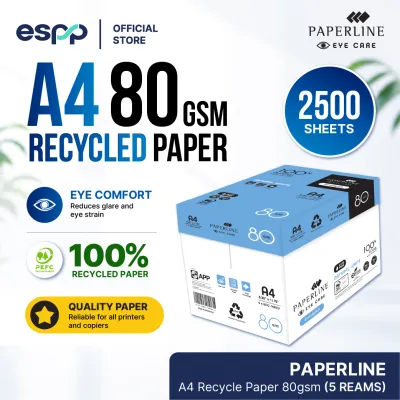
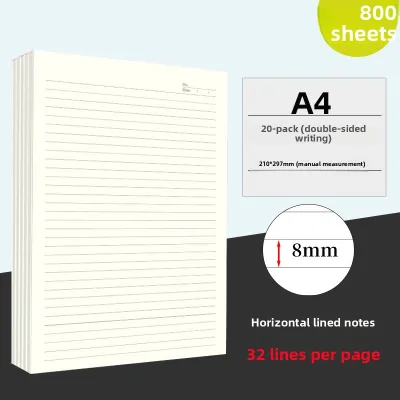
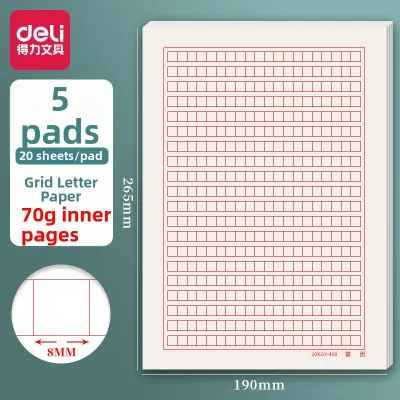
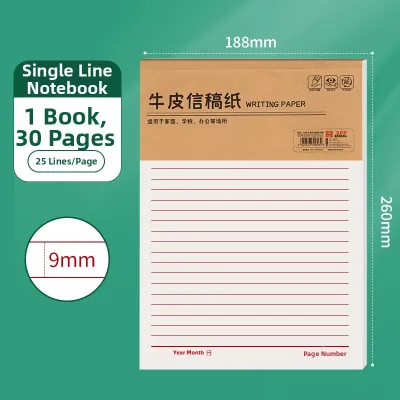
Prices are valid at publication and may change. Please refer to the product page for the latest price.
When selecting writing paper, you should look at both the GSM rating and any listed thickness or caliper metrics on the product packaging. If you require precise physical dimensions for binding or filing, checking these specifications ensures you do not end up with paper that is too bulky or too flimsy for your storage systems.
How Paper Weight Impacts Ink and Writeability
The weight of your writing paper directly influences how different inks behave when they hit the page. Heavier paper generally offers better resistance to ink show-through, also known as ghosting, where the writing on one side is visible on the reverse. However, GSM alone does not guarantee a bleed-free experience.

The paper’s surface treatment and sizing—the chemicals added during manufacturing to control water absorption—play an equally critical role in preventing ink from feathering or bleeding through to the next page. A well-sized 80 GSM paper can sometimes handle fountain pen ink better than a poorly treated 100 GSM sheet. When evaluating paper, look for terms like “surface sized” or “hard sized” if you plan to use wet inks.
Heavier writing paper, typically ranging from 100 GSM to 120 GSM, provides a firm, substantial surface that resists the pressure of sharp pen tips. This makes it the preferred choice for double-sided journaling, sketching, and formal correspondence where a premium feel is desired. The added density prevents the paper from buckling under heavy ink flow.
Conversely, lighter paper, such as 70 GSM or 75 GSM, offers greater flexibility and a lighter physical footprint. This makes it highly efficient for high-volume, single-sided printing, quick drafting, and temporary notes. It folds easily and takes up less physical space in binders, making it a practical choice for daily administrative tasks.
Matching Paper Weight to Your Writing and Printing Needs
Selecting the ideal paper weight requires balancing your writing tools with your daily tasks. Different activities demand specific paper characteristics to perform reliably.
- Everyday Drafting and Copying (70 GSM – 80 GSM): This is the standard weight for office copy machines and daily scratchpads. It is highly compatible with standard ballpoint pens and dry gel inks, making it cost-effective for high-volume printing and quick brainstorming sessions.
- Standard Writing and Notebooks (80 GSM – 90 GSM): A versatile mid-weight range that offers a great balance for general note-taking, schoolwork, and bullet journaling. It handles most gel pens, rollerballs, and fine-tip markers with minimal ghosting.
- Premium Journaling and Correspondence (100 GSM – 120 GSM): Ideal for formal letters, resumes, and heavy journaling. This weight provides a luxurious tactile experience and easily accommodates broader pen tips, fountain pens, and light artistic media without warping.
- Artistic Media and Heavy Markers (120 GSM+): Best for brush pens, heavy markers, and light watercolor washes. This thick paper behaves more like cardstock, ensuring that heavy saturation does not compromise the structural integrity of the sheet.
When choosing notebooks or loose-leaf paper, consider the total physical weight and bulk of the product. If you commute daily or travel frequently, a 120 GSM notebook will be significantly heavier and thicker than an 80 GSM alternative with the same page count. This added bulk can impact your carrying capacity and storage space.
Before purchasing writing paper in bulk, it is wise to test a single sheet or a small pack with your favorite pens. Personal preferences for paper “tooth”—the slight texture or friction felt when writing—and smoothness vary widely. A quick trial allows you to observe drying speed, feathering, and erasability firsthand before committing to a larger purchase.
Checking Printer and Equipment Compatibility
Before loading heavy writing paper into your home or office printer, you must verify its mechanical compatibility. Standard office printers are designed to handle a specific range of paper weights, and exceeding these limits can lead to frequent paper jams, misfeeds, and roller damage.
Always consult your printer’s user manual or the manufacturer’s online specifications to find the maximum supported GSM. While most standard printers easily handle up to 90 GSM through the main paper tray, heavier sheets often require alternative handling.
If you are printing on paper that is 100 GSM or heavier, you may need to adjust your printer settings. Many devices feature a dedicated “thick paper,” “heavyweight,” or “cardstock” mode that slows down the feed rate and adjusts the fuser temperature to ensure the toner adheres properly. Utilizing the manual feed tray or straight-through paper path can also prevent the paper from bending too sharply around internal rollers.
Additionally, consider your binding methods if you plan to compile your printed pages. Physical binding systems, such as spiral, comb, or thermal binding, have strict thickness and sheet capacity limits. A binder that comfortably holds 100 sheets of 80 GSM paper will struggle to accommodate the same number of 120 GSM sheets, requiring you to adjust your document planning accordingly.
Frequently Asked Questions (FAQ)
Is higher GSM always better for writing?
No, higher GSM is not universally superior for all writing tasks. While heavier paper reduces ink show-through and feels more premium, it also adds unnecessary bulk, stiffness, and cost in S$ to your stationery budget. For everyday writing with standard ballpoint pens, a lighter 80 GSM paper is often more practical and comfortable. Other quality factors, such as surface smoothness, brightness, and chemical sizing, play a much larger role in the overall writing experience than weight alone.
Can I use standard copy paper for fountain pens?
Standard copy paper is generally not recommended for fountain pens. Because copy paper is designed for dry toner or rapid-drying inkjet inks, it often lacks the surface sizing required to control wet fountain pen inks. This typically results in severe feathering, where the ink spreads along the paper fibers, and significant bleed-through, regardless of the paper’s GSM. For the best results, look for paper specifically labeled as fountain pen friendly and conduct a small test with your specific ink and nib size.

Community discussion
Share your experience or ask a question. Comments are reviewed before publication.