
Selecting the right cute stickers for the back-to-school season is more than just a fun shopping activity; it is a practical way to help students transition smoothly into a new academic year. The ideal stickers do not just look appealing—they must also align with a student’s developmental stage, organizational needs, and daily school environment. While younger children thrive on tactile, high-contrast designs that offer immediate encouragement, older students require sophisticated, functional options that aid in complex note-taking and subtle self-expression.
Finding the perfect balance between aesthetic charm and daily utility involves understanding how sticker usage evolves across different age groups. From decorating pencil cases to color-coding exam prep planners, stickers serve as versatile tools for personalization and productivity. By focusing on material quality, adhesive suitability, and age-appropriate designs, parents and students can curate a stationery collection that is both delightful and highly functional.
Understanding Sticker Preferences by Grade Level
The way students interact with stickers changes dramatically as they progress through the school system. For primary school children, stickers are highly interactive, tactile objects. Younger learners often view them as tangible rewards, symbols of achievement, or playthings to be shared and traded with classmates. In these early grades, stickers help build social connections and foster a sense of community in the classroom, making bold, easily recognizable characters and bright colors highly popular.
Products mentioned in this guide
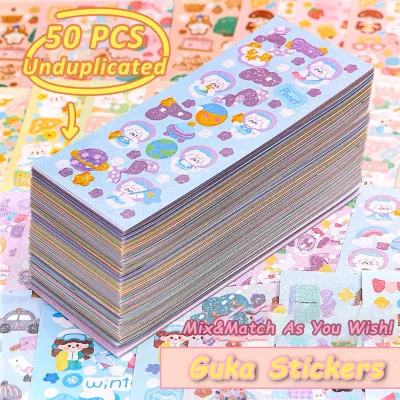
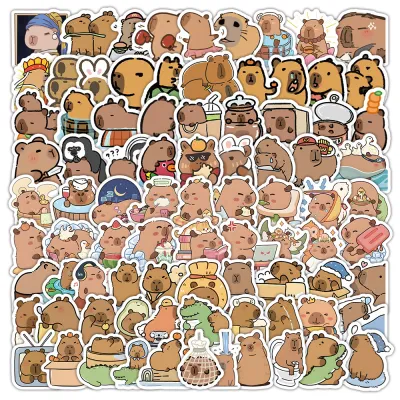
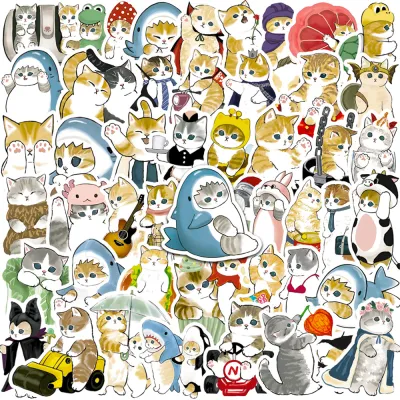
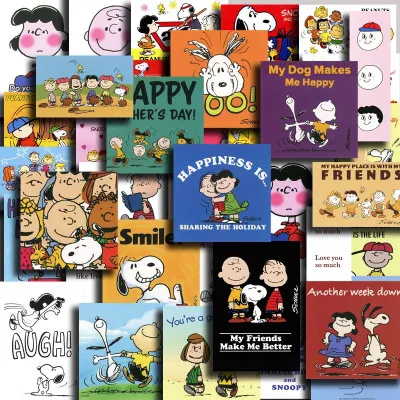
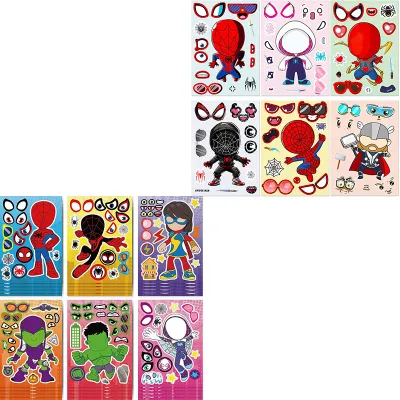
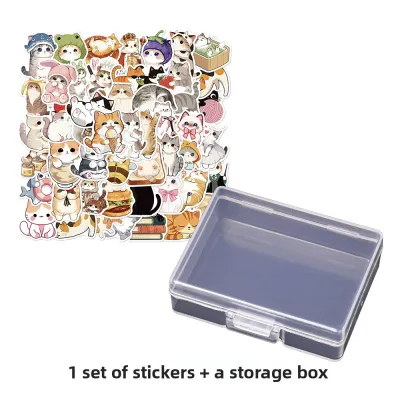
![[SG Instock] Kids Cute Cartoon Tattoo Sticker Set Mermaid Princess Unicorn Animal Goodie Bag Gift](https://img.lazcdn.com/g/p/9076fc0c5c8d737031d8fe3e91a64638.jpg_400x400q80.jpg_.webp)
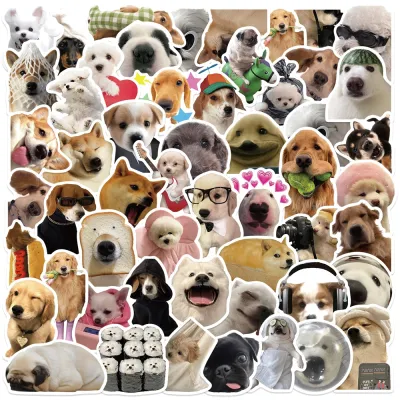
Prices are valid at publication and may change. Please refer to the product page for the latest price.
As students transition into secondary school, their relationship with stationery becomes more personal and reflective of their developing identity. Rather than trading stickers, older students use them to curate a specific personal aesthetic across their belongings, such as laptops, water bottles, and study planners. The social context shifts from collective sharing to individual expression, where the choice of sticker design signals personal interests, hobbies, or artistic tastes to their peers.
Furthermore, the visual complexity of preferred designs undergoes a significant shift. Primary school students are drawn to simple, high-contrast illustrations with clear outlines and cheerful expressions. Secondary school students, however, generally prefer subtle, minimalist, or vintage aesthetics. They appreciate intricate line art, muted pastel color palettes, and abstract patterns that complement their academic work rather than distracting from it.
Functionality also becomes a priority for older students. While a primary student might place a sticker randomly on a notebook cover, a secondary student is more likely to integrate stickers into their active study habits. They use them to highlight key dates, categorize subjects, or structure bullet journals, requiring designs that are not only visually pleasing but also highly practical for daily organization.
Essential Selection Criteria for School Stickers
Before purchasing any stickers for the school term, it is essential to evaluate their technical specifications to ensure they are fit for purpose. The first and most critical factor is the adhesive type. Removable adhesives are ideal for items that may need to be returned or resold, such as school-issued textbooks or rented tablets. These low-tack adhesives allow students to personalize their materials temporarily and peel the stickers away cleanly at the end of the year without leaving a sticky residue or tearing the paper.

For durable items that undergo heavy daily use, such as water bottles, lunchboxes, and plastic file folders, permanent or high-tack adhesives are necessary. These stickers are typically made of vinyl or polyethylene terephthalate (PET) and are designed to withstand frequent handling, friction inside school bags, and exposure to moisture. In warm, humid climates, standard paper stickers with weak adhesives can quickly peel at the corners or slide off, making durable vinyl a much more reliable choice for everyday items.
Physical dimensions and formats must also be matched to the intended school supplies. Large, oversized stickers are excellent for laptop lids or notebook covers but are impractical for standard planner grids or narrow margins. For academic planners and study notes, look for sheet-format stickers containing small, compact designs that fit neatly within five-millimeter grid lines or standard ruled margins without obscuring important written information.
Paper compatibility and surface finish play a major role in how stickers perform in a classroom setting. Glossy, laminated finishes look vibrant and offer excellent water resistance, but they repel water-based inks, making it impossible to write on them with standard gel pens or ballpoints. If a student needs to write dates, subject names, or reminders on their stickers, matte paper or washi-style stickers are far superior, as their porous surfaces absorb ink quickly and prevent smudging.
Finally, safety and age appropriateness should guide every purchase, particularly for younger primary school students. Parents should check product packaging for non-toxic adhesive certifications and age recommendations. Ensure that stickers intended for early primary learners do not feature small, easily detachable parts or strong chemical odors, which can indicate the use of low-quality solvents in the manufacturing process.
Recommended Cute Sticker Styles for Primary School Students
For primary school students, the best cute stickers are those that spark joy, encourage positive behavior, and are easy to handle. Bright, high-contrast character designs featuring friendly animals, smiling food items, and simple cartoon figures are highly recommended. These cheerful visuals are instantly engaging for early learners, helping to create a warm and welcoming association with their schoolwork and homework folders.
Puffy, dimensional, or chunky sticker formats are particularly beneficial for younger children. These stickers feature a raised, cushioned texture that makes them incredibly easy for small, developing hands to grasp, peel, and apply independently. This tactile feedback not only makes the decorating process more enjoyable but also helps primary schoolers practice and refine their fine motor skills without the frustration of tearing thin paper backings.
Motivational and reward-themed stickers are excellent tools for parents and teachers looking to support a child’s academic journey. Sheets featuring gold stars, thumbs-up graphics, and encouraging phrases like “Great Effort!” or “Super Reader!” can be used to celebrate completed homework, tidy bedrooms, or daily reading milestones. Placing these stickers on a visible reward chart provides a clear, visual representation of progress that boosts a young student’s confidence.
To ensure these stickers survive the energetic daily life of a primary school student, look for options with a light laminate coating. Primary school bags are often packed tightly with heavy pencil cases, lunchboxes, and water bottles, creating constant friction. Laminated paper stickers offer a practical middle ground, providing enough durability to resist minor scuffs and spills while remaining affordable enough for frequent use and sharing.
Recommended Cute Sticker Styles for Secondary School Students
Secondary school students require a completely different approach to sticker selection, focusing on sophisticated designs that integrate seamlessly into their busy academic routines. Minimalist, pastel, and vintage-inspired aesthetics are highly popular among older students. Soft color schemes, delicate botanical illustrations, and retro line drawings allow teenagers to personalize their study spaces and stationery in a mature, cohesive manner.
Transparent and washi-style stickers are exceptionally well-suited for secondary school planners and bullet journals. Washi paper stickers are semi-translucent, allowing the underlying grid lines or text of a notebook to show through slightly. This thin profile means they do not add unnecessary bulk to a planner, preventing the pages from becoming uneven or difficult to write on as the school year progresses.
Writable matte surfaces are a must-have feature for secondary school stationery. These stickers are designed to accept ink from standard gel pens, fine liners, and ballpoints without smearing. Students can use them to create custom headers, highlight key vocabulary words, or label specific sections of their study guides, making the stickers an active part of their active recall and revision strategies.
Functional sticker categories are incredibly useful for managing the increased academic workload of secondary school. Look for sticker sheets that include functional elements such as index tabs, date flags, checklist boxes, and subject labels. These designs help students structure their weekly schedules, track assignment deadlines, and organize their lecture notes by subject, turning a standard notebook into a highly efficient, personalized productivity tool.
How to Verify Sticker Quality Before Purchasing
With a vast array of stationery options available on online marketplaces and in physical stores, verifying product quality before making a purchase is essential to avoid disappointment. When shopping online, product renders can often make stickers appear larger, brighter, or thicker than they are in reality. To counter this, always cross-reference the seller’s promotional descriptions with user-uploaded photos in the review section to assess the actual print resolution, color accuracy, and sheet size.
Checking the material specifications in the product listing is another crucial step. Ensure the description explicitly states whether the stickers are made of paper, vinyl, or PET, as this dictates their durability and water resistance. If you are purchasing stickers for a water bottle or lunchbox, look for terms like “waterproof vinyl” or “dishwasher-safe,” and avoid standard paper stickers, which will quickly disintegrate and leave a messy residue when washed.
It is also wise to review seller ratings and customer feedback specifically regarding adhesive quality. Look for reviews that mention whether the stickers adhere well to different surfaces or if they tend to curl at the edges shortly after application. A reputable seller with consistently positive feedback on adhesive performance is much more likely to deliver a product that lasts throughout the school term.
If you are purchasing a large pack of stickers for the first time, consider performing a simple home test before applying them to valuable school items. Apply a single sticker to a scrap piece of paper or an old plastic folder to observe how well it sticks, whether the ink from your favorite pen bleeds through the material, and how cleanly it can be removed. This quick check ensures your new stationery will perform perfectly when applied to your actual school supplies.
Frequently Asked Questions (FAQ)
Are puffy stickers suitable for writing inside school planners?
Puffy stickers are generally not suitable for use inside school planners or active notebooks. Their raised, cushioned profile creates uneven bumps throughout the book, which can make writing on subsequent pages highly difficult and uncomfortable. Additionally, the textured plastic surface of puffy stickers does not absorb ink, causing standard pens to smudge instantly. For planners, flat matte paper or thin washi-style stickers are much better alternatives, as they lay completely flat and allow for smooth, smudge-free writing.
How can I safely remove sticker residue from textbook covers?
To safely remove sticker residue from plastic-laminated textbook covers, start by applying a very small amount of mild dish soap or cooking oil to a soft, damp cloth. Gently rub the sticky area in a circular motion until the residue begins to lift, then wipe the cover clean with a dry cloth. Avoid using harsh chemical solvents, alcohol, or abrasive scrubbing pads, as these can strip away the cover’s protective laminate or dissolve the printed design underneath. If the textbook cover is made of uncoated paper or the material is unknown, stop immediately and consult the school or publisher to prevent permanent damage.
Community discussion
Share your experience or ask a question. Comments are reviewed before publication.