
Preparing a child for the upcoming school year involves managing a mountain of textbooks, exercise books, writing instruments, and personal gear. In the busy environment of a primary school, items frequently go missing, get swapped, or end up in the lost-and-found bin. A customised sticker serves as a simple yet highly effective tool to ensure your child’s belongings always find their way back home. By tailoring these labels to your child’s specific grade level, you can streamline their daily organization and foster a sense of personal responsibility.
As children progress from the early years of Primary 1 through to the independent stages of Primary 6, their organizational needs shift. Younger students require highly visual, durable labels to prevent loss in the classroom and canteen, while older students benefit from structured, color-coded systems to manage multiple subjects and files. Selecting the right combination of materials, sizes, and designs ensures that every item on the back-to-school supply list is properly marked. This guide breaks down the essential customised sticker strategies for every primary school grade, helping you make practical, long-lasting choices for the school year ahead.
Core Selection Criteria for School Customised Stickers
Before ordering a batch of customised stickers, it is essential to understand that not all labels are created equal. School supplies undergo significant wear and tear, meaning a standard paper sticker will rarely survive past the first few weeks of the term. Parents must evaluate three primary factors: material durability, physical dimensions, and adhesive properties to ensure the labels remain intact and legible throughout the academic year.
Products mentioned in this guide
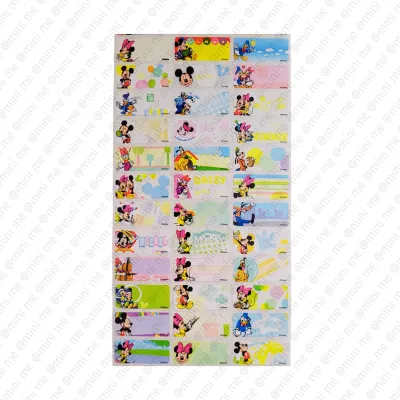
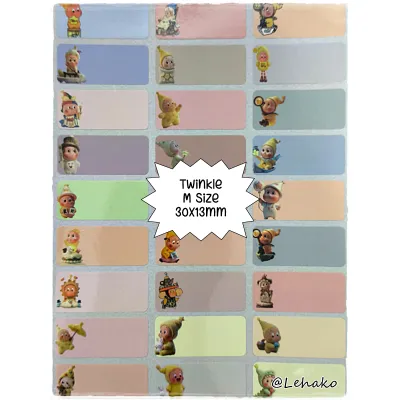
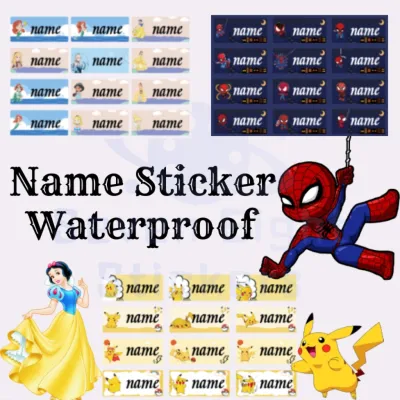
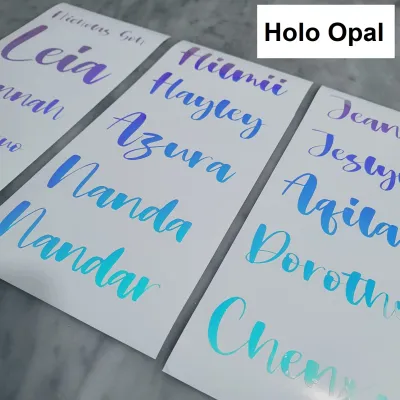
Prices are valid at publication and may change. Please refer to the product page for the latest price.
Material durability is the first line of defense against daily classroom friction and moisture. Items like water bottles, lunchboxes, and snack containers require waterproof vinyl stickers that can withstand daily washing, soapy water, and condensation without peeling or fading. For textbooks and exercise books that are constantly slid in and out of heavy school bags, tear-resistant synthetic materials or laminated finishes are highly recommended to prevent the edges from fraying.
Matching the sticker dimensions and shapes to the target items is equally critical for a neat and functional application. A single sheet of uniform stickers will not fit all school supplies. Small, narrow pen-loop or pencil-wrap labels are necessary for thin items like color pencils, rulers, and pens, where a standard rectangular label would overlap and peel off. Conversely, larger rectangular or square labels are ideal for textbook covers, plastic folders, and lunchboxes, providing enough surface area to display the child’s name and class clearly.
Finally, selecting the correct adhesive type prevents damage to both personal and school-owned property. Permanent adhesives are excellent for personal items that your child will keep indefinitely, such as pencil cases, calculators, and water bottles, as they form a strong bond that resists peeling. However, for shared school resources, library books, or rented tablets, removable or low-tack adhesives are necessary. These temporary options allow you to label the item securely for the year and clean it off completely before returning it, without leaving sticky residue or tearing the underlying surface.
Lower Primary (Primary 1 to 3): Essential Labels for Loss Prevention
The transition into lower primary is a major milestone, and for many young children, it is their first experience managing a large volume of personal belongings independently. During Primary 1 to Primary 3, the primary goal of using a customised sticker is loss prevention. Children at this stage are still developing their organizational habits, making highly visible, easily identifiable labels an absolute necessity for every item they carry.

For these younger students, large-format name labels with high-contrast text and distinct visual icons are highly recommended. Since some children in early primary may still be learning to read their names quickly, adding a unique, recognizable icon—such as a favorite animal, shape, or color—helps them identify their own water bottles, pencil cases, and food containers at a glance. These large labels should be placed prominently on high-loss items, including school bags, wallets, and even the tags of outerwear or rain gear, ensuring teachers and classmates can easily identify the owner.
In the busy school canteen, water bottles and lunchboxes are frequently misplaced or mixed up during recess. Applying a waterproof customised sticker to these items is crucial. Ensure the label is placed on a flat, smooth surface of the bottle rather than a textured grip, as this maximizes the adhesive contact area. For lunchboxes, placing the label on both the lid and the base prevents the two parts from being mismatched when children eat in groups.
Textbooks and exercise books in lower primary undergo constant handling, making them highly susceptible to damage. Applying durable, scratch-resistant customised stickers to the front covers of these books ensures that names and class details remain legible despite daily friction. Opting for labels with a protective matte or glossy laminate layer prevents the printed ink from smudging when handled by damp hands after recess or art class.
Beyond standard identification, lower primary is an ideal time to incorporate customised reward stickers into the home routine. Parents can use personalized motivational stickers to encourage positive habits, such as packing the school bag the night before, completing homework independently, or keeping the study desk tidy. These stickers can be customized with encouraging phrases or the child’s name, serving as a fun, visual tracking system for reading milestones and daily chores that reinforces their transition into structured school life.
Upper Primary (Primary 4 to 6): Subject Labels and Organization
As students enter upper primary, the academic workload increases, bringing a wider variety of subjects, specialized textbooks, and supplementary worksheets. In Primary 4 to Primary 6, the focus of using a customised sticker shifts from basic loss prevention to advanced organization and time management. Students must manage multiple folders, ring binders, and notebooks, making structured labeling systems essential for keeping track of their daily schedule.
Introducing color-coded or text-based subject labels is an excellent way to help upper primary students organize their academic materials. By assigning a specific color or clear text label to each subject—such as green for Science, blue for Mathematics, and red for English—students can quickly identify the correct notebook or folder from their school bag or locker. This visual categorization reduces the time spent searching for materials during lesson transitions and helps prevent the accidental omission of homework files.
Upper primary students also begin using specialized equipment such as scientific calculators, geometry sets, and advanced art supplies. These items are highly valued and easily misplaced during practical lessons. Using small, durable customised stickers on each individual component of a geometry set—such as the compass, protractor, and ruler—ensures that borrowed items are returned to the correct owner. For electronic devices like calculators, placing a label inside the slide-on cover as well as on the back of the device itself provides double protection against accidental swaps.
Space becomes a premium on upper primary supplies, where students use thicker reference books, dictionaries, and multi-subject dividers. For these items, small, discreet labels or side-index tabs are far more practical than large, decorative stickers. Applying narrow, text-only labels along the spines of textbooks or the edges of plastic files allows students to identify their resources when stacked vertically on shelves or packed tightly inside their bags, maximizing space while maintaining order.
As children mature, their aesthetic preferences naturally evolve, and they often outgrow the bright colors and cartoon icons of their early school years. Transitioning to minimalist, text-focused, or elegant typographic designs for their customised stickers aligns better with their growing maturity. Simple black-and-white or single-color labels with clean fonts provide a professional look that keeps their school supplies organized without unnecessary visual clutter, helping them feel confident and focused in the classroom.
Material and Safety Checks Before Purchasing
While design and organization are important, safety and material quality must remain top priorities when selecting customised stickers for children. Because school supplies are handled daily for hours at a time, parents should perform a few essential checks before finalizing their purchase to ensure the products are safe, durable, and compliant with school standards.
First, always review the product descriptions and packaging for non-toxic, child-safe material indicators. Look for specifications confirming that the stickers are free from harmful chemicals, heavy metals, or phthalates, particularly for labels applied to items that come into contact with food or drink, such as lunchboxes, snack containers, and water bottle mouthpieces. Choosing water-based inks and acid-free adhesives further minimizes the risk of skin irritation during handling.
Second, verify the physical design of the stickers, ensuring that the edges and backing materials are smooth and user-friendly. Low-quality stickers can sometimes have sharp, stiff plastic edges that may cause minor scratches or discomfort when applied to items held tightly, like pens or rulers. Opt for high-quality, flexible vinyl or soft synthetic papers that conform smoothly to curved surfaces, ensuring there are no lifting corners that could catch on skin or clothing.
Finally, carefully review the adhesive specifications to protect school property and personal equipment. Many schools issue rented tablets, library books, or shared music instruments that must be returned in pristine condition at the end of the year. Ensure the stickers chosen for these items are explicitly labeled as removable or low-tack, meaning they can be peeled away cleanly without tearing paper fibers, stripping paint, or leaving behind a stubborn, sticky residue that requires harsh chemical solvents to remove.
Application and Maintenance Tips for Long-Lasting Labels
Even the highest-quality customised sticker will fail to perform if it is not applied correctly. To maximize the lifespan of your child’s school labels and prevent them from peeling prematurely, parents and students should follow a few simple, practical steps during the application process.
Before applying any sticker, ensure the target surface is thoroughly cleaned, completely dry, and free of any oils, dust, or fingerprints. Wipe the surface down with a clean, dry cloth, or use a mild soap-and-water solution for plastic and metal items, allowing them to dry fully before proceeding. Any microscopic layer of dust or oil from hands can severely compromise the adhesive bond, leading to lifting edges within a few days.
When placing the sticker, apply firm, even pressure across the entire surface, starting from the center and working your way outward to the edges. This technique helps push out any trapped air bubbles that could weaken the bond over time. Pay special attention to the corners and edges, pressing them down firmly for several seconds, as these are the areas most vulnerable to catching on school bags or clothing.
Finally, monitor high-friction items regularly and plan for periodic maintenance. Items like water bottles, pencil cases, and frequently used notebooks experience constant rubbing, which can eventually degrade even the toughest laminate. If a sticker begins to lift or show signs of wear, consider applying a clear, protective adhesive overlay over the label to seal it, or replace it promptly to maintain clear identification and keep your child’s gear looking neat and organized.
Frequently Asked Questions (FAQ)
Can I use the same name stickers for both stationery and clothing?
Standard vinyl or paper customised stickers are designed specifically for hard, non-porous surfaces like plastic, metal, and paper, and they will not adhere reliably to fabrics. Clothing requires specialized iron-on, sew-in, or fabric-specific labels that can withstand the heat, moisture, and mechanical agitation of washing machines and tumble dryers. Standard stickers applied to fabric will quickly peel off, lose their adhesive, or disintegrate during a wash cycle, while fabric labels are engineered to stretch and flex with the garment’s fibers without detaching.
How do I remove customised stickers from school textbooks without tearing the pages?
To remove a customised sticker from a paper textbook cover or page without causing damage, start by gently lifting one corner of the sticker using a fingernail or a flat plastic tool. Peel the sticker back slowly and at a very sharp angle, keeping it as close to the surface of the book as possible rather than pulling straight upward. If you feel significant resistance or notice the paper fibers beginning to tear, stop immediately; for fragile or school-owned books, consult the school’s guidelines or use a tiny amount of a specialized, surface-safe adhesive remover applied carefully with a cotton swab to dissolve the bond before continuing.
Community discussion
Share your experience or ask a question. Comments are reviewed before publication.