
Finding the perfect customised notebook in Singapore requires balancing two distinct priorities: the tactile quality of the paper and the depth of personalisation available. Whether you are sourcing bespoke corporate gifts for an upcoming regional conference or designing a single, highly personalised journal for daily planning, the right choice depends on your specific writing tools and order volume. Because different suppliers cater to vastly different needs, understanding how to evaluate paper specifications and customisation limits is key to getting a product that looks professional and performs beautifully.
By focusing on observable paper characteristics and matching your design requirements to the right class of supplier, you can avoid common pitfalls like ink bleed-through, fragile bindings, or unexpected setup fees. This guide provides a practical framework to help you evaluate paper quality, compare customisation options, and choose the ideal notebook partner in Singapore.
Quick Answer: Matching Brands to Your Customisation and Paper Needs
Selecting the right notebook supplier depends entirely on your target volume, budget, and how you intend to use the pages. There is no single best brand for every scenario, but you can quickly narrow down your options using this conditional framework:
Products mentioned in this guide
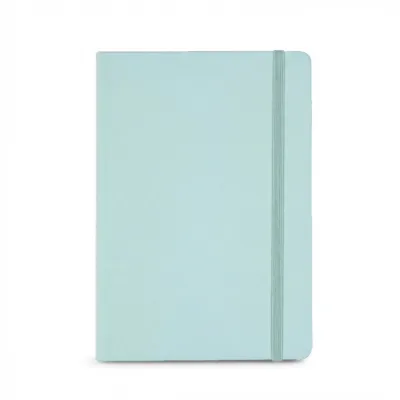
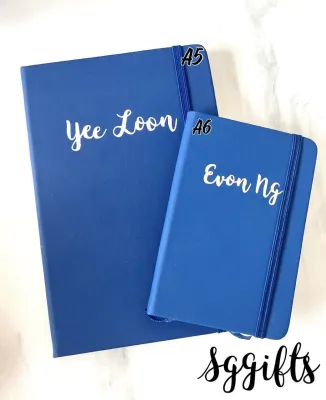
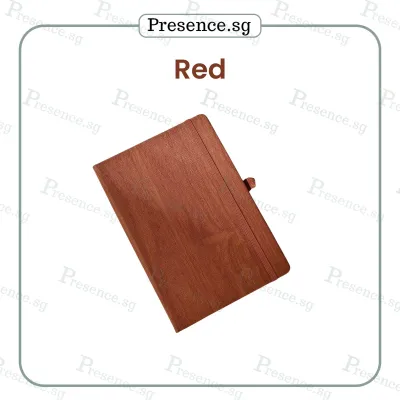
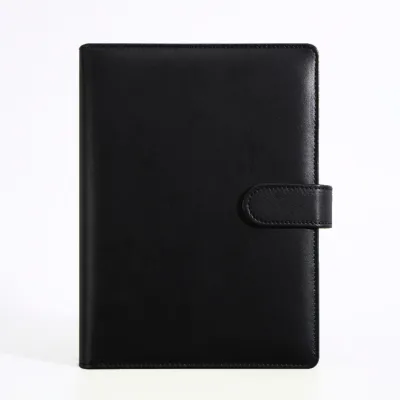
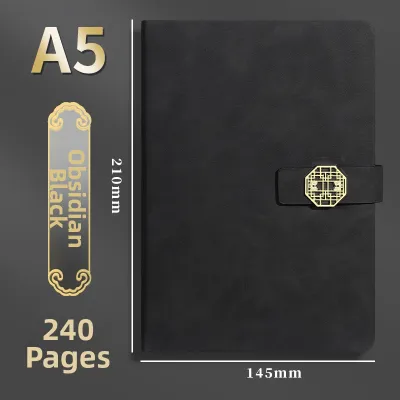
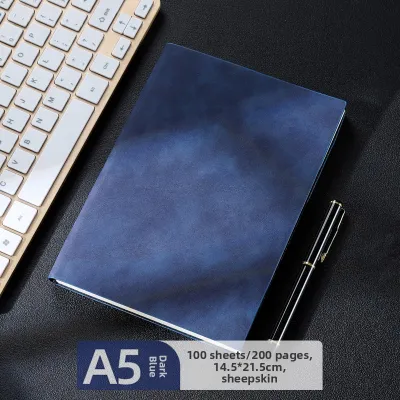
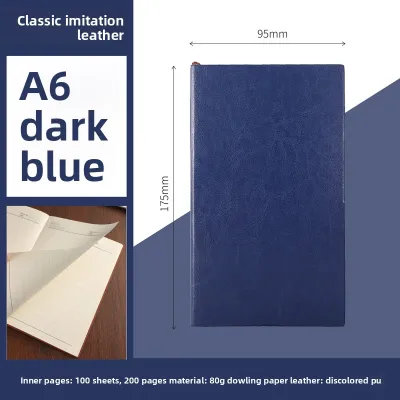
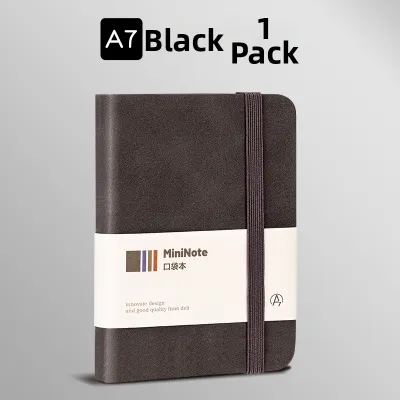
Prices are valid at publication and may change. Please refer to the product page for the latest price.
- Choose a premium stationery brand if your priority is fountain-pen-friendly paper, high GSM options, and low minimum order quantities (MOQ) for subtle personalisation. These brands typically offer elegant cover debossing or name monogramming on pre-made, high-quality journals.
- Choose a corporate gifting supplier if your priority is bulk pricing, full-cover branding, and standard commercial paper weights for promotional events. These suppliers excel at high-volume orders where cost-per-unit and broad brand visibility are the primary goals.
- Choose a print-on-demand service if your priority is single-copy or small-batch printing with highly customised inner pages, such as bespoke planners, custom art books, or specialized event journals with varied cover finishes.
- Verify first if the supplier provides physical paper samples and dummy proofs before committing to a bulk order, as digital mockups cannot confirm ink compatibility or binding durability.
Evaluating Paper Quality: Specifications and Observable Checks
Paper quality is not merely a matter of aesthetic preference; it directly dictates how well your notebook handles different writing instruments. In Singapore’s humid climate, paper can absorb ambient moisture over time, which can exacerbate issues like ink feathering and bleed-through if the paper fibers are not sufficiently dense or treated.

Understanding Paper Weight (GSM)
Paper weight is measured in grams per square meter (GSM). Standard office copy paper typically ranges from 70gsm to 80gsm, which is highly prone to ghosting (where writing is visible on the reverse side) and bleed-through when using gel pens or fountain pens. For a premium writing experience, look for notebooks featuring 100gsm to 120gsm paper. This thickness provides a sturdy, opaque barrier that allows you to write on both sides of the page comfortably, even with wetter inks.
Assessing Ink Compatibility
To ensure your customised notebook performs well, look for manufacturer specifications regarding ink resistance. High-quality paper undergoes a process called sizing, where chemical agents are added to the pulp to reduce absorbency. This prevents ink from feathering—where the ink spreads sideways along the paper fibers—and bleeding through to the next page. If you plan to distribute notebooks to users who prefer fountain pens, rollerballs, or creative markers, verifying sizing and ink compatibility is essential.
Evaluating Paper Finish
Paper finishes generally fall into two categories: coated and uncoated. Coated papers have a smooth, sometimes glossy surface that keeps ink crisp and colors vibrant, making them excellent for printed illustrations, though they require longer drying times for hand-written notes. Uncoated papers have a more natural, textured feel that absorbs ink quickly, reducing smudging. For general writing and sketching, a high-quality, uncoated, wood-free paper offers the most reliable and tactile experience.
Requesting Physical Samples
Avoid relying solely on marketing terms like “premium,” “ultra-smooth,” or “luxury” when ordering customised notebooks. The most reliable way to verify quality is to request a physical paper sample. Once in hand, perform a simple pen test using your preferred writing tools. Write a few lines, draw a heavy ink pool, and check the reverse side for ghosting or bleeding. This hands-on check ensures the paper matches your expectations before you commit to a production run.
Comparing Customisation Services: Cover, Binding, and Inner Pages
Customisation goes far beyond simply printing a logo on the front cover. To design a notebook that truly represents your brand or personal style, you must evaluate the materials, layout options, and structural binding methods offered by your chosen supplier.
Cover Materials and Finishes
The cover is the first point of contact and must withstand daily wear. Polyurethane (PU) leather is a highly popular choice in Singapore because it resists moisture and humidity better than genuine leather or untreated book cloth. For a more tactile, organic feel, hardcover linen offers a premium aesthetic, though it can be more susceptible to staining. If you prefer a modern look, soft-touch laminated paper covers allow for full-color, edge-to-edge digital printing. For branding, evaluate whether the supplier offers foil stamping (metallic gold, silver, or copper) or blind debossing, which presses your design into the material for a subtle, permanent indentation.
Inner Page Layouts
Standard notebooks usually offer lined, dotted, grid, or blank pages. However, advanced customisation services allow you to design entirely bespoke inner pages. This is particularly useful if you want to include custom calendar layouts, project trackers, company history pages, or subtle watermarked logos in the corner of every sheet. Ensure your supplier can accommodate custom page layouts without charging prohibitive plate-making fees.
Binding Methods
How a notebook is bound determines its durability and how easily it opens. Thread sewing (case binding) is the gold standard for journals, as it allows the notebook to lay completely flat on a desk, providing a seamless writing experience across the center fold. Perfect binding uses adhesive to secure the pages to the spine; while cost-effective, it can make the notebook stiff and prone to losing pages over time if the glue degrades. Wire-O or spiral binding is highly practical for workbooks and planners, allowing the user to fold the notebook back on itself, though it lacks the formal look of a hardbound book.
Minimum Order Quantity (MOQ) and Pricing Tiers
Customisation depth is heavily tied to the supplier’s Minimum Order Quantity (MOQ). Simple customisations, like adding a debossed name to a pre-existing notebook cover, can often be done for single units (an MOQ of one). However, fully custom printed covers, bespoke inner pages, and custom dyed cover materials require specialized manufacturing setups. For these deep customisations, suppliers typically enforce MOQs ranging from 50 to 500 units to offset the initial setup costs of printing plates and custom dies. Always clarify how volume tiers affect your unit cost, as ordering a slightly higher quantity can often yield significant bulk savings.
Brand Category Comparison: Customisation Depth vs. Paper Quality
To help you navigate the market, the table below compares the typical capabilities of different notebook supplier categories available in Singapore. This structured overview highlights the trade-offs between paper performance, design flexibility, and order volume.
| Supplier Category | Paper Quality | Customisation Depth | Typical MOQ | Lead Time | Best Suited For |
|---|---|---|---|---|---|
| Premium Stationery Brands | High (100–120gsm, fountain-pen friendly) | Low (Name monogramming, basic cover debossing) | 1–10 units | 1–5 days | Personal gifts, executive journals, small-team rewards |
| Corporate Gifting Suppliers | Medium (80–100gsm, standard offset paper) | High (Full-color covers, custom inserts, logo prints) | 50–100+ units | 2–4 weeks | Large corporate events, promotional giveaways, brand merchandise |
| Print-on-Demand Services | Medium (80–100gsm, digital print optimized) | Very High (Fully custom inner pages, custom cover art) | 1 unit | 1–2 weeks | Self-publishing, custom planners, niche artistic designs |
| Boutique Local Bookbinders | Exceptional (Bespoke art papers, hand-sewn sheets) | Extremely High (Custom sizes, hand-selected materials) | 1 unit | 3–6 weeks | Luxury gifts, archival journals, highly specialized bespoke commissions |
If your primary goal is to provide an exceptional writing experience for users who appreciate fine stationery, premium retail brands offering subtle corporate personalisation are your best option. However, if you need to distribute hundreds of notebooks featuring custom company guidelines printed on the first few pages, a dedicated corporate gifting supplier will offer the necessary scale and cost efficiency.
For those who require highly specific page layouts but cannot commit to a large bulk order, print-on-demand services bridge the gap. Finally, if budget is not a constraint and you require a completely unique, hand-crafted masterpiece with zero MOQ, local boutique bookbinders can source specialized art papers and hand-stitch a notebook to your exact specifications.
Ordering and Fulfilment: Proofs, Timelines, and Quality Checks
Once you have selected a supplier category and finalized your design, navigating the production process carefully will prevent costly printing and binding errors.
Requesting Proofs and Samples
Before authorizing full-scale production, always request a physical proof or a dummy notebook. A digital PDF proof is excellent for verifying spelling and layout, but it cannot show you how the colors look on the actual paper stock, nor can it reveal the tension of the binding. A physical dummy allows you to feel the paper weight, test the cover texture, and ensure the notebook opens smoothly without cracking along the spine.
File Preparation
When submitting your designs to a supplier, adhere strictly to their technical templates. Ensure your artwork includes the required bleed areas (typically 3mm to 5mm beyond the trim line) to prevent white borders if the paper shifts slightly during cutting. Keep all critical text and logos within the designated safe zones to avoid them being cut off or lost in the inner gutter of the binding. Additionally, convert your artwork to the CMYK color profile, as digital RGB files can look noticeably duller when translated onto physical paper.
Lead Times and Shipping
Production timelines vary based on the complexity of your order and where the manufacturing takes place. Local digital printing can often be completed within a week, whereas large-scale offset printing or custom cover fabrication may take several weeks. If your supplier manufactures overseas, factor in potential shipping delays, customs clearance, and peak corporate gifting seasons (such as the third and fourth quarters of the year). Always build a buffer of at least two weeks into your timeline to accommodate unexpected production adjustments.
Quality Control Upon Delivery
When your shipment arrives, do not distribute the notebooks immediately. Conduct a random spot-check of several boxes. Inspect the covers for warping, which can occur if the materials have not acclimated well to Singapore’s humidity. Check the foil stamping or printing alignment to ensure it is centered, and flip through the pages to verify that the binding is secure and there are no loose threads or misaligned grids. Identifying these issues early allows you to address any defects with your supplier before the notebooks are distributed to clients or team members.
Frequently Asked Questions (FAQ)
Can I use fountain pens on standard customised corporate notebooks?
Standard corporate notebooks typically use 80gsm offset paper, which is highly absorbent. When used with wet fountain pen inks, this paper often causes feathering and severe bleed-through, making the reverse side of the page unusable. If fountain pen compatibility is a priority, you should request an upgrade to at least 100gsm to 120gsm wood-free paper with proper sizing, or source your notebooks from premium stationery brands that explicitly guarantee fountain-pen-friendly paper.
What is the typical lead time for custom notebook printing?
Lead times depend on the complexity of the customisation and the location of the supplier. Simple cover personalisation on pre-made notebooks can take as little as 3 to 7 business days. Fully customized bulk orders involving custom inner pages, bespoke cover materials, and overseas manufacturing typically require 3 to 6 weeks. It is highly recommended to place your order at least two months before your event to allow ample time for proofing, production, and local delivery.
Are there eco-friendly paper options for customised notebooks?
Yes, most reputable suppliers offer sustainable alternatives. You can request FSC-certified (Forest Stewardship Council) paper, which ensures the wood pulp is sourced from responsibly managed forests. Other options include post-consumer recycled paper or alternative materials like stone paper, which is made from calcium carbonate and is highly water-resistant. Keep in mind that recycled papers may have a slightly warmer, off-white tint and a different texture, so requesting a physical sample is essential to verify that the writing experience meets your standards.
Community discussion
Share your experience or ask a question. Comments are reviewed before publication.