
Choosing a cross cut shredder requires understanding the standardized security ratings that dictate how thoroughly your documents are destroyed. The “P” ratings—specifically P-3, P-4, and P-5—are part of the international DIN 66399 standard, which classifies the security levels of shredding machines based on the size of the resulting paper particles. Selecting the right level ensures your sensitive business records, personal identification details, or proprietary data cannot be reconstructed, while also helping you avoid overpaying for unnecessary mechanical specifications.
Understanding the "P" Security Rating for Paper
The “P” prefix in these security ratings stands specifically for paper-based media. When evaluating a cross cut shredder, this rating serves as an objective benchmark for data protection, moving beyond subjective marketing terms like “high security” or “confidential.” The number following the letter indicates the security tier, ranging from P-1 to P-7, with higher numbers representing progressively smaller shredded particles.
As the security level increases, the shredder’s blades cut the paper into smaller pieces, which exponentially increases the difficulty of reconstructing the original document. While lower levels might slice paper into simple strips, cross-cut models cut both horizontally and vertically to produce tiny confetti-like particles. Because exact millimeter dimensions can vary depending on the manufacturer’s engineering, you should always consult the official product specification sheet to verify the precise dimensions of the cut particles. Relying on the certified P-rating ensures you are getting a standardized level of protection regardless of the brand.
Products mentioned in this guide
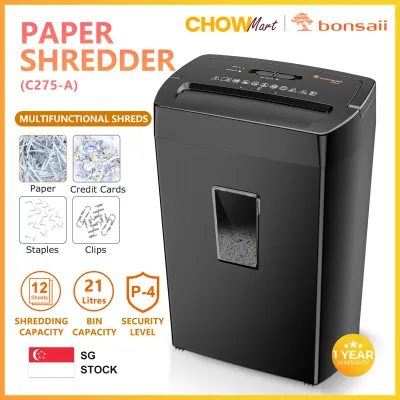
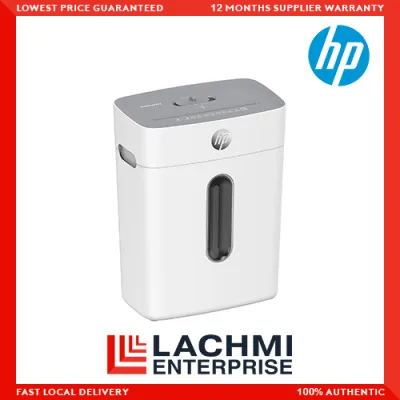
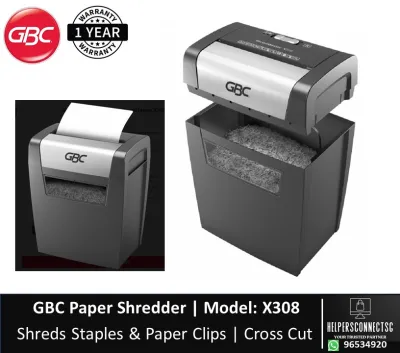
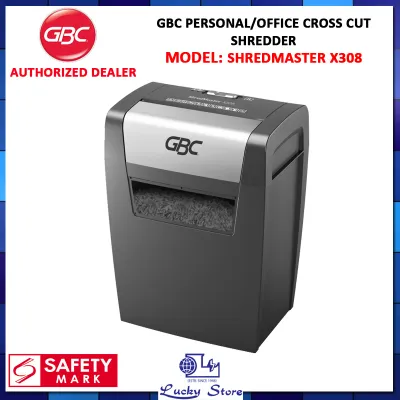
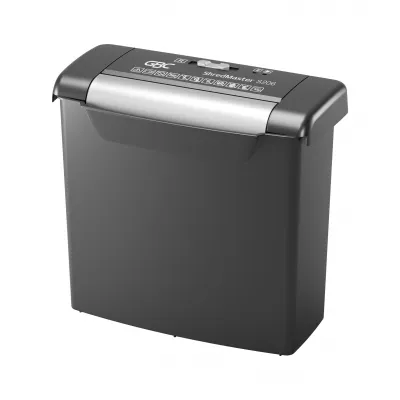
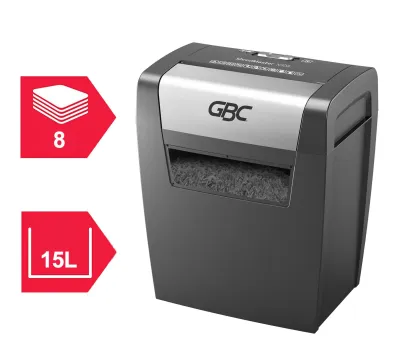
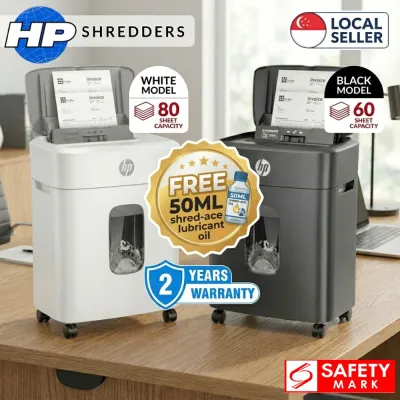
Prices are valid at publication and may change. Please refer to the product page for the latest price.
P-3 vs. P-4 vs. P-5: Matching Security to Document Sensitivity
Selecting the appropriate security level depends entirely on the sensitivity of the information you handle daily. A P-3 cross cut shredder is generally designed for standard office or home use where basic information privacy is required. This level is highly suitable for destroying general internal communications, non-sensitive drafts, and everyday business correspondence. The resulting particles are small enough to deter casual reading, making it a practical entry point for routine document disposal.

For organizations handling personally identifiable information (PII) or sensitive financial records, a P-4 cross cut shredder is widely considered the baseline standard. This level is ideal for destroying bank statements, payroll information, customer records, and corporate financial reports. The smaller particle size produced by a P-4 machine makes reconstruction incredibly difficult and time-consuming, providing the necessary security to comply with standard data protection regulations in professional environments.
When dealing with highly confidential, proprietary, or legally sensitive documents, a P-5 shredder becomes necessary. This tier is typically reserved for strategic business plans, medical records, proprietary research, and legal documents that require maximum protection. The particles produced by a P-5 machine are extremely small, offering high resistance to reconstruction efforts and ensuring that even the most determined attempts to recover the data will fail.
When shopping for a cross cut shredder, it is crucial to verify the official P-rating printed on the product label or technical manual. Manufacturers often use descriptive terms like “micro-cut” or “super cross-cut” to describe their machines, but these marketing labels are not standardized. Only the certified P-rating provides a reliable guarantee of the shredder’s performance and compliance with international security standards.
How Security Levels Affect Shredder Speed and Capacity
While higher security levels offer greater peace of mind, they also introduce practical trade-offs in terms of operational speed and capacity. Because a higher P-rating requires the machine to cut paper into much smaller pieces, the shredder blades must perform more complex cuts. This increased mechanical resistance generally reduces the maximum number of sheets the machine can process in a single pass. A P-3 shredder might easily handle a thick stack of papers at once, whereas a P-5 model of a similar motor size will have a lower sheet capacity.
Additionally, the size of the shredded particles affects how the waste bin fills up. Finer paper particles from P-4 and P-5 shredders tend to compact differently in the waste basket compared to the larger pieces from a P-3 machine. While smaller particles can sometimes pack more densely, the overall volume of shredded waste can accumulate quickly, requiring more frequent monitoring of the bin level.
Motor heat is another critical factor to consider. Cutting paper into finer pieces requires more torque and generates more friction, which in turn produces more motor heat. Consequently, higher security shredders often require longer cool-down periods and have shorter continuous run times. Before purchasing, check the manufacturer’s recommended duty cycle to ensure the machine can handle your typical daily shredding volume without overheating.
Final Checklist for Choosing the Right Cross Cut Shredder
To ensure you select the right cross cut shredder for your workspace, use this structured checklist to guide your final decision:
- Verify the Certified P-Rating: Look past the promotional keywords on the packaging and confirm the official P-3, P-4, or P-5 rating in the technical specifications.
- Assess Physical Dimensions: Measure your available office or home workspace in Singapore to ensure the shredder head and waste bin fit comfortably under a desk or in a designated utility area.
- Check Media Compatibility: If you need to destroy items other than paper, verify if the shredder blades are rated to handle credit cards, staples, paperclips, or optical discs without sustaining damage.
- Review Warranty and Support: Confirm the warranty terms and check for the availability of authorized service centers or replacement parts locally in Singapore to ensure long-term maintenance support.
Frequently Asked Questions (FAQ)
Can You Increase Security by Shredding the Same Paper Twice?
Running already shredded paper through the machine a second time does not reliably increase its security rating. Shredder blades are engineered with fixed cutting paths designed to grab and pull whole sheets of paper. Attempting to feed loose, pre-shredded particles back into the feed slot often leads to severe paper jams and can damage the motor. To achieve a higher level of security, it is always best to purchase a machine with the correct native P-rating from the start.
Do Higher Security Shredders Jam More Easily?
Higher security shredders do not inherently jam more easily, but they do require stricter adherence to operational guidelines. Because the blades must perform more intricate cuts, feeding more sheets than the recommended maximum capacity can easily strain the motor and cause a jam. To maintain smooth operation, always follow the manufacturer’s guidelines for sheet capacity, ensure proper paper alignment, and perform routine blade lubrication as specified in the user manual.
Community discussion
Share your experience or ask a question. Comments are reviewed before publication.