
Printed foam board is far more than a flat backing for standard posters. By utilizing its rigid yet lightweight polystyrene core, you can transform simple two-dimensional graphics into immersive, multi-layered retail experiences. From eye-catching window displays that draw foot traffic inside to interactive point-of-purchase setups, this versatile material allows you to build high-impact visual merchandising elements without the high costs or heavy rigging associated with wood or metal fabrication.
Transforming Window Displays with Dimensional Foam Board
Storefront windows are your first opportunity to capture a shopper’s attention, and flat signage often fails to stand out. By employing a layering technique, you can position different printed foam board elements in the foreground, midground, and background of your window space. This physical separation creates a striking three-dimensional illusion that naturally draws the eye deeper into your display, making your featured products pop.
To achieve this effect, design custom silhouettes or thematic props that can be easily cut to shape. While standard rectangular boards are common, custom-routed outlines of products, seasonal motifs, or abstract geometric frames add immediate visual interest. You can work with your printing service to die-cut or CNC-route these shapes directly from your digital vector files.
Products mentioned in this guide
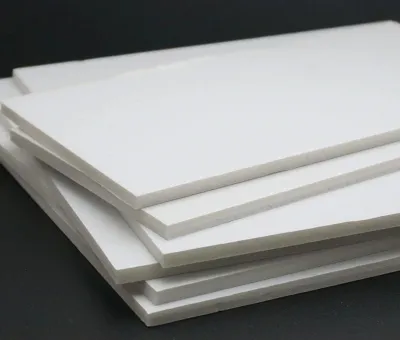
27 Lazada user ratings
Fast delivery-- practically next day! Thanks seller! packaging is great too. No wrinkles on the board.
Happy to receive the items. Fast delivery. Thanks Seller.
Used it to build simple DIY covers for my switches.
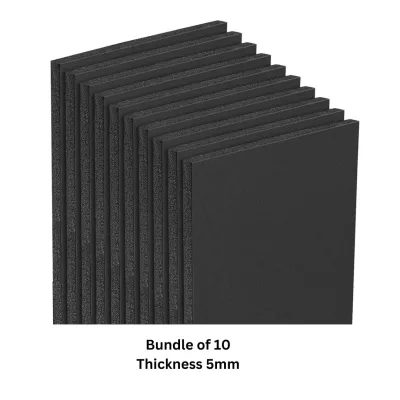
16 Lazada user ratings
Order was received on time, but the way the boards were packed was very poor. It resulted in only 1 of 5 was in a state I could use. Corners…Read full reviewShow less
Order was received on time, but the way the boards were packed was very poor. It resulted in only 1 of 5 was in a state I could use. Corners were bent and the sides was pushed during transport which is to be expected. The boards had been put into bobbelplast and then a lot of small cardboard pieces on top. A proper cardboard box would have been good and would prophase prevented the damage
well packed and nice fast delivery! recommended and will explore the shop to see for future project needs. not bad for the package too
came well packaged. a couple of boards are slightly warped, but otherwise no damage. edges are intact. not bad!
All bent. Cannot use and have to throw away.
Very well packed.
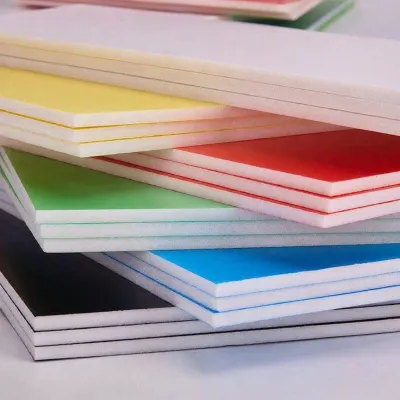
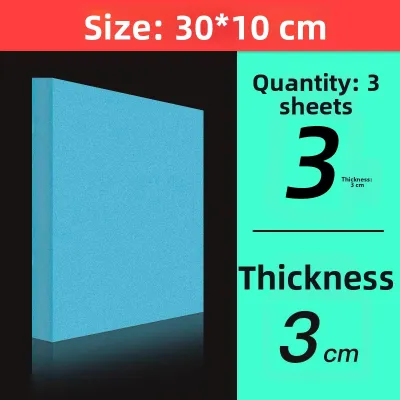
Prices are valid at publication and may change. Please refer to the product page for the latest price.
Before finalizing your window layout, verify the thickness and rigidity of the boards you plan to use. For smaller, layered elements, a standard 5mm thickness is often sufficient, but larger freestanding backdrops generally require a 10mm or thicker board to prevent bowing. Ensure that any freestanding elements are secured with sturdy rear struts or slotted bases to maintain their upright position.
Lighting plays a critical role in how these layered displays are perceived. Position your foam board elements at varying distances from your window glass and overhead spotlights to create dramatic shadow play. Be mindful of light transmission; standard foam board is opaque, meaning it will block light and cast distinct shadows, which you can use strategically to highlight specific merchandise or create depth.
Designing Freestanding and Interactive In-Store Promotions
Once customers step inside, printed foam board can guide their journey through strategically placed freestanding and counter-level promotions. To create stable floor-standing displays, design interlocking slots or triangular rear supports using the same foam board material. These self-supporting structures eliminate the need for external metal frames, keeping your promotional setups clean, cohesive, and lightweight.

For counter-level interactions, foam board is an excellent medium for temporary point-of-purchase displays, shelf talkers, and lightweight product pedestals. You can create custom-slotted counter stands that hold brochures or display a featured item. Because the material is easy to assemble, store staff can set up or swap out these promotional elements in minutes.
However, you must verify the weight limits and balance requirements of any interactive display. Foam board is inherently lightweight and is not designed to support heavy merchandise; placing heavy items on a foam board pedestal can cause the structure to buckle or tip over. Keep product displays limited to lightweight items, and test the balance of your structure in a high-traffic area to ensure it resists accidental bumps from passing shoppers.
To prolong the life of these interactive elements, check the available surface lamination options with your printer. A matte or gloss film lamination protects the printed graphics from fingerprints, scuffs, and accidental spills. This protective layer is especially important for counter displays where customers frequently handle or stand near the promotional materials.
Enhancing Visual Merchandising with Suspended Signage
Suspended signage is a highly effective way to utilize unused vertical space, direct traffic, and announce promotions without cluttering your retail floor. Because printed foam board is exceptionally lightweight, it can be safely hung from ceilings, shelving units, or window frames using simple hardware. This allows you to position key messages directly in the customer’s line of sight.
When planning suspended displays, select your hanging hardware based on the specific weight and size of the board. Lightweight options like clear nylon fishing line, small metal S-hooks, or adhesive ceiling hangers work well for standard sizes. For larger signs, consider using grommets or plastic edge hangers to prevent the hanging hardware from tearing through the soft foam core over time.
To keep your signs looking professional, distribute the weight evenly across multiple suspension points. Hanging a wide sign from a single central point can cause the corners to sag or the board to warp. Using two or more balanced hanging points ensures the sign remains perfectly level and flat, maintaining a clean and polished appearance.
You must also assess your store’s environment, including ceiling height, customer sightlines, and HVAC airflow. Strong air currents from air conditioning vents can cause lightweight suspended signs to swing or spin constantly, which distracts from the message and can look untidy. Position your signs away from direct air blasts, and ensure they hang high enough to meet local safety clearances for public walkways, preventing any accidental contact with shoppers.
Practical Limits and Maintenance for Retail Foam Board Displays
While printed foam board is highly versatile, understanding its physical limits is key to maintaining a premium retail aesthetic. Over time, displays may show signs of wear such as warping, moisture damage, or edge crushing. Regularly inspect your in-store signage; bent corners or dented edges instantly cheapen the look of your brand, signaling that it is time to refresh or replace the display.
Environmental factors significantly impact the lifespan of foam board. The material is highly sensitive to moisture and high humidity, which can cause the paper facing to delaminate from the foam core. In tropical climates like Singapore, placing standard foam board near open-air entrances or in high-humidity zones can accelerate warping. Direct, prolonged sunlight can also fade printed inks and weaken the adhesive bond within the board.
When cleaning your displays, use only dry or barely damp microfiber cloths to gently wipe away dust. Avoid using wet sponges, harsh chemical solvents, or abrasive cleaners, as these can saturate the paper facing, dissolve the core, or smudge the printed ink. If a display becomes soiled or stained, it is generally best to replace it rather than risk damaging the graphics further.
For long-term installations or heavy-duty retail environments, recognize when it is time to upgrade to more durable alternative materials. If a display needs to remain in place for more than a few months, or if it is exposed to frequent physical contact, consider materials like rigid PVC board, acrylic, or corrugated plastic. These alternatives offer superior impact and moisture resistance while still delivering high-quality print results.
Frequently Asked Questions (FAQ)
Can printed foam board be used for outdoor storefront promotions?
Standard printed foam board is designed strictly for indoor use and is highly vulnerable to outdoor elements like rain, wind, and high humidity. The paper liner can quickly absorb moisture, causing the board to warp, swell, and delaminate, while wind can easily snap or blow away the lightweight material. If you must use foam board outdoors, limit it to short-term, fully sheltered areas, or consult your printer about specialized water-resistant foam boards with plastic facings and outdoor-rated lamination.
How do I prevent large foam board displays from warping under store lighting?
High-intensity retail lighting, such as halogen bulbs or closely mounted spotlights, generates significant heat that can cause foam board to warp or bow. To prevent this, maintain a safe distance between your light sources and the display, or transition to cool-running LED fixtures. Additionally, you can improve structural stability by choosing a thicker board (such as 10mm), applying a double-sided print to balance surface tension, or mounting the board to a rigid backing frame.

Community discussion
Share your experience or ask a question. Comments are reviewed before publication.