
Choosing the right beginner crayons involves balancing physical durability, ease of cleanup, and ergonomic support. For parents, educators, and novice artists in Singapore, navigating the options between Crayola, Faber-Castell, and Staedtler requires looking beyond brand names to evaluate how each product performs under real-world conditions. While one brand may excel at effortless washability, another might offer superior break resistance or better ergonomic shapes for developing motor skills. By understanding the physical characteristics of these crayons and matching them to the user’s developmental stage, you can make an informed choice that encourages creative confidence without unnecessary frustration.
What Beginners Need From Their First Crayons
Developing hand muscles require specific physical support during early creative play. Toddlers typically begin with a palmar grasp, using their entire fist to hold drawing tools, which necessitates thick, easy-to-hold barrels. As fine motor skills progress, beginners transition to a tripod grasp, where specialized shapes like triangular profiles help guide finger placement naturally. Choosing a crayon that matches the user’s current grip style prevents hand fatigue and supports proper physical development.
Pigment laydown and blendability directly impact a beginner’s engagement with art. Novice artists need immediate visual feedback from their strokes; if a crayon requires excessive downward pressure to deposit color, the user may quickly become frustrated or lose interest. Conversely, a crayon that glides too easily might wear down rapidly or leave heavy, uneven wax deposits that are difficult to layer or blend. The ideal beginner crayon offers a smooth, consistent glide that deposits vibrant color with moderate pressure.
Products mentioned in this guide
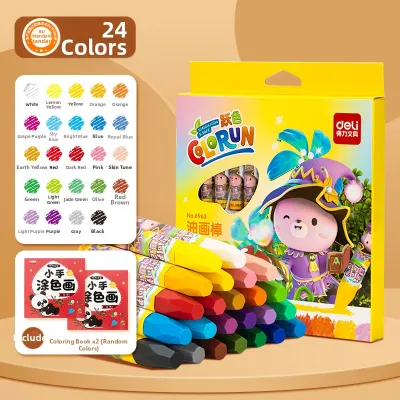
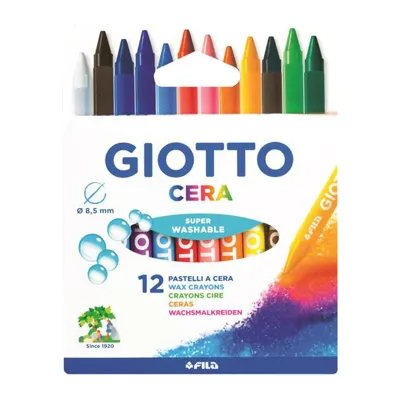
![[SG STOCK] Mideer All Silky Washable Crayons - Children Kid Fun Colorful Crayon Colour Pencils Christmas Gift Present](https://img.lazcdn.com/g/p/074713e046acd94ffb954536318e4386.png_400x400q80.png_.webp)
Prices are valid at publication and may change. Please refer to the product page for the latest price.
Break resistance is essential for maintaining a continuous creative flow. Beginners often struggle with pressure control, frequently applying sudden, heavy force to the paper. Fragile crayons that snap easily not only disrupt the drawing process but also create small, difficult-to-hold fragments that often go to waste. A durable crayon construction ensures the tool remains intact, maximizing its usable lifespan and reducing frustration.
Washability and ease of cleanup are critical considerations for shared workspaces, classrooms, and homes. Young artists frequently extend their canvas beyond the paper onto tables, walls, and clothing. Selecting formulas designed for easy removal from skin and common household surfaces saves time and preserves furniture. Evaluating these cleanup requirements beforehand helps maintain a stress-free creative environment for both teachers and parents.
Brand Positioning and Core Strengths
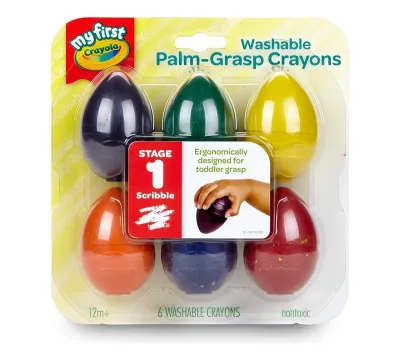
Crayola has long been established as a household staple, focusing heavily on accessibility, child-friendly packaging, and specialized washable formulas. Their product line is designed to be highly approachable for early childhood education, prioritizing bright, classic colors and easy cleanup. The brand’s primary strength lies in its reliable, non-toxic paraffin wax formulations that cater to high-volume classroom use and everyday home coloring activities.

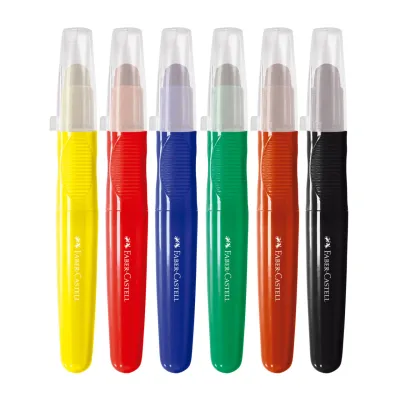
Faber-Castell applies professional design principles to its children’s art range, bridging the gap between play and early artistic development. Their crayons often feature ergonomic shapes, such as triangular barrels or integrated grip dots, alongside break-resistant bonding technologies. By focusing on rich pigment quality and smoother blending capabilities, they cater to beginners who are ready to explore basic shading and layering techniques.
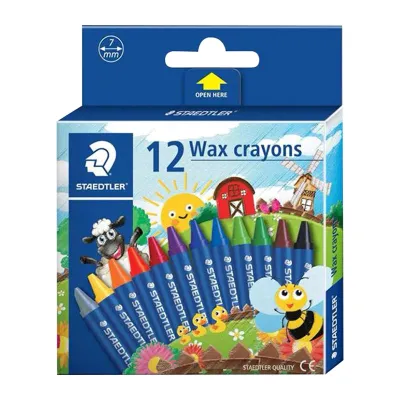
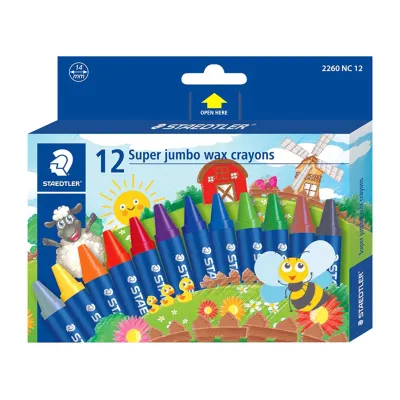
Staedtler emphasizes structural durability and precise German engineering in its school supply range. Their crayons are designed to withstand heavy, repetitive classroom use, featuring robust wax formulations and protective paper sleeves. Staedtler focuses on providing specialized ergonomic shapes that support proper hand positioning, making them an excellent choice for structured learning environments where drawing and early writing skills develop side by side.
Comparing Key Dimensions for Everyday Use
To evaluate color payoff and application quality, perform a simple scratch-and-layer test on standard drawing paper. Observe how much wax flakes off during a single, firm stroke. High-quality crayons should leave a smooth, continuous line of color with minimal wax debris. Test how easily two colors can be layered without the top layer sliding off or scraping away the bottom layer; a balanced wax-to-pigment ratio allows for basic color mixing without heavy buildup.
Inspect the physical construction of the crayons to assess their overall durability. Look for double-wrapped paper sleeves, which add significant structural strength to the wax core and prevent the crayon from snapping under uneven pressure. Check the thickness of the crayon barrel; jumbo or triangular options naturally offer more resistance to bending and breaking than standard thin cylindrical crayons, making them more suitable for heavy-handed beginners.
Always verify washable claims by checking the product packaging for specific manufacturer instructions. Some formulas are designed to wash out of most machine-washable clothing, while others may require specific laundering temperatures or pre-treatment. It is highly recommended to test the crayon on an inconspicuous area of your household surfaces before allowing free-range drawing, as textured walls or porous wooden tables can trap wax pigments regardless of washable labels.
Match the crayon shape to the user’s physical development to ensure comfortable handling. Standard cylindrical crayons are suitable for older children and adults with established fine motor skills. Triangular crayons naturally encourage a proper tripod grip, making them excellent for preschool and primary school beginners. Jumbo crayons provide a larger surface area for toddlers who still use a full-fisted grip, allowing them to color comfortably without straining their hands.
Evaluating Price, Set Sizes, and Value
When shopping in Singapore, you will find these brands widely available in local stationery shops, department stores, and online marketplaces. Prices typically range from S$3 for basic 12-packs to S$15 or more for larger, specialized ergonomic sets. To calculate the true value, consider the cost per crayon alongside the expected lifespan; a cheaper pack that suffers frequent breakage may end up costing more in replacements than a slightly higher-priced, break-resistant set.
Look for specialized beginner bundles or starter kits that include sharpener accessories or durable storage cases. A sturdy case helps keep the workspace organized and protects the crayons from accidental damage when not in use. Some brands also offer replacement options for individual colors, which is highly economical if a few popular shades are used much faster than the rest of the set.
Final Decision Framework: Which Brand Should You Buy?
Choose Crayola if your primary concerns are easy cleanup, bright basic colors, and budget-friendly bulk options. It is the ideal choice for younger children, classroom settings, and high-mess environments where washability is non-negotiable. The classic round crayons and ultra-washable lines provide peace of mind for parents and educators managing large groups of active toddlers.
Choose Faber-Castell if you want to encourage early art techniques, smoother color blending, and ergonomic comfort. This brand is highly suited for older beginners who are ready to explore shading and layering with more durable, break-resistant tools. The triangular shapes and grip dots provide excellent physical feedback, helping users transition smoothly to more advanced drawing instruments.
Choose Staedtler if you require a highly durable, structurally sound crayon for everyday school use. Its smooth application and robust design make it excellent for precise drawing and clean, mess-free handling. The protective sleeves and break-resistant wax formulation ensure these crayons survive the daily wear and tear of a school pencil case.
Before purchasing any set, always check the packaging for recognized safety and non-toxic certification labels, such as the AP (Approved Product) seal or the European CE mark. These certifications ensure the materials have been evaluated for safety and are free from harmful chemicals, making them safe for prolonged skin contact during creative sessions.
Frequently Asked Questions (FAQ)
How do I fix a broken crayon at home?
You can repair broken crayons by using gentle heat to fuse the pieces back together. Place the broken pieces inside a heat-resistant silicone mold or wrap them tightly in aluminum foil, then apply gentle heat using a hairdryer or a warm water bath. Always check the manufacturer’s safety guidelines before applying heat, as overheating wax can release unpleasant fumes or create a fire hazard. Once the wax has softened and fused, store the repaired crayons in a cool, dry place to allow the wax structure to reset completely.
Can I use children's crayons for professional art techniques?
While children’s crayons are excellent for learning basic color theory, they have limitations when applied to professional techniques. Student-grade crayons contain a higher ratio of wax binder to pigment, which can result in a heavy wax buildup that prevents effective layering, fine detail work, or solvent blending. If you notice that your drawings are experiencing heavy wax bloom (a cloudy white film) or that you cannot layer more than two colors without the wax slipping, it is an observable sign that you are ready to upgrade to artist-grade wax pastels or oil pastels.

Community discussion
Share your experience or ask a question. Comments are reviewed before publication.