
Selecting the right sewing thread for needlework is the foundation of a successful, long-lasting project. The primary differences between cotton, polyester, and silk threads lie in their fiber structure, tensile strength, elasticity, and surface finish. These physical characteristics directly influence how smoothly the thread glides through the fabric, how the stitches sit on the surface, and how the finished piece withstands wear and cleaning over time.
Matching the thread’s properties to your fabric and technique prevents puckering, thread breakage, and premature wear. For instance, a stiff, non-stretch thread stitched onto a delicate knit fabric can cause the fabric to tear under tension, while a highly elastic synthetic thread might distort a traditional linen sampler. By understanding the unique behaviors of each material, you can make informed decisions that elevate both the process and the final appearance of your needlework.
Quick Reference: Matching Thread Materials to Needlework Projects
| Thread Material | Best Fabric Pairings | Key Characteristics | Ideal Needlework Techniques |
|---|---|---|---|
| Cotton | Natural fibers (linen, cotton, canvas) | Matte finish, low stretch, high heat resistance, prone to lint | Cross-stitch, crewel embroidery, hand quilting, sashiko |
| Polyester | Synthetics, knits, stretch fabrics, heavy canvas | Slight sheen, high tensile strength, elastic, resistant to mildew & shrinking | Structural seams, machine embroidery, garment construction, high-wear items |
| Silk | Silk, wool, delicate or sheer fabrics | High natural sheen, exceptionally smooth, high strength-to-diameter ratio, drapes beautifully | Fine hand embroidery, silk shading (needle painting), applique, beadwork |
Cotton Thread: Matte Finish and Traditional Needlework
Cotton thread is a staple of traditional needlework, prized for its classic matte finish and soft, natural appearance. Because it is made from natural cotton fibers, it has virtually no stretch. This lack of elasticity makes it highly stable, ensuring that stitches remain locked in place without pulling or distorting the surrounding fabric.
Products mentioned in this guide
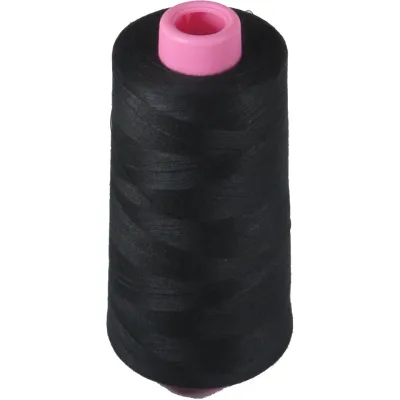
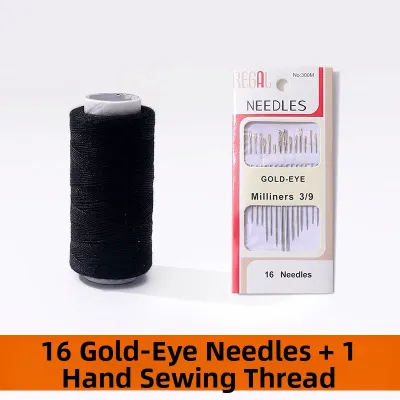
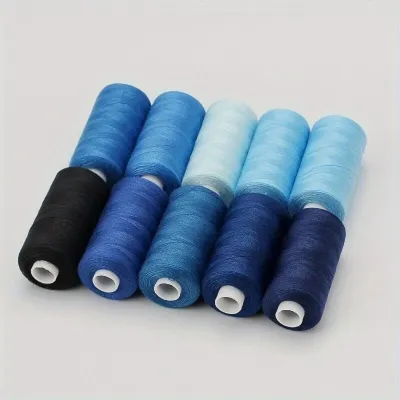
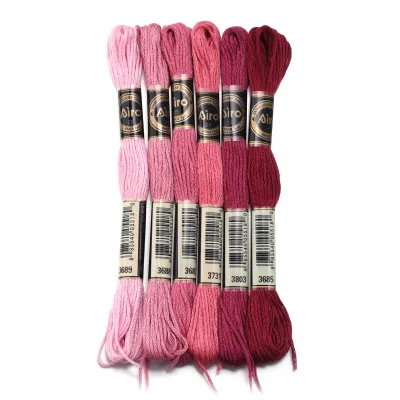
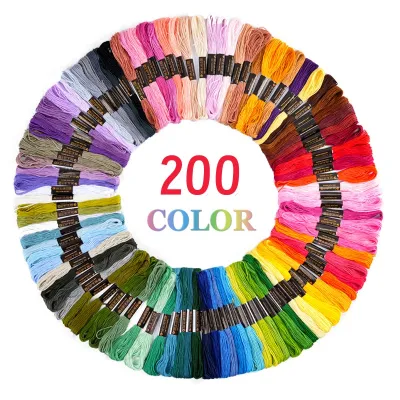
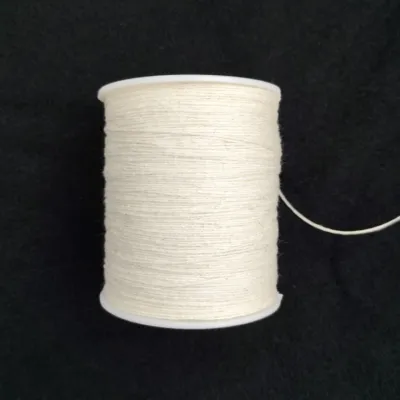
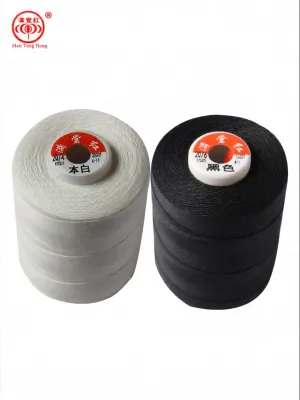
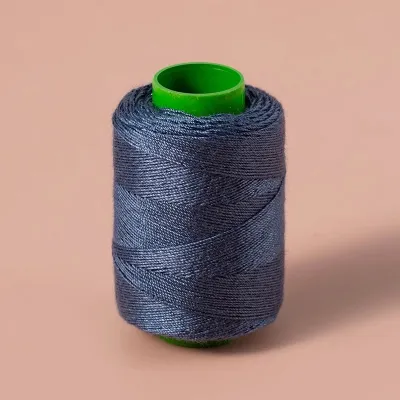
Prices are valid at publication and may change. Please refer to the product page for the latest price.

When stitched onto natural fabrics such as cotton, linen, or canvas, cotton thread behaves harmoniously. The fibers of the thread grip the fibers of the background fabric, creating a cohesive, integrated look where the stitches appear to sink naturally into the weave rather than sitting on top of it. This gripping quality is highly beneficial for techniques like cross-stitch, crewel embroidery, sashiko, and hand quilting, where a secure, non-slip stitch is essential.
However, cotton thread does have physical limitations. It generally has lower tensile strength than synthetic alternatives of the same thickness, meaning it can snap more easily under sudden tension. It also produces more lint as it passes through the fabric, which can accumulate in the needle eye or within the weave. Furthermore, unless specifically treated or labeled as colorfast, cotton threads can shrink slightly during washing or bleed dye onto surrounding areas.
To ensure the best results, always check the thread weight (wt) and ply before starting. A standard 50wt thread is excellent for general hand piecing, while a thicker 30wt or 12wt thread is better suited for decorative surface stitches where visibility is key. For fine, delicate work, an 80wt or 100wt cotton thread allows for nearly invisible stitches.
Polyester Thread: Durability and Stretch Fabric Applications
Polyester thread represents the modern workhorse of the sewing world, engineered for high durability, resilience, and versatility. Unlike natural fibers, polyester is a synthetic polymer, which gives the thread a slight sheen and exceptional tensile strength. It is highly resistant to abrasion, meaning it rarely shreds or breaks, even when pulled repeatedly through heavy or dense fabrics.
One of the defining characteristics of polyester thread is its built-in elasticity. It possesses a subtle stretch and recovery factor, allowing the stitches to yield slightly when the fabric is pulled or flexed. This makes polyester the ideal choice for sewing on stretch fabrics, knits, and synthetic blends. It ensures that structural seams or decorative embroidery on activewear, garments, and bags will not snap when the item is used or worn.
Additionally, polyester is incredibly resistant to environmental factors. It does not shrink when washed, resists fading from UV exposure, and is highly resistant to mildew—a crucial consideration for items used in warm, humid environments. Projects stitched with polyester thread can withstand frequent machine washing and heavy daily use without losing their structural integrity or color vibrancy.
The primary drawback of polyester thread in decorative needlework is its synthetic, slightly shiny finish. On traditional matte fabrics like linen or wool, the reflective quality of polyester can sometimes look artificial or out of place. Therefore, while it is unmatched for structural seams and high-wear applications, crafters often limit its use to modern designs, synthetic fabrics, or projects where strength outweighs traditional aesthetic preferences.
Silk Thread: High Sheen and Fine Detail Work
Silk thread is the premium choice for fine detail work, celebrated for its exquisite natural sheen, smooth texture, and elegant drape. Derived from the cocoons of silkworms, silk is a natural protein fiber that combines the best of both worlds: the luxurious appearance of a high-end material and surprising physical strength. It is exceptionally strong relative to its fine diameter, allowing you to create delicate, intricate stitches that do not compromise on durability.
In hand embroidery, silk thread glides through fabric with minimal friction, reducing the risk of snagging or damaging delicate base materials. It is highly flexible and drapes beautifully, allowing stitches to conform perfectly to the contours of the fabric. This makes it the premier choice for high-end embroidery, silk shading (often called needle painting), fine applique, and delicate tailoring details.
When choosing silk thread, it is helpful to understand the difference between filament silk and spun silk. Filament silk is made from continuous, unbroken strands, yielding the highest possible sheen and a perfectly smooth surface. Spun silk is constructed from shorter, broken fibers spun together; it offers a slightly softer, more subtle luster that is easier to handle for beginners.
Despite its strength, silk thread requires careful handling and maintenance. It is sensitive to high heat, prolonged exposure to direct sunlight, and harsh chemical detergents. When working with silk, it is essential to use smooth needles and maintain soft hands, as rough skin or calluses can easily snag the delicate fibers during the stitching process.
Decision Framework: Pairing Thread with Fabric and Technique
To select the ideal thread for your next needlework project, follow this structured, step-by-step evaluation process:
1. Analyze the Base Fabric
The fiber content, weight, and weave of your base fabric should dictate your thread choice. As a general rule, match natural threads with natural fabrics, and synthetic threads with synthetic or stretch fabrics. Stiff, non-stretch cotton thread can cut through delicate silk or synthetic fabrics over time, while highly elastic polyester thread can cause natural woven fabrics to pucker if stitched with too much tension.
2. Consider the Technique and Visual Finish
Determine whether your project requires structural strength or decorative appeal. For structural seams or items that will undergo physical stress, prioritize the strength and elasticity of polyester. For decorative surface embroidery, choose the matte, traditional look of cotton or the luxurious, high-sheen finish of silk. Ensure the thread weight matches your needle size; a needle eye that is too small will abrade the thread, while an eye that is too large will leave visible holes in your fabric.
3. Evaluate End Use and Care Requirements
Consider how the finished item will be used, cleaned, and stored. If the item will be washed frequently in hot water or exposed to sunlight, polyester offers the best resistance to fading and shrinkage. If the item is an heirloom piece meant for display, cotton or silk will provide the authentic, classic finish required, provided they are kept in a stable environment. Price may also guide your selection; budget-friendly polyester threads typically cost only a few dollars per spool, whereas premium silk threads can range from S$5 to S$15 per spool depending on the yardage and brand.
Critical Verification Step: Before committing to your final project, always check the applied product’s label and the treated item’s manufacturer instructions for care and compatibility. If instructions conflict, the item is unidentified, or the intended use is not covered, stop and consult the manufacturer or a qualified professional. Always test your chosen thread on a fabric scrap first. This simple test allows you to verify thread tension, observe the visual sheen under natural light, and check for colorfastness by dampening the sample and pressing it against a white paper towel to ensure no dye bleeds.
Storage and Care: Preserving Thread Quality Over Time
Proper storage is essential to preserve the physical integrity, strength, and color of your sewing threads over time. All thread materials should be kept away from direct sunlight, dust, and extreme temperature fluctuations. Ultraviolet light can rapidly degrade fibers, causing them to become brittle and fade, while dust acts as an abrasive that can wear down the thread as it runs through your needle.
In tropical climates like Singapore, humidity control is particularly important. Cotton thread is highly absorbent and can attract moisture, making it susceptible to mold and mildew if left in open-air baskets. Silk thread is a natural protein fiber, making it a target for pests like moths and silverfish if not stored securely.
To protect your investment, store your threads in sealed, clear plastic containers or dedicated thread organizers. Keeping them enclosed shields them from dust, moisture, and pests, while clear containers allow you to easily inventory your colors without exposing the threads to the elements. For premium silk threads, keeping them in their original protective sleeves or wrapping them in acid-free tissue paper provides an extra layer of defense against environmental degradation.
Frequently Asked Questions (FAQ)
Can I mix cotton and polyester threads in the same embroidery project?
While physically possible, mixing cotton and polyester threads in the same embroidery design can result in mismatched sheens and different shrinkage rates after washing, which may cause the fabric to pucker unevenly. It is generally best to keep your thread materials consistent across a single piece for a uniform finish, unless you are intentionally seeking a specific textural contrast and have pre-tested the combination on a fabric scrap.
Does the thread weight number mean the same thing for cotton and polyester?
No, thread weight systems can vary significantly by manufacturer and material type. Cotton thread often uses the traditional weight system where a higher number indicates a thinner thread (e.g., 50wt is thinner than 30wt), whereas polyester threads may use different systems like Tex, where a higher number indicates a thicker thread. Rather than relying solely on the printed number, physically compare the thread thicknesses and test them with your chosen needle and fabric.
Is silk thread too fragile for everyday garments?
Silk thread is remarkably strong for its fine diameter, but its vulnerability lies in its sensitivity to abrasion and harsh chemical exposure. It is not recommended for high-stress structural seams on heavy, everyday garments that undergo frequent machine washing with strong detergents. However, it is highly suitable for low-friction areas, delicate hand-sewn hems, buttonholes, and decorative surface work on specialty garments that receive gentle care.
Community discussion
Share your experience or ask a question. Comments are reviewed before publication.