
Quick Answer: Which Thread Should a Beginner Choose?
For most beginners starting with hand embroidery, cotton embroidery thread is the most practical and forgiving choice. Its matte finish, low stretch, and excellent grip make it easy to handle when learning basic stitches like the backstitch, satin stitch, or French knot. Cotton thread sits smoothly on fabric and does not slip out of the needle easily, which reduces frustration during your first few projects.
If you are planning to embroider items that will undergo frequent washing, heavy wear, or exposure to moisture—such as children’s clothing, tote bags, or everyday gear—polyester embroidery thread is the better option. Polyester is highly durable, resists shrinking, and retains its color even after multiple trips through the laundry. It is also the standard choice for general machine embroidery due to its high tensile strength.
Rayon embroidery thread is best reserved as a secondary choice for decorative accents or machine embroidery where a high-gloss, silk-like sheen is the main priority. While rayon offers beautiful visual depth and vibrant color reflection, its lower wet strength and tendency to fray make it more challenging for beginners to handle during hand stitching.
Products mentioned in this guide
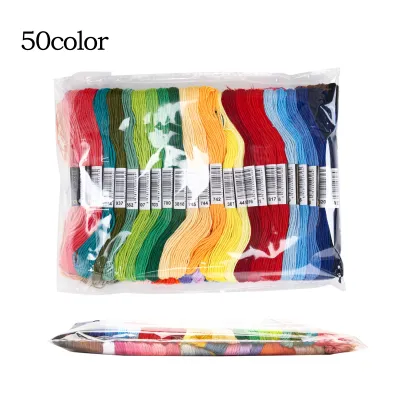
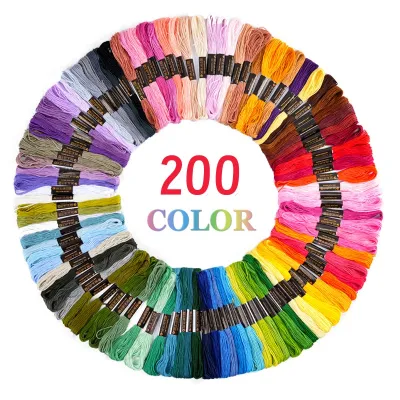
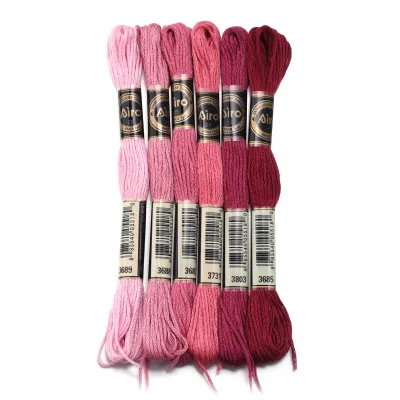
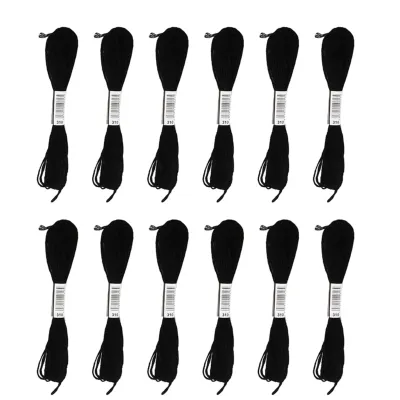
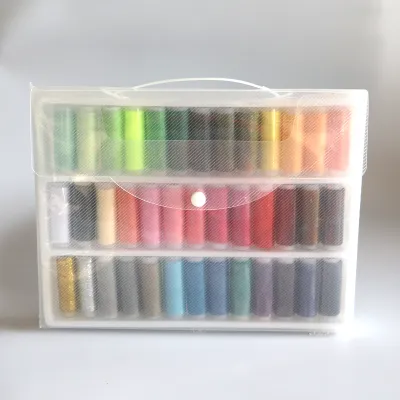

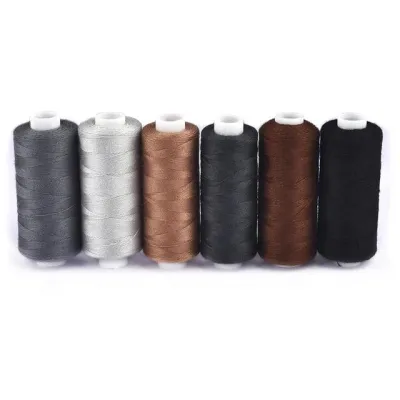
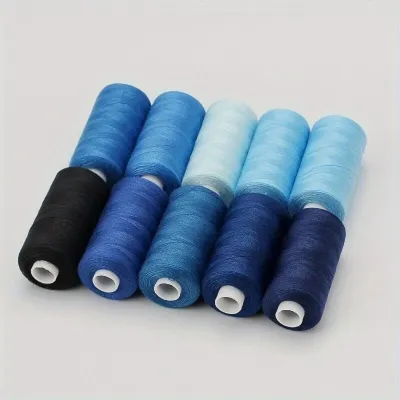
Prices are valid at publication and may change. Please refer to the product page for the latest price.
Understanding the Core Differences
To make an informed choice, it helps to understand how these three common embroidery threads are made and how their physical properties affect your stitching experience. Each material behaves differently under tension, reacts uniquely to moisture, and offers a distinct visual finish on your fabric.

Cotton is a natural fiber harvested from the cotton plant. It is spun into plies that are twisted together to form a soft, matte thread. Because it is a natural fiber, cotton has very little natural stretch, which provides excellent control when pulling stitches through woven fabrics. It is highly absorbent, meaning it takes dyes beautifully, though it can shrink slightly when exposed to hot water.
Polyester is a fully synthetic polymer fiber. It is engineered for maximum durability, elasticity, and resistance to environmental factors. Polyester threads have a slight stretch, which helps them absorb sudden tension changes without snapping. The synthetic fibers do not absorb water, making them highly resistant to shrinking, fading, and chlorine bleach.
Rayon is a semi-synthetic fiber made from regenerated cellulose, typically derived from wood pulp. It is manufactured to mimic the luxurious look and feel of natural silk. Rayon fibers are incredibly smooth and reflective, giving the thread a brilliant sheen. However, the chemical structure of cellulose makes rayon weaker when wet, and the smooth surface means it has less friction, making knots more prone to slipping.
Beyond the material itself, thread weight and ply count play a significant role in your embroidery. Thread weight is typically indicated by a number; a higher number represents a finer, thinner thread, while a lower number indicates a thicker thread. Most hand embroidery utilizes stranded cotton, which consists of six individual plies that can be separated to adjust the thickness of your stitches to match your needle size and fabric density.
Cotton Thread: Handling, Pros, and Best Uses
Cotton thread is the traditional standard for hand embroidery, and for good reason. Its natural texture provides a reliable grip against both the needle eye and the fabric fibers. This friction prevents the thread from sliding out of the needle unexpectedly, allowing beginners to focus on mastering stitch placement and maintaining consistent tension.
The matte finish of cotton thread creates a classic, soft appearance that is highly desirable for traditional patterns, cross-stitch, and crewel work. Because cotton does not reflect light harshly, minor irregularities in stitch length or tension are less noticeable, making it highly forgiving for those who are still developing their technique.
However, cotton does have specific physical limitations that require careful handling. It has lower tensile strength than polyester, meaning it can snap if pulled too forcefully or if subjected to high-speed machine tension. Additionally, cotton fibers can shrink during their first wash, which can cause the surrounding fabric to pucker if the thread or the fabric was not pre-washed.
To get the best results with cotton, beginners should check the manufacturer’s care labels for colorfastness and shrinkage guidelines. It is also wise to work with shorter lengths of thread—usually around 30 to 45 centimeters—to minimize friction wear and fraying as the strand passes repeatedly through the fabric.
Polyester Thread: Handling, Pros, and Best Uses
Polyester thread is the workhorse of the embroidery world, offering unmatched resilience and longevity. If you are embellishing items that will face regular wear and tear, such as denim jackets, canvas bags, or everyday clothing, polyester provides the structural integrity needed to withstand friction and tension.
One of the greatest advantages of polyester is its colorfastness. The synthetic fibers are dyed using processes that lock the color deep within the material, making it highly resistant to fading from UV rays, sweat, and harsh detergents. This makes polyester the ideal choice for items used in sunny climates or subjected to frequent laundering.
For hand embroidery, however, polyester’s synthetic nature presents a few unique handling characteristics. The thread has a slight springiness or “memory,” which can cause it to curl, tangle, or form small loops if not managed carefully. It also has a smoother surface than cotton, meaning knots must be tied securely to prevent them from unraveling over time.
To mitigate tangling when hand stitching with polyester, you can run the thread through a beeswax or synthetic thread conditioner to smooth the fibers. When using polyester in an embroidery machine, you may need to adjust the upper tension settings slightly to accommodate the thread’s natural elasticity and prevent puckering on lightweight fabrics.
Rayon Thread: Handling, Pros, and Best Uses
Rayon thread is celebrated for its exceptional aesthetic qualities, offering a high-gloss, fluid appearance that closely resembles genuine silk. The way light reflects off rayon stitches creates a dynamic, multi-dimensional effect that makes decorative patterns, floral designs, and intricate monograms stand out vividly.
The drape of rayon is incredibly soft, allowing embroidered designs to remain flexible rather than stiff. This flexibility makes it a popular choice for embellishing lightweight garments, evening wear, and delicate decorative items where a stiff, heavy patch of stitching would ruin the flow of the fabric.
Despite its visual appeal, rayon is generally considered the most challenging of the three materials for beginners. It has a very slippery texture, which makes it prone to spilling off the spool or bobbin and tangling into “bird’s nests” during stitching. It also has a lower tensile strength than polyester and can fray or break easily if it catches on a rough needle eye or coarse fabric.
Furthermore, rayon loses a significant portion of its strength when wet. If you choose to use rayon, it is important to avoid using it on high-stress seams or items that require vigorous washing. Beginners should practice tension control on scrap fabric first, use a high-quality needle with a smooth eye, and consider using thread nets on the spool to keep the slippery strands organized.
Side-by-Side Comparison for Beginners
To help you quickly evaluate these materials, the following comparison highlights how cotton, polyester, and rayon perform across key practical categories.
| Feature | Cotton Thread | Polyester Thread | Rayon Thread |
|---|---|---|---|
| Ease of Handling | High (forgiving, low slip) | Moderate (springy, some tangling) | Low (slippery, prone to unraveling) |
| Sheen Level | Matte to very low sheen | Medium, synthetic sheen | High, brilliant silk-like gloss |
| Durability | Moderate (can break under tension) | High (excellent tensile strength) | Low to moderate (weak when wet) |
| Washability | Moderate (potential shrink/fade) | Excellent (colorfast, shrink-resistant) | Delicate (requires gentle care) |
| Best Beginner Use | Hand embroidery, learning stitches | Durable goods, machine embroidery | Decorative accents, machine work |
When purchasing thread at a local craft shop or through an online marketplace, always verify the specific thread weight and care instructions printed on the product packaging. Thread formulations can vary by manufacturer, and checking these details ensures compatibility with your chosen fabric and needles.
How to Choose Based on Your Project
Selecting the right embroidery thread ultimately depends on the specific goals, fabric, and intended use of your project. By matching the thread’s physical properties to your project’s demands, you can avoid common stitching frustrations.
Choose Cotton if:
- You are practicing hand embroidery stitches on a hoop using cotton calico, linen, or canvas.
- You prefer a traditional, rustic, or matte aesthetic for your designs.
- You are working on cross-stitch patterns where full, matte coverage is desired.
- You want an easy-to-handle thread that stays threaded in your needle without slipping.
Choose Polyester if:
- You are embroidering everyday garments, activewear, or children's clothing that will be washed frequently.
- Your project will be exposed to sunlight, outdoor elements, or frequent handling.
- You are using a home embroidery machine and need a strong thread that won't snap at high speeds.
- You want to ensure your colors remain vibrant and do not bleed onto the surrounding fabric.
Choose Rayon if:
- You are creating decorative wall art, formal wear, or holiday ornaments that do not require frequent washing.
- You want to achieve a high-gloss, luxurious, silk-like finish on your design.
- You are comfortable managing slippery thread and practicing precise tension adjustments.
- You are working on lightweight, flowing fabrics where a soft drape is essential.
Verify first if: Before starting any project, verify if your fabric and thread are compatible. For example, stitching a heavy, high-tension polyester thread onto a very delicate, loosely woven silk fabric can cause the fabric to pull and puckering to occur. Always test your chosen thread and needle combination on a small scrap of your project fabric first to observe how they interact under tension.
Frequently Asked Questions (FAQ)
Can I mix cotton, polyester, and rayon threads in the same project?
Yes, you can mix different thread materials in a single project to create interesting textural contrasts, such as combining matte cotton for the background and high-sheen rayon for the highlights. However, you must consider how the completed piece will be cleaned. Because cotton can shrink and rayon weakens when wet, washing a mixed-thread project can cause uneven tension, puckering, or distortion. If you plan to wash the finished item, it is highly recommended to stitch a small test swatch using all three threads, wash it according to your planned care method, and observe how the materials settle before committing to a large project.
Does thread weight matter as much as the material for beginners?
Thread weight is just as important as the material because it directly dictates your needle size, fabric compatibility, and the level of detail you can achieve. A standard medium-weight thread (often labeled as size 40 for machine embroidery or using 2 to 3 strands of size 25 stranded cotton for hand embroidery) is highly recommended for beginners. Using a thread that is too thick for your needle can cause excessive friction, leading to fraying and breakage, while a thread that is too thin can result in sparse coverage and loose loops. Starting with standard, widely available weights allows you to build consistent stitching habits before experimenting with specialty thick or ultra-fine threads.
How should I store my embroidery threads to prevent damage?
Proper storage is essential for preserving the strength, color, and flexibility of your embroidery threads over time. You should store your threads in a cool, dry place away from direct sunlight, as prolonged exposure to UV rays can fade colors and weaken both natural and synthetic fibers. Using clear, lidded plastic storage organizers or dedicated thread boxes helps prevent dust accumulation and keeps individual spools or skeins from tangling. Keeping your threads away from high humidity is also crucial, as moisture can encourage mold growth on cotton and degrade the structural integrity of semi-synthetic rayon fibers.
Community discussion
Share your experience or ask a question. Comments are reviewed before publication.