
When selecting materials for a sewing project, the term “cloth tape” often leads to an important distinction. In the world of haberdashery and garment construction, cloth tape does not refer to the sticky, adhesive-backed utility tapes found in hardware stores. Instead, it refers to non-adhesive, woven fabric tapes—such as twill tape, bias binding, seam binding, and structural webbing. These versatile textile trims are essential for reinforcing seams, binding raw edges, creating sturdy straps, and adding decorative finishes to various sewing projects.
Choosing the right material for your woven cloth tape is critical to the longevity, appearance, and structural integrity of your finished item. The two most common fibers used to manufacture these tapes are cotton and polyester, each bringing distinct physical properties to the sewing table. Making the wrong choice can lead to distorted seams, puckered fabric, or even melted trim during construction.
As a general rule, choose cotton cloth tape for projects involving natural fiber garments, high-heat pressing, direct skin contact, and custom dyeing. Opt for polyester cloth tape when your project demands high tensile strength, resistance to frequent machine washing, exposure to high-moisture or outdoor environments, and absolute dimensional stability with zero shrinkage. Evaluating the specific end-use, care requirements, and finishing techniques of your project will guide you to the ideal material selection.
Products mentioned in this guide
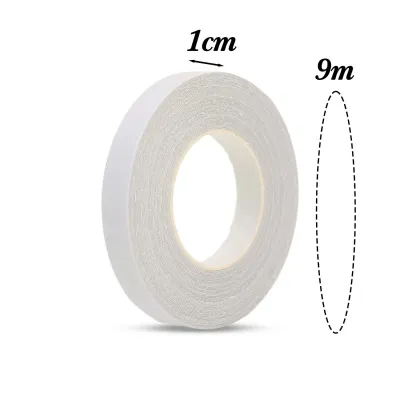
Prices are valid at publication and may change. Please refer to the product page for the latest price.
Cotton vs Polyester Cloth Tape: Core Material Differences
Understanding the fundamental physical and behavioral differences between cotton and polyester fibers is the first step in making an informed decision. These differences dictate how each tape handles under a sewing machine needle, how it responds to moisture, and how it withstands the heat of a domestic or commercial iron.
Fiber Origin and Texture
Cotton cloth tape is woven from natural cellulose fibers harvested from the cotton plant. This organic origin gives the tape a soft, matte finish and a slightly textured surface. The natural grip of cotton makes it easy to handle during sewing, as it resists slipping when pinned or basted to other fabrics. Over time, cotton tape softens further with wear and washing, making it exceptionally comfortable against the skin.
Polyester cloth tape is constructed from synthetic polymer fibers derived from petroleum-based compounds. This manufacturing process produces long, uniform, and highly smooth filaments. Consequently, polyester tape has a slicker, slightly shiny texture compared to cotton. While this smoothness makes it highly resistant to abrasion and wear, it also means the tape can be slippery to handle, requiring careful pinning or the use of sewing clips during construction.
Shrinkage and Washing Behavior
Cotton is highly hydrophilic, meaning it readily absorbs water. When cotton fibers get wet, they swell, and as they dry, the tension built into the woven yarns during manufacturing is released, causing the tape to shrink. Untreated cotton tape can shrink by up to 10% of its length during its first wash. If sewn onto a non-shrinking fabric without preparation, this shrinkage will cause severe puckering along the seam line.
Polyester is hydrophobic, meaning it repels water and absorbs almost no moisture. Because the synthetic fibers do not swell or relax in water, polyester cloth tape exhibits outstanding dimensional stability. It will not shrink, stretch, or warp during washing and drying cycles, making it highly reliable for items that must maintain their exact shape and measurements over time.
Heat Tolerance
Cotton possesses excellent heat resistance. It can withstand direct contact with a hot iron set to high temperatures (often up to 200°C or more) and thrives under heavy steam. This high heat tolerance is invaluable during garment construction, where crisp, flat-pressed seams are essential for a professional finish.
Polyester is a thermoplastic material, meaning it softens and melts when exposed to high heat. Subjecting polyester tape to a hot cotton-setting iron will cause the synthetic fibers to glaze, develop shiny marks, or melt entirely, ruining the project. Working with polyester requires strict temperature control, typically limiting the iron to a low-to-medium synthetic setting (around 110°C to 150°C) and utilizing a pressing cloth.
| Material Property | Cotton Cloth Tape | Polyester Cloth Tape |
|---|---|---|
| Fiber Type | Natural (Cellulose) | Synthetic (Polymer) |
| Touch & Texture | Soft, matte, high-grip | Smooth, slightly shiny, slippery |
| Breathability | High | Low |
| Shrinkage Risk | High (requires pre-washing) | Negligible (no pre-washing needed) |
| Heat Tolerance | High (withstands hot iron & steam) | Low (melts or glazes under high heat) |
| Dye Absorption | Excellent (absorbs fiber dyes) | Poor (requires specialized disperse dyes) |
| Moisture Resistance | Low (absorbs water, dries slowly) | High (hydrophobic, dries quickly) |
Note: Always check the manufacturer’s care label on the specific tape packaging before beginning your project. Blended fibers, such as poly-cotton, or specialized chemical finishes can alter these general material properties.
When to Use Cotton Cloth Tape in Sewing
Cotton cloth tape shines in applications where comfort, natural aesthetics, and high-heat manipulation are central to the project’s success. Its unique physical characteristics make it a staple in garment construction and bespoke tailoring.

Garment Construction and Comfort
For clothing items that come into direct contact with the skin, cotton tape is the superior choice. In warm, humid climates like Singapore, breathability and moisture absorption are critical for comfort. Cotton tape allows air to circulate and absorbs perspiration, preventing skin irritation.
Use cotton twill tape or seam binding to reinforce internal waistbands, bind neckline edges, and stabilize shoulder seams in lightweight cotton, linen, or silk garments. Its soft texture ensures that the interior of the garment remains non-abrasive and comfortable for all-day wear.
High-Heat Pressing and Tailoring
Bespoke tailoring and structured garment construction rely heavily on steam and heat to shape, mold, and set fabric curves. Cotton tape is highly responsive to these techniques.
When tailoring structured jackets, coats, or trousers, cotton tape is used to stay-stitch and stabilize lapel roll lines, armholes, and pocket openings. It can be aggressively pressed with a hot steam iron to shrink or stretch the tape into precise curves, holding its shape permanently without any risk of melting or glazing.
Custom Dyeing and Crafting
Because cotton is a natural fiber with high dye receptivity, it is the perfect medium for custom color matching and creative crafting. If your project requires a highly specific shade that is unavailable in pre-dyed commercial tapes, you can easily dye natural, unbleached cotton tape using standard fiber-reactive dyes.
This dyeability also makes cotton tape ideal for custom branding. Many small-scale designers and crafters use cotton tape to stamp or print custom care labels and logo tags using fabric ink, as the natural fibers absorb and lock in the pigment cleanly without smudging.
Limitations to Manage
While cotton tape offers numerous benefits, it requires careful handling to prevent structural issues. It is highly prone to wrinkling and will fray easily along cut edges if not properly finished. Additionally, because it shrinks significantly, you must always pre-wash and dry cotton tape before sewing it onto your project to avoid ruinous puckering after the first laundry cycle.
When to Use Polyester Cloth Tape in Sewing
Polyester cloth tape is engineered for durability, strength, and resilience. It is the ideal choice for projects that must withstand heavy physical stress, frequent washing, or challenging environmental conditions.
Heavy-Duty and Structural Applications
Polyester fibers possess exceptional tensile strength and resistance to stretching under load. This makes polyester tape, particularly heavy-duty polyester webbing, the industry standard for structural applications.
Use polyester tape for making sturdy bag handles, backpack straps, utility loops, and reinforcing high-stress points in upholstery, slipcovers, and heavy curtains. Unlike cotton, which can stretch out of shape under constant weight, polyester maintains its structural integrity and supports heavy loads without sagging.
Moisture and Humidity Resistance
Singapore’s tropical climate features high relative humidity, which can promote the growth of mold and mildew on organic fibers. Because polyester is synthetic and hydrophobic, it does not hold moisture and is naturally resistant to rot, mildew, and bacterial growth.
This moisture resistance makes polyester tape indispensable for activewear, swimwear, rain gear, outdoor cushions, and marine sewing projects. If the finished item is exposed to rain, sweat, or pool water, the polyester tape will dry rapidly and maintain its strength without deteriorating.
Colorfastness and Stability
Synthetic polyester fibers are colored using specialized dye processes that lock the pigment deep within the polymer structure. This results in outstanding colorfastness.
Polyester tape is highly resistant to fading from UV exposure, making it ideal for outdoor items like awnings or patio cushions. Furthermore, it will not bleed dye onto adjacent fabrics during hot machine washes, allowing you to safely use vibrant or dark-colored polyester trims on light-colored garments.
Limitations to Manage
The primary challenge when working with polyester tape is its sensitivity to heat. You must lower your iron temperature when pressing seams containing polyester tape, and always use a pressing cloth to avoid melting the synthetic fibers. Additionally, the slippery texture of polyester tape means it can shift easily under the presser foot; utilizing walking feet, sewing clips, or temporary basting stitches can help maintain alignment.
Decision Framework: Matching Tape to Your Sewing Needs
To ensure your sewing project turns out beautifully and lasts for years, use this structured framework to match the right cloth tape material to your specific project requirements.
Choose Cotton if:
- The base fabric is natural: Your main project fabric is cotton, linen, wool, or silk, and you want to match the shrinkage and care characteristics of the fibers.
- The item touches the skin: You are sewing internal garment finishes, baby clothes, or sleepwear where breathability and softness are paramount.
- High-heat pressing is required: The construction process involves heavy steam pressing, sharp creasing, or tailoring techniques.
- You plan to customize: You need to dye the tape a custom color or print branding logos onto the surface.
Choose Polyester if:
- High tensile strength is needed: The tape will serve as a load-bearing strap, handle, or heavy-duty structural reinforcement.
- The item faces high moisture: The finished product is designed for outdoor use, swimwear, activewear, or humid environments where mold resistance is crucial.
- Frequent, harsh washing is expected: The item will be laundered repeatedly in hot water or dried in commercial clothes dryers.
- Dimensional stability is critical: You cannot risk any shrinkage or stretching along the reinforced seams.
Verify First if:
- The tape is a blend: Many commercial tapes are poly-cotton blends (typically 65% polyester and 35% cotton). These blends attempt to offer the best of both worlds—combining the softness and heat resistance of cotton with the strength and low-shrinkage properties of polyester. Always test a scrap piece to see how the blend behaves under an iron.
- Specialized coatings are present: Some tapes feature water-repellent, flame-retardant, or soil-resistant coatings. These chemical treatments can alter how the needle penetrates the fabric and how the tape responds to heat.
- Care instructions conflict: Ensure the care requirements of your chosen tape align with your base fabric. For example, sewing a non-shrunk cotton tape onto a delicate, dry-clean-only synthetic garment will lead to distortion and care complications down the road.
Before making your final selection, consider the maintenance habits of the end-user. If the finished item is likely to be tossed into a high-heat tumble dryer, a pre-shrunk cotton tape or a stable polyester tape is essential to prevent post-wash distortion.
Preparation and Sewing Tips for Cloth Tape
Working with woven cloth tapes requires specific preparation and handling techniques to ensure clean, professional results and to prevent damage to your sewing machine or materials.
Pre-Washing
If you have chosen cotton cloth tape, pre-washing is a mandatory step. To prevent the tape from tangling or fraying in the washing machine, place it inside a mesh laundry bag. Wash and dry the tape using the exact temperature settings you plan to use for the finished garment. Once dry, press the tape flat with a steam iron before cutting and sewing. For polyester tape, pre-washing is generally unnecessary as the synthetic fibers do not shrink, though it can help remove any stiff factory sizing if a softer drape is desired.
Ironing and Pressing
Always perform a press test on a small scrap of your cloth tape before applying a hot iron to your actual project.
- For Cotton: Use high heat and plenty of steam to press creases flat.
- For Polyester: Lower the iron to a synthetic setting. Always place a clean cotton pressing cloth between the iron soleplate and the polyester tape to distribute heat evenly and prevent glazing, melting, or leaving shiny imprints on the synthetic surface.
Cutting and Edge Finishing
Because cloth tapes are woven, their cut ends will fray rapidly if left unfinished. Use these practical methods to secure the raw edges during and after construction:
- Pinking Shears: Cut the ends of the tape with pinking shears to create a zigzag edge, which helps minimize fraying during handling.
- Fraying Adhesives: Apply a very small amount of liquid fray preventer (such as a commercial fray check liquid) to the cut edges. Allow it to dry completely before sewing. Always test this on a scrap first to ensure it does not discolor the tape.
- Mechanical Folding: Fold the raw end of the tape under by 6mm (1/4 inch) twice and stitch it down to completely enclose the raw edge.
- Zigzag Stitching: Sew a tight zigzag or overcasting stitch directly over the raw cut edge of the tape to lock the woven yarns in place.
- Heat Sealing (Polyester Only): For synthetic polyester tapes, you can carefully pass the cut edge near a controlled flame (such as a lighter) for a fraction of a second to melt and fuse the plastic fibers together. Caution: This must be done with extreme care in a well-ventilated area. Do not attempt this on cotton tape, as cotton will catch fire and burn rather than melt. Melted polyester edges can also become sharp and scratchy, so avoid this method on areas that will rub against the skin.
Frequently Asked Questions (FAQ)
Can I mix cotton and polyester cloth tape in the same project?
Yes, you can mix cotton and polyester cloth tapes in a single project, but it requires careful planning regarding shrinkage and care. If you sew a cotton tape and a polyester tape onto the same item, they will react differently to laundering. To prevent the cotton tape from shrinking and causing the adjacent polyester sections to pucker, you must thoroughly pre-wash and pre-shrink the cotton tape before sewing. Additionally, you must iron the finished project using the lower temperature setting required for the polyester tape to avoid melting it.
How do I stop cloth tape from fraying after cutting?
To stop woven cloth tape from fraying, you can use mechanical, chemical, or thermal finishing methods. The safest mechanical methods include folding the cut end under twice and stitching it flat, or wrapping the raw edge with a tight zigzag or overcast stitch. Chemically, you can apply a drop of liquid fray preventer to bind the fibers together. For synthetic polyester tapes only, you can carefully seal the raw edge by exposing it briefly to a heat source to melt the fibers together, though mechanical folding remains the safest and most comfortable option for garments.
Community discussion
Share your experience or ask a question. Comments are reviewed before publication.