
Selecting the ideal fabric for a sewing, crafting, or home decor project requires balancing breathability, durability, ease of handling, and maintenance. The choice between cotton, linen, and polyester ultimately determines how the finished item looks, feels, drapes, and holds up over time. Cotton offers a soft, highly breathable, and beginner-friendly medium; linen provides exceptional structural texture and cooling properties; and polyester delivers superior strength, wrinkle resistance, and longevity.
Understanding how these fibers behave individually and in blends allows you to make informed purchasing decisions at the fabric store. By evaluating their physical characteristics, environmental performance, and sewing requirements, you can match the material to your project’s specific demands. This guide details the essential distinctions, advantages, and practical considerations for each material.
Core Differences in Fiber Source, Breathability, and Durability
At the most fundamental level, fabrics are categorized by the origin of their fibers, which dictates how they interact with moisture, heat, and physical wear. Cotton and linen are natural, plant-based cellulose fibers, whereas standard polyester is a synthetic, petroleum-based polymer. This biological division directly influences how each material behaves when woven into textiles and worn against the skin.
Products mentioned in this guide
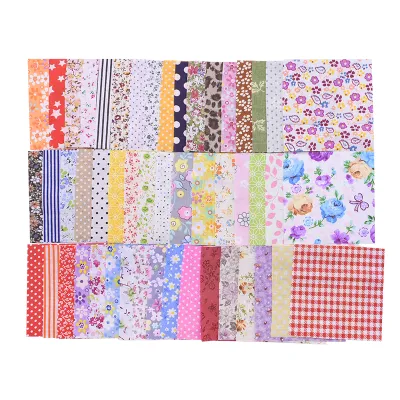
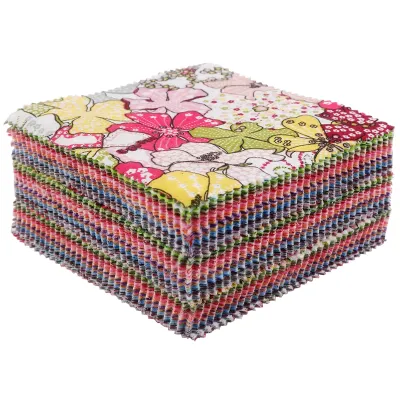
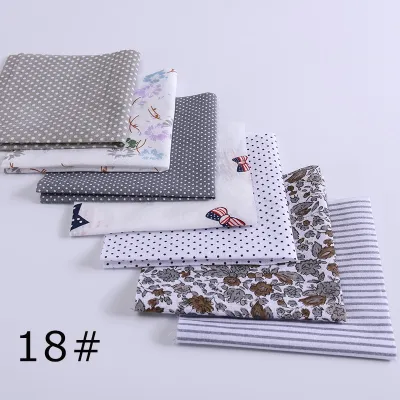
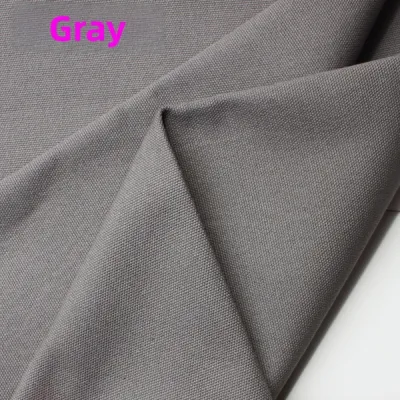
Prices are valid at publication and may change. Please refer to the product page for the latest price.
Natural cellulose fibers are inherently hydrophilic, meaning they readily absorb moisture. Cotton and linen draw perspiration away from the body and allow air to circulate freely through the weave, making them highly breathable. Polyester, by contrast, is hydrophobic; it repels water and resists absorption. While standard polyester can trap heat and moisture next to the skin, modern textile engineering allows polyester fibers to be extruded in specialized shapes that wick moisture away mechanically, which is why it is widely used in high-performance athletic wear.
Durability and structural memory also vary significantly across these three materials. Linen boasts exceptional tensile strength—it is stronger when wet than dry—but it lacks elasticity, meaning it retains creases easily and can break if folded repeatedly in the exact same spot. Cotton offers moderate durability and a softer, more pliable structure that tolerates frequent laundering but will eventually wear thin. Polyester features outstanding abrasion resistance and high elastic recovery, allowing it to retain its original shape, resist wrinkling, and withstand rigorous wear without tearing or thinning.
No single fiber is universally superior for every application. The optimal choice depends entirely on the mechanical demands, aesthetic goals, and environmental conditions of your project. A structured bag requires different physical properties than a flowing summer dress, making it essential to evaluate each material’s unique profile before cutting your pattern.
Cotton: Properties, Best Uses, and Sewing Considerations
Cotton is the world’s most widely used natural fiber, celebrated for its versatility, softness, and ease of handling. For beginners and experienced sewists alike, cotton is a highly cooperative material because it does not slip or stretch excessively under the sewing machine presser foot. It absorbs dyes beautifully, resulting in a vast array of vibrant prints and solid colors available on the market.

Despite its advantages, cotton has distinct physical limitations that must be managed during the design and construction phases. It is highly prone to wrinkling and can shrink significantly—sometimes up to 10%—during its first exposure to warm water and heat. Cotton also holds onto moisture longer than synthetic alternatives, which can lead to a damp feeling in humid environments if the fabric is heavy.
Ideal projects for cotton include everyday apparel like t-shirts, button-down shirts, and summer dresses, as well as quilting, bed linens, and lightweight home accessories. Heavyweight cotton varieties, such as canvas and denim, are excellent choices for structured utility items like tote bags, aprons, and cushion covers.
When purchasing cotton, always verify the fabric weight, which is typically measured in grams per square metre (GSM). Lightweight cottons like voile or lawn (80–100 GSM) drape softly, while medium-weight quilting cottons (140–160 GSM) offer more structure, and heavy canvas (280+ GSM) provides maximum rigidity. Additionally, look for labels indicating “mercerised” cotton, which has been treated to improve luster, dye affinity, and tensile strength, or “pre-shrunk” to minimize dimensional changes after sewing.
Linen: Properties, Best Uses, and Sewing Considerations
Linen is made from the cellulose fibers inside the stalks of the flax plant, resulting in a textile with a distinct, slightly irregular texture characterized by small bumps called slubs. It is prized for its exceptional breathability and rapid drying speed, making it one of the most comfortable fabrics for warm-weather wear. Linen also possesses natural luster and becomes significantly softer and more pliable with every wash cycle.
However, linen’s lack of elasticity makes it highly susceptible to sharp, persistent creases. While many appreciate this rumpled look as part of linen’s relaxed aesthetic, it makes the fabric unsuitable for highly structured, formal garments that require a crisp, unblemished finish. Furthermore, linen is prone to severe fraying along raw cut edges, and it generally commands a higher price per metre than cotton or polyester due to the labor-intensive cultivation of flax.
Linen is the premier choice for relaxed summer clothing, including loose-fitting trousers, breezy blouses, and unstructured jackets. In home decor, its durability and natural elegance make it ideal for heirloom-quality tablecloths, napkins, curtains, and tea towels.
To ensure success with linen, verify the weight class relative to your pattern: lightweight linens (100–130 GSM) suit delicate tops, while medium-to-heavyweight linens (180–250 GSM) are necessary for trousers, skirts, and light upholstery. Because linen frays easily, plan for wider seam allowances (such as 1.5 cm to 2 cm) and employ robust edge-finishing techniques like French seams, flat-felled seams, or overlocking to secure the raw edges before wear.
Polyester: Properties, Best Uses, and Sewing Considerations
Polyester is a synthetic fiber engineered for high performance, resilience, and cost-effectiveness. It resists wrinkling, retains its shape after washing, and dries incredibly quickly, making it a staple of modern garment manufacturing. Because polyester fibers are synthetic, they can be extruded into incredibly fine microfibers, mimicking the drape of silk or the warmth of wool at a fraction of the cost.
On the downside, standard polyester lacks the natural breathability of cotton and linen, which can lead to discomfort and heat retention in warm, stagnant air. It also has an affinity for oil-based stains, which can be difficult to extract once set, and it is highly sensitive to heat. Applying a hot iron directly to polyester can permanently melt, scorch, or glaze the fibers, leaving an unsightly shiny patch.
Polyester is highly suited for activewear, outer shell garments, rainwear, and travel clothing that must remain wrinkle-free. It is also excellent for bag linings, umbrellas, and outdoor cushions where water resistance and abrasion resistance are paramount.
For many everyday sewing projects, a poly-cotton blend (typically 65% cotton and 35% polyester, or a 50/50 mix) offers an ideal compromise. These blends combine the breathable comfort and soft hand of cotton with the wrinkle resistance, colorfastness, and structural stability of polyester. This makes them highly practical for school uniforms, everyday workwear, and low-maintenance home textiles.
How to Match Fabric Material to Your Project Requirements
Choosing the right fabric requires analyzing how the finished item will be used, laundered, and worn. By breaking down your decision into specific categories, you can select a material that aligns with your lifestyle and performance expectations.
Matching by Project Type and Structure
The silhouette of your project dictates the physical structure of the fabric you need. If you are sewing a structured item like a backpack, utility tote, or tailored jacket, you require a fabric with high tensile strength and minimal stretch, such as heavy cotton canvas or heavyweight polyester duck. Conversely, if your pattern calls for a flowing, gathered skirt or a soft cowl-neck blouse, you should select lightweight materials with a fluid drape, such as cotton voile, light linen, or a polyester crepe.
Matching by Climate and Comfort
In warm, humid climates like Singapore, fabric breathability and moisture regulation are critical for daily comfort. Natural fibers like linen and lightweight cotton excel in these conditions because they allow heat to escape and absorb sweat, keeping the skin dry. While standard polyester can feel stifling in tropical heat, engineered polyester athletic fabrics designed with moisture-wicking channels are highly effective for high-exertion sports, as they transport sweat to the outer surface of the garment where it evaporates rapidly.
Matching by Maintenance Willingness
Consider how much time you are willing to spend on garment care after construction. If you prefer a wash-and-wear lifestyle and dislike ironing, polyester and poly-cotton blends are the most practical choices. If you appreciate the organic, relaxed texture of natural creases and do not mind regular steaming or ironing, 100% linen or cotton will fit your routine perfectly.
Fabric Verification Checklist
Before purchasing fabric online or at a local shop, always verify the technical specifications rather than relying on generic names. Use this checklist to confirm your selection:
- Fiber Content: Check the exact percentages (e.g., 100% Cotton, 60% Cotton/40% Polyester) on the bolt label to anticipate shrinkage and drape.
- Fabric Width: Standard bolts typically measure either 110 cm (44 inches) or 150 cm (60 inches). Ensure the width matches your pattern layout requirements to avoid running short.
- Weight (GSM): Verify the weight class to ensure it matches the structural needs of the item.
- Care Symbols: Note the recommended washing, drying, and ironing instructions to ensure they align with your household laundry habits.
Pre-Washing, Sewing, and Care Guidelines by Material
Proper preparation and maintenance are vital to prevent sewing mishaps, such as warped seams or unexpected shrinkage, and to ensure your finished project lasts for years.
Pre-Washing Protocols
Always pre-wash cotton and linen before cutting your pattern pieces. Because these natural fibers shrink during their first exposure to water and heat, sewing them raw will result in a distorted, undersized garment after its first post-construction wash. Wash and dry them using the exact same settings you plan to use for the finished item. Polyester does not shrink significantly, but pre-washing is still recommended to remove chemical sizing agents, excess dyes, and manufacturing residues.
Sewing Adjustments and Tool Selection
Using the correct needle and thread prevents skipped stitches, fabric puckering, and thread breakage. Refer to the table below for recommended configurations:
| Fabric Material | Recommended Needle Type | Needle Size Range | Thread Recommendation |
|---|---|---|---|
| Cotton | Universal or Sharp | 70/10 (lightweight) to 90/14 (medium) | 100% Cotton or Polyester thread |
| Linen | Sharp / Microtex | 80/12 to 90/14 | Polyester thread (for strength and flexibility) |
| Polyester | Ballpoint (knits) or Microtex (wovens) | 70/10 to 80/12 | 100% Polyester thread |
Ironing and Heat Management
Managing heat during construction and daily maintenance is critical to avoid damaging your fabric.
- Cotton: Cotton can tolerate high heat and heavy steam. Pressing seams open with a hot iron is essential for achieving crisp, professional-looking edges.
- Linen: Linen requires high heat and abundant steam to release its deep creases. For the best results, iron linen garments while they are still slightly damp.
- Polyester: Polyester is highly sensitive to heat. Always use a low-to-medium iron setting and place a clean pressing cloth between the fabric and the iron soleplate to prevent melting, scorching, or creating shiny marks.
Safety Note: Before applying an iron or washing a newly purchased fabric, always test your heat and wash settings on a small, hidden scrap piece to observe how the fibers react.
Frequently Asked Questions (FAQ)
Can I mix cotton and polyester in the same sewing project?
Mixing 100% cotton and 100% polyester fabrics in a single project can lead to structural issues, such as puckered seams and uneven distortion, because the two materials shrink and stretch at different rates. If you must combine them—for example, using a polyester lining inside a cotton jacket—you must pre-wash and dry both fabrics thoroughly before cutting. This ensures that any potential shrinkage occurs independently before they are joined. Alternatively, using a pre-blended poly-cotton fabric throughout the project will provide uniform behavior and cleaner results.
How can I identify the fabric material if the label is missing?
If you are working with remnants or a mystery fabric from your stash, you can estimate its composition using tactile and visual observation. Linen typically features distinct, uneven slubs along its weave and has a cool, crisp feel that softens when handled. Cotton feels soft, matte, and slightly warm to the touch, and it wrinkles easily when compressed in your hand. Polyester often has a smoother, sometimes slightly slippery texture, a subtle synthetic sheen, and will spring back quickly with minimal creasing after being squeezed.
Avoid performing at-home burn tests. Burning synthetic fibers like polyester produces toxic fumes, dripping plastic, and intense heat, which present safety hazards and are difficult to interpret accurately without professional laboratory equipment.
Is a poly-cotton blend better than 100% cotton for beginners?
Both options are excellent for beginners, but they offer different advantages depending on your priorities. A poly-cotton blend is highly forgiving because it resists wrinkling, holds a pressed crease well, and experiences minimal shrinkage, making the finished item easier to wash and wear. However, 100% cotton (specifically medium-weight quilting cotton) is often considered the absolute best fabric for learning because it does not slip, stretch, or warp under the needle, allowing you to focus entirely on mastering straight seams and accurate seam allowances.

Community discussion
Share your experience or ask a question. Comments are reviewed before publication.