
Choosing the right crochet bag yarn is a balancing act between aesthetics, structural integrity, and practical maintenance. There is no single universal winner; the ideal choice depends entirely on the bag’s intended use, desired structure, and your care preferences. Cotton offers excellent stitch definition for everyday totes, acrylic provides lightweight versatility and vibrant colors, and raffia creates stiff, structured shapes perfect for seasonal accessories. By understanding how each fiber behaves under weight and use, you can select the right material and structural reinforcements for your specific project.
Understanding the Core Traits of Each Yarn Type
Before picking up a hook, it is essential to understand how the origin of a fiber influences its physical behavior. Yarn fibers generally fall into three categories: plant-based (like cotton), synthetic (like acrylic), and semi-synthetic or natural paper-based (like raffia). These origins dictate the drape, stiffness, and memory of the crocheted fabric, directly affecting how your finished bag will hold its shape when filled with daily essentials.
Every yarn manufacturer provides a paper banderol, or yarn label, wrapped around the skein. This label is your primary guide, detailing the exact fiber composition, weight category, and recommended care symbols. Checking this label before purchasing ensures you do not accidentally mix incompatible fibers or buy a material that requires dry cleaning for a bag meant for rugged daily use.
Products mentioned in this guide
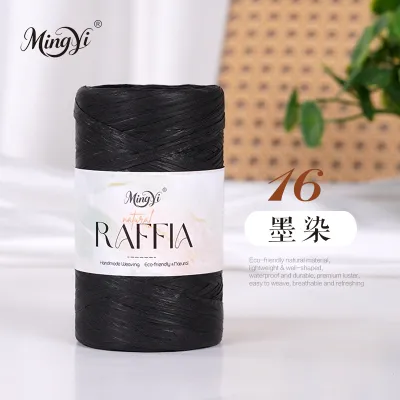
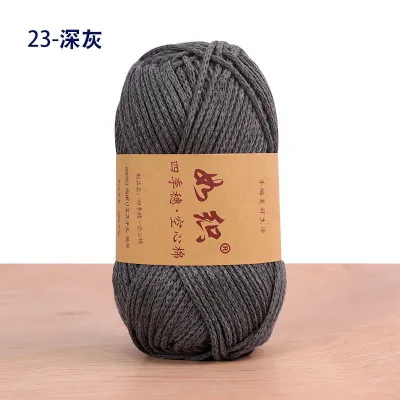
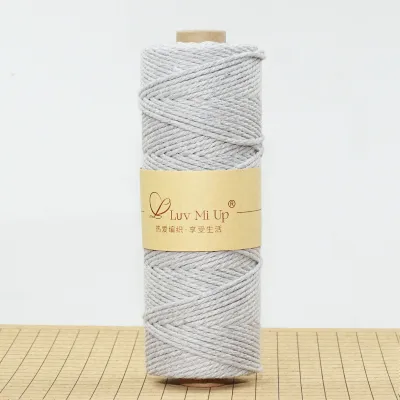
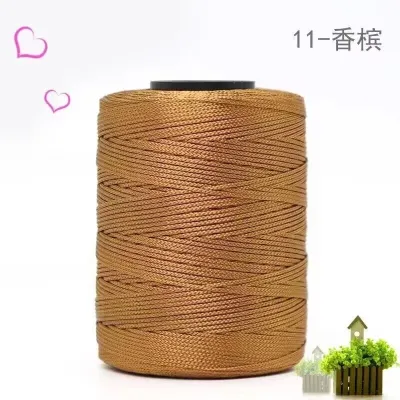
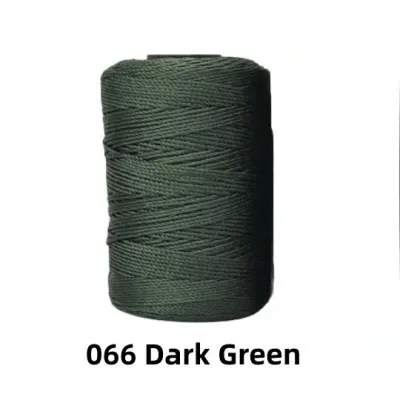
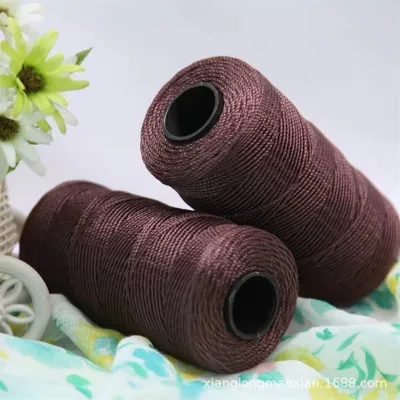
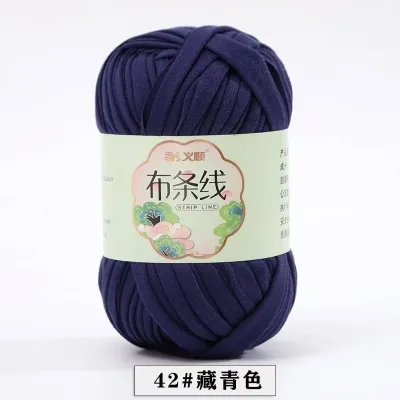
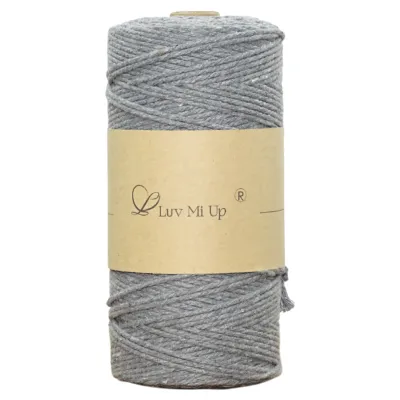
Prices are valid at publication and may change. Please refer to the product page for the latest price.
Cotton Yarn for Structure and Daily Use
Cotton is a plant-based fiber celebrated for its strength, inelasticity, and exceptional stitch definition. When crocheted, cotton yarn creates a dense, matte fabric that showcases intricate stitch patterns, such as cables or textured popcorn stitches, with remarkable clarity. This makes it a traditional favorite for market bags, beach totes, and daily handbags that need to withstand frequent handling.
However, because cotton lacks natural elasticity, it does not bounce back once stretched. If you load an unlined cotton bag with heavy items like books, water bottles, or groceries, the stitches will gradually elongate, causing the bag to sag over time. To prevent this, cotton bags often require a fabric lining or a highly dense stitch pattern to distribute weight evenly.
In terms of maintenance, cotton is highly durable and generally easy to clean. Many cotton yarns can be machine washed, making them highly practical for bags that touch public floors or outdoor benches. However, you must always verify the care symbols on the manufacturer’s label, as some dyed or mercerized cottons may require cold water or hand washing to prevent color bleeding and shrinkage.
Acrylic Yarn for Lightweight and Colorful Designs
Acrylic is a fully synthetic fiber made from petroleum-based polymers, offering a lightweight and highly accessible alternative to natural fibers. Because synthetic fibers can be dyed easily, acrylic yarn is available in an incredibly vast array of vibrant colors, gradients, and variegated patterns. This makes it an excellent choice for colorful statement bags, intricate tapestry crochet, and playful accessories.
Unlike cotton, acrylic possesses a high degree of inherent elasticity. While this elasticity makes the yarn comfortable to work with, it also means an acrylic bag is highly prone to stretching when carrying heavy loads. An unlined acrylic tote can quickly lose its shape, stretching downward under the weight of even moderate items.
Acrylic is naturally resistant to moths, mildew, and moisture, which is highly beneficial in humid climates like Singapore. However, synthetic fibers are sensitive to heat and can melt or deform if exposed to high temperatures. It is crucial to check the yarn label for washing and drying instructions, avoiding hot irons or high-heat dryer cycles that could permanently ruin the bag’s structure.
Raffia Yarn for Summer Styles and Stiff Shapes
Raffia yarn, whether made from natural palm leaves or synthetic wood-pulp viscose, is a flat, ribbon-like material that brings a rustic, organic aesthetic to crochet projects. It is exceptionally lightweight yet remarkably stiff, allowing crafters to create highly structured bags, such as summer clutches, wide-brimmed beach totes, and rigid bucket bags, that can stand upright on their own without internal support.
Crocheting with raffia requires a different technique than working with spun yarns. Because the ribbon-like strand does not stretch, pulling too tightly or using a hook with a sharp throat can cause the fiber to fray, split, or snap. Crafters must maintain a relaxed, even tension and use smooth, rounded hooks to glide through the stitches easily.
Raffia’s resistance to moisture depends heavily on its composition. Natural raffia can degrade or lose its shape if soaked, while high-quality viscose raffia may tolerate light moisture but still require careful handling. Always check the product packaging for specific cleaning guidelines, as most raffia bags are strictly spot-clean-only and cannot survive a washing machine.
Key Comparison Dimensions for Crochet Bags
To make an informed decision, you must compare these three materials across the practical dimensions of bag-making. Each fiber presents distinct trade-offs in durability, aesthetics, and maintenance that will directly impact the longevity of your finished accessory.

Durability & Shape Retention When it comes to carrying weight, cotton is structurally the strongest but will sag permanently if overloaded without a lining. Acrylic is highly elastic, meaning it will stretch significantly under weight but may partially recover its shape once emptied, though over time it will suffer from permanent distortion and pilling. Raffia offers the highest structural rigidity, maintaining its exact shape under light to moderate loads, but it lacks the tensile strength of cotton and can tear if subjected to sharp objects or extreme weight. Adding a fabric lining or a rigid plastic canvas base is highly recommended for both cotton and acrylic to preserve their shapes.
Aesthetics & Stitch Definition The visual appeal of your bag depends on the texture of the yarn. Cotton provides a clean, matte, and classic look with crisp stitch definition, making it ideal for geometric patterns and lace designs. Acrylic has a softer, slightly fuzzy texture that can give bags a cozy, casual appearance, though low-quality acrylics may pill quickly with friction. Raffia delivers a distinct, textured, and semi-matte finish that instantly evokes a tropical, summery vibe, perfect for vacation accessories.
Care & Maintenance Bags are subjected to dirt, sweat, and spills, making washability a key factor. Cotton is generally the easiest to maintain, often surviving standard washing cycles. Acrylic is also highly washable but must be kept away from heat sources to prevent fiber damage. Raffia is the most delicate in terms of cleaning, usually restricted to gentle spot cleaning with a damp cloth. Always refer to the manufacturer’s yarn banderol to confirm the exact care instructions for your specific skein.
| Material | Primary Use | Durability & Shape Retention | Stitch Definition | Care & Maintenance |
|---|---|---|---|---|
| Cotton | Everyday totes, market bags, structured handbags | High strength; prone to sagging under heavy loads without lining | Excellent, crisp, and matte | Often machine washable (Check Manufacturer Label) |
| Acrylic | Lightweight bags, colorful pouches, tapestry crochet | Moderate strength; highly elastic and prone to stretching | Soft, defined, but prone to pilling | Machine washable, heat-sensitive (Check Manufacturer Label) |
| Raffia | Summer clutches, beach totes, structured bucket bags | High rigidity; low elasticity; can tear under extreme weight | Textured, rustic, and flat | Spot clean only; avoid soaking (Check Manufacturer Label) |
Matching Yarn to Your Bag's Intended Use
Selecting the right yarn is a matter of matching the material’s natural properties to the functional demands of your bag design. By using a conditional framework, you can avoid project failure and ensure your handmade bag serves its purpose beautifully.
Choose Cotton if: You are designing an everyday tote, a heavy-duty grocery bag, or a daily backpack. Cotton’s strength ensures the straps will not snap, and its stitch definition makes intricate patterns pop. To make the bag truly functional for heavy items like laptops or books, plan to sew a cotton or canvas lining inside to absorb the weight.
Choose Acrylic if: You want to crochet a lightweight, colorful market bag, a casual drawstring pouch, or a beginner-friendly project on a budget. Acrylic is highly forgiving to work with and offers endless color combinations. Ensure you use a tight stitch pattern, like single crochet, to minimize stretching, and check the label to ensure the yarn is machine washable for easy care.
Choose Raffia if: You are crafting a structured summer clutch, a beach tote, or a rigid bucket bag that needs to stand on its own. Raffia’s natural stiffness eliminates the need for heavy internal stabilizers, giving you that classic woven look. Keep the bag’s contents relatively light to protect the delicate fibers from snapping.
Verify First if: You plan to blend different fibers or use novelty yarns. Mixing a stiff cotton with a stretchy acrylic in the same bag can lead to uneven stretching and distortion. Always crochet a small gauge swatch, wash it according to the label instructions, and hang it with a small weight attached to observe how the fabric drapes, stretches, and interacts with any planned hardware before committing to the full project.
Essential Tools and Notions for Each Material
The success of your crochet bag does not rely on yarn alone; the tools and structural notions you use are just as critical to the final outcome. Using the correct accessories will elevate your project from a simple craft to a durable, professional-grade accessory.
Hook Selection While every yarn label recommends a specific hook size, bag-making often requires a different approach. To create a dense, sturdy fabric that prevents items from slipping through the stitches, it is highly recommended to size down your crochet hook by 0.5 mm to 1.0 mm from the manufacturer’s recommendation. For cotton and acrylic, a smooth aluminum or ergonomic hook helps maintain tight tension without hand fatigue. For raffia, a smooth, rounded plastic or polished wood hook is ideal to prevent the flat ribbon from catching and tearing.
Structural Additions To overcome the natural limitations of yarn, structural notions are invaluable. Adding a pre-cut acrylic or vegan leather bag base to the bottom of your tote provides an instant foundation, preventing the bottom from sagging into a cone shape. For cotton and acrylic bags, sewing in a fabric lining made of cotton calico or polyester lining fabric is the single best way to eliminate stretch. If you want a slouchy bag to have more body, you can iron fusible interfacing onto the lining fabric before sewing it into the bag.
Hardware & Handles The handles of a bag bear the brunt of the daily load. While you can crochet handles directly onto the bag, they are the first part to stretch and wear out. Consider using pre-made handles made of leather, bamboo, or rigid acrylic rings. When attaching these handles, use sturdy metal D-rings and secure them with reinforced stitching or metal rivets. This ensures the weight of the bag’s contents is transferred directly to the hardware rather than pulling on and distorting the delicate crochet stitches.
Frequently Asked Questions (FAQ)
Does acrylic yarn stretch too much for a bag?
Yes, acrylic yarn has a high level of natural elasticity, which causes it to stretch significantly under weight. If you use acrylic for a bag, the straps and body will elongate when loaded with heavy items. To mitigate this, use a smaller hook to create a very tight, dense stitch pattern, choose stitch designs that minimize stretch (such as thermal stitch or dense single crochet), and always line the bag with a non-stretch fabric to support the weight.
How do I prevent a cotton crochet bag from sagging?
While cotton is stronger and less elastic than acrylic, it will still sag under heavy loads because the crochet stitches themselves can slide and elongate. To prevent sagging, you should line the interior of the bag with a sturdy, non-stretch fabric like canvas or cotton broadcloth. Additionally, you can reinforce the bottom of the bag with a rigid plastic canvas or a dedicated leather bag base, and use dense, compact stitches rather than loose, open lace patterns.
Can I use raffia yarn for a bag that needs to hold heavy items?
Raffia is highly structured but has limited tensile strength compared to cotton, meaning it can snap or tear under extreme weight or sharp tension. It is not recommended for carrying heavy items like laptops or heavy groceries. If you must carry moderately heavy items in a raffia bag, reinforce the structure by using a solid, pre-made bag base, lining the interior with a strong fabric, and securing the handles with metal hardware or leather straps that distribute the weight evenly across the bag’s frame.

Community discussion
Share your experience or ask a question. Comments are reviewed before publication.