
Cotton voile fabric is a staple in lightweight garment construction and delicate home textiles, prized for its exceptional breathability, soft hand feel, and elegant drape. Woven from highly twisted cotton yarns in a simple plain-weave pattern, this semi-sheer material offers a unique combination of airy comfort and subtle crispness. Whether you are designing a flowing summer dress, crafting delicate curtains to filter tropical sunlight, or selecting a breathable lining for a structured garment, understanding the physical properties of cotton voile is the first step toward a successful sewing project.
Understanding the Defining Traits of Cotton Voile Fabric
To identify genuine cotton voile, one must look closely at its structural composition. The defining feature of voile lies in its yarn construction. Manufacturers use high-twist yarns, which are spun much tighter than the yarns used in standard cotton fabrics. This high twist gives the individual threads a rounder, smoother profile and a resilient quality. When these yarns are woven into a plain-weave pattern—where the warp and weft threads cross in a simple over-under sequence—the result is a fabric that feels remarkably soft against the skin yet retains a distinct, springy crispness.
This structural combination directly influences how the fabric behaves. Cotton voile is incredibly lightweight, typically weighing between 50 to 80 grams per square meter. This low weight, combined with the fine yarn diameter, creates a semi-sheer transparency. When held up to the light, you can easily see silhouettes through a single layer of voile. Despite this lightness, the fabric does not hang limply. Instead, it possesses a fluid, graceful drape that moves beautifully with the body, making it highly sought after for garments that require motion and volume without bulk.
Products mentioned in this guide
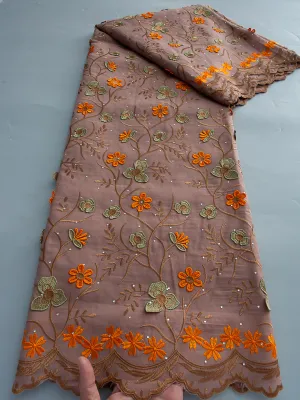
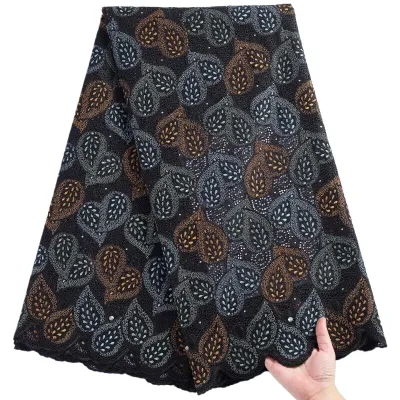
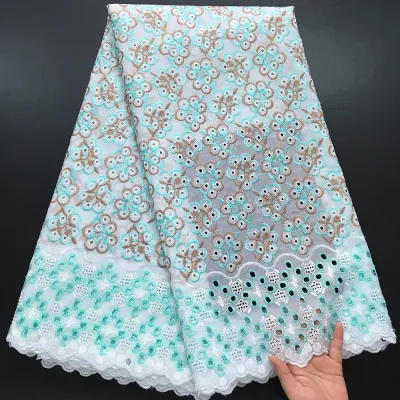
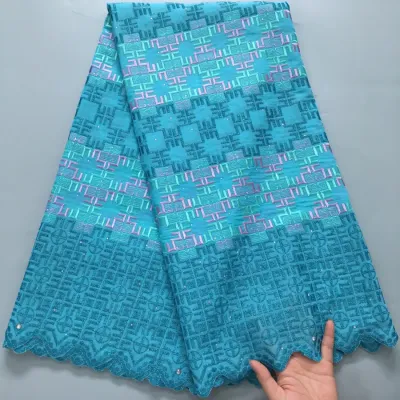
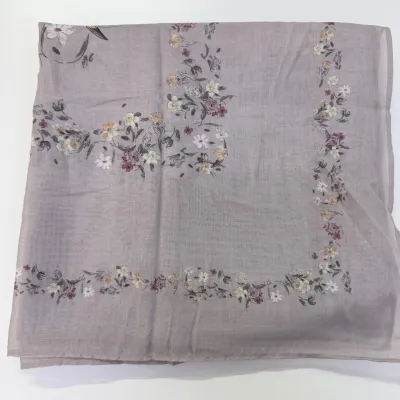
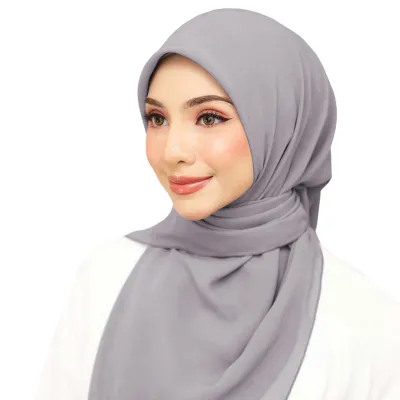
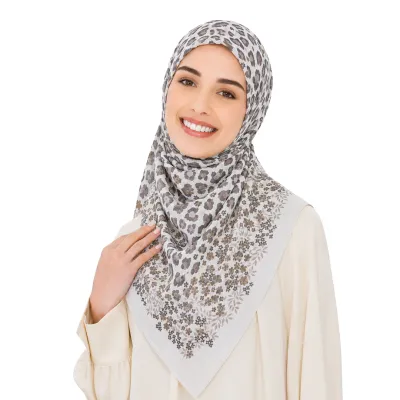
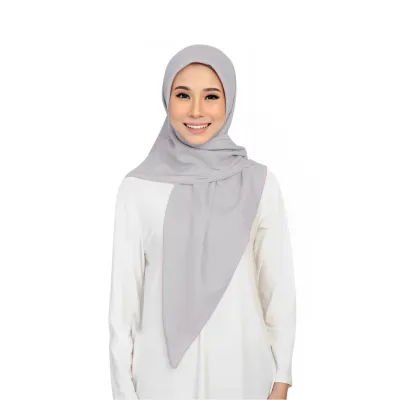
Prices are valid at publication and may change. Please refer to the product page for the latest price.
The finish applied to the fabric also plays a significant role in its final appearance and performance. Many high-quality cotton voiles undergo a process known as mercerization. This treatment swells the cotton fibers, straightening them out and increasing their surface area. As a result, mercerized cotton voile exhibits a subtle, elegant sheen rather than a completely matte finish. This process also strengthens the fibers, improves their dimensional stability, and enhances their dye absorption, allowing the fabric to hold rich, vibrant colors and intricate printed patterns through repeated washings.
Comparing Cotton Voile to Other Lightweight Cottons
When browsing fabric stores, it is easy to confuse cotton voile with other lightweight cotton options like lawn, batiste, and muslin. However, each of these materials has distinct characteristics that alter how they drape, sew, and wear.

Cotton lawn is perhaps the closest relative to voile, but it differs in its yarn and weave density. While voile uses high-twist yarns for a slightly crisp, fluid drape, lawn is made from combed, high-count yarns woven much more tightly. This dense weave makes cotton lawn smoother, silkier, and significantly more opaque than voile. Lawn also has a crisper, more structured drape, making it excellent for tailored shirts and pleated dresses, whereas voile is preferred for gathered, flowing designs.
Cotton batiste is another lightweight alternative, but it leans toward softness rather than crispness. Traditionally woven with uncombed yarns, batiste is mercerized to achieve a soft, delicate finish. It is generally lighter and softer than voile, with a less resilient drape. Because of its gentle texture, batiste is frequently used for heirloom sewing, baby clothes, and lightweight linings where next-to-skin comfort is the absolute priority.
In contrast, cotton muslin and cotton gauze represent looser, more utilitarian weaves. Muslin is a plain-weave fabric that comes in various weights, but even its lighter versions have a coarser, more uneven texture compared to the refined surface of voile. Muslin is often used for drafting patterns or as a utility fabric. Cotton gauze, on the other hand, features a very loose, open weave, often with a crinkled or double-layered structure, offering a highly textured look that lacks the smooth, semi-sheer elegance of voile.
To help you quickly distinguish between these fabrics during your next project planning session, refer to the comparison table below:
| Fabric Type | Weave Structure | Relative Weight | Opacity | Drape Quality | Ideal Applications |
|---|---|---|---|---|---|
| Cotton Voile | Plain weave, high-twist yarns | Very lightweight | Semi-sheer | Fluid, graceful, slightly crisp | Flowing dresses, blouses, sheer curtains, overlays |
| Cotton Lawn | Tight plain weave, combed yarns | Lightweight | Semi-opaque to opaque | Crisp, smooth, structured | Tailored shirts, structured dresses, children's wear |
| Cotton Batiste | Plain weave, mercerized finish | Extremely lightweight | Semi-sheer to semi-opaque | Very soft, gentle, limp | Heirloom garments, baby clothes, lightweight linings |
| Cotton Muslin | Loose plain weave, uncombed yarns | Lightweight to medium | Semi-opaque to opaque | Stiff, utilitarian, textured | Pattern drafting, backings, casual utility wear |
Deciding If Cotton Voile Fits Your Sewing Project
Choosing the right fabric depends entirely on matching its physical properties to the functional demands of your project. Cotton voile excels in applications where movement, breathability, and light filtration are desired. It is an exceptional choice for flowing summer apparel, such as gathered skirts, peasant blouses, tiered maxi dresses, and beach cover-ups. In home decor, its semi-sheer nature makes it perfect for airy window treatments, allowing natural daylight to filter into a room while maintaining a basic level of daytime privacy. It also serves beautifully as a breathable lining for garments made from heavier or scratchier fabrics.
Conversely, cotton voile is poorly suited for projects that require structural support or complete opacity. If you are planning to sew a structured blazer, tailored trousers, or a heavy-duty tote bag, voile will not provide the necessary stiffness or durability. Additionally, because of its semi-sheer quality, garments made from voile often require a lining, an undergarment, or strategic layering to ensure modesty, which is an important consideration during the design phase.
When working with cotton voile on your sewing machine, a few adjustments will ensure smooth handling. Because the fabric is fine and slightly slippery, it can easily slip during cutting and stitching. Using fine sewing pins or pattern weights, along with a sharp rotary cutter, will help maintain accuracy. You should also equip your machine with a fine needle, such as a size 60/8 or 70/10 universal or microtex needle, to prevent punching large holes in the delicate weave. Adjusting your tension and using a shorter stitch length will also help prevent the seams from puckering.
Verifying Fabric Quality and Following Care Instructions
Before purchasing cotton voile for your project, it is essential to verify its quality to ensure it will perform well over time. Always check the fabric bolt or online product description for the exact fiber content. While pure cotton voile is the standard, some varieties are blended with silk, rayon, or polyester. A silk-voile blend offers enhanced sheen and drape, while a polyester blend may reduce wrinkling but compromise breathability. Look for clear care symbols and fiber percentages to confirm you are getting the exact material your project requires.
Performing a quick visual and tactile inspection can reveal a lot about the fabric’s quality. Hold a section of the voile up to a light source to check the consistency of the weave. The threads should be evenly spaced without noticeable gaps, thick slubs, or thin patches, which can weaken the fabric. Run your hand over the surface to ensure it feels smooth and free of rough spots or manufacturing flaws. If you plan to dye, paint, or use fabric markers on the material, testing a small scrap first is highly recommended to observe how the specific fiber blend and finish react to your chosen medium.
Proper care is vital to maintaining the delicate texture and longevity of cotton voile. Because cotton is prone to shrinkage, always pre-wash your fabric before cutting out your pattern pieces. Follow the manufacturer’s care instructions, which generally recommend washing in cool or warm water on a gentle cycle with a mild detergent. To dry, line drying is the gentlest option and helps prevent deep wrinkles, though a low-temperature tumble dry is usually acceptable. When ironing, use a medium-to-high steam setting, but always test a scrap first to ensure the heat does not scorch the fine fibers.
Frequently Asked Questions (FAQ)
Is cotton voile good for summer clothing?
Yes, cotton voile is an exceptional choice for summer clothing, particularly in warm and humid climates like Singapore’s. The natural cotton fibers are highly breathable, allowing air to circulate freely and moisture to evaporate quickly from the skin. This keeps the wearer cool and comfortable even on hot days. However, because of the fabric’s semi-sheer nature, you may need to incorporate a lining, wear appropriate undergarments, or design garments with multiple layers or gathers to ensure adequate coverage.
Does cotton voile fray easily when sewing?
Because cotton voile is a lightweight, plain-weave fabric made from fine yarns, its cut edges are highly prone to fraying during handling and washing. To prevent your seams from unraveling over time, it is important to use secure seam finishes. French seams are highly recommended for voile, as they completely encase the raw edges within a neat, professional fold that looks beautiful through the semi-sheer fabric. Alternatively, you can finish the edges using a serger, a zigzag stitch, or pinking shears depending on your project’s requirements.
Community discussion
Share your experience or ask a question. Comments are reviewed before publication.