
Cotton lining fabric is a lightweight, breathable, and finely woven textile designed specifically to line the interior of garments. Unlike standard apparel cotton or heavy quilting fabrics, lining-specific cotton weaves prioritize a smooth texture, minimal bulk, and exceptional comfort against the skin. Choosing the right lining is a critical step in garment construction, as it directly influences how a finished piece drapes, breathes, and holds its shape over time.
For sewing enthusiasts and dressmakers, cotton lining serves as an excellent natural alternative to synthetic options like polyester or acetate. It is particularly valued in warm, humid climates, such as Singapore’s tropical weather, where managing heat and moisture is essential for daily comfort. By understanding the unique structural properties of different cotton weaves, you can select the ideal lining to elevate your next sewing project.
Understanding Cotton Lining Fabric and Its Core Structure
Lining-specific cotton is distinguished from standard utility cotton by its construction. It is woven from finer, high-twist yarns, resulting in a fabric that is significantly lighter and less bulky than typical dressmaking cottons. This fine structure allows the lining to sit cleanly inside a garment without distorting the silhouette or adding unwanted stiffness to the outer shell.
Products mentioned in this guide
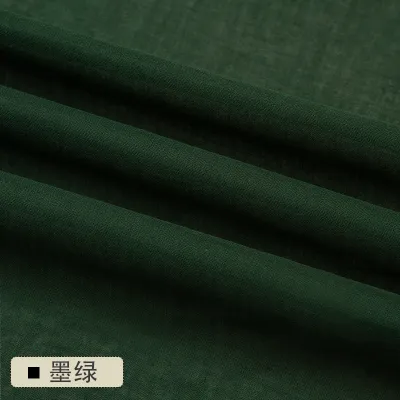

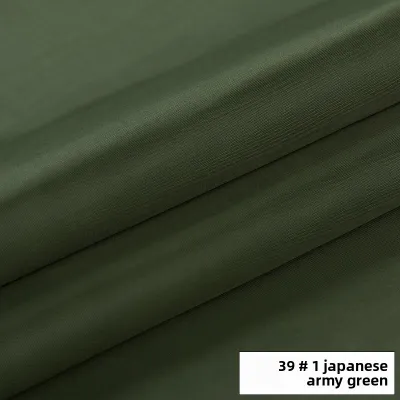
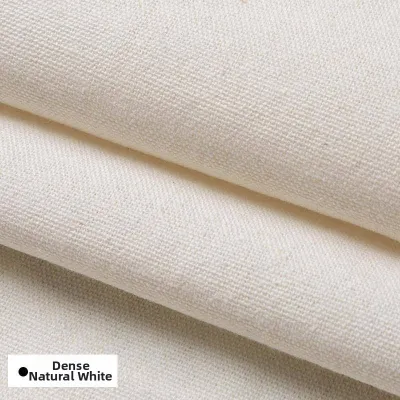
Prices are valid at publication and may change. Please refer to the product page for the latest price.
At a microscopic level, the natural cellulose fibers of cotton are hollow, which allows them to absorb moisture and permit airflow. When woven into lightweight structures, these fibers create a fabric that breathes naturally with the body. This structural behavior makes cotton linings highly comfortable for garments worn directly against the skin, providing a soft, non-irritating barrier.
In garment construction, the lining performs several essential roles. It conceals raw seams and internal construction details like interfacing or pocket bags, giving the inside of the garment a clean, professional finish. Additionally, a well-fitted lining protects the outer fabric from body oils and perspiration, extending the overall lifespan of your handmade wardrobe.
Evaluating Cotton Properties for Your Specific Garment Needs
When deciding whether cotton is the right lining material for your project, you must evaluate how its natural properties align with the functional demands of the garment. Breathability and moisture absorption are among cotton’s greatest strengths. For close-to-skin applications, such as summer dresses, lightweight blouses, or children’s clothing, cotton lining excels at absorbing perspiration and keeping the wearer cool and dry.

Another significant advantage of cotton is static control. Unlike synthetic linings made of polyester or nylon, natural cotton fibers do not readily build up static electricity. This resistance to static prevents the garment from clinging uncomfortably to your skin or tights, ensuring a more comfortable and predictable fit throughout the day.
However, cotton does have specific physical limitations, particularly regarding friction and slip. Cotton lacks the slippery, slick surface characteristic of rayon, silk, or polyester linings. Because of this higher surface friction, a cotton-lined sleeve can drag against other clothing, making it difficult to slide a jacket or coat on and off. For this reason, cotton lining is best suited for sleeveless garments, loose-fitting dresses, skirts, and vests rather than tight-fitting outerwear sleeves.
Additionally, you must anticipate cotton’s natural tendency to wrinkle and shrink. Because natural cellulose fibers swell when wet, cotton lining will inevitably shrink during its first wash. If the lining shrinks at a different rate than the outer fabric, it can cause the seams of the finished garment to pucker and pull. Proper pre-treatment and careful fabric matching are essential to mitigate these natural behaviors.
Comparing Lightweight Cotton Weaves for Lining Applications
Not all cotton fabrics are suitable for lining. To achieve a professional result, you must match the weight and drape of your lining to the characteristics of your outer fabric. Three primary lightweight cotton weaves are commonly used for lining applications: cotton voile, cotton lawn, and cotton batiste.
Cotton voile is an ultra-lightweight, semi-sheer fabric with a highly fluid drape. It is woven from tightly twisted yarns, giving it a slightly crisp yet soft hand. Voile is the ideal choice for lining delicate, flowing outer fabrics where you want to maintain maximum movement without adding any structural stiffness.
Cotton lawn is slightly more structured than voile, featuring a high thread count and a smooth, silky surface. It is lightweight but opaque, offering excellent coverage while remaining incredibly soft. Lawn is highly versatile and works beautifully as a lining for structured cotton dresses, lightweight linen garments, and summer trousers.
Cotton batiste is a soft, plain-weave fabric that is slightly more opaque than voile but lighter than lawn. It has a delicate, mercerized finish that feels exceptionally smooth against the skin. Batiste provides a wonderful balance of softness and light structure, making it a popular choice for lining heirloom garments, baby clothes, and lightweight wools.
To help you select the right weave, the table below maps these common cotton lining fabrics to their physical characteristics and ideal pairings:
| Fabric Type | Weight | Drape | Ideal Outer Fabric Pairings | Handling Notes |
|---|---|---|---|---|
| Cotton Voile | Ultra-lightweight | Fluid, soft, semi-sheer | Silk, lightweight linen, sheer cottons | Requires fine needles (size 60/8 or 70/10) to prevent snagging |
| Cotton Lawn | Lightweight | Crisp, smooth, opaque | Structured cotton, medium linen, wool crepe | Easy to cut and sew; holds pressed creases exceptionally well |
| Cotton Batiste | Lightweight | Soft, semi-fluid, opaque | Lightweight wool, chambray, rayon | Soft texture; press carefully to avoid stretching the grain |
A Practical Checklist for Matching Lining to Your Main Fabric
To ensure your cotton lining complements your outer fabric without compromising the garment’s fit, drape, or care, follow this practical decision-making checklist before cutting into your materials:
- Verify Weight and Opacity: The lining fabric must always be lighter than or equal to the weight of the outer fabric. To test for color show-through, layer your lining fabric beneath the outer fabric and hold them up to natural light. Ensure the lining color does not shadow through or alter the intended hue of the outer garment.
- Assess Friction and Smoothness: Perform a simple hand-slide test. Rub the lining fabric against the clothing you plan to wear underneath the finished garment. If the fabrics cling or drag against each other, consider using a silk or rayon lining instead, or restrict the cotton lining to areas of the garment that do not experience high friction.
- Confirm Shrinkage Compatibility: Both the outer fabric and the lining must be pre-treated to ensure they shrink compatibly. If you pair a high-shrinkage cotton lining with a low-shrinkage synthetic outer fabric without pre-washing, the lining will pull and distort the garment after the first wash.
- Align Care Labels: Ensure the washing, drying, and ironing requirements of both fabrics are fully compatible. For example, if your outer fabric is dry-clean-only, the entire garment must be dry-cleaned, meaning the cotton lining must also tolerate dry-cleaning solvents without losing its color or texture.
- Conduct a Physical Drape Test: Pin a generous swatch of your outer fabric to a swatch of your chosen cotton lining. Drape them over your hand or a dress form to observe how they move together. Check for any unwanted stiffness, bubbling, or pulling that suggests the lining is too heavy or rigid for the outer shell.
Essential Preparation and Care Steps for Cotton Linings
Proper preparation is the key to a successful sewing project when working with lightweight cotton linings. Because cotton is prone to significant shrinkage, you must pre-wash the lining fabric before cutting out your pattern pieces. Use the exact washing and drying cycle that you plan to use for the finished garment. If you intend to machine-wash and tumble-dry the finished piece, wash and dry the raw lining fabric the same way to eliminate all potential shrinkage.
Due to the fine, lightweight nature of lining weaves like voile and lawn, the raw edges of the fabric can fray easily during handling and wear. To prevent fraying without adding bulk to your seams, use clean seam-finishing techniques. French seams are highly recommended for lightweight linings as they completely enclose the raw edges within a delicate, professional fold. Alternatively, you can finish the edges using pinking shears or a clean overlock stitch.
Pressing is equally important during both construction and daily care. Always test your iron’s heat and steam settings on a scrap piece of your lining fabric first. Because lightweight cotton can scorch easily under high heat, use a medium-hot iron and a clean pressing cloth if necessary. Pressing your seams flat and then to one side as you sew ensures that the lining sits perfectly flat inside the garment, preventing any bulky ridges from showing on the outside.
Frequently Asked Questions (FAQ)
Is standard quilting cotton suitable for garment lining?
Standard quilting cotton is generally not suitable for garment lining because it is too heavy, stiff, and bulky. Quilting cotton is designed to have structure and body, which can ruin the natural drape and movement of apparel fabrics. Using it as a lining often results in a stiff, uncomfortable garment that feels bulky and restrictive to wear. For a professional finish, always choose lightweight, lining-specific weaves like cotton voile, lawn, or batiste.
Will a cotton lining eliminate static cling in synthetic garments?
While cotton is a natural fiber that does not generate static electricity on its own, lining a synthetic garment with cotton may not entirely eliminate static cling. If the outer fabric is a highly static-prone synthetic like polyester, friction between the synthetic outer shell and the cotton lining can still generate some static in dry conditions. However, a cotton lining will significantly reduce overall static cling compared to using a fully synthetic polyester lining.
What is the safest way to pre-wash cotton lining before sewing?
The safest way to pre-wash cotton lining is to mimic the care routine of the finished garment while protecting the delicate weave. Wash the fabric in cool or warm water on a gentle cycle using a mild, liquid detergent. To prevent the fine edges from tangling or fraying excessively in the machine, you can place the folded fabric inside a mesh laundry bag. Air-drying is highly recommended to preserve the fibers, though you can tumble-dry on low heat if that is how you plan to care for the completed garment.
Community discussion
Share your experience or ask a question. Comments are reviewed before publication.