
Selecting the right cotton lace yarn for delicate projects like doilies, shawls, or lightweight garments requires balancing softness, stitch definition, and budget. Because specific brand performance can vary by batch, dye lot, and individual knitting tension, this guide provides a framework to evaluate available options based on fiber labels, twist, and yardage. Rather than declaring a single universal winner, you will learn how to compare the yarn profiles offered by different brands to find the best match for your specific project requirements.
When working on intricate lace patterns, the yarn you choose dictates not only the ease of your knitting experience but also the longevity and appearance of the finished piece. Cotton is a popular choice for its breathability, strength, and stitch clarity, making it ideal for warm-weather accessories and heirloom home decor. However, not all cotton yarns are created equal, and understanding the structural differences between various brand offerings is the first step toward a successful project.
Key Factors for Evaluating Cotton Lace Yarn
To make an informed decision when browsing yarn options, you must first understand the physical and structural traits that dictate how a lace yarn behaves on your needles. The primary distinction lies in the fiber treatment, specifically whether the cotton is mercerized or unmercerized. Mercerization is a chemical process that treats cotton fibers with sodium hydroxide, causing them to swell, which increases their luster, dye affinity, and tensile strength. Unmercerized cotton, on the other hand, remains in its natural state, offering a matte finish and a much softer, more absorbent texture.
Products mentioned in this guide
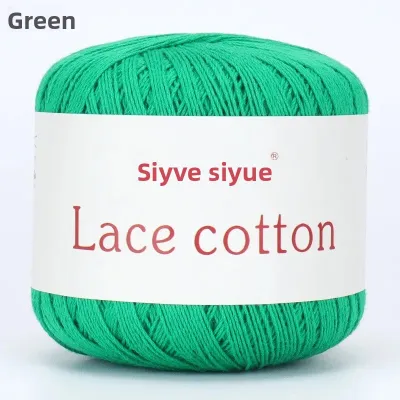
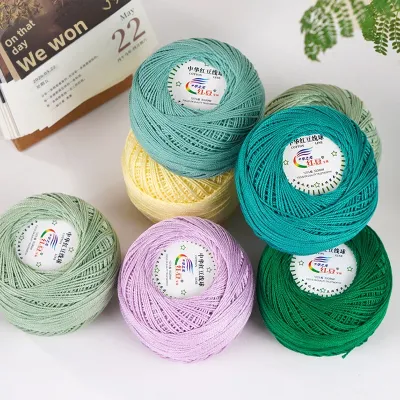
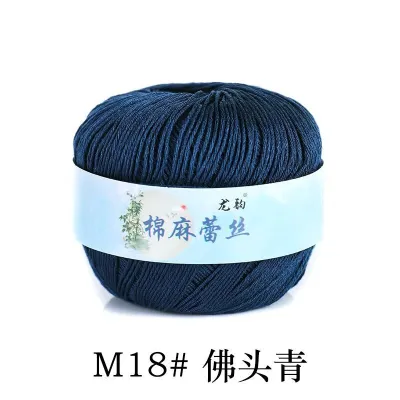
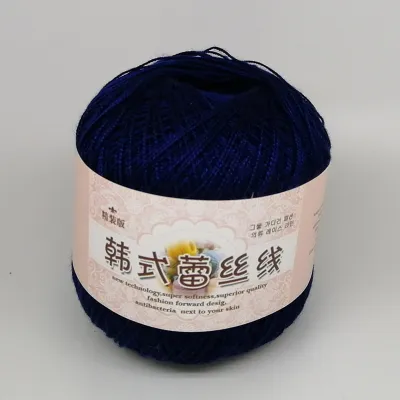
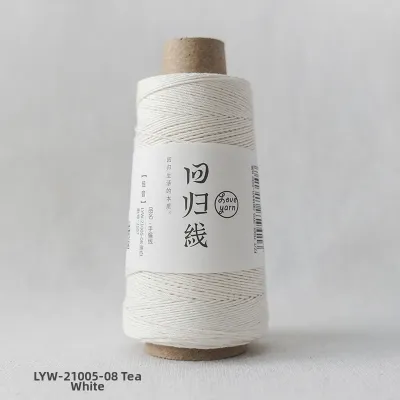
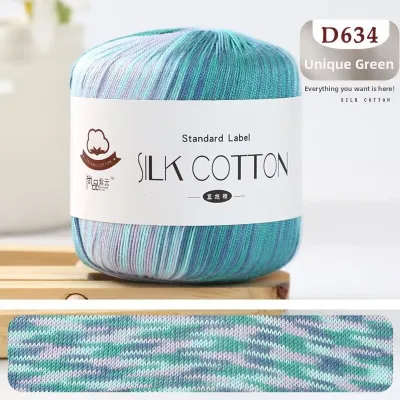
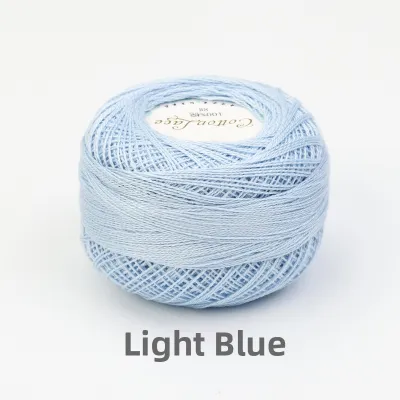
Prices are valid at publication and may change. Please refer to the product page for the latest price.
Yarn weight and ply structure also play critical roles in the durability and appearance of your lace. Lace weight yarn is exceptionally fine, often classified under standard yarn weight systems as size 0. When evaluating different brands, checking the wraps per inch (WPI) is a reliable way to compare thicknesses, as “lace weight” can span a wide range from cobweb-fine threads to slightly thicker heavy-lace options. A higher ply count, such as a 3-ply or 4-ply construction, generally provides better structural integrity and roundness, which directly translates to cleaner stitch definition.
The level of twist applied during the spinning process is another essential trade-off to consider. High-twist yarns are spun tightly, which binds the individual fibers closely together to enhance stitch definition and prevent the yarn from splitting during complex decreases. However, this tight twist can make the yarn feel stiff in the hand. Conversely, low-twist yarns are softer and offer a more fluid drape, but they are highly prone to splitting when met with sharp needle tips and may lose their shape over time.
Comparing Cotton Lace Yarn Profiles and Brand Traits
When comparing the cotton lace yarn profiles offered by various brands, you will generally find that manufacturers specialize in either highly structured, mercerized crochet-style threads or softer, garment-focused unmercerized yarns. Mercerized cotton profiles are characterized by a distinct, glassy sheen and a crisp, cord-like structure. Brands that produce these yarns focus on durability and stitch clarity, making them the traditional choice for intricate doilies, table runners, and structural lace motifs that need to hold their shape under tension. The trade-off is an initially stiff drape that requires washing to soften.

In contrast, unmercerized or organic cotton profiles prioritize a soft hand feel and a muted, matte finish. These yarns are typically spun with a looser twist to maximize the natural softness of the cotton fiber. While they excel in comfort and are highly suitable for items worn close to the skin, such as summer camisoles, shawls, and baby garments, they often lack the rigid stitch definition required for highly structured lace. Over time, unmercerized cotton garments may stretch or sag slightly under their own weight, a characteristic that must be factored into your pattern selection.
To help guide your selection, consider this decision framework based on your project’s end use:
- Choose a mercerized cotton profile if: You are knitting home decor items, structured lace collars, or projects with highly complex, geometric lace patterns where every yarn over and decrease must stand out sharply.
- Choose an unmercerized or organic cotton profile if: You are crafting wearable garments, lightweight scarves, or baby items where next-to-skin softness, breathability, and a relaxed, flowing drape are your primary goals.
- Choose a cotton-blend profile if: You want to introduce more elasticity, a subtle halo, or a lighter overall weight to a flowing garment project by selecting a blend of cotton with bamboo, silk, or acrylic.
How to Verify Quality Before Buying
Equipping yourself with the skills to assess yarn quality before making a purchase can save you hours of frustration. When shopping, always begin by thoroughly reading the ball band. The label provides crucial information, including the exact fiber percentage, recommended needle or hook sizes, and the total meterage or yardage relative to the ball weight. For delicate lace projects, look for clear indications of the yarn’s weight class and care instructions, as some delicate cotton blends may require hand washing while pure mercerized cotton can often withstand gentle machine cycles.
Next, inspect the physical construction of the skein or ball. Look for consistent ply twist and uniform thickness throughout the visible portions of the yarn. High-quality brands maintain strict quality control to ensure there are no sudden thick-and-thin sections, which can disrupt the gauge of your lace. Additionally, check for knot frequency; while an occasional knot is acceptable in commercial yarn, a high-quality skein should ideally contain no knots, allowing you to work continuously without having to join new yarn mid-row in a complex lace pattern.
Finally, evaluate colorfastness and behavior by ordering a single sample skein before committing to a large-scale project. This is particularly important for deep, saturated colors like reds, blues, or blacks, which are more prone to dye bleeding. Knit a small gauge swatch, measure it, and then wash and block it according to the label instructions. This trial allows you to observe any color bleeding, verify the post-wash stitch definition, and calculate your exact gauge to ensure the finished project matches your expectations.
Calculating Value and Yardage for Lace Knitting
Understanding how to estimate the true cost and yardage requirements of your project ensures you purchase enough yarn from the same dye lot without overspending. When comparing different brands, do not rely solely on the price per ball. Instead, calculate the meterage per gram to determine the actual value. For example, a 50-gram ball of one brand might offer 400 meters of yarn, while a 50-gram ball of another brand might only offer 300 meters due to a thicker ply. Comparing the cost per meter gives you a much more accurate picture of which brand offers better value.
To calculate the total yardage needed, refer to your pattern guidelines and always add a safety margin of 10% to 15%. Lace knitting consumes yarn at a different rate than stockinette stitch, and complex lace repeats can be difficult to estimate precisely. Having an extra skein from the same dye lot prevents the frustration of running out of yarn near the end of a project, as color variations between different dye batches can be highly visible in delicate lace.
Additionally, factor in local purchasing dynamics and shipping costs. When ordering from online craft platforms or international ecommerce marketplaces, shipping fees and minimum order thresholds can significantly impact the final cost. Conversely, purchasing from local yarn shops in Singapore allows you to physically feel the yarn texture, verify colors in person, and receive immediate assistance, often making the local option highly competitive once shipping fees and delivery wait times are factored in.
Troubleshooting Common Lace Yarn Issues
Working with fine cotton lace yarn presents unique challenges that can be easily managed with the right techniques. One of the most common issues is yarn splitting, where the needle tip pierces between the plies rather than sliding cleanly into the stitch. To prevent this, adjust your needle type. Switching to needles with sharper, more tapered tips—often specifically designed for lace knitting—allows you to navigate complex decreases like double decreases or knit-two-togethers with precision.
Another critical step in lace knitting is blocking, which is essential to open up the pattern and reveal the intricate design. Unlike wool, which has natural elasticity and memory, cotton is inelastic and will remain limp and bunched up after knitting unless it is wet-blocked. Soak your finished piece in lukewarm water, gently press out the excess moisture, and pin it firmly to blocking mats using rust-proof pins. Allow the piece to dry completely before removing the pins to ensure the lace retains its open, crisp structure.
Lastly, do not be discouraged by the initial stiffness of mercerized cotton yarns. The chemical treatment that gives these yarns their strength and sheen also leaves them feeling somewhat rigid on the needles. This stiffness is temporary; once the project is completed, washed, and blocked, the fibers will relax, resulting in a much softer hand feel and a beautiful, fluid drape that highlights your hard work.
Frequently Asked Questions (FAQ)
Can I substitute mercerized cotton for unmercerized cotton in a lace shawl pattern?
Yes, but the finished project will have a very different character. Mercerized yarn yields a stiffer, more structured shawl with a high sheen and distinct stitch definition. Unmercerized cotton provides a softer, more fluid drape that clings gently. If substituting, you may need to adjust your needle size slightly to achieve the desired drape and prevent the fabric from becoming too dense.
What needle size should I use if my cotton lace yarn keeps splitting?
Instead of changing the needle size—which alters your gauge and the openness of the lace—try changing the needle material and tip shape. Switch to needles with sharper, more tapered tips (often marketed as lace needles). Metal needles offer a smooth glide, while wooden or bamboo needles provide more grip to control slippery plies. Adjusting your tension to be slightly looser can also prevent the needle tip from splitting the yarn.
How do I block a delicate cotton lace doily to maintain its shape?
To block a delicate cotton doily, submerge it in lukewarm water with a mild, no-rinse fiber wash for about 15 minutes. Gently squeeze out the water without wringing, and roll it in a clean towel to remove excess moisture. Lay it flat on a blocking mat and use rust-proof T-pins to stretch the lace outward from the center, pinning each loop or picot securely. Because cotton lacks wool’s natural elasticity, it must be pinned firmly and left to dry completely before unpinning to ensure it retains its shape.

Community discussion
Share your experience or ask a question. Comments are reviewed before publication.