
Crocheting in Singapore presents a unique set of environmental challenges. The year-round high temperatures and relative humidity levels, which often exceed 80 percent, directly impact how yarn behaves both on the hook and during wear. Choosing the right fiber is not just a matter of aesthetic preference; it determines whether a handmade garment remains comfortable in the tropical heat or becomes a heavy, heat-trapping burden.
By understanding how cotton, acrylic, and wool interact with moisture and ambient temperature, you can select the ideal material for your next project. This guide evaluates each fiber’s performance under tropical conditions, helping you make informed decisions for your crafting journey.
Understanding Yarn Fibers in a Tropical Climate
Fibers behave differently under the influence of high humidity and heat, primarily based on whether they are natural or synthetic. Natural plant-based fibers, such as cotton, linen, and bamboo, are inherently breathable. They allow air to circulate close to the skin and absorb moisture, which can help cool the body as the moisture evaporates. Synthetic fibers like acrylic, polyester, and nylon do not absorb water in the same way; instead, they tend to trap air and moisture, which can lead to a warm, clammy feeling when worn outdoors.
Products mentioned in this guide
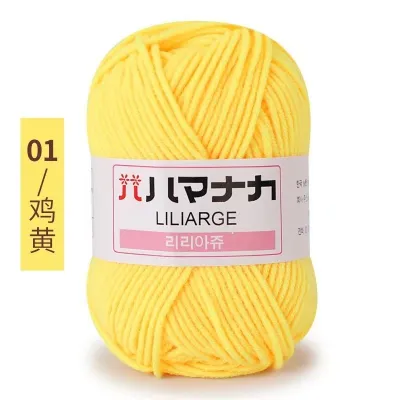
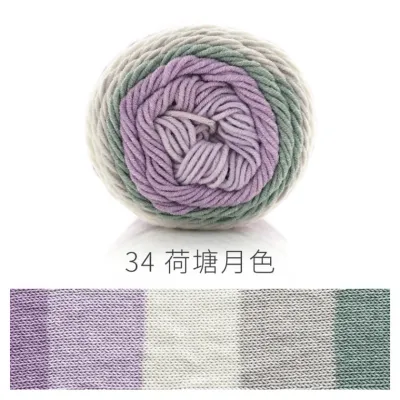
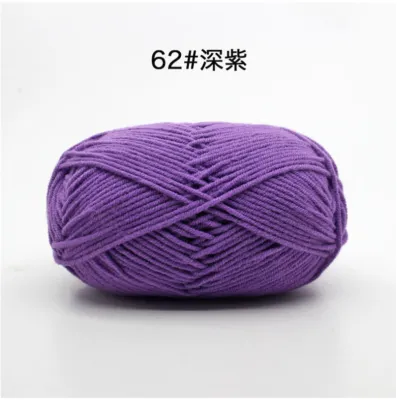
![[SG Ship]4-Ply Milk Cotton Yarn Yellow Pink White Red Knitting Crochet 4-Strand](https://img.lazcdn.com/g/p/cdff029035ac4266f5d7c84a3fec8225.jpg_400x400q80.jpg_.webp)
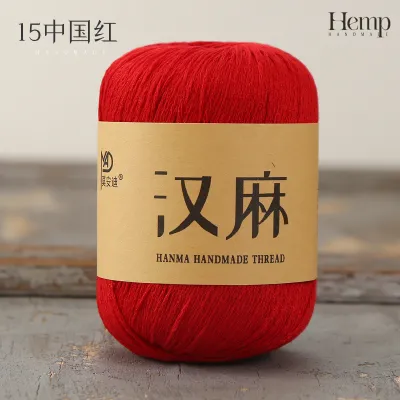
Prices are valid at publication and may change. Please refer to the product page for the latest price.
Humidity also plays a significant role in how a finished crochet piece feels and drapes over time. In a damp environment, fibers can absorb ambient moisture from the air, increasing the overall weight of the item. This added weight can cause loose crochet stitches to stretch out, altering the fit of garments. Furthermore, high humidity significantly extends the drying time of washed items, making mold and mildew a constant threat if the yarn retains water for too long.
When planning a project, it is crucial to evaluate the end-use of the item rather than focusing solely on fiber content. A fiber that is uncomfortable as a close-fitting summer top might be excellent for a structured home accessory. For instance, while a synthetic yarn might feel too warm for an outdoor blouse, its durability and resistance to stretching make it highly practical for decorative items or toys that remain in air-conditioned indoor spaces.
Cotton Yarn: Breathability and Structure
Cotton yarn is widely favored by local crafters for warm-weather projects due to its exceptional breathability and moisture absorption. When you wear a cotton crochet garment, the fiber absorbs perspiration from your skin and allows it to evaporate into the air, creating a natural cooling effect. This makes lightweight cotton particularly comfortable for outdoor wear, casual outings, or daily commutes in a tropical climate.

However, cotton possesses distinct physical limitations that every crocheter must manage. Unlike animal fibers, cotton lacks natural elasticity or “memory.” When stretched, cotton fibers do not easily bounce back to their original shape. This lack of springiness, combined with cotton’s tendency to absorb water, means that heavy garments can sag significantly under their own weight, especially after washing or during humid days. A top that fits perfectly when freshly crocheted may grow longer and looser after a few hours of wear.
To maximize cotton’s strengths while minimizing its structural drawbacks, select projects that benefit from its rigidity and stitch definition. Cotton is highly suitable for open-weave market bags, lightweight summer tees, coasters, and kitchen dishcloths. For garments, choosing a thinner yarn weight, such as fingering or sport weight, and using a tighter stitch pattern can help the item maintain its intended shape without becoming overly heavy.
Acrylic Yarn: Versatility and Easy Care
Acrylic yarn is a synthetic fiber made from petroleum products, offering a highly versatile and cost-effective option for many crochet projects. Because it is synthetic, acrylic does not absorb moisture; instead, it is moisture-resistant. While this means it will not become heavy and waterlogged in humid weather, it also means it lacks the breathability of natural fibers. When worn in hot, outdoor environments, acrylic garments can trap body heat and perspiration, leading to discomfort.
Despite these limitations for outdoor clothing, acrylic yarn is highly valued for its durability, colorfastness, and ease of maintenance. It is resistant to shrinking, stretching, and fading, making it an excellent choice for items that require frequent washing. For beginners, acrylic is often the go-to material because it is easy to work with, does not split easily, and is widely available in a vast array of vibrant colors at local craft shops and online marketplaces.
To use acrylic successfully, reserve it for projects that are kept indoors or do not require high breathability. It is highly suitable for amigurumi (crocheted stuffed toys), decorative wall hangings, cushion covers, and lightweight throw blankets intended for air-conditioned living rooms. Because acrylic does not attract pests like moths, items made from it are much easier to store long-term in humid conditions.
Wool Yarn: Navigating Warmth in the Heat
Traditional wool and other animal fibers are designed by nature to trap heat and provide insulation, making them generally unsuitable for outdoor wear in hot climates. Wearing a thick wool sweater or scarf outdoors in the tropical heat can quickly lead to overheating. Additionally, wool fibers can feel scratchy against the skin when combined with perspiration, causing irritation in warm weather.
However, wool still has a place in a tropical crafting repertoire if you select the right weight and blend. Superfine merino wool or lightweight wool-silk blends can be crafted into elegant, delicate shawls or cardigans. These items are highly practical for indoor environments, such as air-conditioned offices, cinemas, and shopping malls, where temperatures can feel surprisingly chilly. Merino wool is naturally temperature-regulating and can provide just the right amount of warmth without feeling stifling indoors.
The primary challenge of keeping wool in a tropical climate is storage. Animal proteins are highly attractive to clothes moths, and high humidity creates an ideal breeding ground for mold and mildew. If wool items are left unprotected in a closet, they can quickly develop a musty odor or suffer fiber damage. Proper care, including thorough drying and protective storage, is essential to preserve wool creations.
Decision Matrix: Matching Yarn to Your Crochet Project
Selecting the right yarn requires balancing the physical properties of the fiber with the intended function of the finished item. Wearables that sit close to the skin demand high breathability and drape, whereas home decor items require structural integrity and wear resistance. By matching the project type to the appropriate fiber characteristics, you can ensure your hard work results in a functional, long-lasting piece.
For close-fitting garments like crop tops, bralettes, and summer dresses, lightweight natural fibers or high-cotton blends are highly recommended to keep the wearer cool. For outer layers like cardigans or shawls designed for air-conditioned spaces, lightweight wool blends or premium acrylics can provide comfortable warmth. Home decor items, such as baskets and plant hangers, benefit from the stiffness of mercerized cotton or sturdy synthetic cords, which hold their shape under tension.
Amigurumi and toys require excellent stitch definition so that the stuffing does not show through the gaps. Both acrylic and cotton are excellent candidates for this purpose, as they hold tight stitches well and can withstand the handling and washing that toys typically undergo.
| Fiber Type | Breathability | Elasticity & Memory | Drying Speed in Humidity | Recommended Projects |
|---|---|---|---|---|
| Cotton | High | Low (prone to stretching) | Moderate to Slow | Summer tops, market bags, dishcloths, coasters |
| Acrylic | Low | Moderate | Fast | Amigurumi, home decor, indoor blankets, practice swatches |
| Wool | Low (traps heat) | High (retains shape well) | Slow | Air-conditioned office shawls, light cardigans, winter gifts |
How to Verify Yarn Suitability Before You Buy
Before purchasing yarn from a local shop or an online marketplace, always check the fiber content label carefully. Many manufacturers offer fiber blends, such as cotton-acrylic or cotton-bamboo, which combine the best properties of both materials. A cotton-acrylic blend, for example, offers the breathability of cotton alongside the elasticity and lightweight nature of acrylic, reducing the risk of your garments stretching out of shape.
In addition to fiber content, examine the yarn’s construction, specifically its ply and twist. A tightly twisted yarn with multiple plies provides excellent stitch definition and is less likely to split while crocheting, making it ideal for intricate patterns. A loosely twisted single-ply yarn may feel softer, but it is more prone to pilling and may not hold up well to the friction of daily wear and washing.
The most reliable way to verify how a yarn will perform is to crochet a gauge swatch (typically a 10 cm by 10 cm square) using your chosen hook size. Wash the swatch according to the label instructions and let it dry in your typical home environment. Observe how long it takes to dry completely in local humidity, check for any shrinkage or stretching, and feel the drape of the fabric. This simple test prevents unexpected surprises and ensures your finished project behaves exactly as intended.
Frequently Asked Questions (FAQ)
Can I use wool blends for crochet in a hot climate?
Yes, wool blends can be highly functional if you select the right composition and use case. Look for blends where wool is combined with cooling fibers like cotton, bamboo, or linen, which help reduce heat retention. These blends are best suited for lightweight accessories, such as shawls or light cardigans, designed specifically for air-conditioned indoor spaces or cooler evening wear.
Why does my cotton crochet garment feel heavy and stretch out?
Cotton fibers lack natural elasticity and memory, meaning they do not spring back after being stretched. When crocheted into a garment, the weight of the stitches pulls the fabric downward, a problem exacerbated when the cotton absorbs moisture from perspiration or humid air. To prevent this, use a smaller hook size to create tighter stitches, incorporate structural stitch patterns like ribbing, or choose a lightweight cotton-acrylic blend.
How should I store my yarn stash to prevent mold in high humidity?
To protect your yarn from mold, mildew, and pests in a humid climate, avoid storing fibers in airtight plastic containers, which can trap residual moisture and encourage mold growth. Instead, store your yarn in breathable cotton storage bags or open shelving in a well-ventilated, climate-controlled room. Adding silica gel packets or lavender sachets to your storage areas can help absorb excess moisture and deter pests.

Community discussion
Share your experience or ask a question. Comments are reviewed before publication.